Ingredient in baked goods for infants
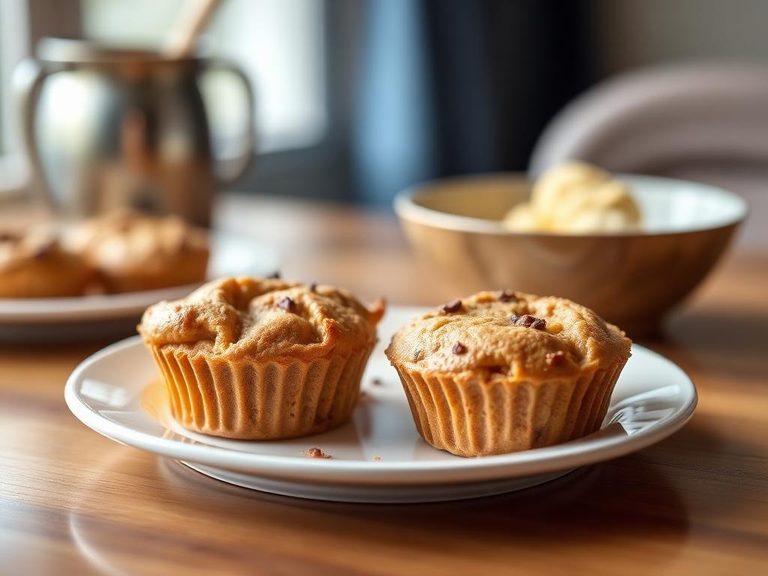
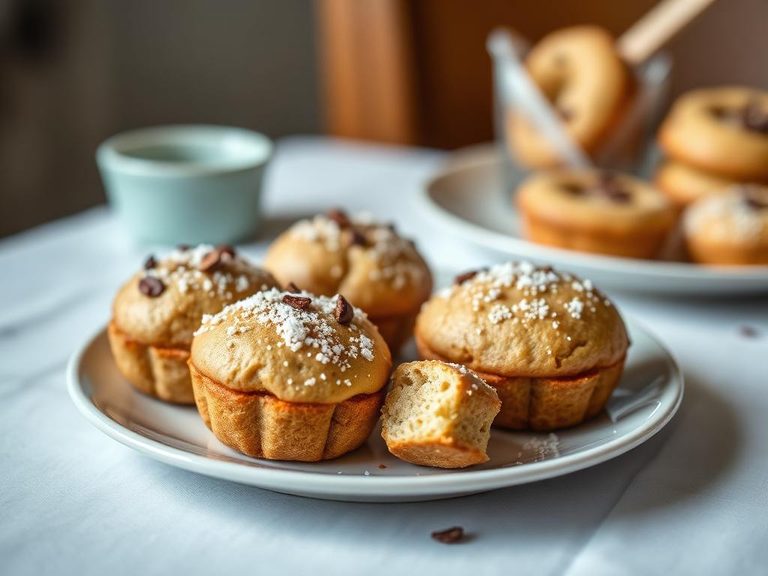
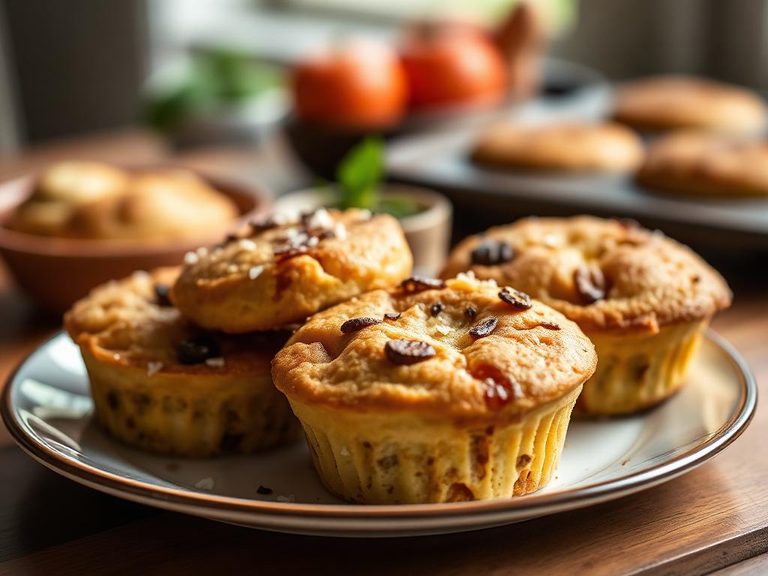
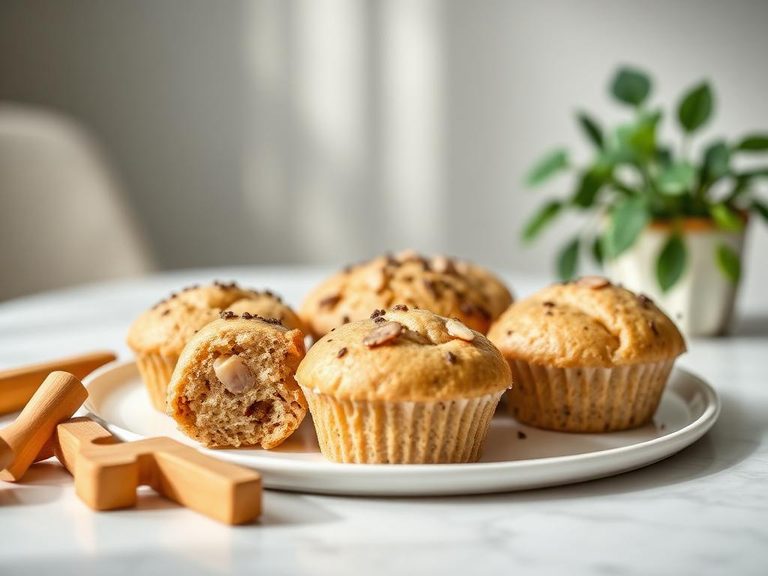
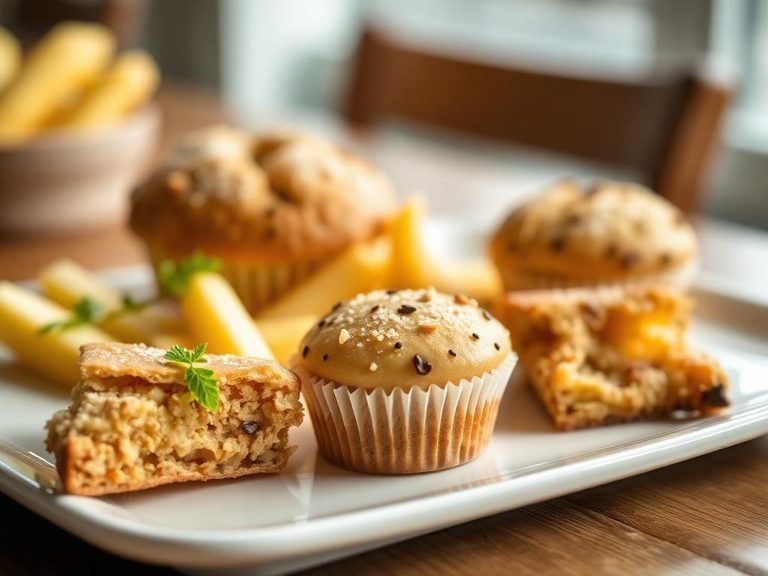
This refers to a foundational ingredient, most commonly finely milled flour (like rice, oat, or wheat), used in baked goods for infants. These ingredients are typically simple, single-grain, and free from added sugars or salts, forming the base for soft teething biscuits or puffs. They are a staple in many cultures worldwide as a first solid food.
🍽️ Nutrition at a glance
These ingredients are primarily a source of carbohydrates for energy, with some varieties like oat or wheat flour offering a small amount of protein and fiber. A typical serving of a baked good made from them is generally low in fat and provides key nutrients like iron and B vitamins, especially if fortified.
Nutrition breakdown
| Calories | 220 kcal |
| Protein | 6 g |
| Carbs | 46 g |
| Fat | 2 g |
| Fiber | 3 g |
| Sugar | 8 g |
| Sodium | 5 mg |
| Iron | 4.8 mg |
| Thiamin (B1) | 0.5 mg |
| Riboflavin (B2) | 0.3 mg |
| Niacin (B3) | 6.4 mg |
| Folate | 160 mcg |
| Calcium | 20 mg |
| Magnesium | 22 mg |
| Phosphorus | 80 mg |
Per 1/2 cup (60 g) · estimated, varies by recipe
💡 What's interesting
What makes these ingredients unique for infants is their adaptability; they are often fortified with essential nutrients to support rapid growth and development. Culturally, they represent a universal first step in the transition to solid foods, with different grains chosen based on regional availability and traditional weaning practices.