Added to baked goods for infants
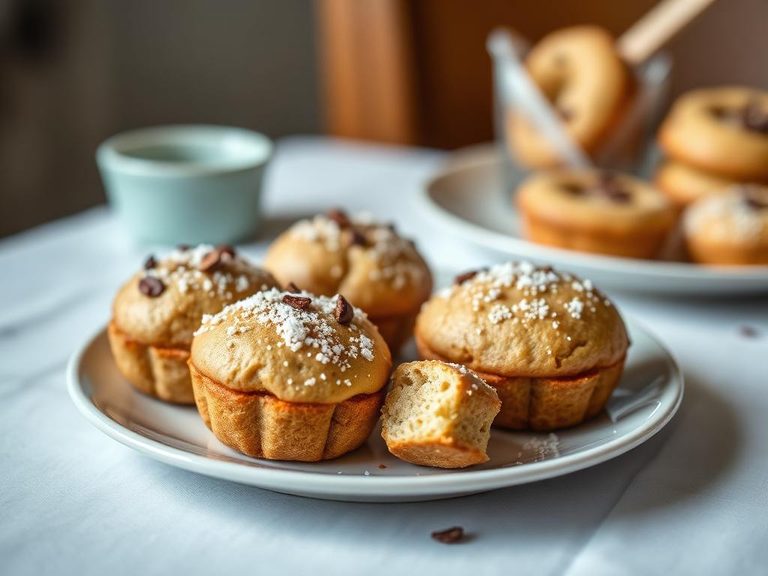
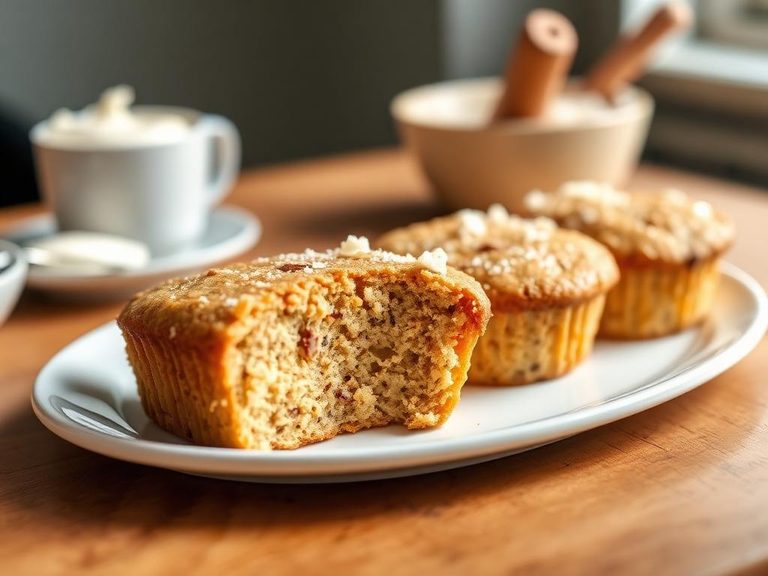
This refers to common ingredients or mix-ins added to baked goods specifically for infants, such as mashed banana, unsweetened applesauce, or pureed vegetables like pumpkin or sweet potato. These additions are used to naturally sweeten, add moisture, and boost the nutritional profile of muffins, pancakes, or soft breads. The practice is common in many cultures as a way to introduce wholesome flavors and nutrients into a baby-friendly format.
🍽️ Nutrition at a glance
These additions typically increase the carbohydrate and fiber content of baked goods, while providing essential vitamins and minerals. A typical serving of an infant muffin or pancake made with such additions provides around 100-150 calories.
Nutrition breakdown
| Calories | 120 kcal |
| Protein | 3 g |
| Carbs | 22 g |
| Fat | 2.5 g |
| Fiber | 2 g |
| Sugar | 8 g |
| Sodium | 60 mg |
| Vitamin A | 45 mcg RAE |
| Vitamin C | 3 mg |
| Potassium | 150 mg |
| Iron | 1 mg |
| Calcium | 40 mg |
| Vitamin B6 | 0.1 mg |
| Magnesium | 20 mg |
| Phosphorus | 50 mg |
Per 1 small infant muffin (45 g) · estimated, varies by recipe
💡 What's interesting
Using fruit or vegetable purees in baking is a clever nutritional strategy, as it can reduce or eliminate the need for added sugars and fats while introducing a wider range of micronutrients. It's a universal practice across many food cultures to make first solid foods both palatable and nutrient-dense.
🍽️ Related dishes
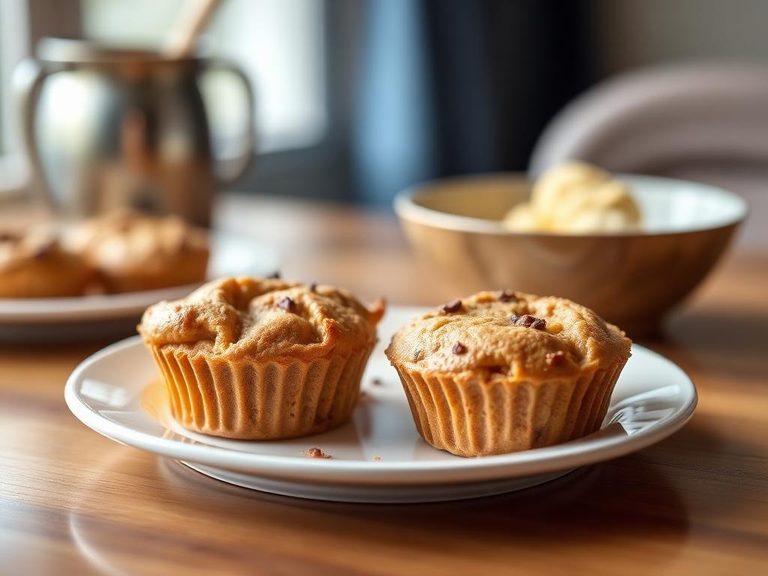 Ingredient in baked goods for infants
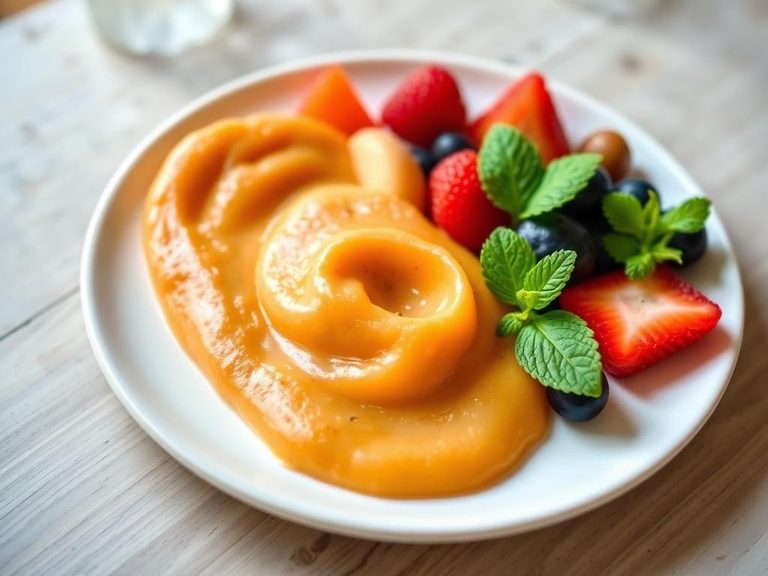 Added to calorie-boosting purees for older infants
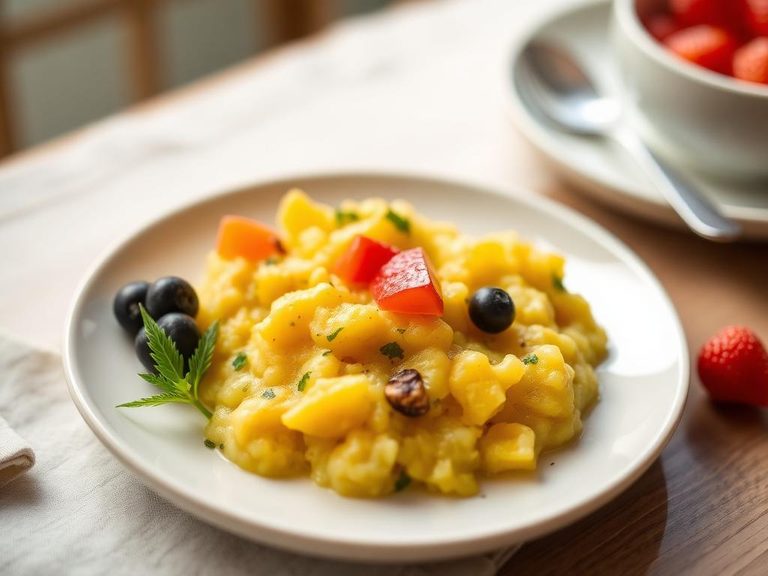 Added to fruit or vegetable mashes for infants
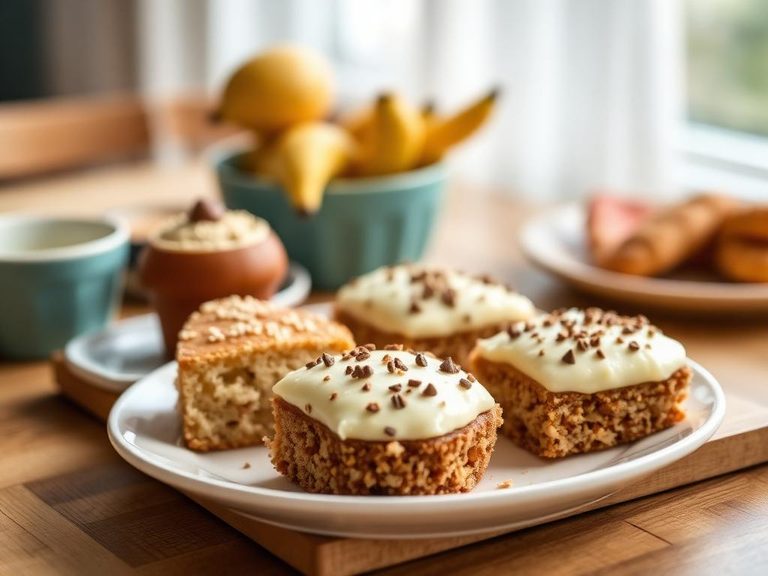 Added to baked goods for toddlers
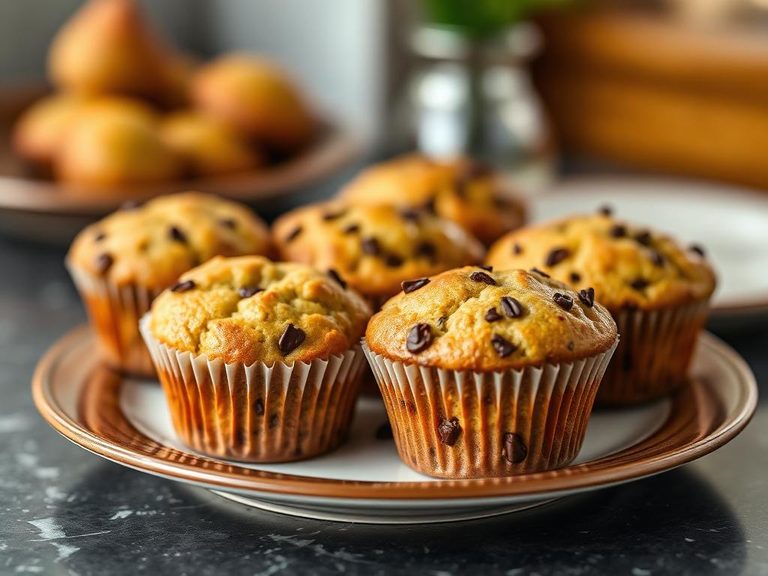 Formula-infused baked goods
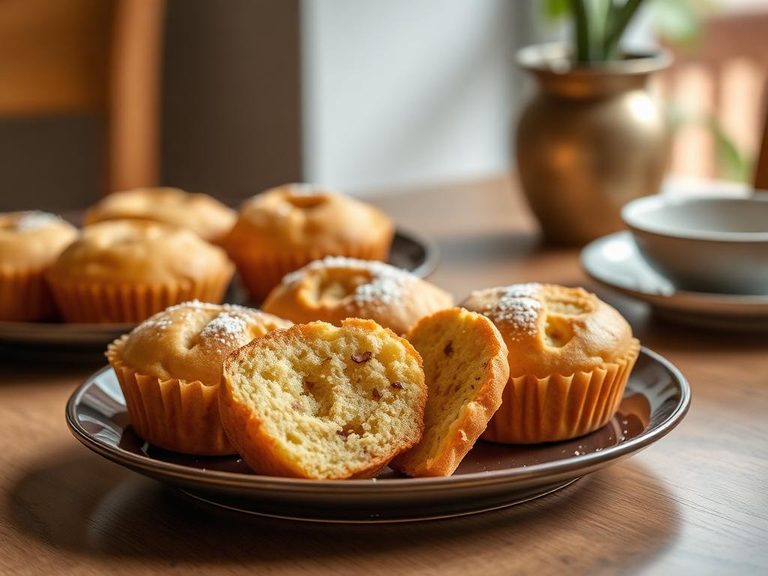 Formula-enriched baked goods
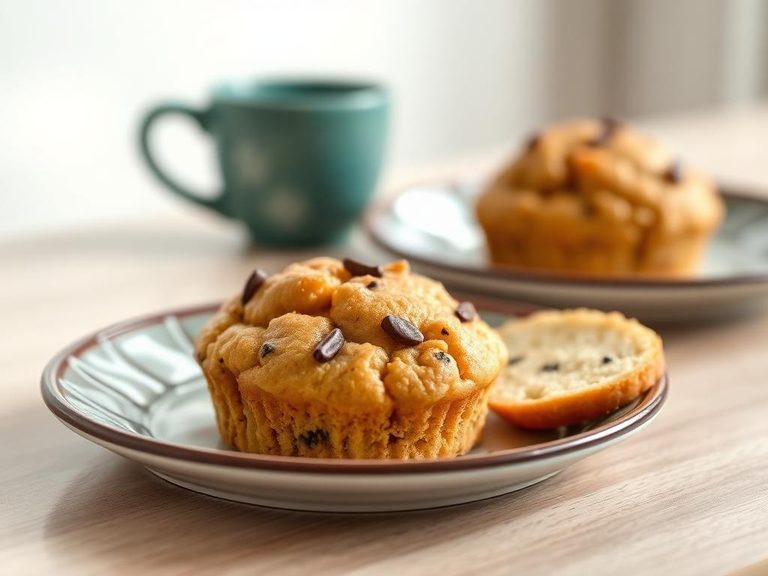 Formula incorporated into baked goods for toddlers
 Cottonseed protein fortifier in baked goods