Added to fruit or vegetable mashes for infants
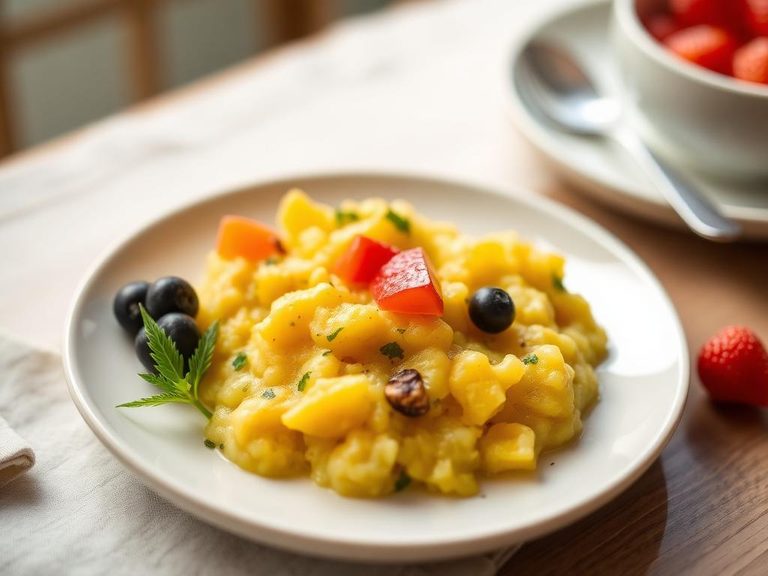
This is not a specific dish, but rather a common practice in infant feeding where a bland, starchy food like rice cereal or oatmeal is added to fruit or vegetable mashes (like banana, avocado, or sweet potato) to introduce texture and new nutrients. It's a foundational step in the complementary feeding process for infants around 6 months old, originating from pediatric nutrition guidelines worldwide.
🍽️ Nutrition at a glance
The added ingredient is typically a high-carbohydrate, low-fat, and low-protein food designed to be easily digestible. It provides key nutrients like iron (if fortified) and B vitamins, with a calorie contribution that varies but is generally modest, around 50-100 kcal per tablespoon.
Nutrition breakdown
| Calories | 40 kcal |
| Protein | 0.7 g |
| Carbs | 8.5 g |
| Fat | 0.1 g |
| Fiber | 0.3 g |
| Sugar | 0.1 g |
| Sodium | 5 mg |
| Iron | 1.8 mg |
| Thiamin (B1) | 0.1 mg |
| Niacin (B3) | 1.2 mg |
| Folate | 20 µg |
| Calcium | 20 mg |
| Phosphorus | 15 mg |
| Potassium | 15 mg |
| Zinc | 0.4 mg |
Per 1 tablespoon (about 10 g) of dry infant rice cereal · estimated, varies by recipe
💡 What's interesting
This practice is nutritionally interesting because it often uses iron-fortified cereals to address the critical need for supplemental iron in an infant's diet after 6 months, a period when natural iron stores from birth begin to deplete.
🍽️ Related dishes
 Added to calorie-boosting purees for older infants
 Added to baked goods for infants
 Added to Homemade Baby Formula
 Added to smoothies for toddlers transitioning off formula
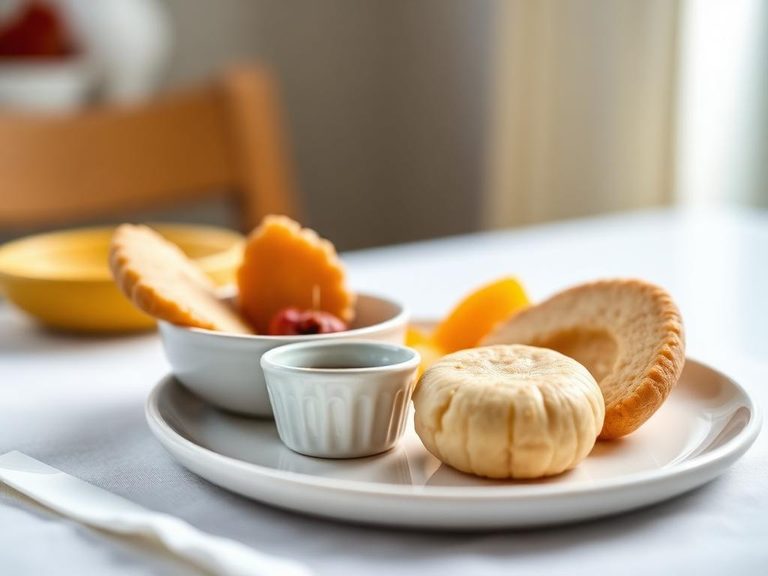 First solids for infants
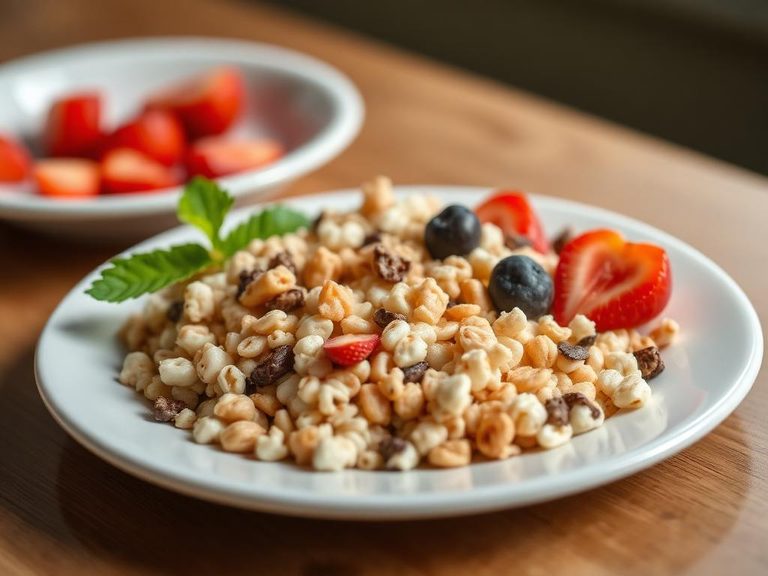 Mixed with Cereal for Older Infants
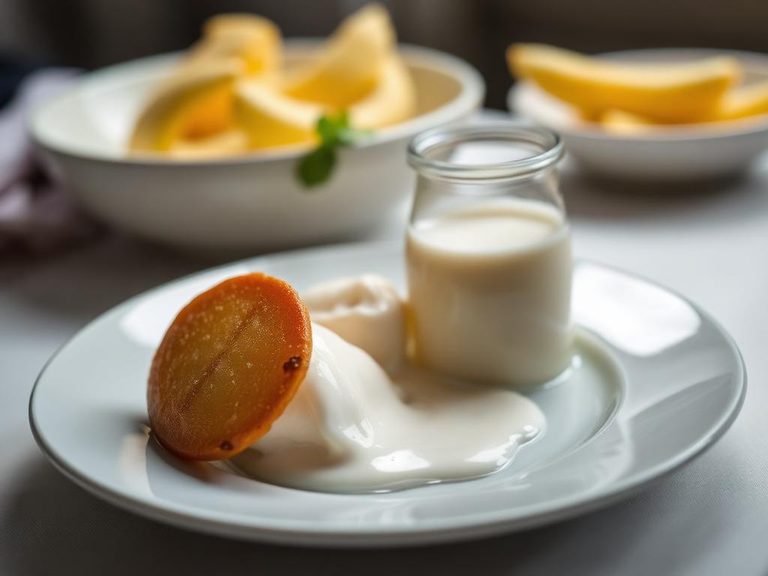 Donor milk for NICU infants
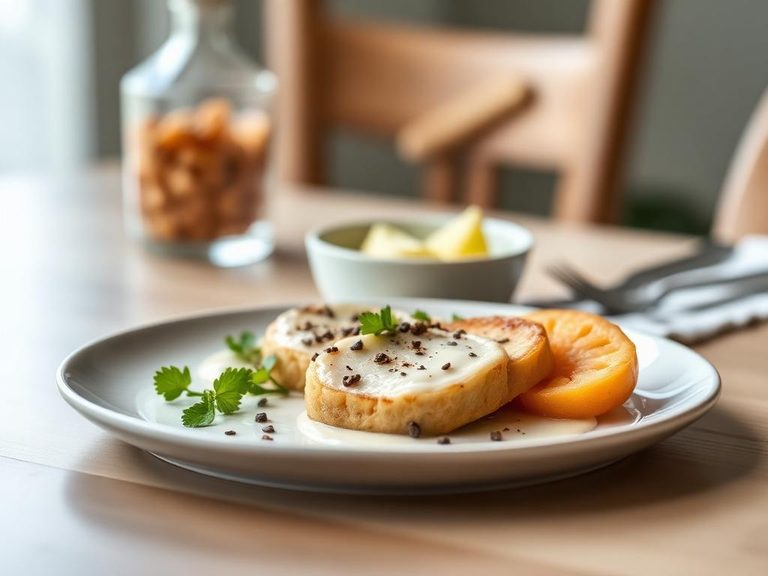 Standalone first food for infants 4-6 months+