Added to baked goods for toddlers
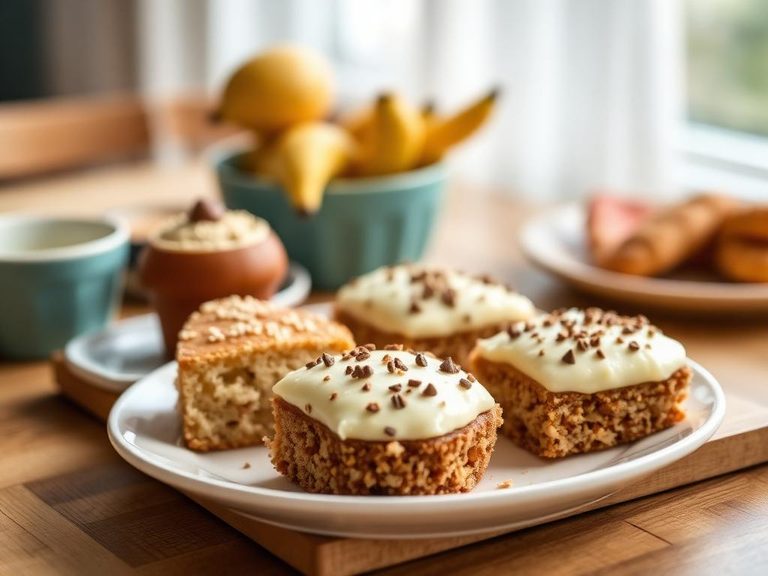
This isn't a standalone dish, but a category of common, nutrient-dense ingredients added to baked goods like muffins, pancakes, and breads to enhance their nutritional profile for toddlers. Typical additions include pureed fruits (like banana or apple), vegetables (like pumpkin or carrot), or healthy fats (like avocado or nut butters). These ingredients are often integrated into recipes from various culinary traditions to make treats more wholesome.
🍽️ Nutrition at a glance
These additions generally boost the carbohydrate and fiber content, with some (like nut butters or avocado) also adding healthy fats and a small amount of protein. They significantly increase the intake of key vitamins (like Vitamin A from pumpkin) and minerals (like potassium from banana), while adding natural sweetness and moisture, with a typical fortified muffin or pancake ranging from 150-250 calories per serving.
Nutrition breakdown
| Calories | 180 kcal |
| Protein | 4 g |
| Carbs | 30 g |
| Fat | 5 g |
| Fiber | 3 g |
| Sugar | 10 g |
| Sodium | 120 mg |
| Potassium | 200 mg |
| Vitamin A | 45 mcg RAE |
| Vitamin C | 3 mg |
| Calcium | 40 mg |
| Iron | 1.2 mg |
| Magnesium | 25 mg |
| Phosphorus | 60 mg |
| Manganese | 0.4 mg |
Per 1 small banana-oat muffin (60 g) · estimated, varies by recipe
💡 What's interesting
Culturally, this practice reflects a universal parenting strategy to sneak nutrition into appealing foods. Nutritionally, it's a smart way to increase a toddler's intake of whole foods, fiber, and micronutrients without relying on added sugars, making the baked goods more satiating and supportive of steady energy levels.
🍽️ Related dishes
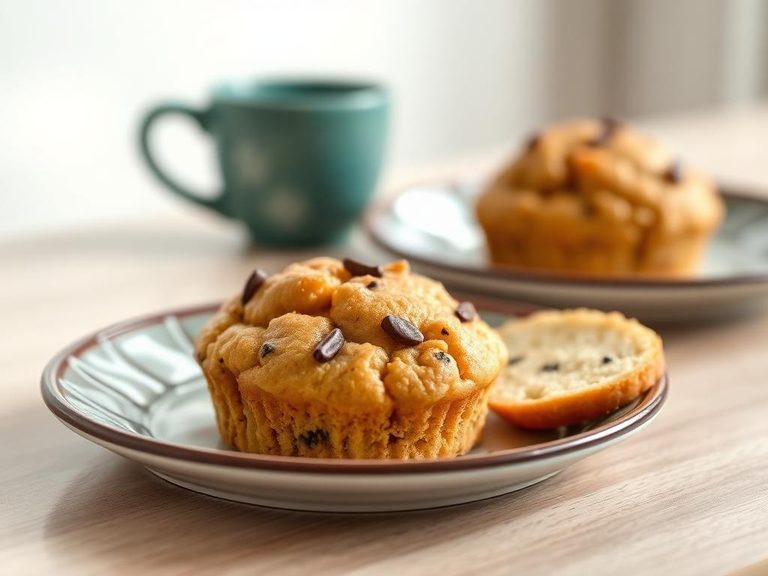 Formula incorporated into baked goods for toddlers
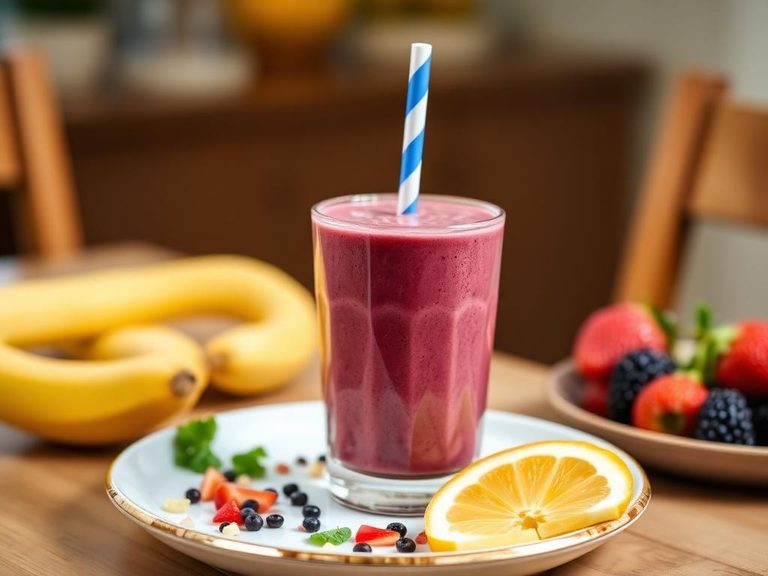 Added to smoothies for toddlers transitioning off formula
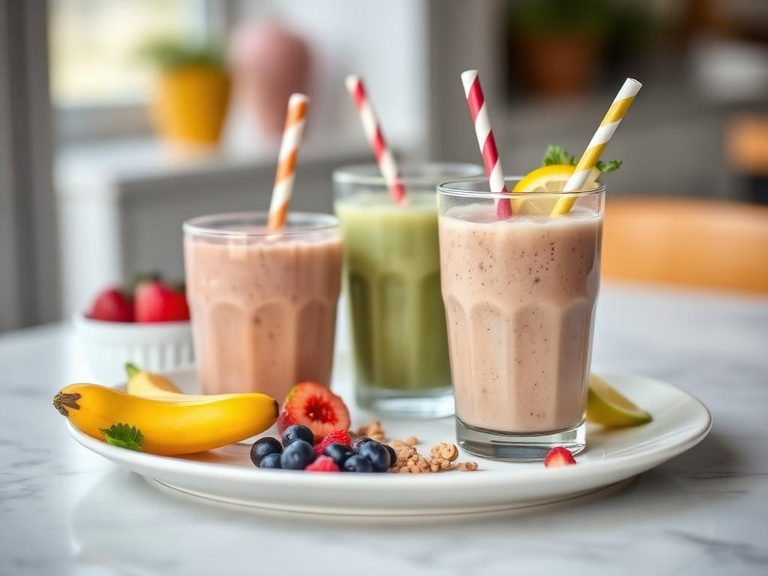 Added to smoothies for older toddlers
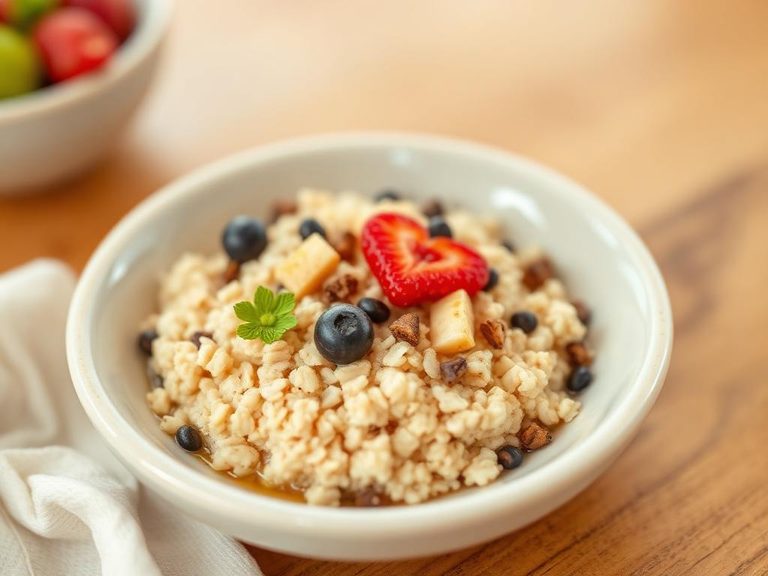 Added to oatmeal for toddlers
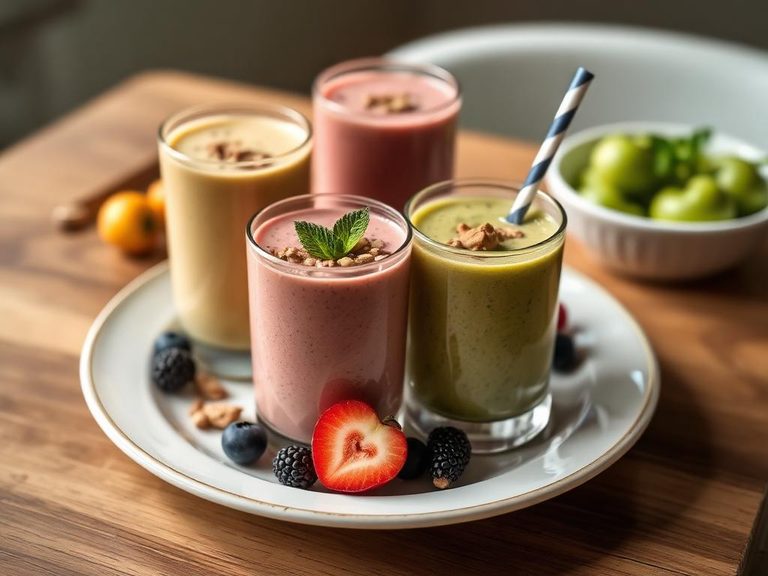 Added to smoothies for toddlers
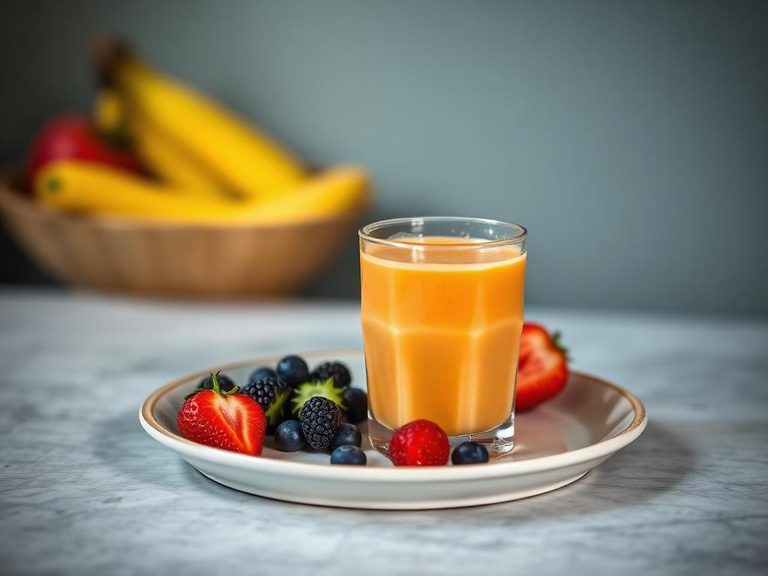 Formula-based smoothie for older toddlers
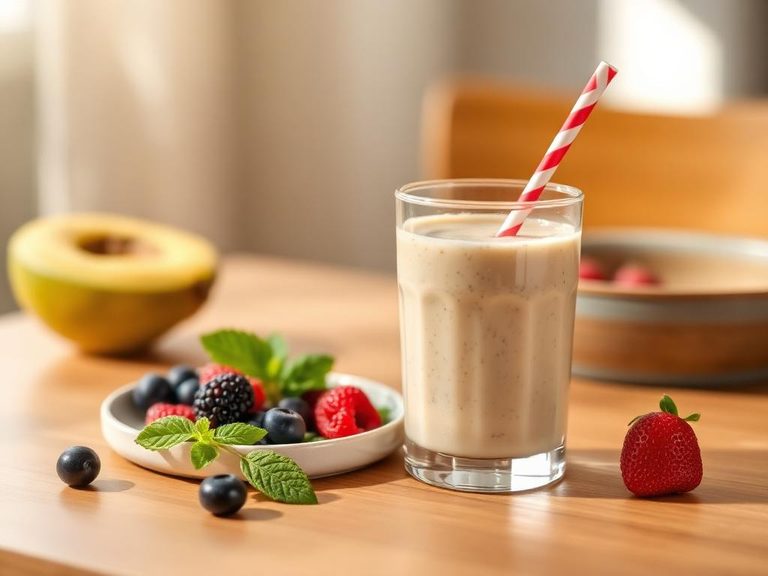 Formula-based smoothie for toddlers
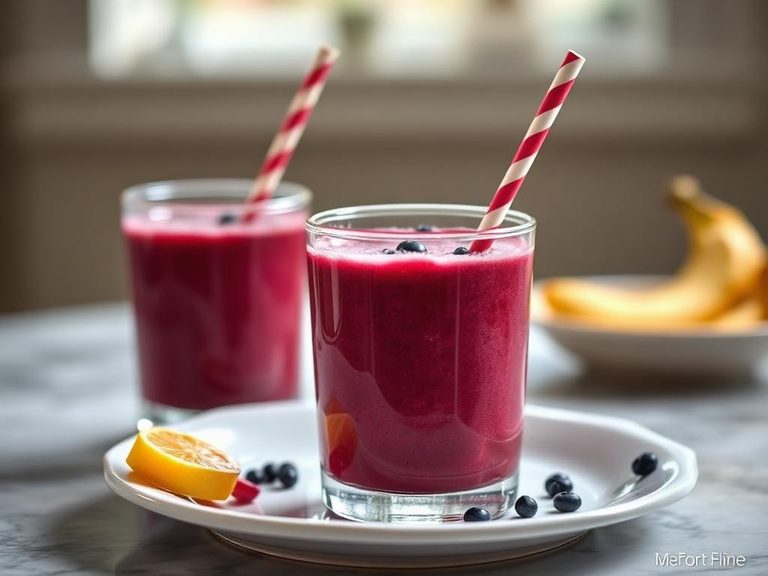 Fortified smoothies for toddlers