Combined with hypoallergenic solid foods
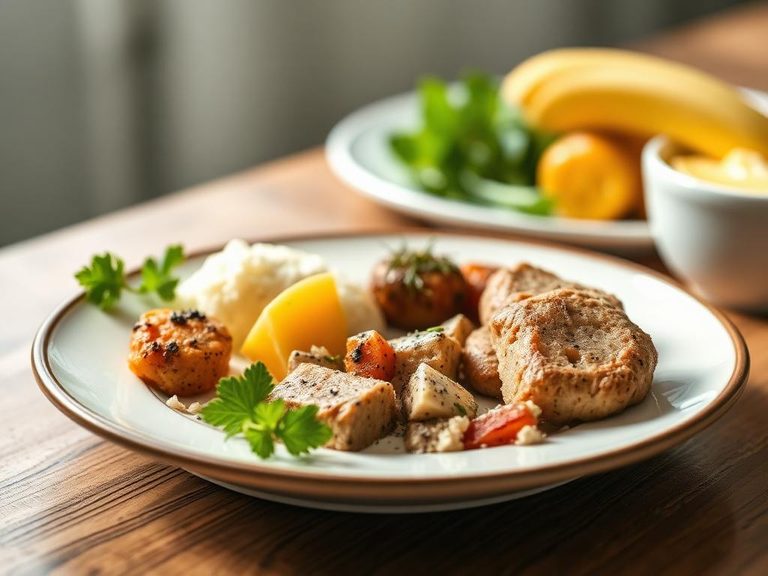
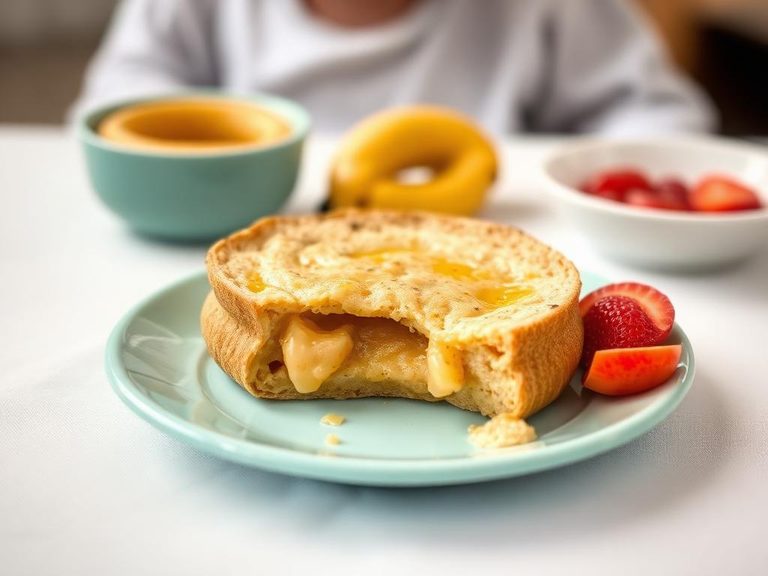
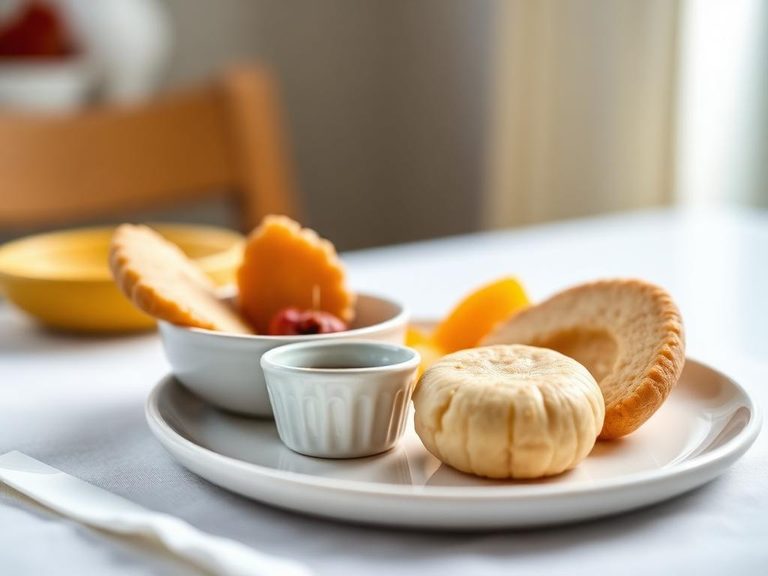
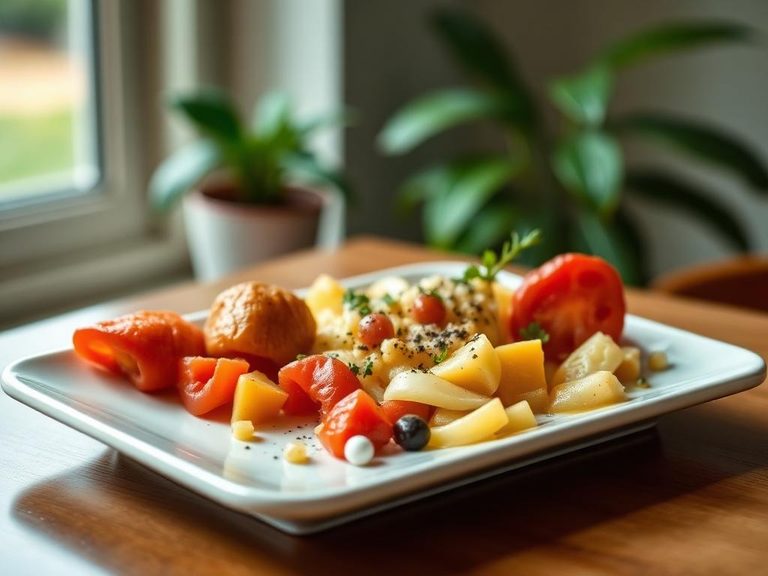
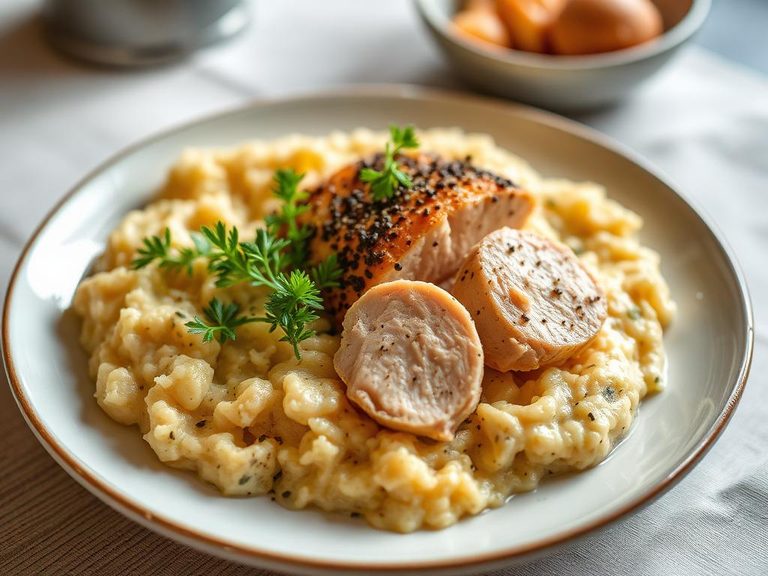
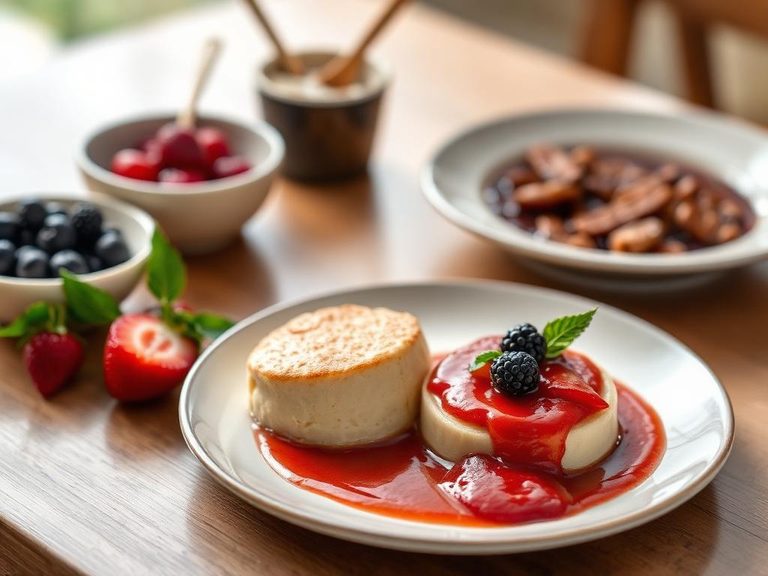
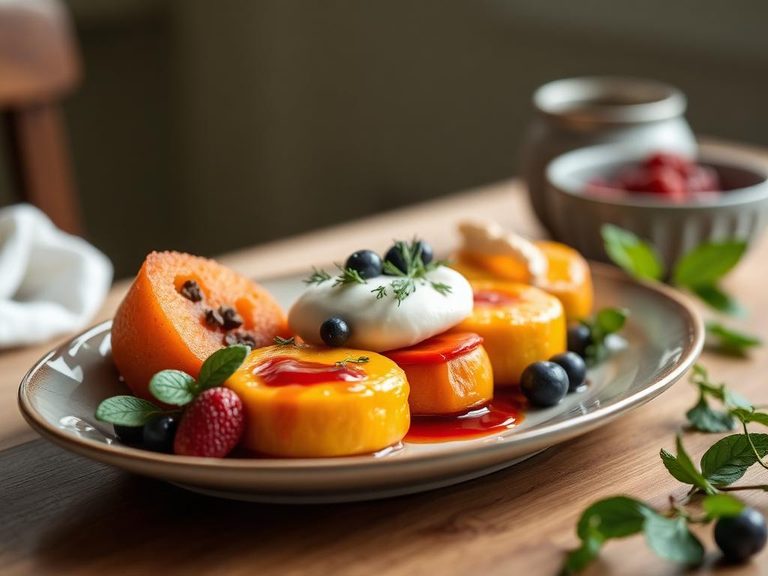
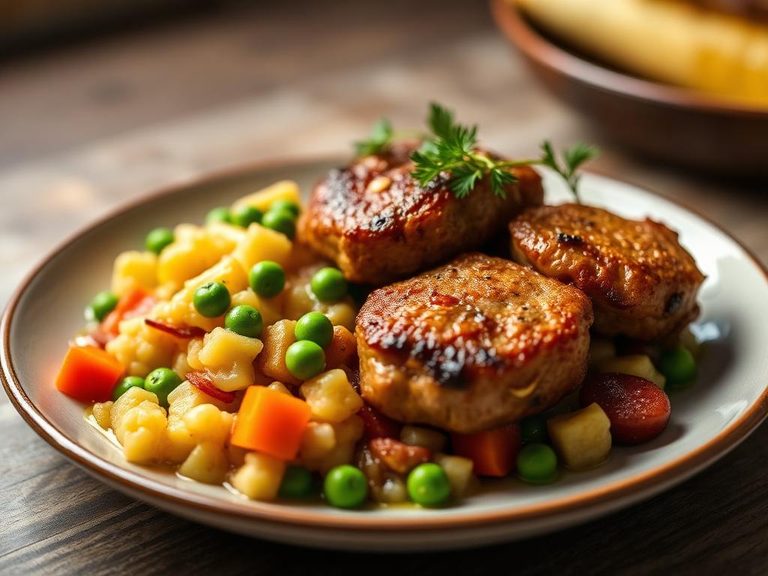
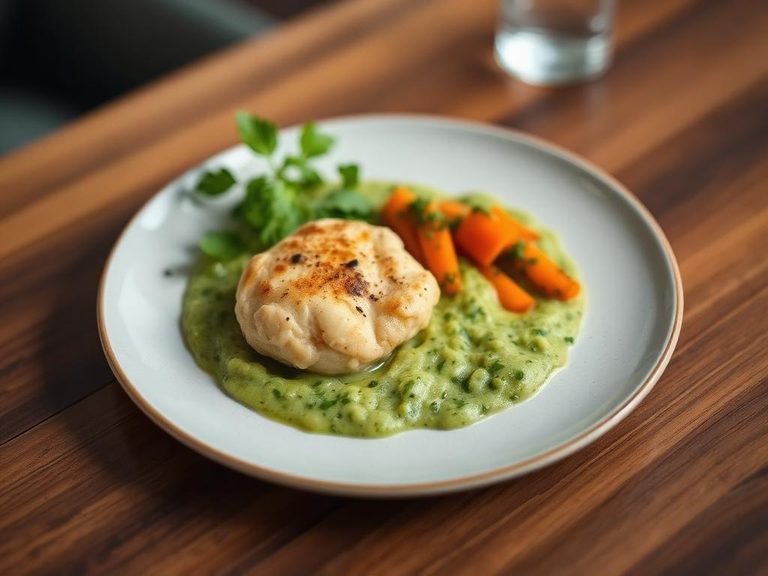
This is not a specific dish but rather a general concept for introducing solid foods to infants, typically starting around 6 months of age. It involves offering simple, single-ingredient, hypoallergenic foods like iron-fortified baby cereal, pureed or mashed fruits and vegetables, and soft-cooked meats or legumes. The practice is a universal milestone in infant feeding, adapted to local dietary customs worldwide.
🍽️ Nutrition at a glance
The nutritional profile varies widely based on the specific foods chosen, but the focus is on providing essential nutrients for growth, such as iron, zinc, and vitamins. Meals are generally low in fat and sodium, with a calorie count that depends on the ingredients, often ranging from 50-150 kcal for a small introductory portion.
Nutrition breakdown
| Calories | 80 kcal |
| Protein | 2 g |
| Carbs | 15 g |
| Fat | 1 g |
| Fiber | 2 g |
| Sugar | 3 g |
| Sodium | 10 mg |
| Iron | 2 mg |
| Vitamin A | 150 mcg RAE |
| Vitamin C | 10 mg |
| Calcium | 50 mg |
| Potassium | 200 mg |
| Zinc | 1 mg |
Per 1 small bowl (120 g) · estimated, varies by recipe
💡 What's interesting
The concept is nutritionally unique because it's carefully designed to minimize allergy risk while maximizing nutrient density during a critical window of immune system development. Culturally, it reflects a family's transition, with the first foods often being traditional staples like rice, sweet potato, or avocado, depending on the region.