Combined with fruit purees for weaning
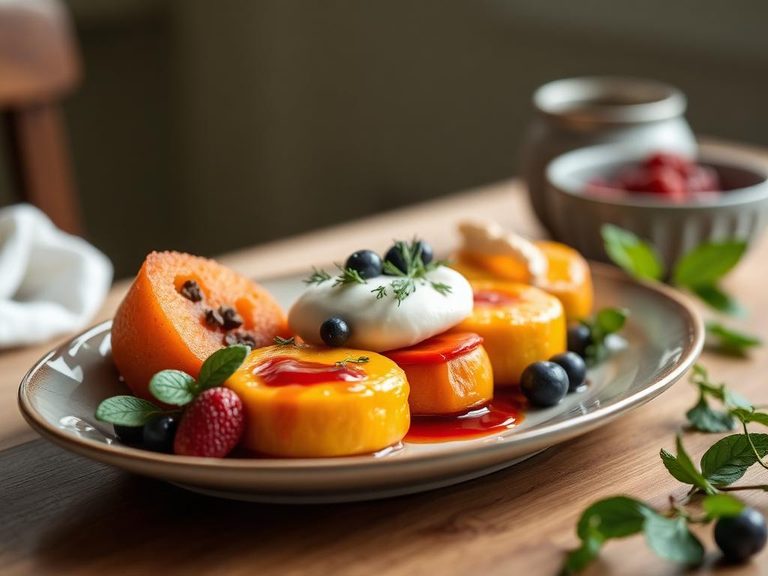
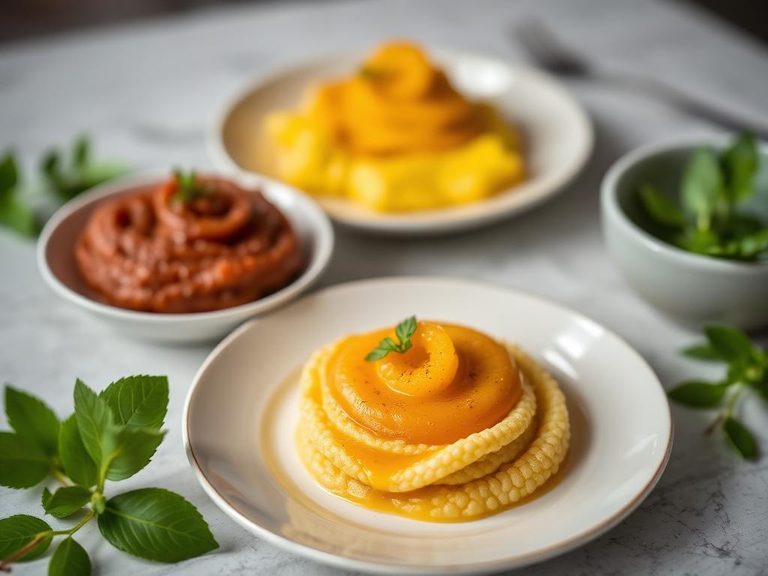
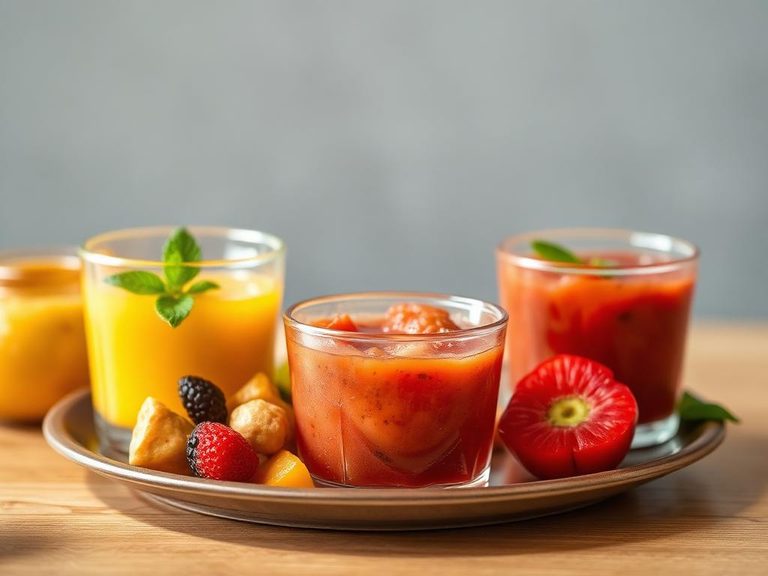
This is a simple, smooth dish made by blending cooked grains or starchy vegetables with various fruit purees, specifically designed for infants transitioning to solid foods. It typically combines a base like rice cereal or mashed banana with purees of apples, pears, or peaches. While the concept is universal in baby-led weaning, it's a staple in many cultures, including Western and Asian baby food traditions.
🍽️ Nutrition at a glance
The dish is primarily a source of easily digestible carbohydrates for energy, with minimal fat and protein. It provides essential vitamins like Vitamin C and A from the fruit, along with potassium and some dietary fiber. A typical serving is relatively low in calories, ranging from 80-120 kcal.
Nutrition breakdown
| Calories | 100 kcal |
| Protein | 1.5 g |
| Carbs | 22 g |
| Fat | 0.5 g |
| Fiber | 2.5 g |
| Sugar | 10 g |
| Sodium | 25 mg |
| Vitamin C | 15 mg |
| Vitamin A | 80 µg |
| Potassium | 180 mg |
| Calcium | 45 mg |
| Iron | 1.2 mg |
| Phosphorus | 30 mg |
| Magnesium | 15 mg |
| Zinc | 0.4 mg |
Per 1 small bowl (150 g) · estimated, varies by recipe
💡 What's interesting
This dish is nutritionally interesting because it's a perfect example of 'food synergy'—the natural sugars in fruit purees can enhance the absorption of iron from fortified cereals. Culturally, it represents the first step in a child's culinary journey, with families often introducing local fruits to establish a palate for regional flavors.