Combined with fruit puree for variety
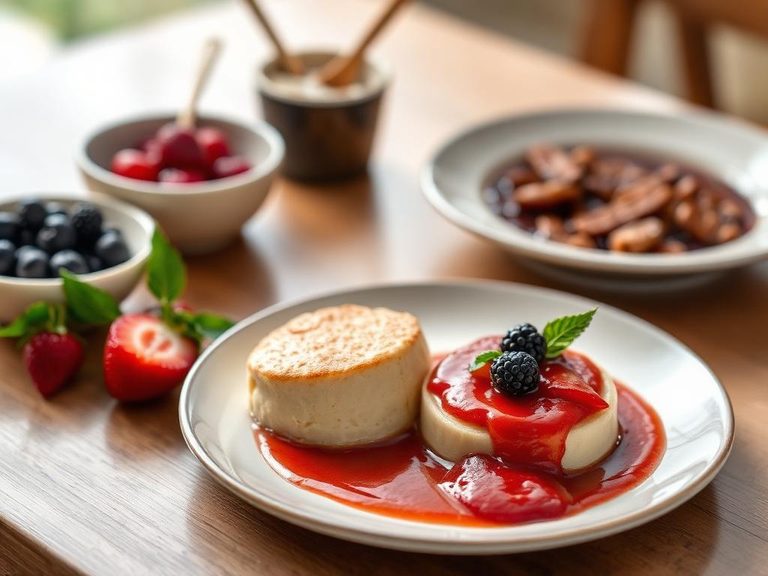
A versatile, comforting dish where a cooked grain or porridge base — such as oatmeal, rice pudding, or semolina — is combined with fruit puree to add natural sweetness, color, and nutritional variety. Common fruit purees include banana, mango, berry, or apple, making it a popular breakfast or snack around the world. It is especially common in South Asian, African, and European home cooking where fruit is folded into warm gruels for children and adults alike.
🍽️ Nutrition at a glance
The dish is moderate in carbohydrates, providing quick energy with natural sugars from the fruit puree and complex carbs from the grain base. A single serving typically offers around 180–220 kcal, along with dietary fiber, potassium, and vitamins A and C depending on the fruit used.
Nutrition breakdown
| Calories | 200 kcal |
| Protein | 4.5 g |
| Carbs | 40 g |
| Fat | 2.5 g |
| Fiber | 5 g |
| Sugar | 16 g |
| Sodium | 35 mg |
| Potassium | 260 mg |
| Vitamin C | 15 mg |
| Vitamin A | 55 µg |
| Iron | 1.8 mg |
| Magnesium | 45 mg |
| Phosphorus | 120 mg |
| Zinc | 0.9 mg |
| Manganese | 0.6 mg |
Per 1 cup (240 g) · estimated, varies by recipe
💡 What's interesting
Combining grains with fruit puree is one of the oldest and most universal comfort-food traditions, found in everything from Indian sheera to Scandinavian berry porridge and West African plantain-based gruel. The addition of fruit puree also naturally sweetens the dish without refined sugar, making it a nutritionally smart choice for families and health-conscious eaters.
🍽️ Related dishes
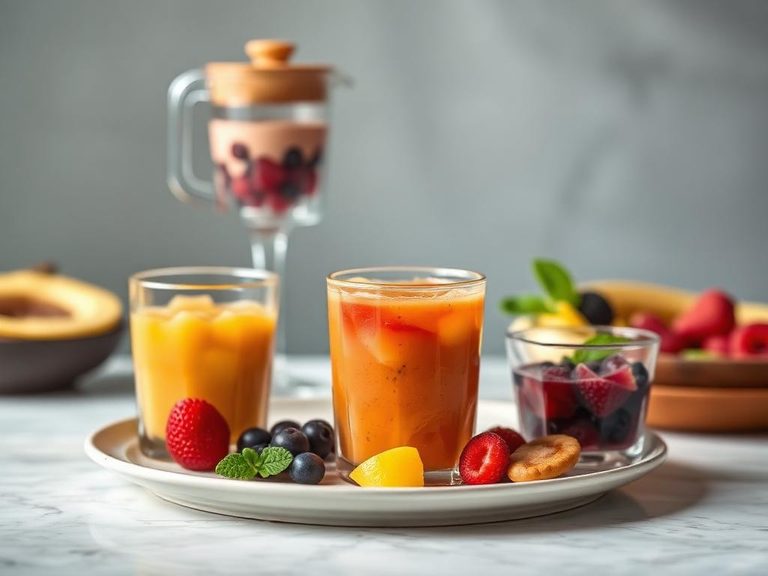 Blended with other fruit purées for variety
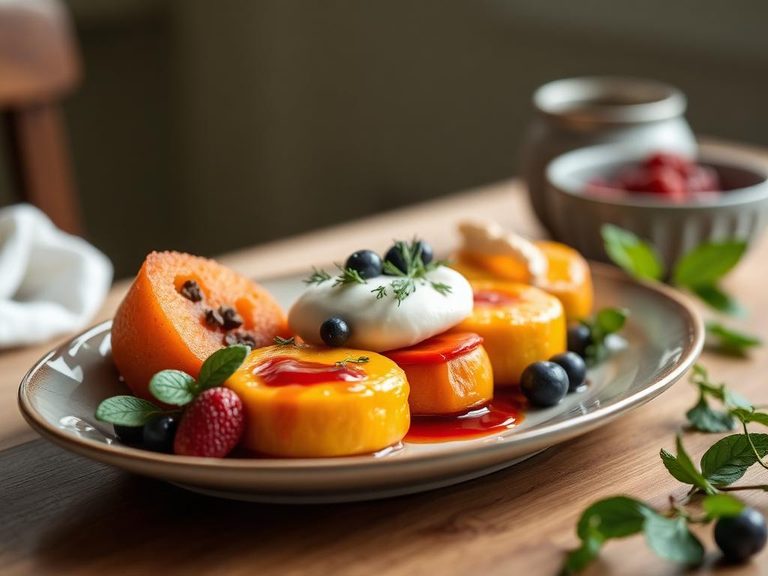 Combined with fruit purees for weaning
 Combined with pureed chicken or turkey
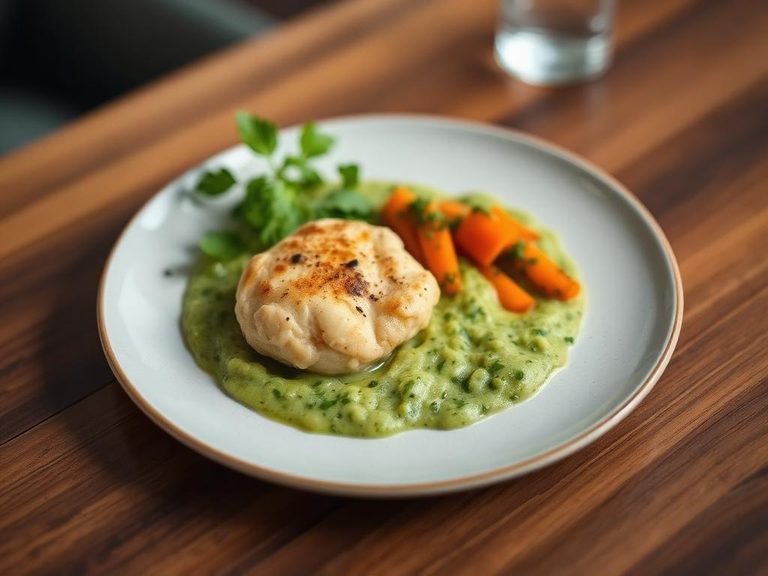 Combined with vegetable puree for a savory meal
 Served as a standalone snack with a variety of dips .
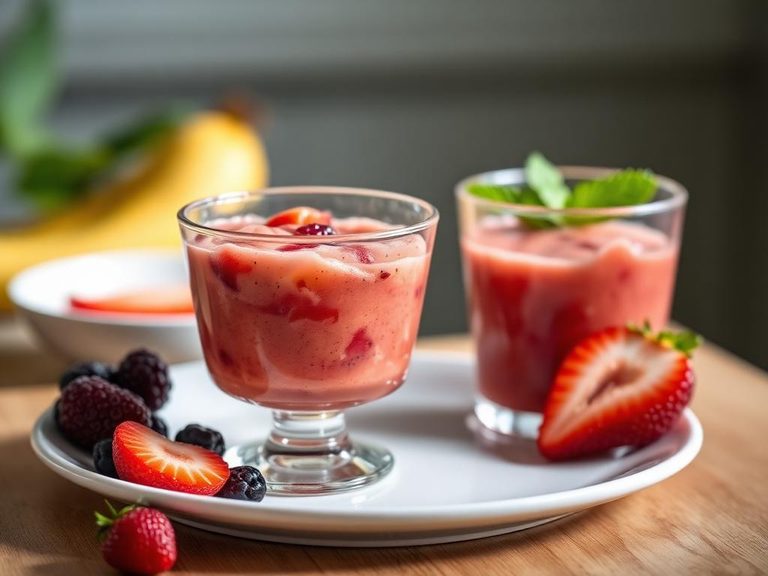 Formula-blended fruit puree
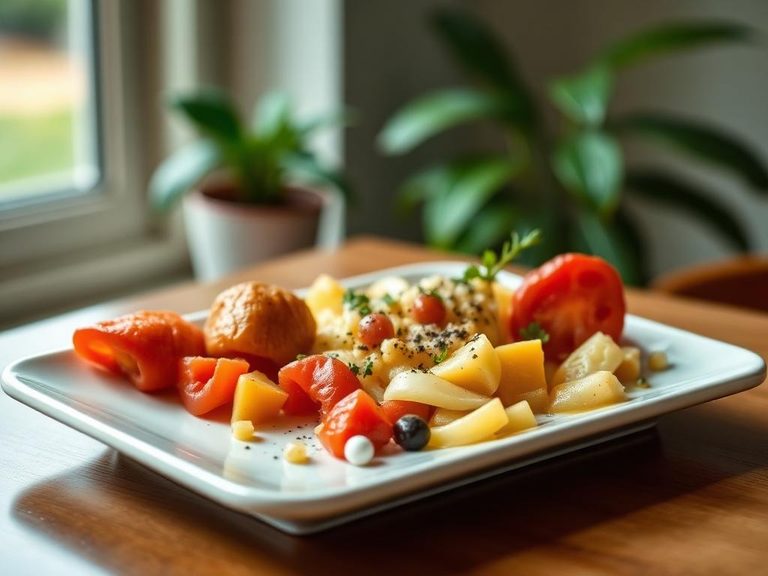 Combined with medication for infants
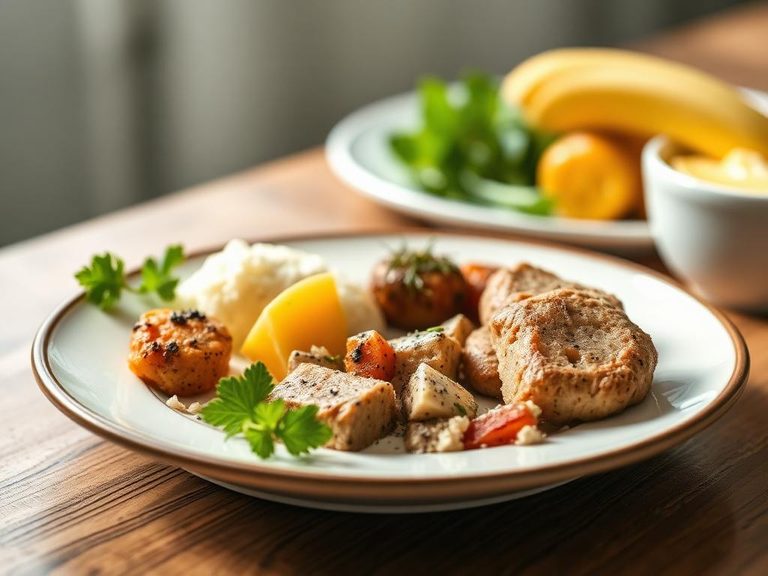 Combined with hypoallergenic solid foods