Baby's First Finger Food Snack
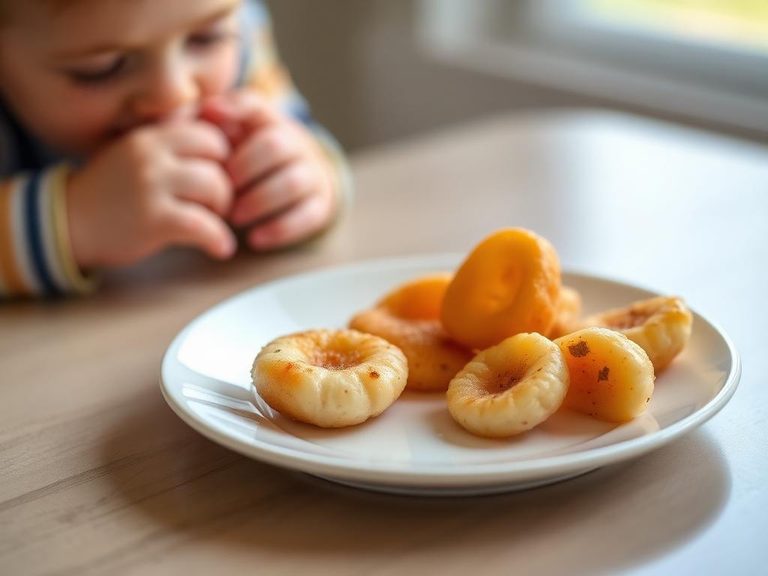
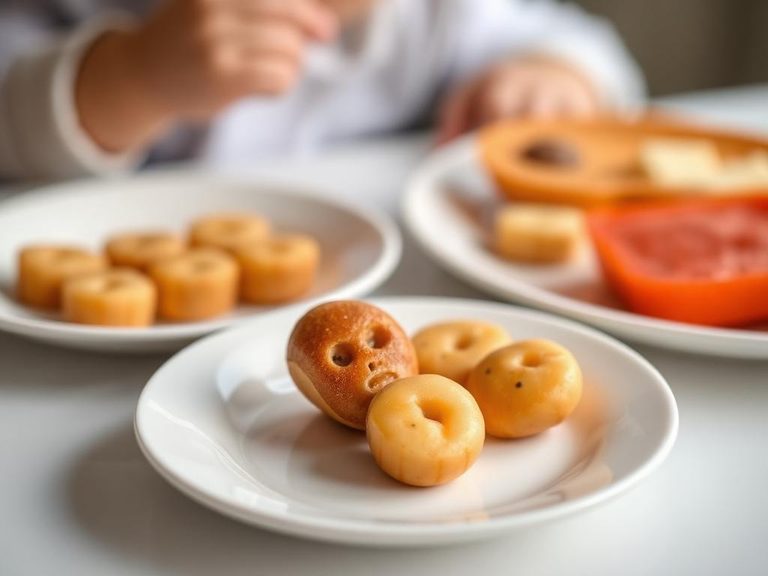
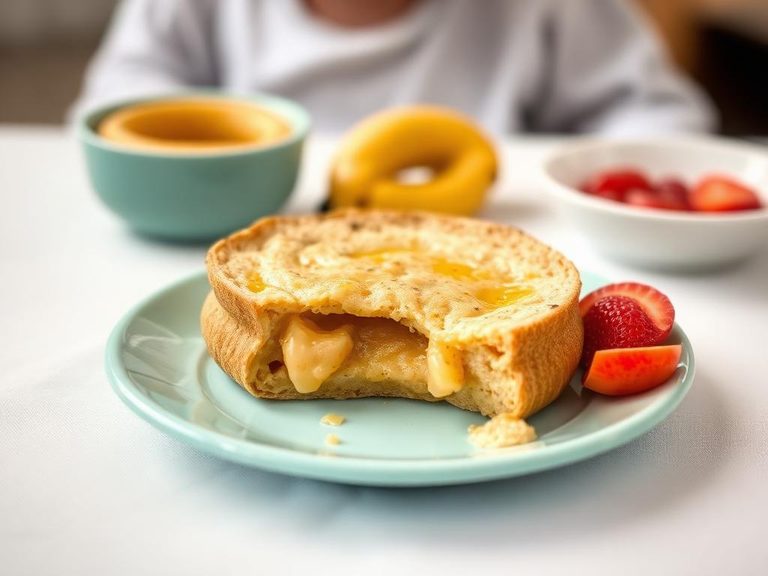
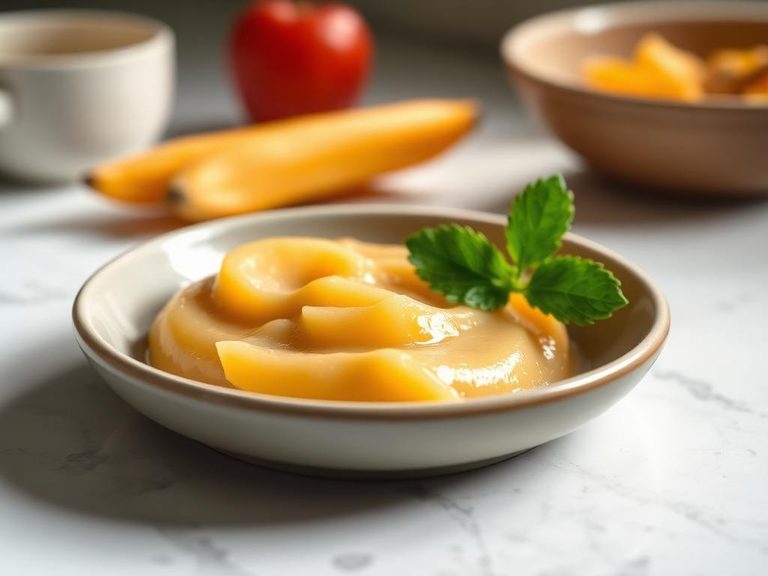
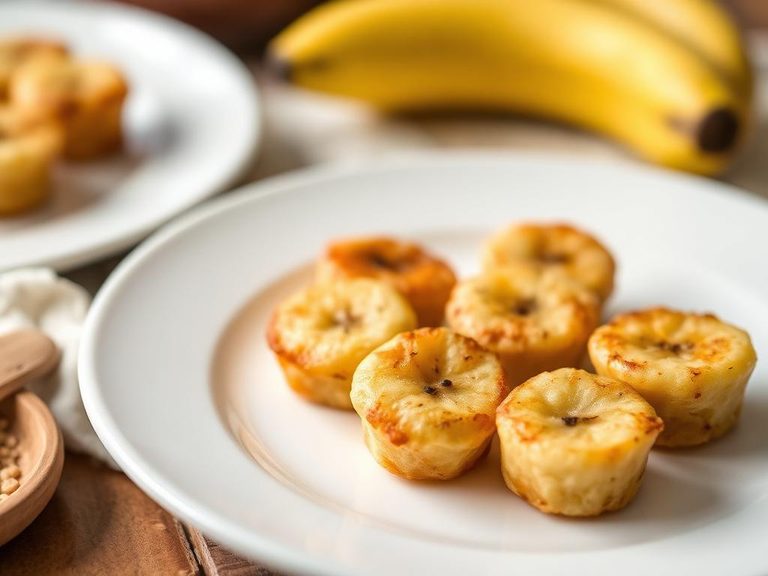
Baby's First Finger Food Snack refers to soft, bite-sized foods specifically prepared for infants who are transitioning to solid foods and learning to feed themselves. Common examples include steamed vegetable sticks (like sweet potato or carrot), soft fruit pieces (like banana or avocado), or small, dissolvable rice crackers. These snacks are designed to be easy for babies to grasp and safe for them to chew and swallow without choking.
🍽️ Nutrition at a glance
These snacks are typically low in fat and protein, with their primary nutrient being carbohydrates for energy. They are excellent sources of key vitamins and minerals like potassium, vitamin A, and vitamin C, depending on the ingredient, and generally have a low calorie count, often ranging from 30-80 kcal per small serving.
Nutrition breakdown
| Calories | 30 kcal |
| Protein | 0.5 g |
| Carbs | 7 g |
| Fat | 0 g |
| Fiber | 1 g |
| Sugar | 2 g |
| Sodium | 10 mg |
| Vitamin A | 450 mcg RAE |
| Potassium | 150 mg |
| Vitamin C | 5 mg |
| Manganese | 0.1 mg |
| Vitamin B6 | 0.05 mg |
| Niacin (B3) | 0.3 mg |
| Pantothenic Acid (B5) | 0.2 mg |
| Copper | 0.03 mg |
Per 1 small sweet potato stick (30 g) · estimated, varies by recipe
💡 What's interesting
Culturally, the introduction of finger foods is a significant milestone in many societies, marking a baby's growing independence. Nutritionally, these snacks are uniquely designed to support oral motor skill development and hand-eye coordination while providing essential nutrients for growth in a format that minimizes choking hazards.