Party finger food
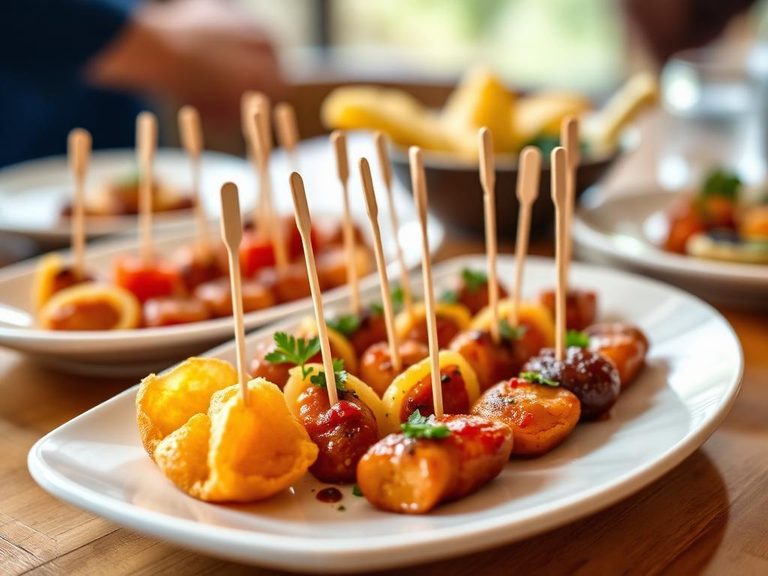
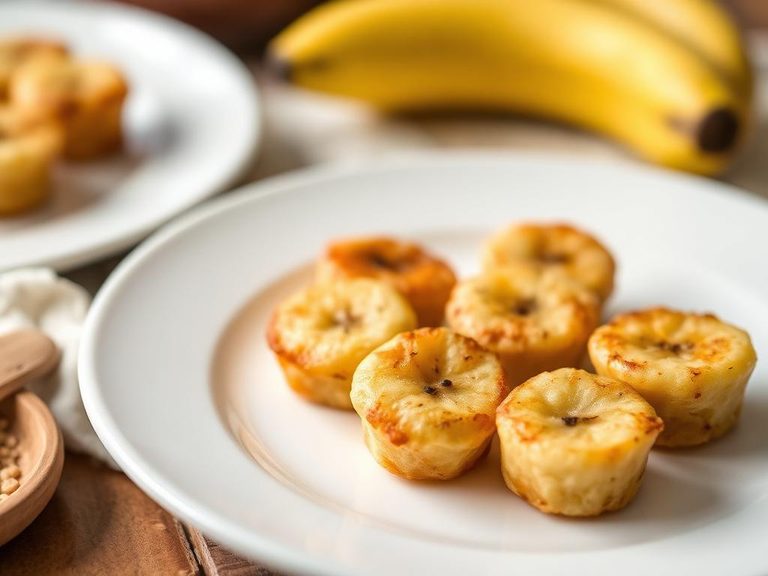
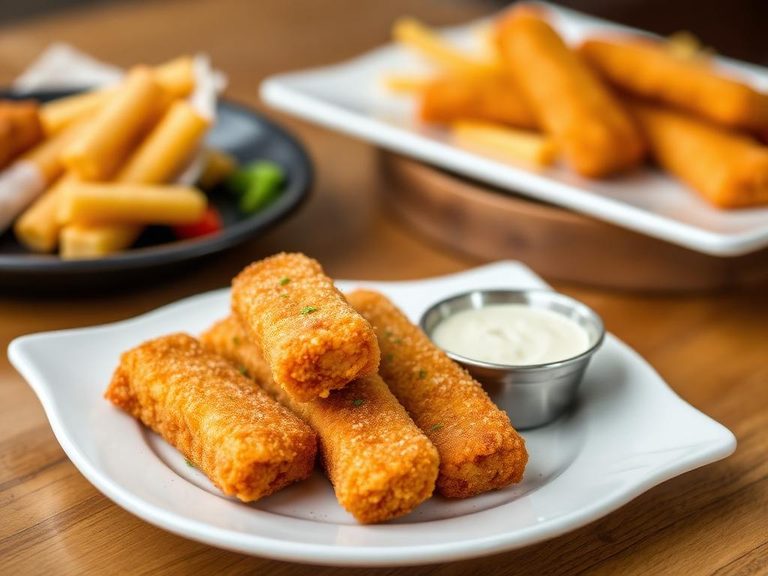
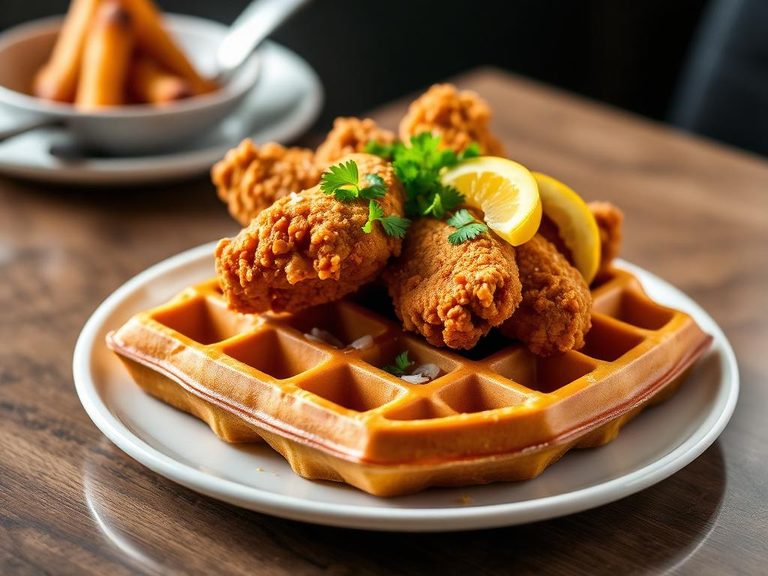
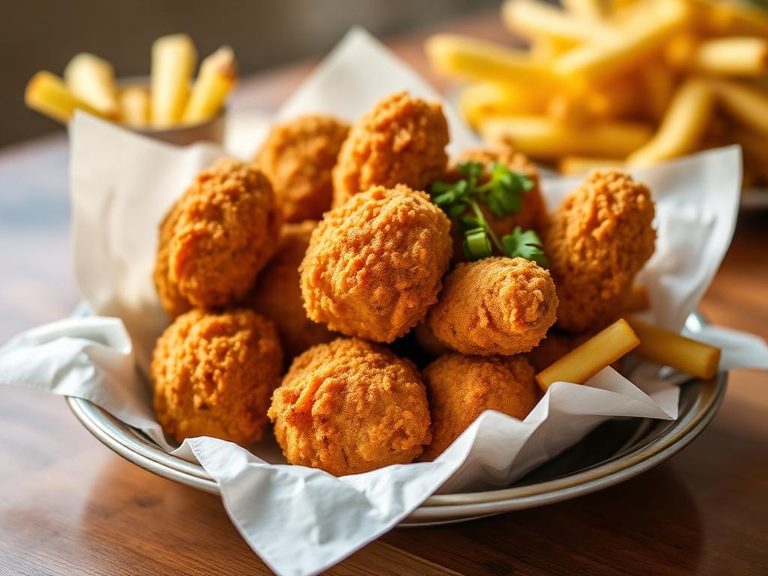
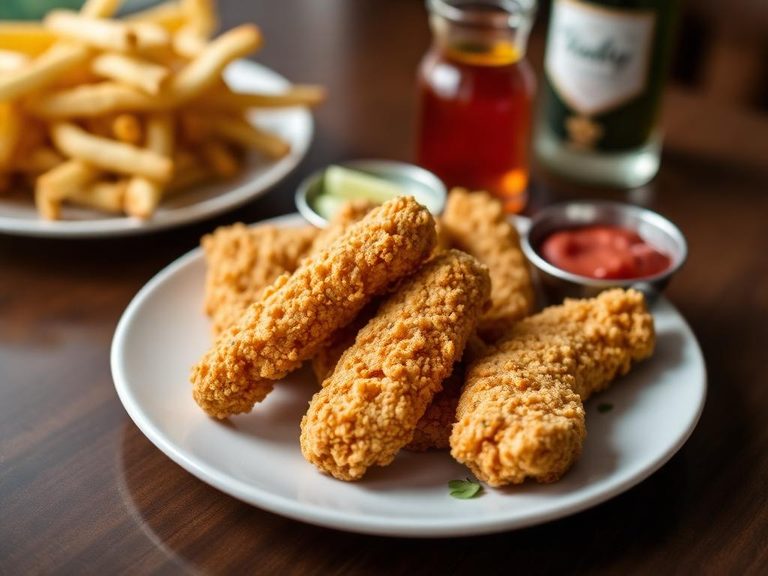
Party finger food refers to a wide variety of small, bite-sized appetizers or snacks designed to be eaten by hand at social gatherings. Common examples include mini quiches, bruschetta, spring rolls, sliders, and cheese platters, often featuring ingredients like cheese, cured meats, vegetables, bread, and dips. This style of eating is popular worldwide, from tapas in Spain to dim sum in China and antipasti in Italy.
🍽️ Nutrition at a glance
Party finger foods can vary widely in nutrition, but many are higher in fats and carbs due to ingredients like cheese, pastry, and bread, while protein content depends on the inclusion of meats or legumes. A typical serving of 3-4 pieces might range from 150 to 300 calories, often providing key nutrients like calcium from dairy or vitamins from vegetables.
Nutrition breakdown
| Calories | 450 kcal |
| Protein | 12 g |
| Carbs | 30 g |
| Fat | 32 g |
| Fiber | 2 g |
| Sugar | 4 g |
| Sodium | 900 mg |
| Potassium | 200 mg |
| Calcium | 80 mg |
| Iron | 1.5 mg |
| Vitamin A | 150 IU |
| Vitamin C | 5 mg |
| Vitamin D | 10 IU |
| Vitamin B12 | 0.5 mcg |
| Phosphorus | 120 mg |
Per 10 pieces (approx. 150 g) · estimated, varies by recipe
💡 What's interesting
Culturally, finger food reflects communal dining traditions that encourage social interaction and sharing, making it a staple at celebrations and casual meetups. Nutritionally, it offers a way to sample diverse foods in moderation, though mindful choices can balance indulgence with healthier options like veggie-based bites.