Baby-Led Weaning Finger Food
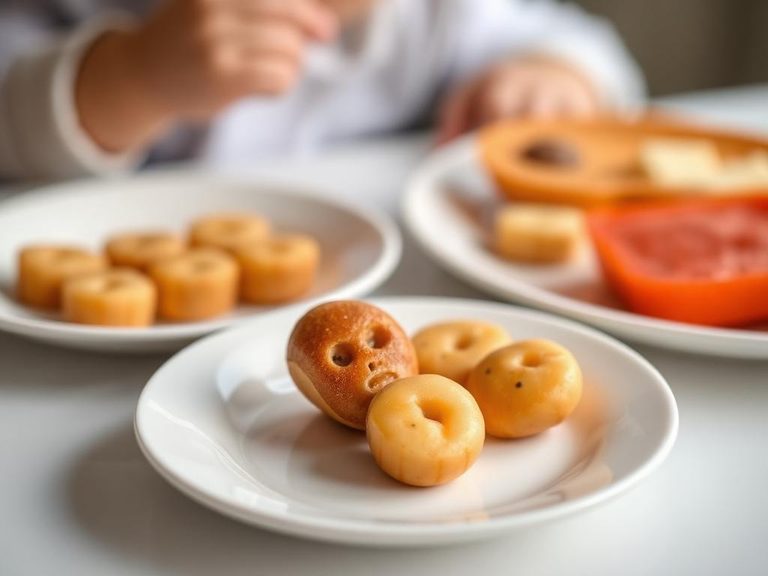
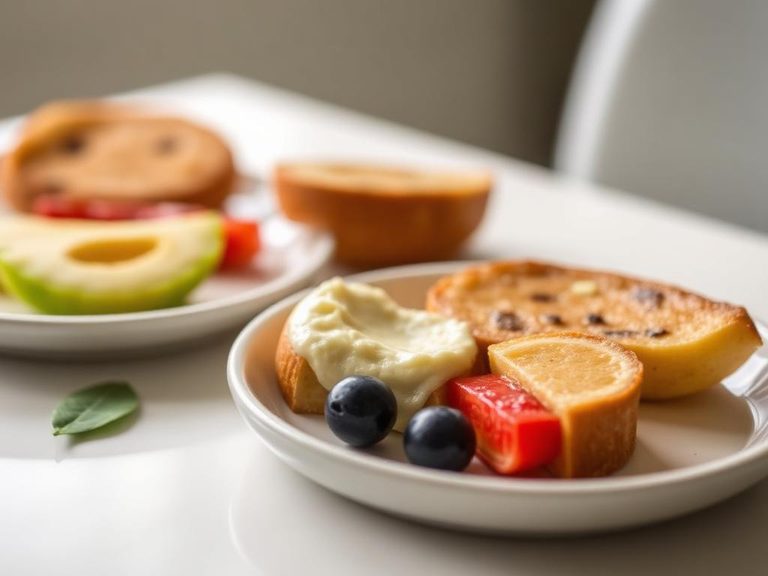
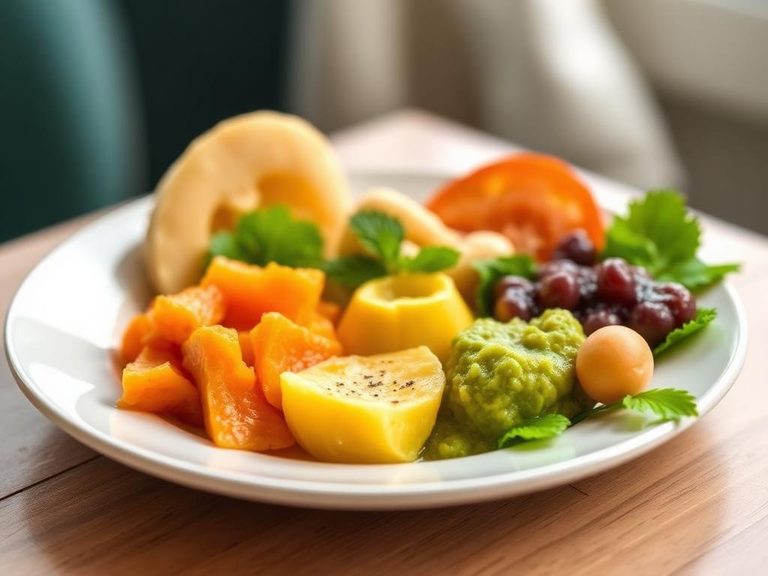
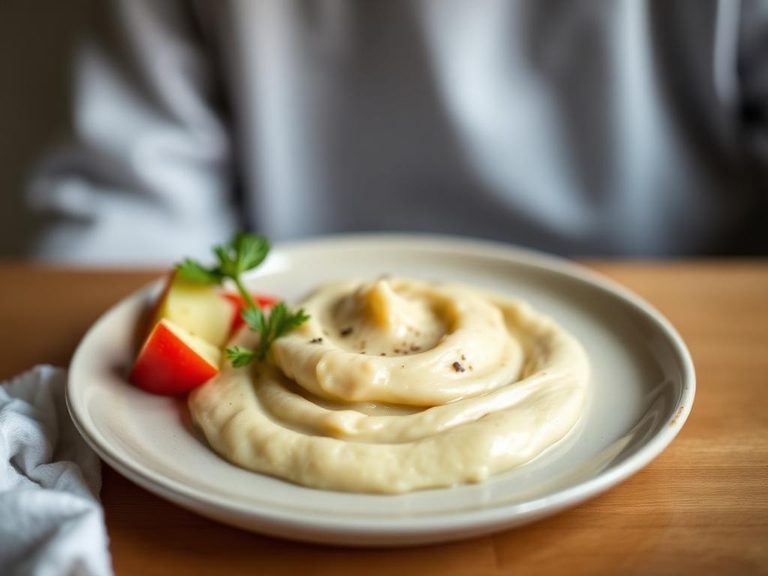
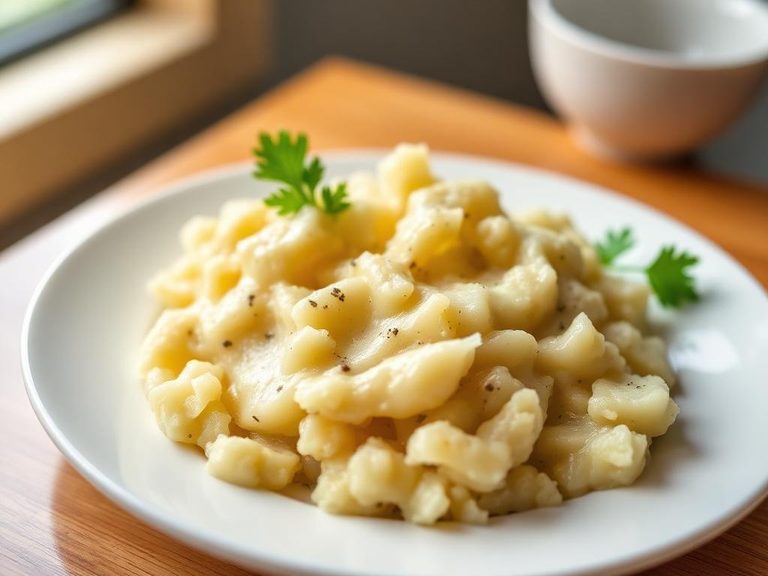
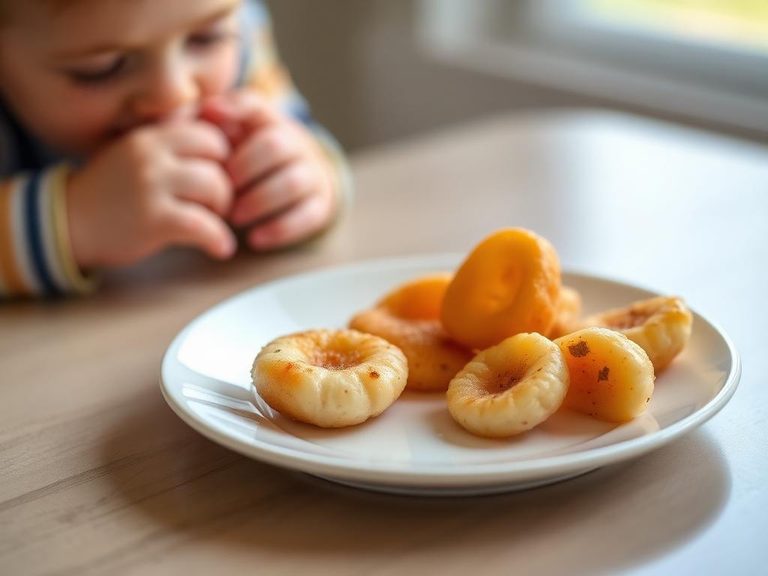
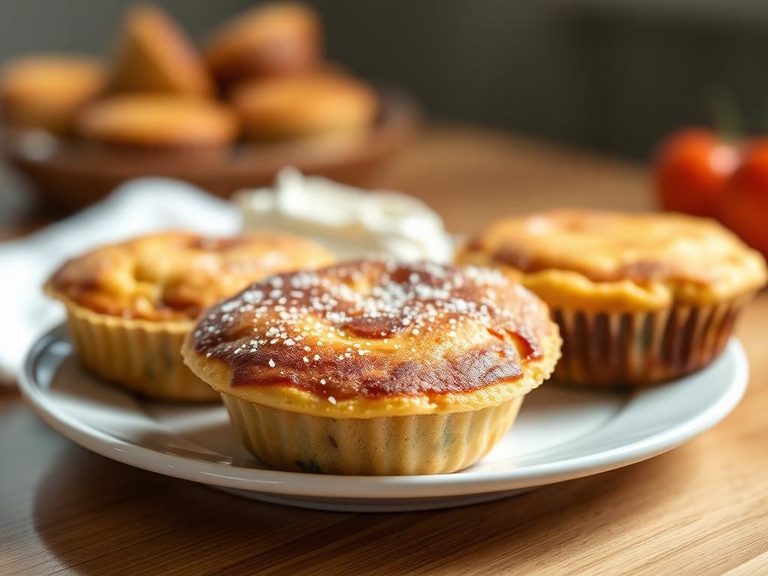
Baby-led weaning finger food refers to soft, graspable pieces of food offered to infants (typically 6+ months) to encourage self-feeding during the transition to solids. Common ingredients include steamed vegetables like sweet potato sticks or broccoli florets, soft fruits like banana or avocado, and tender proteins like shredded chicken or tofu. This approach originated in the UK and has gained global popularity as an alternative to traditional spoon-fed purées.
🍽️ Nutrition at a glance
These foods are typically balanced, providing a mix of carbohydrates for energy, healthy fats for brain development, and protein for growth. They are rich in key nutrients like iron, zinc, calcium, and vitamins A and C, with a rough calorie range of 50-150 kcal per small serving depending on the ingredient.
Nutrition breakdown
| Calories | 75 kcal |
| Protein | 2.5 g |
| Carbs | 10 g |
| Fat | 3 g |
| Fiber | 2 g |
| Sugar | 3 g |
| Sodium | 15 mg |
| Iron | 0.8 mg |
| Zinc | 0.4 mg |
| Calcium | 20 mg |
| Vitamin A | 150 mcg |
| Vitamin C | 5 mg |
| Potassium | 120 mg |
| Magnesium | 15 mg |
| Folate | 20 mcg |
Per 1 small piece (approx. 30 g) · estimated, varies by recipe
💡 What's interesting
Culturally, this method emphasizes infant autonomy and sensory exploration, aligning with child-led developmental philosophies. Nutritionally, it's unique because the foods are specifically chosen to be nutrient-dense and easy to grip, often prioritizing iron-rich options to meet an infant's critical needs after 6 months.