Baby-led weaning soft mash
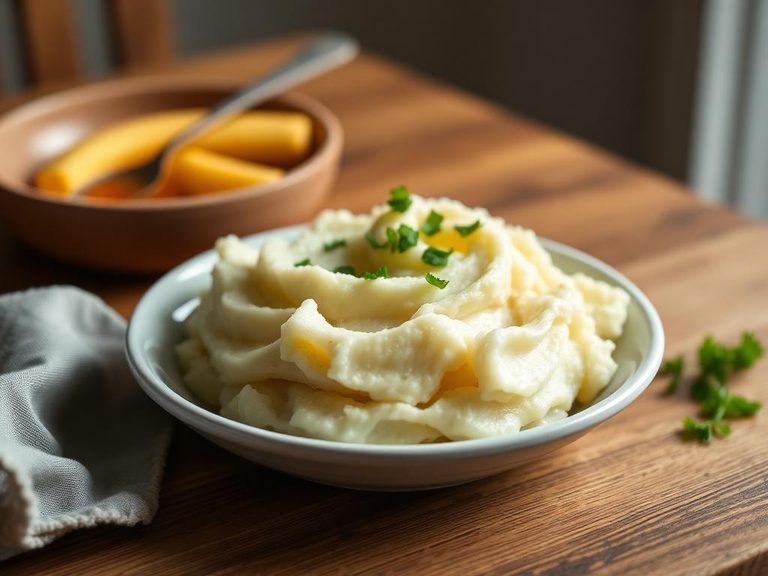
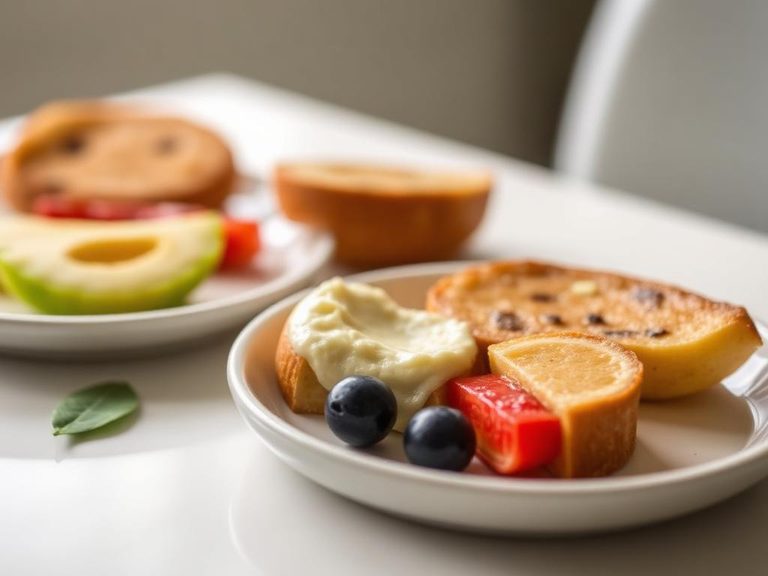
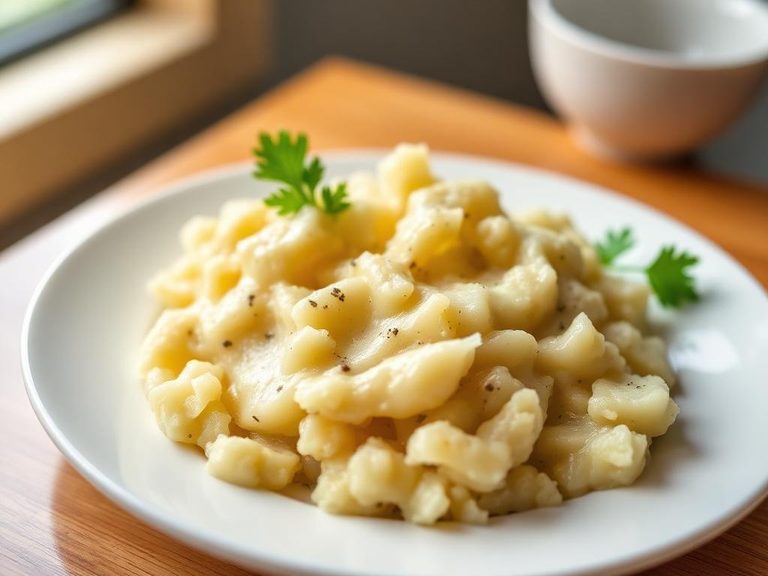
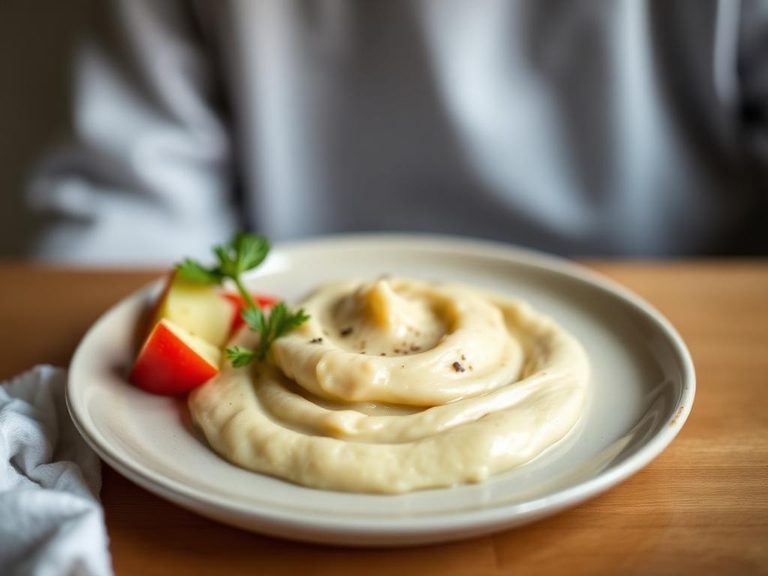
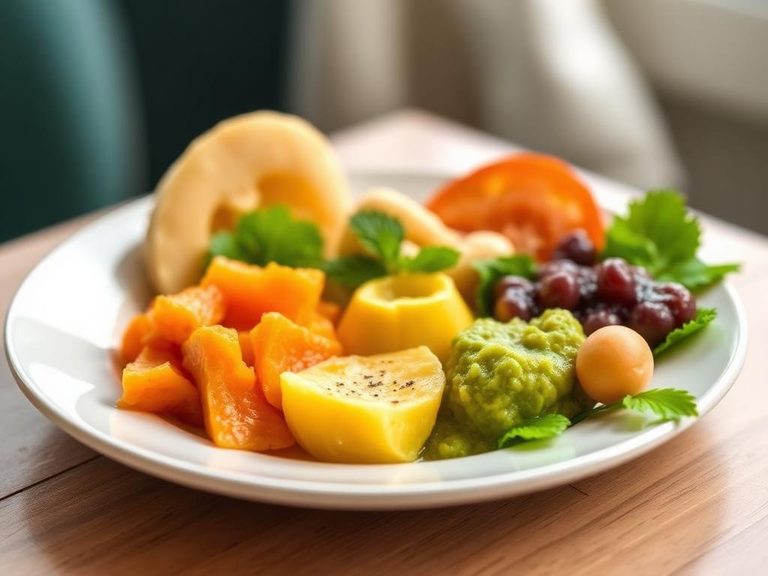
Baby-led weaning soft mash is a nutrient-dense, adaptable puree designed for infants transitioning to solid foods. It typically combines cooked vegetables like sweet potato or carrot with a soft base such as avocado or banana, and is often enriched with iron-rich ingredients like lentils or fortified cereals. This dish is a staple in modern infant feeding practices, popularized in Western countries but adaptable to local ingredients worldwide.
🍽️ Nutrition at a glance
This dish is generally well-balanced, providing complex carbohydrates for energy, healthy fats for brain development, and moderate plant-based protein. It is a rich source of key nutrients like iron, potassium, and vitamins A and C, with a typical serving ranging from 150-200 kcal.
Nutrition breakdown
| Calories | 175 kcal |
| Protein | 5 g |
| Carbs | 28 g |
| Fat | 6 g |
| Fiber | 5 g |
| Sugar | 6 g |
| Sodium | 40 mg |
| Iron | 2.5 mg |
| Vitamin A | 450 mcg RAE |
| Vitamin C | 15 mg |
| Potassium | 420 mg |
| Calcium | 60 mg |
| Zinc | 1.2 mg |
| Folate | 55 mcg |
| Vitamin B6 | 0.3 mg |
Per 1 cup (200 g) · estimated, varies by recipe
💡 What's interesting
Culturally, this dish represents a shift from traditional spoon-feeding to encouraging infant self-exploration of food textures and flavors. Nutritionally, its unique aspect is the intentional combination of iron and vitamin C sources (e.g., lentils with tomato) to enhance iron absorption, which is critical for growing babies.