

Cajun/Creole Spice Blends
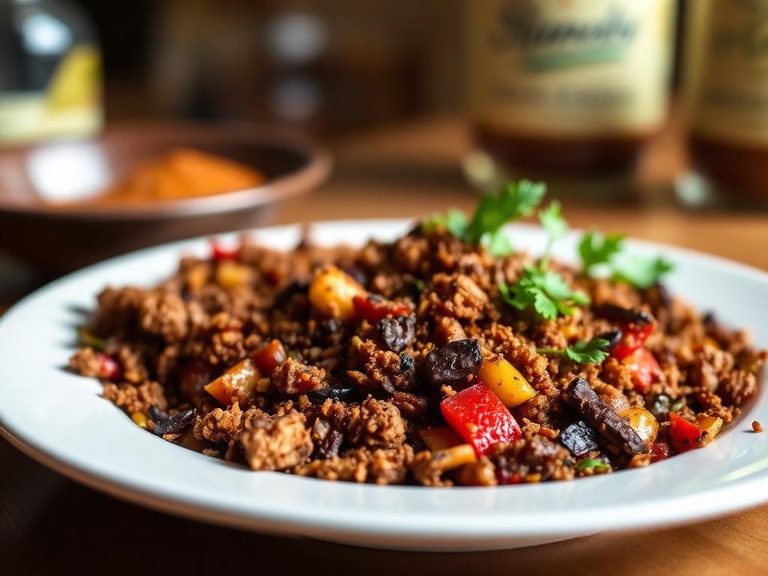
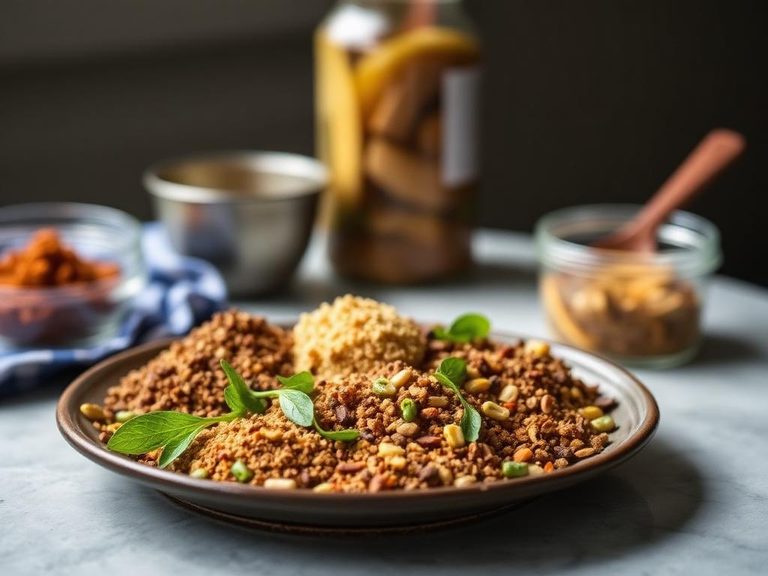
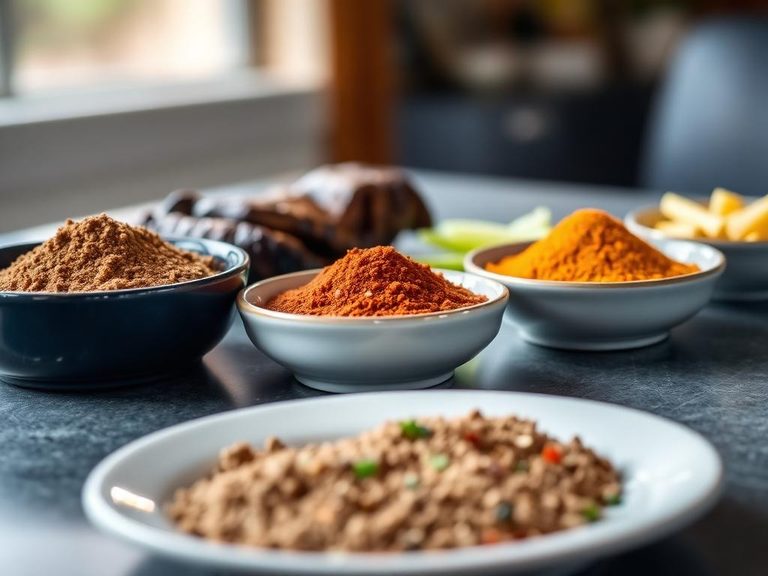
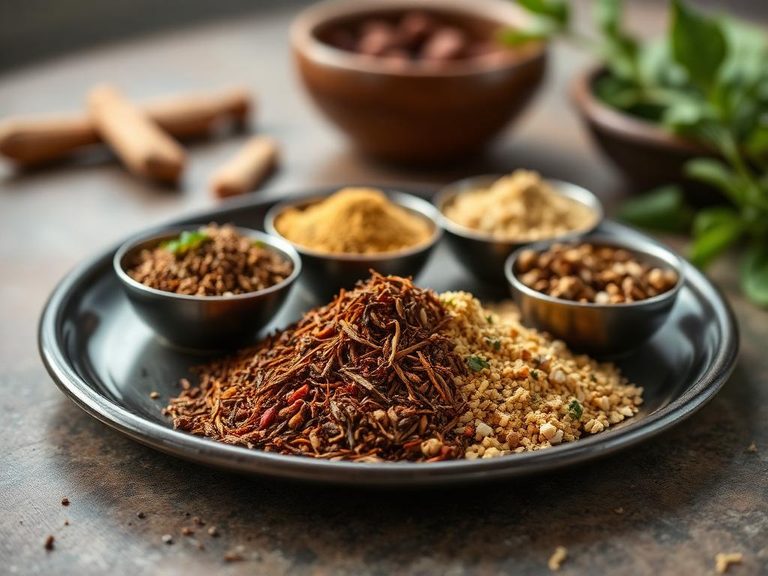
Cajun and Creole spice blends are foundational flavor profiles from Louisiana, USA, representing a fusion of French, African, Spanish, and Native American culinary traditions. While both use a base of paprika, cayenne, garlic powder, and black pepper, Cajun blends are typically bolder and spicier, while Creole blends are often more herbaceous and balanced. They are the essential seasoning for iconic dishes like gumbo, jambalaya, and blackened fish.
🍳 View the full Cajun/Creole Spice Blends recipe →
🍽️ Nutrition at a glance
As a dry seasoning blend, it is virtually calorie-free and provides no significant macronutrients (carbs, fat, or protein). Its primary nutritional contribution comes from antioxidants and anti-inflammatory compounds found in spices like paprika, garlic, and oregano, with sodium content varying widely depending on whether salt is included in the mix.
Nutrition breakdown
| Calories | 18 kcal |
| Protein | 0.5 g |
| Carbs | 3.5 g |
| Fat | 0.3 g |
| Fiber | 1.2 g |
| Sugar | 0.5 g |
| Sodium | 1800 mg |
| Iron | 1.2 mg |
| Calcium | 40 mg |
| Potassium | 85 mg |
| Magnesium | 15 mg |
| Vitamin A | 250 IU |
| Vitamin C | 2 mg |
| Manganese | 0.3 mg |
| Copper | 0.05 mg |
Per 1 tablespoon (6 g) · estimated, varies by recipe
💡 What's interesting
What makes these blends culturally unique is that they are the edible signature of Louisiana's complex history, with the 'holy trinity' (onion, celery, bell pepper) often serving as the fresh base to which the dry spices are added. Nutritionally, they are a powerful way to add immense flavor to dishes without relying on added fats or sugars, making them a cornerstone of flavorful, vegetable-forward cooking.
🍽️ Related dishes


AI estimate may be inaccurate · Terms