

Caribou
Common food

Photo: Wikipedia
Caribou is the lean, rich meat of the Arctic reindeer, prized for its deep, slightly sweet flavor reminiscent of venison but with a more delicate, less gamey profile. Its texture is fine-grained and tender when cooked properly, often compared to premium beef but with a distinct wild character. Nutritionally, it is a protein powerhouse, delivering nearly 30 grams of high-quality protein per 100 grams with virtually no carbohydrates or sugar.
Calorie split: 75% protein · 0% carbs · 25% fat
↓ Full nutrition💚 Why it's loved
People cherish caribou for its clean, rich flavor that embodies the wild Arctic, offering a taste of tradition and connection to northern landscapes. Its versatility allows it to shine in everything from hearty stews to elegant roasts, making it a celebrated centerpiece in both rustic and refined cuisines.
⚠️ Watch-outs & how to enjoy it better
As a wild game meat, caribou can be lean and tough if overcooked, requiring careful preparation to avoid dryness. Those new to game meats might find its distinct flavor stronger than domestic meats, and it should be sourced responsibly to ensure sustainability. To counteract toughness, marinate the meat or cook it using moist-heat methods like braising, and pair it with rich fats or sauces to enhance juiciness and mellow its flavor.
Key benefits
- Exceptionally high in lean protein for muscle maintenance and satiety.
- Naturally very low in carbohydrates and sugar.
- Contains iron, zinc, and B vitamins like B12 and niacin.
- Source of omega-3 fatty acids, particularly from wild diets.
- Leaner than many domestic red meats like beef or lamb.
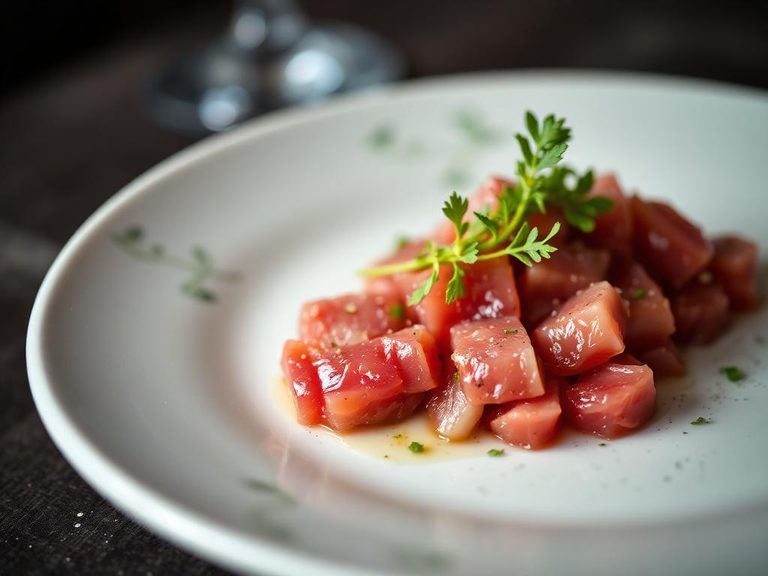
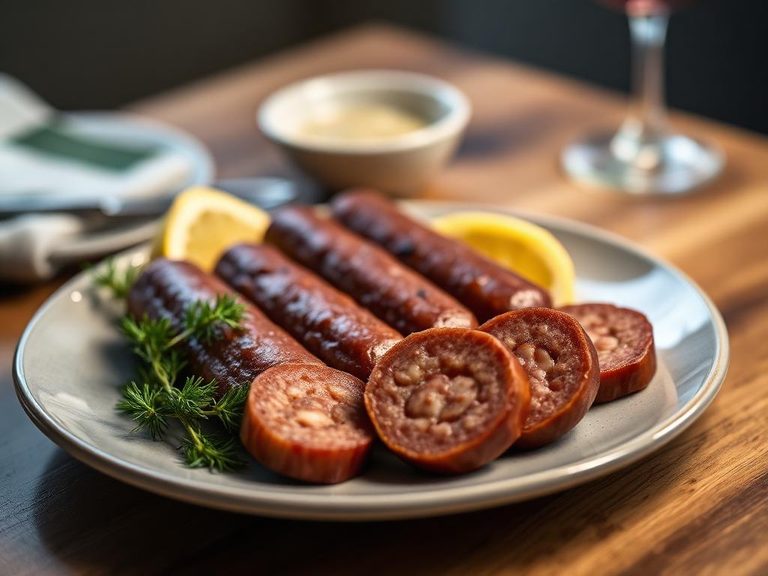
🍽️ Popular dishes
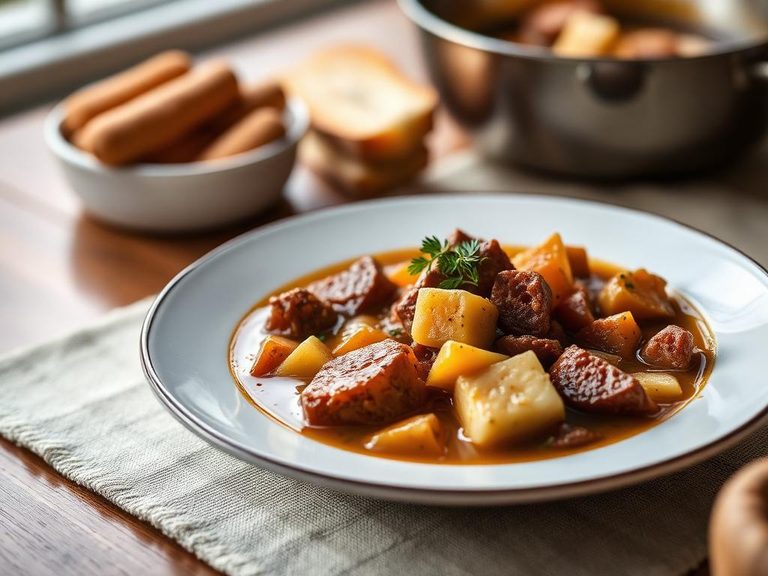
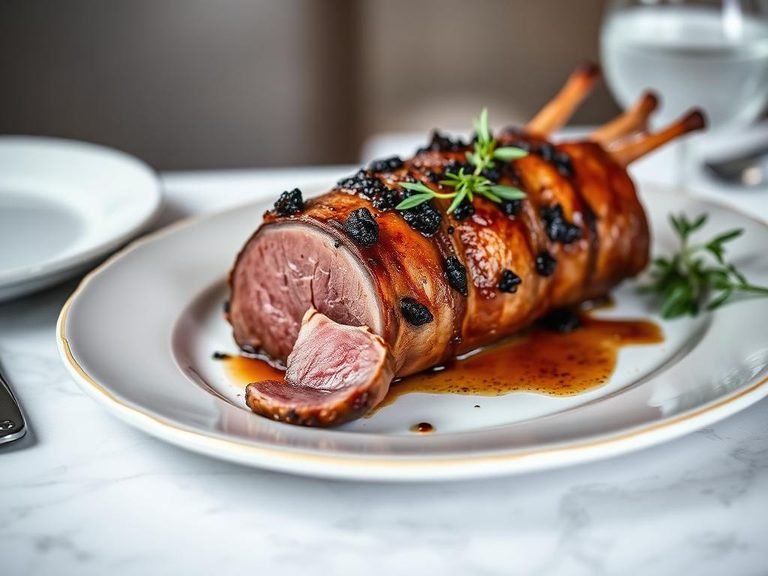
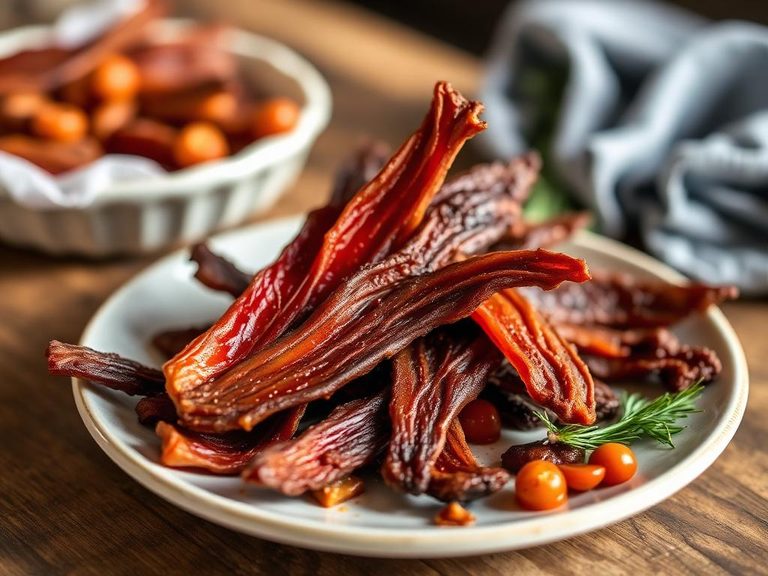
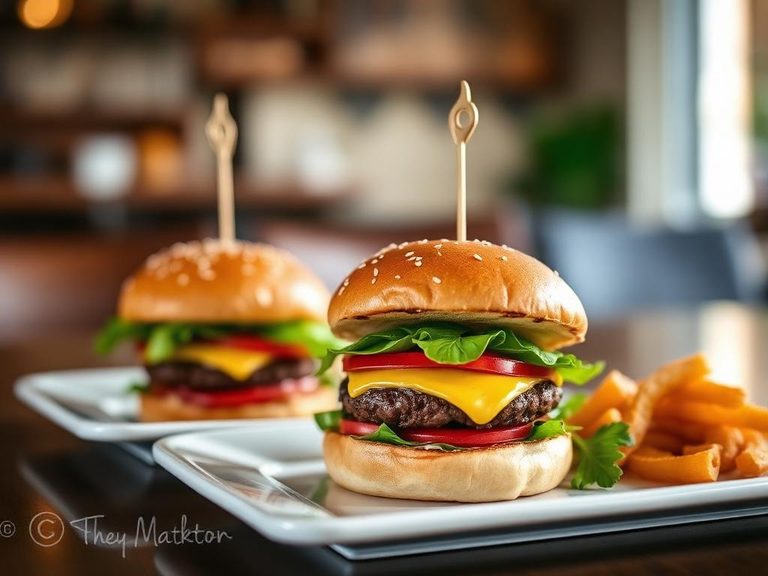
🌍 Where it's eaten
💡 Did you know?
Caribou and reindeer are the same species (Rangifer tarandus), but in North America, the wild animals are called caribou while the domesticated ones are called reindeer.
Full nutrition (USDA data · scales with serving)
| Water | 61.9 g |
| Energy | 166 kcal |
| Protein | 29.5 g |
| Total lipid (fat) | 4.4 g |
| Carbohydrate, by difference | 0.00 g |
| Fiber, total dietary | 0.00 g |
| Total Sugars | 0.00 g |
| Calcium, Ca | 22.0 mg |
| Iron, Fe | 6.1 mg |
| Magnesium, Mg | 27.0 mg |
| Phosphorus, P | 231 mg |
| Potassium, K | 308 mg |
| Sodium, Na | 367 mg |
| Zinc, Zn | 5.2 mg |
| Copper, Cu | 0.26 mg |
| Selenium, Se | 13.5 ug |
| Vitamin C, total ascorbic acid | 3.0 mg |
| Thiamin | 0.25 mg |
| Riboflavin | 0.89 mg |
| Niacin | 5.7 mg |
| Vitamin B-6 | 0.32 mg |
| Folate, total | 5.0 ug |
| Folic acid | 0.00 ug |
| Folate, food | 5.0 ug |
| Folate, DFE | 5.0 ug |
| Choline, total | 122 mg |
| Vitamin B-12 | 6.6 ug |
| Vitamin B-12, added | 0.00 ug |
| Vitamin A, RAE | 0.00 ug |
| Retinol | 0.00 ug |
| Carotene, beta | 0.00 ug |
| Carotene, alpha | 0.00 ug |
| Cryptoxanthin, beta | 0.00 ug |
| Lycopene | 0.00 ug |
| Lutein + zeaxanthin | 0.00 ug |
| Vitamin E (alpha-tocopherol) | 0.40 mg |
| Vitamin E, added | 0.00 mg |
| Vitamin D (D2 + D3) | 0.00 ug |
| Vitamin K (phylloquinone) | 1.4 ug |
| Alcohol, ethyl | 0.00 g |
| Caffeine | 0.00 mg |
| Theobromine | 0.00 mg |
Fat & fatty acid profile (per 100g)
| Fatty acids, total saturated | 1.7 g |
| SFA 4:0 | 0.00 g |
| SFA 6:0 | 0.00 g |
| SFA 8:0 | 0.00 g |
| SFA 10:0 | 0.00 g |
| SFA 12:0 | 0.00 g |
| SFA 14:0 | 0.12 g |
| SFA 16:0 | 0.88 g |
| SFA 18:0 | 0.58 g |
| Fatty acids, total monounsaturated | 1.3 g |
| MUFA 16:1 | 0.11 g |
| MUFA 18:1 | 1.2 g |
| MUFA 20:1 | 0.00 g |
| MUFA 22:1 | 0.00 g |
| Fatty acids, total polyunsaturated | 0.61 g |
| PUFA 18:2 | 0.31 g |
| PUFA 18:3 | 0.03 g |
| PUFA 18:4 | 0.00 g |
| PUFA 20:4 | 0.18 g |
| PUFA 20:5 n-3 (EPA) | 0.00 g |
| PUFA 22:5 n-3 (DPA) | 0.03 g |
| PUFA 22:6 n-3 (DHA) | 0.06 g |
| Cholesterol | 108 mg |
Amino acid profile (per 100g)
Estimated from Game meat, caribou, raw — USDA does not publish this profile for Caribou.
| Tryptophan | 0.35 g |
| Threonine | 0.97 g |
| Isoleucine | 1.0 g |
| Leucine | 1.9 g |
| Lysine | 2.0 g |
| Methionine | 0.51 g |
| Cystine | 0.16 g |
| Phenylalanine | 1.0 g |
| Tyrosine | 0.74 g |
| Valine | 1.1 g |
| Arginine | 1.3 g |
| Histidine | 0.90 g |
| Alanine | 1.2 g |
| Aspartic acid | 2.0 g |
| Glutamic acid | 3.6 g |
| Glycine | 0.95 g |
| Proline | 0.70 g |
| Serine | 0.80 g |
FAQ
What does caribou taste like compared to beef?
Caribou has a richer, slightly sweeter and more complex flavor than beef, with a hint of earthiness or gaminess, but it is generally milder than other game meats like venison. Its texture is finer and leaner.
How should I cook caribou to keep it tender?
Due to its low fat content, caribou is best cooked quickly to medium-rare for steaks or using moist-heat methods like braising or stewing for tougher cuts. Marinating can also help tenderize it.
Is caribou meat sustainable to eat?
Sustainability depends heavily on the source. Caribou from well-managed herds in Canada, Alaska, or Scandinavia can be a sustainable choice, but it's important to check for certifications or buy from reputable suppliers that follow conservation practices.
Nutrient density (calculated · NRF9.3)
Nutrient Rich Foods index: beneficial nutrients (protein, fiber, vitamins, minerals) minus saturated fat, added sugar & sodium, per 100 kcal.
NRF9.3 index — Fulgoni, Keast & Drewnowski, 2009. Computed from USDA nutrients.
Weight-loss friendliness (composite index)
Energy density 1.66 kcal/g · 71% calories from protein · 0.0 g fiber · 0.0 g sugar per 100 g.
Composite of energy density (Rolls et al., 1999), protein & fiber satiety, minus sugar. A calculated heuristic — ranks satiety-per-calorie, not a clinical measure.
Dietary load (calculated from USDA values)
Potential renal acid load. Positive = acid-forming, negative = alkaline-forming.
Sodium-to-potassium ratio: 1.19 (lower is better — aim for ≤ 1)
Sodium:potassium per WHO potassium guidance. Computed from USDA nutrients.