

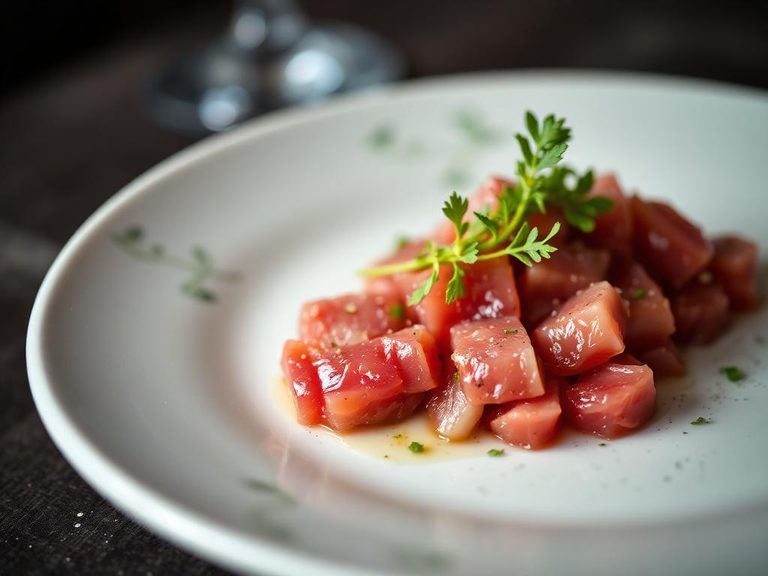
Game meat, caribou, raw
Whole food · Lamb, Veal, and Game Products

Photo: Wikipedia
Caribou meat is a lean, deeply flavored wild game, prized for its tender texture and subtle sweetness reminiscent of venison. With a strikingly high protein content and virtually no carbohydrates, it offers a powerful, nutrient-dense meal that is both hearty and clean. Its deep red hue and rich, earthy taste make it a standout in hearty, rustic dishes.
Calorie split: 75% protein · 0% carbs · 25% fat
↓ Full nutrition💚 Why it's loved
People love caribou for its unique, rich flavor that is less gamey than venison but more complex than beef, often described as sweet and earthy. Its versatility in both traditional Indigenous recipes and modern gourmet preparations makes it a cherished ingredient across cultures.
⚠️ Watch-outs & how to enjoy it better
The primary downside is its leanness, which can lead to dryness if overcooked; it requires careful preparation like slow braising or marinating. Its strong flavor may not appeal to those accustomed to milder meats, and it can be difficult to source outside of specific regions. To counteract dryness, cook it low and slow or pair it with a flavorful sauce or fat like butter or bacon.
Key benefits
- Exceptionally high in protein for muscle repair and satiety
- Very low in fat and carbohydrates, ideal for low-carb diets
- Rich in iron and B vitamins, supporting energy and red blood cell health
- A sustainable, wild-harvested protein source
- Naturally free from added hormones and antibiotics
🍽️ Popular dishes
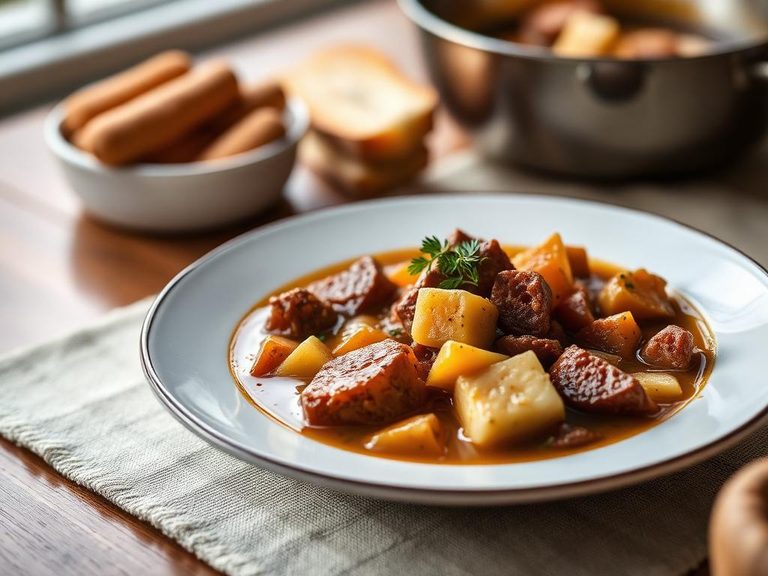
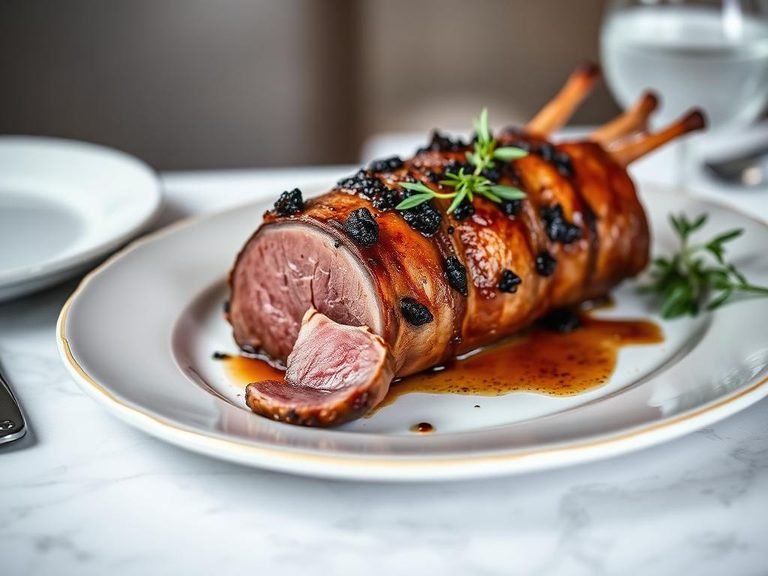
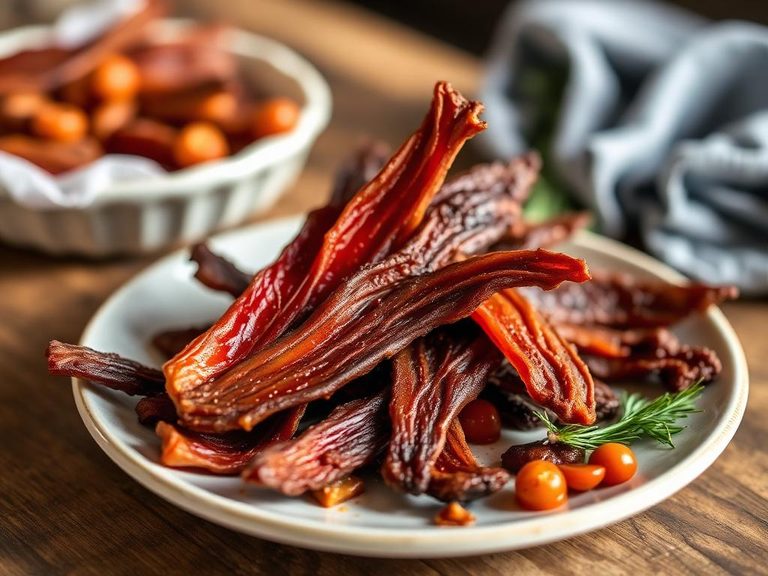
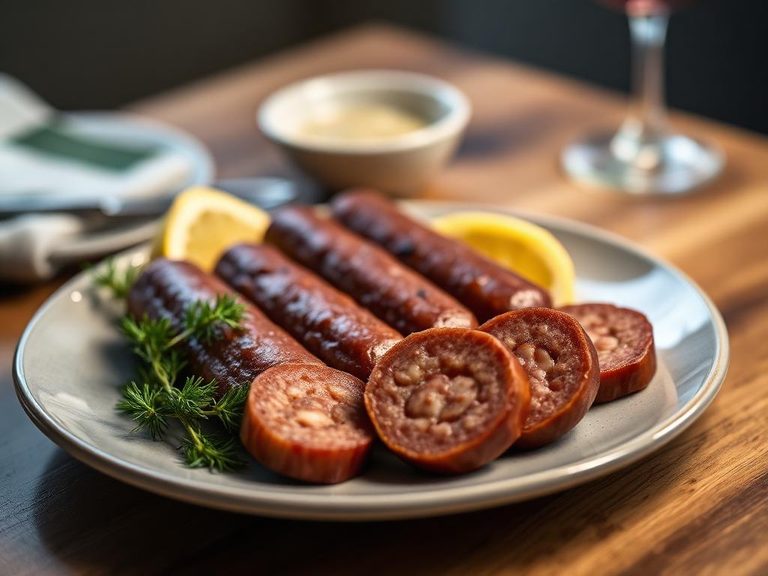
🌍 Where it's eaten
💡 Did you know?
Caribou and reindeer are the same species (Rangifer tarandus), but caribou is the term used for the wild populations in North America.
Full nutrition (USDA data · scales with serving)
| Water | 71.5 g |
| Energy | 127 kcal |
| Energy | 531 kj |
| Protein | 22.6 g |
| Total lipid (fat) | 3.4 g |
| Ash | 1.1 g |
| Carbohydrate, by difference | 0.00 g |
| Fiber, total dietary | 0.00 g |
| Calcium, Ca | 17.0 mg |
| Iron, Fe | 4.7 mg |
| Magnesium, Mg | 26.0 mg |
| Phosphorus, P | 208 mg |
| Potassium, K | 295 mg |
| Sodium, Na | 57.0 mg |
| Zinc, Zn | 4.0 mg |
| Copper, Cu | 0.22 mg |
| Manganese, Mn | 0.08 mg |
| Selenium, Se | 10.2 ug |
| Vitamin C, total ascorbic acid | 0.00 mg |
| Thiamin | 0.32 mg |
| Riboflavin | 0.72 mg |
| Niacin | 5.5 mg |
| Pantothenic acid | 2.5 mg |
| Vitamin B-6 | 0.37 mg |
| Folate, total | 4.0 ug |
| Folic acid | 0.00 ug |
| Folate, food | 4.0 ug |
| Folate, DFE | 4.0 ug |
| Vitamin B-12 | 6.3 ug |
| Vitamin A, RAE | 0.00 ug |
| Retinol | 0.00 ug |
| Vitamin A, IU | 0.00 iu |
Fat & fatty acid profile (per 100g)
| Fatty acids, total saturated | 1.3 g |
| SFA 14:0 | 0.09 g |
| SFA 16:0 | 0.68 g |
| SFA 18:0 | 0.45 g |
| Fatty acids, total monounsaturated | 1.0 g |
| MUFA 16:1 | 0.08 g |
| MUFA 18:1 | 0.93 g |
| Fatty acids, total polyunsaturated | 0.47 g |
| PUFA 18:2 | 0.23 g |
| PUFA 18:3 | 0.03 g |
| PUFA 20:4 | 0.14 g |
| PUFA 22:5 n-3 (DPA) | 0.02 g |
| PUFA 22:6 n-3 (DHA) | 0.05 g |
| Cholesterol | 83.0 mg |
Amino acid profile (per 100g)
| Tryptophan | 0.35 g |
| Threonine | 0.97 g |
| Isoleucine | 1.0 g |
| Leucine | 1.9 g |
| Lysine | 2.0 g |
| Methionine | 0.51 g |
| Cystine | 0.16 g |
| Phenylalanine | 1.0 g |
| Tyrosine | 0.74 g |
| Valine | 1.1 g |
| Arginine | 1.3 g |
| Histidine | 0.90 g |
| Alanine | 1.2 g |
| Aspartic acid | 2.0 g |
| Glutamic acid | 3.6 g |
| Glycine | 0.95 g |
| Proline | 0.70 g |
| Serine | 0.80 g |
FAQ
Is caribou meat the same as reindeer?
Yes, caribou and reindeer are the same species (Rangifer tarandus). The term 'caribou' is used for wild populations in North America, while 'reindeer' typically refers to domesticated or semi-domesticated populations in Europe and Asia.
How should I cook caribou to keep it tender?
Due to its low fat content, caribou is best cooked using moist heat methods like braising, stewing, or slow roasting. Marinating beforehand can also help retain moisture and enhance flavor.
What does caribou meat taste like?
Caribou has a rich, earthy flavor that is often described as a cross between beef and venison, with a subtle sweetness. It is leaner than beef and has a slightly gamey taste, but it is less intense than other wild game.
Nutrient density (calculated · NRF9.3)
Nutrient Rich Foods index: beneficial nutrients (protein, fiber, vitamins, minerals) minus saturated fat, added sugar & sodium, per 100 kcal.
NRF9.3 index — Fulgoni, Keast & Drewnowski, 2009. Computed from USDA nutrients.
Weight-loss friendliness (composite index)
Energy density 1.27 kcal/g · 71% calories from protein · 0.0 g fiber · 0.0 g sugar per 100 g.
Composite of energy density (Rolls et al., 1999), protein & fiber satiety, minus sugar. A calculated heuristic — ranks satiety-per-calorie, not a clinical measure.
Dietary load (calculated from USDA values)
Potential renal acid load. Positive = acid-forming, negative = alkaline-forming.
Sodium-to-potassium ratio: 0.19 (lower is better — aim for ≤ 1)
Sodium:potassium per WHO potassium guidance. Computed from USDA nutrients.