

Candies, hard
Whole food · Sweets

Photo: Wikipedia
Hard candy is a translucent, glassy confection made by boiling sugar syrup to the 'hard crack' stage, then cooling it into a solid, brittle form. It shatters with a satisfying snap, dissolving slowly on the tongue to release intense, often fruit or mint, flavors. Nutritionally, it is almost pure carbohydrate, providing a quick burst of energy with virtually no protein, fat, or fiber.
Calorie split: 0% protein · 100% carbs · 0% fat
↓ Full nutrition💚 Why it's loved
People love hard candy for its intense, pure flavor and the satisfying ritual of slow dissolution, which can be a comforting, nostalgic experience. Its vast variety—from classic fruit drops to spicy cinnamon and herbal lozenges—makes it a versatile treat for any palate or occasion.
⚠️ Watch-outs & how to enjoy it better
Its primary downside is the high concentration of simple sugars, which can cause rapid blood-sugar spikes and contribute to dental cavities. Those managing diabetes or watching caloric intake should exercise strict portion control. To mitigate, enjoy a single piece after a balanced meal containing protein and fat to slow sugar absorption, and rinse your mouth with water afterward.
Key benefits
- Provides a quick source of glucose for immediate energy.
- Long shelf life due to extremely low moisture content.
- Can help soothe a dry throat or suppress a cough (sugar coating).
- Offers a wide variety of flavors for sensory enjoyment.
- Portable and non-perishable, ideal for travel or emergencies.
🍽️ Popular dishes
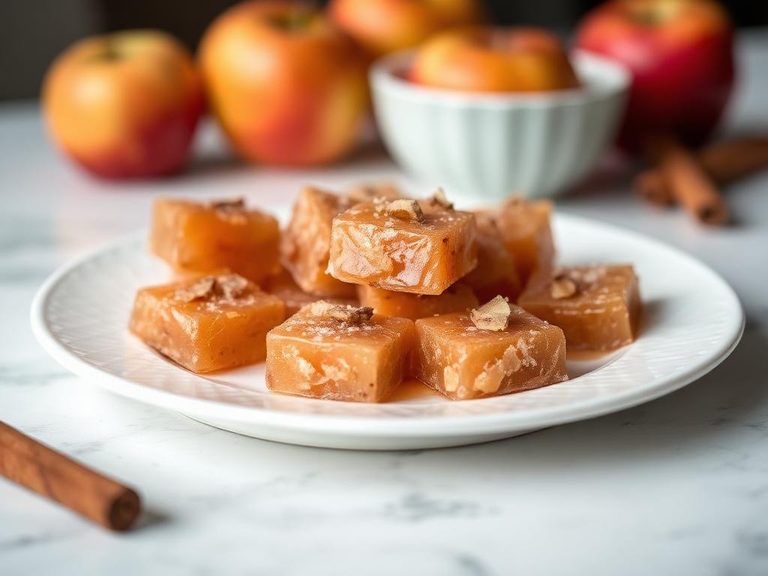
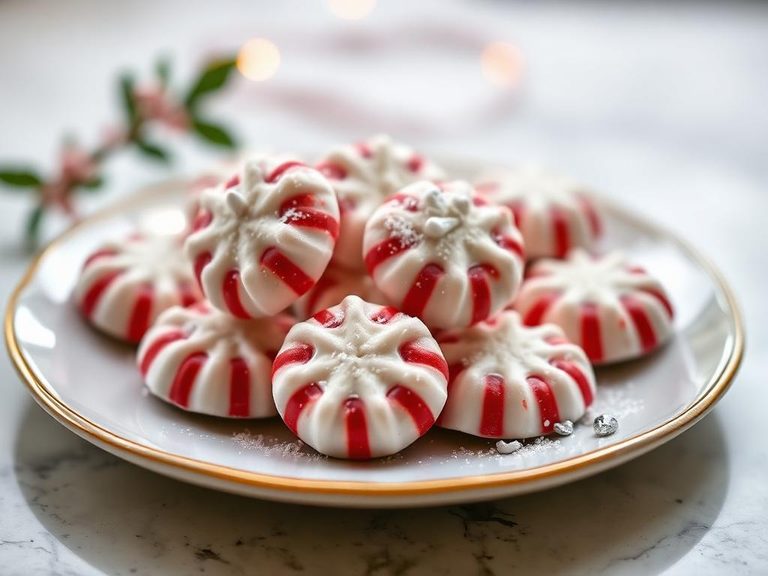
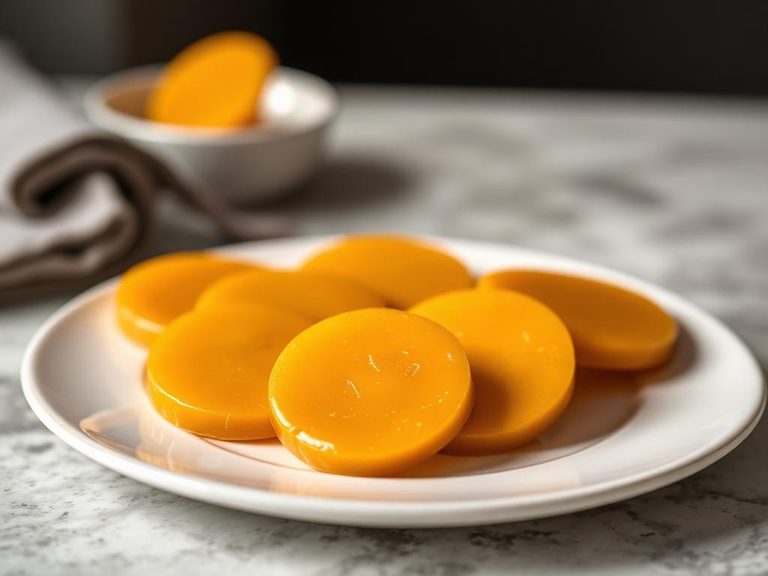
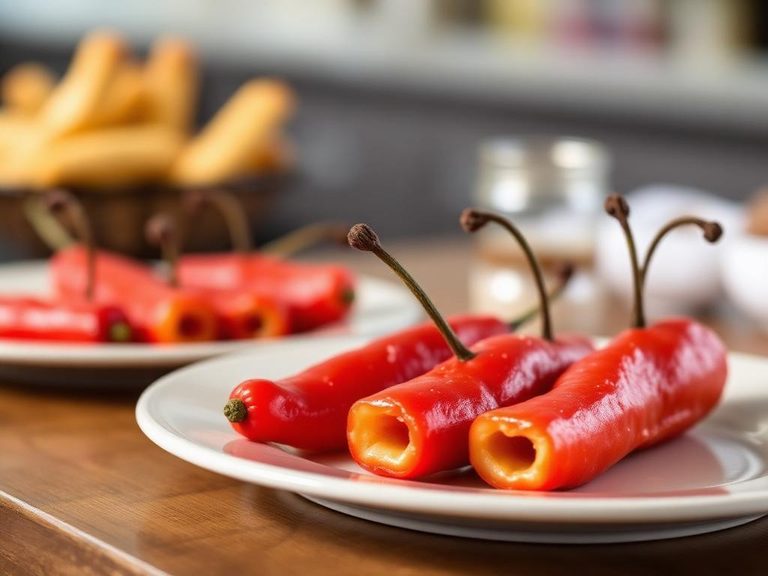
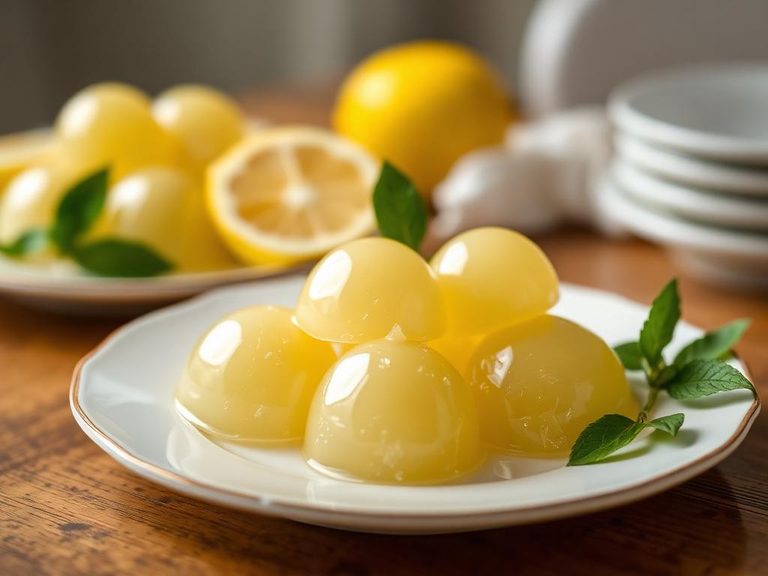
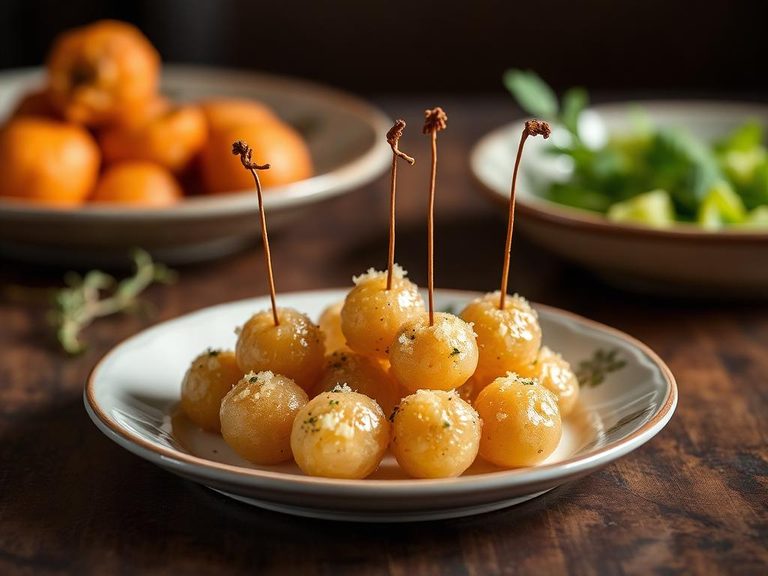
🌍 Where it's eaten
💡 Did you know?
The 'hard crack' stage of sugar cooking, essential for hard candy, is reached at 300–310°F (149–154°C), where the sugar syrup becomes completely brittle and glassy when cooled.
Full nutrition (USDA data · scales with serving)
| Water | 1.3 g |
| Energy | 394 kcal |
| Energy | 1648 kj |
| Protein | 0.00 g |
| Total lipid (fat) | 0.20 g |
| Ash | 0.50 g |
| Carbohydrate, by difference | 98.0 g |
| Fiber, total dietary | 0.00 g |
| Total Sugars | 62.9 g |
| Calcium, Ca | 3.0 mg |
| Iron, Fe | 0.30 mg |
| Magnesium, Mg | 3.0 mg |
| Phosphorus, P | 3.0 mg |
| Potassium, K | 5.0 mg |
| Sodium, Na | 38.0 mg |
| Zinc, Zn | 0.01 mg |
| Copper, Cu | 0.03 mg |
| Manganese, Mn | 0.01 mg |
| Selenium, Se | 0.60 ug |
| Vitamin C, total ascorbic acid | 0.00 mg |
| Thiamin | 0.00 mg |
| Riboflavin | 0.00 mg |
| Niacin | 0.01 mg |
| Pantothenic acid | 0.01 mg |
| Vitamin B-6 | 0.00 mg |
| Folate, total | 0.00 ug |
| Folic acid | 0.00 ug |
| Folate, food | 0.00 ug |
| Folate, DFE | 0.00 ug |
| Choline, total | 0.00 mg |
| Vitamin B-12 | 0.00 ug |
| Vitamin B-12, added | 0.00 ug |
| Vitamin A, RAE | 0.00 ug |
| Retinol | 0.00 ug |
| Carotene, beta | 0.00 ug |
| Carotene, alpha | 0.00 ug |
| Cryptoxanthin, beta | 0.00 ug |
| Vitamin A, IU | 0.00 iu |
| Lycopene | 0.00 ug |
| Lutein + zeaxanthin | 0.00 ug |
| Vitamin E (alpha-tocopherol) | 0.00 mg |
| Vitamin E, added | 0.00 mg |
| Vitamin D (D2 + D3), International Units | 0.00 iu |
| Vitamin D (D2 + D3) | 0.00 ug |
| Vitamin K (phylloquinone) | 0.00 ug |
| Alcohol, ethyl | 0.00 g |
| Caffeine | 0.00 mg |
| Theobromine | 0.00 mg |
Fat & fatty acid profile (per 100g)
| Fatty acids, total saturated | 0.00 g |
| SFA 4:0 | 0.00 g |
| SFA 6:0 | 0.00 g |
| SFA 8:0 | 0.00 g |
| SFA 10:0 | 0.00 g |
| SFA 12:0 | 0.00 g |
| SFA 14:0 | 0.00 g |
| SFA 16:0 | 0.00 g |
| SFA 18:0 | 0.00 g |
| Fatty acids, total monounsaturated | 0.00 g |
| MUFA 16:1 | 0.00 g |
| MUFA 18:1 | 0.00 g |
| MUFA 20:1 | 0.00 g |
| MUFA 22:1 | 0.00 g |
| Fatty acids, total polyunsaturated | 0.00 g |
| PUFA 18:2 | 0.00 g |
| PUFA 18:3 | 0.00 g |
| PUFA 18:4 | 0.00 g |
| PUFA 20:4 | 0.00 g |
| PUFA 20:5 n-3 (EPA) | 0.00 g |
| PUFA 22:5 n-3 (DPA) | 0.00 g |
| PUFA 22:6 n-3 (DHA) | 0.00 g |
| Cholesterol | 0.00 mg |
Amino acid profile (per 100g)
Estimated from Candies, honey-combed, with peanut butter — USDA does not publish this profile for Candies.
| Tryptophan | 0.09 g |
| Threonine | 0.21 g |
| Isoleucine | 0.24 g |
| Leucine | 0.61 g |
| Lysine | 0.27 g |
| Methionine | 0.10 g |
| Cystine | 0.09 g |
| Phenylalanine | 0.47 g |
| Tyrosine | 0.33 g |
| Valine | 0.31 g |
| Arginine | 1.1 g |
| Histidine | 0.22 g |
| Alanine | 0.36 g |
| Aspartic acid | 1.2 g |
| Glutamic acid | 2.0 g |
| Glycine | 0.56 g |
| Proline | 0.55 g |
| Serine | 0.58 g |
FAQ
Why does hard candy sometimes get sticky?
Hard candy is hygroscopic, meaning it absorbs moisture from the air. In humid conditions, the surface sugar dissolves slightly, creating a sticky film. Store it in airtight containers with a silica gel packet to prevent this.
Is hard candy vegan?
Most basic hard candies are vegan, as they are made from sugar, corn syrup, flavorings, and colorings. However, some may use confectioner's glaze (from insects) or gelatin (from animals) for coating, so checking the ingredient list is advised.
How is hard candy different from lollipops?
Lollipops are a type of hard candy that is molded onto a stick for easier handling. The base sugar composition and cooking process are identical; the difference is purely in the form and presentation.
Nutrient density (calculated · NRF9.3)
Nutrient Rich Foods index: beneficial nutrients (protein, fiber, vitamins, minerals) minus saturated fat, added sugar & sodium, per 100 kcal.
NRF9.3 index — Fulgoni, Keast & Drewnowski, 2009. Computed from USDA nutrients.
Weight-loss friendliness (composite index)
Energy density 3.94 kcal/g · 0% calories from protein · 0.0 g fiber · 62.9 g sugar per 100 g.
Composite of energy density (Rolls et al., 1999), protein & fiber satiety, minus sugar. A calculated heuristic — ranks satiety-per-calorie, not a clinical measure.
Dietary load (calculated from USDA values)
Potential renal acid load. Positive = acid-forming, negative = alkaline-forming.
Sodium-to-potassium ratio: 7.60 (lower is better — aim for ≤ 1)
Sodium:potassium per WHO potassium guidance. Computed from USDA nutrients.