

Candies, chocolate covered, caramel with nuts
Whole food · Sweets

Photo: Wikipedia
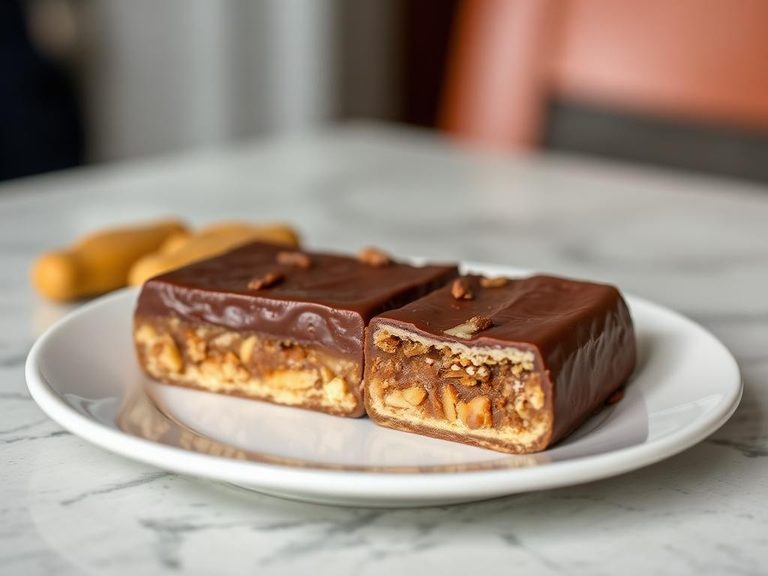
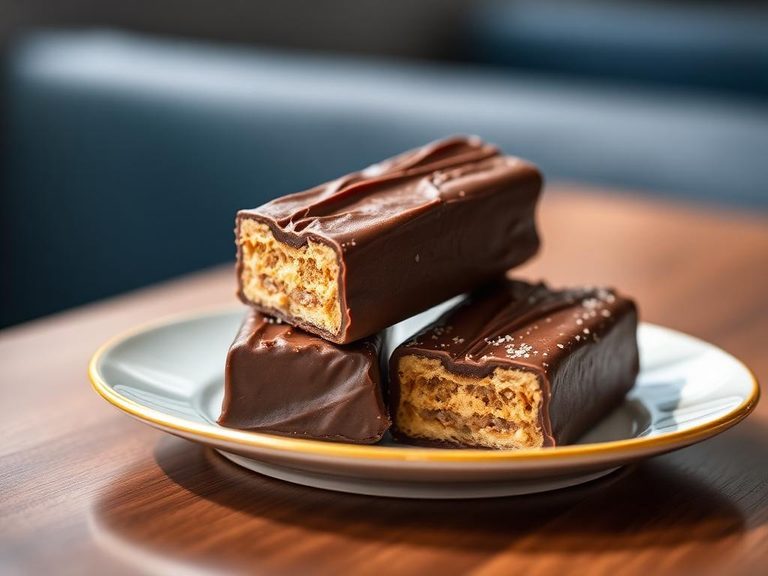
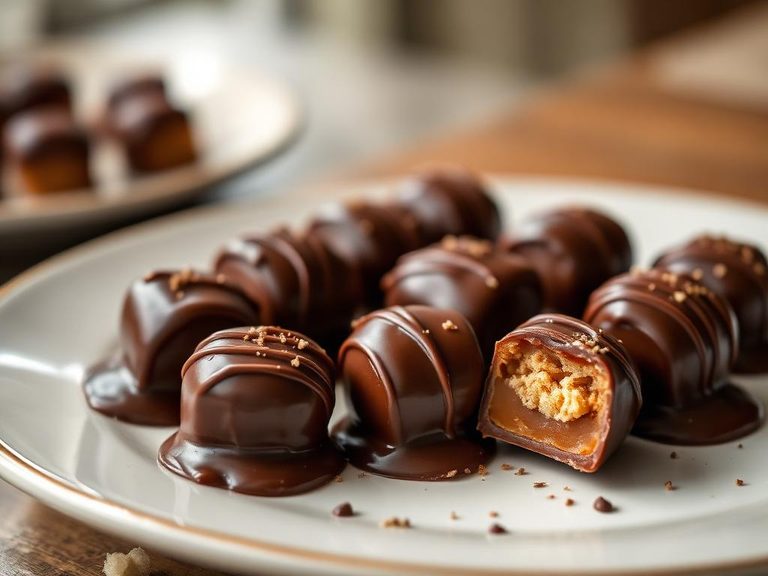
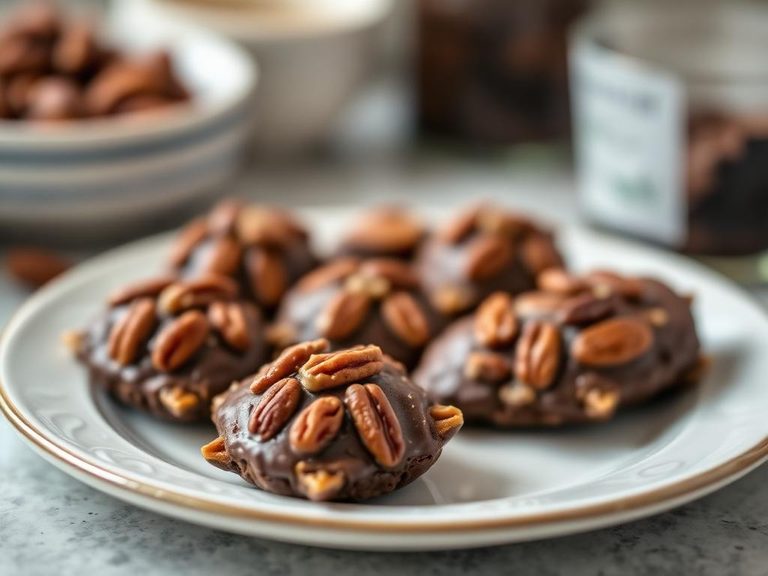
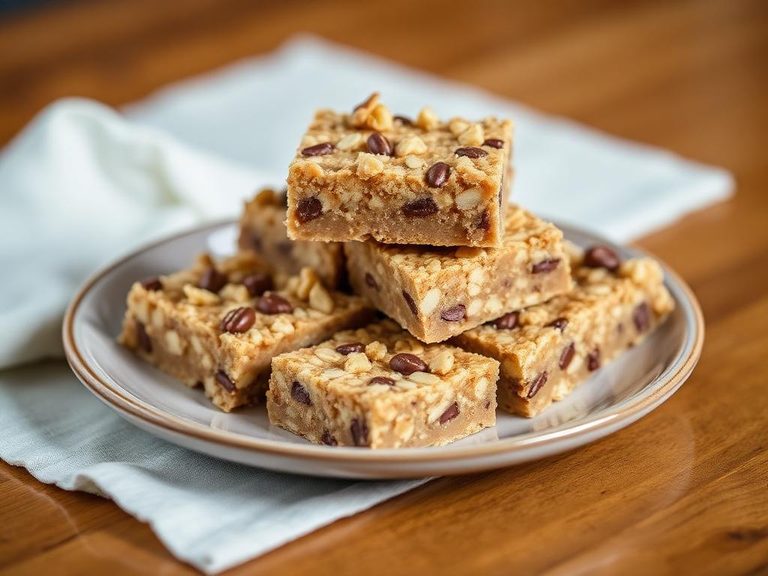
This is a classic candy bar or bonbon featuring a chewy caramel center, studded with crunchy nuts, all enrobed in a smooth, rich milk or dark chocolate shell. The experience is a delightful textural journey: the snap of the chocolate, the gooey pull of the caramel, and the satisfying crunch of nuts. Nutritionally, it's a dense energy source, primarily from fats and sugars, with a modest protein contribution from the nuts.
Calorie split: 8% protein · 52% carbs · 40% fat
↓ Full nutrition💚 Why it's loved
People love it for the perfect trifecta of textures and flavors: the sweet, salty caramel, the rich chocolate, and the earthy crunch of nuts. It's a nostalgic, portable treat often associated with movie theaters, holidays, and comforting indulgence.
⚠️ Watch-outs & how to enjoy it better
The high sugar and saturated fat content can cause rapid blood-sugar spikes and is not suitable for those managing diabetes or watching calorie intake. It is also a common allergen due to nuts (e.g., peanuts, almonds) and may contain milk and soy. To mitigate, enjoy a small portion (1-2 pieces) and pair it with a source of protein or fiber, like a handful of almonds or a piece of fruit, to slow sugar absorption.
Key benefits
- Quick energy source from carbohydrates and fats
- Contains some protein from nut inclusions
- Provides dietary fiber from nuts and chocolate
- Source of minerals like magnesium and iron from chocolate and nuts
- Offers a satisfying sensory experience combining sweet, salty, and nutty flavors
🍽️ Popular dishes
🌍 Where it's eaten
💡 Did you know?
The first commercially produced chocolate-covered caramel with nuts is widely considered to be the Goo Goo Cluster, invented in Nashville, Tennessee, in 1912.
Full nutrition (USDA data · scales with serving)
| Water | 6.1 g |
| Energy | 470 kcal |
| Energy | 1965 kj |
| Protein | 9.5 g |
| Total lipid (fat) | 21.0 g |
| Ash | 2.7 g |
| Carbohydrate, by difference | 60.7 g |
| Fiber, total dietary | 4.3 g |
| Total Sugars | 41.4 g |
| Calcium, Ca | 78.0 mg |
| Iron, Fe | 1.7 mg |
| Magnesium, Mg | 81.0 mg |
| Phosphorus, P | 166 mg |
| Potassium, K | 445 mg |
| Sodium, Na | 156 mg |
| Zinc, Zn | 1.9 mg |
| Copper, Cu | 0.58 mg |
| Selenium, Se | 2.8 ug |
| Vitamin C, total ascorbic acid | 1.4 mg |
| Thiamin | 0.04 mg |
| Riboflavin | 0.16 mg |
| Niacin | 4.8 mg |
| Vitamin B-6 | 0.16 mg |
| Folate, total | 92.0 ug |
| Folic acid | 0.00 ug |
| Folate, food | 92.0 ug |
| Folate, DFE | 92.0 ug |
| Choline, total | 33.9 mg |
| Vitamin B-12 | 0.00 ug |
| Vitamin B-12, added | 0.00 ug |
| Vitamin A, RAE | 42.0 ug |
| Retinol | 41.0 ug |
| Carotene, beta | 7.0 ug |
| Carotene, alpha | 0.00 ug |
| Cryptoxanthin, beta | 0.00 ug |
| Vitamin A, IU | 149 iu |
| Lycopene | 0.00 ug |
| Lutein + zeaxanthin | 0.00 ug |
| Vitamin E (alpha-tocopherol) | 1.1 mg |
| Vitamin E, added | 0.00 mg |
| Vitamin D (D2 + D3), International Units | 0.00 iu |
| Vitamin D (D2 + D3) | 0.00 ug |
| Vitamin K (phylloquinone) | 3.2 ug |
| Alcohol, ethyl | 0.00 g |
| Caffeine | 19.0 mg |
| Theobromine | 113 mg |
Fat & fatty acid profile (per 100g)
| Fatty acids, total saturated | 4.7 g |
| SFA 4:0 | 0.00 g |
| SFA 6:0 | 0.01 g |
| SFA 8:0 | 0.08 g |
| SFA 10:0 | 0.09 g |
| SFA 12:0 | 1.1 g |
| SFA 14:0 | 0.41 g |
| SFA 16:0 | 2.2 g |
| SFA 18:0 | 0.55 g |
| Fatty acids, total monounsaturated | 9.4 g |
| MUFA 16:1 | 0.00 g |
| MUFA 18:1 | 9.2 g |
| MUFA 20:1 | 0.25 g |
| MUFA 22:1 | 0.00 g |
| Fatty acids, total polyunsaturated | 5.8 g |
| PUFA 18:2 | 5.8 g |
| PUFA 18:3 | 0.00 g |
| PUFA 18:4 | 0.00 g |
| PUFA 20:4 | 0.00 g |
| PUFA 20:5 n-3 (EPA) | 0.00 g |
| PUFA 22:5 n-3 (DPA) | 0.00 g |
| PUFA 22:6 n-3 (DHA) | 0.00 g |
| Cholesterol | 0.00 mg |
Amino acid profile (per 100g)
Estimated from Candies, honey-combed, with peanut butter — USDA does not publish this profile for Candies.
| Tryptophan | 0.09 g |
| Threonine | 0.21 g |
| Isoleucine | 0.24 g |
| Leucine | 0.61 g |
| Lysine | 0.27 g |
| Methionine | 0.10 g |
| Cystine | 0.09 g |
| Phenylalanine | 0.47 g |
| Tyrosine | 0.33 g |
| Valine | 0.31 g |
| Arginine | 1.1 g |
| Histidine | 0.22 g |
| Alanine | 0.36 g |
| Aspartic acid | 1.2 g |
| Glutamic acid | 2.0 g |
| Glycine | 0.56 g |
| Proline | 0.55 g |
| Serine | 0.58 g |
FAQ
Are the nuts in these candies usually peanuts or tree nuts?
It varies by brand. Mass-market bars like Snickers famously use peanuts. Premium or gourmet versions often use almonds, pecans, or hazelnuts. Always check the label for specific allergen information.
Why does the caramel sometimes feel grainy instead of smooth?
This can be due to sugar crystallization during the caramel-making process. High-quality commercial candies use controlled temperatures and sometimes corn syrup to prevent this, resulting in a smoother, chewier texture.
Is the chocolate shell typically milk or dark chocolate?
Most classic candy bars use milk chocolate for its sweeter, creamier profile that complements the caramel. However, many artisanal and some commercial brands offer dark chocolate versions for a less sweet, more intense flavor contrast.
Nutrient density (calculated · NRF9.3)
Nutrient Rich Foods index: beneficial nutrients (protein, fiber, vitamins, minerals) minus saturated fat, added sugar & sodium, per 100 kcal.
NRF9.3 index — Fulgoni, Keast & Drewnowski, 2009. Computed from USDA nutrients.
Weight-loss friendliness (composite index)
Energy density 4.70 kcal/g · 8% calories from protein · 4.3 g fiber · 41.4 g sugar per 100 g.
Composite of energy density (Rolls et al., 1999), protein & fiber satiety, minus sugar. A calculated heuristic — ranks satiety-per-calorie, not a clinical measure.
Dietary load (calculated from USDA values)
Potential renal acid load. Positive = acid-forming, negative = alkaline-forming.
Sodium-to-potassium ratio: 0.35 (lower is better — aim for ≤ 1)
Sodium:potassium per WHO potassium guidance. Computed from USDA nutrients.