

Butter, light, stick, without salt
Whole food · Fats and Oils

Photo: Wikipedia
Light, salt-free butter is a reduced-fat dairy product, typically made by churning cream and then blending in water and milk solids to achieve a softer, spreadable texture with a milder, less rich flavor than full-fat butter. It contains about 55g of fat per 100g, significantly less than traditional butter's 80g, and provides a buttery taste with a lighter mouthfeel. Nutritionally, it offers a lower-calorie alternative for those seeking to reduce fat intake while maintaining the functional properties of butter in cooking and baking.
Calorie split: 3% protein · 0% carbs · 97% fat
↓ Full nutrition💚 Why it's loved
People love it for its familiar buttery taste with a lighter, less greasy feel, making it a versatile option for spreading on toast, melting over vegetables, or incorporating into recipes where a buttery flavor is desired without the full richness. Its mild profile allows it to blend seamlessly into various dishes, appealing to those who enjoy the essence of butter but prefer a lighter alternative.
⚠️ Watch-outs & how to enjoy it better
Some find it less flavorful and creamy than full-fat butter, and its higher water content can affect the texture in baking, potentially leading to drier or less tender results. For those monitoring fat intake, it's still high in fat (55.1g per 100g), so portion control is key; pairing it with fiber-rich foods like whole grains or vegetables can help balance the meal. Additionally, it may contain milk solids, which could be a concern for individuals with dairy allergies or lactose intolerance.
Key benefits
- Lower in total fat and calories than regular butter
- Suitable for low-sodium diets as it contains no added salt
- Provides a buttery flavor with a lighter texture for spreading
- Can be used in cooking and baking as a partial substitute for butter
- May help reduce saturated fat intake when used in moderation
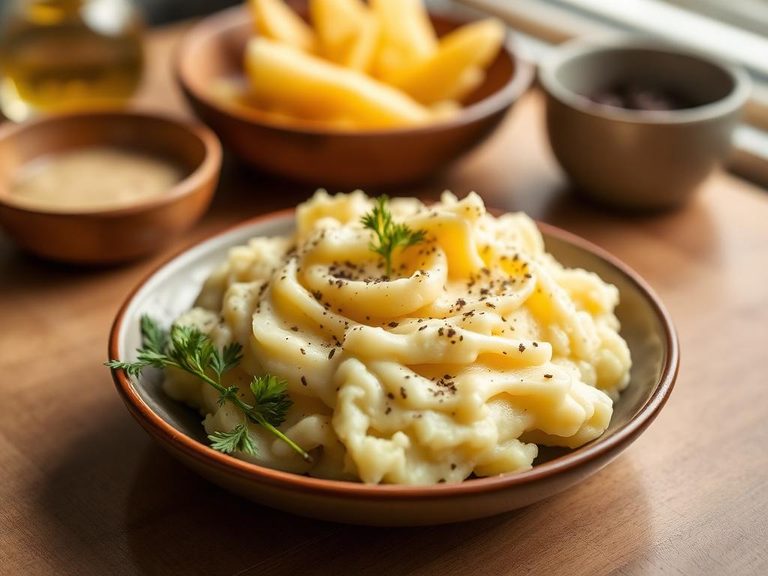
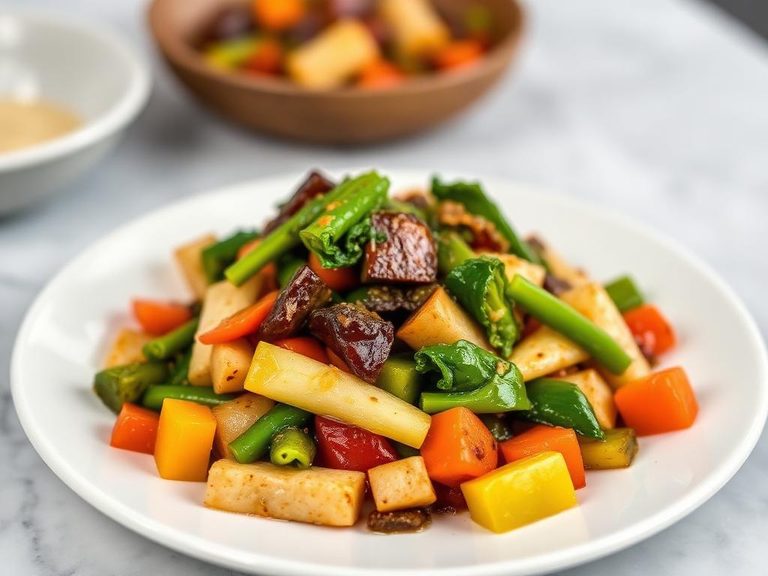
🍽️ Popular dishes
🌍 Where it's eaten
💡 Did you know?
Light butter often contains added water and milk solids to reduce fat content, which can make it behave differently in baking—it may not create the same flaky layers in pastries as full-fat butter due to its lower fat and higher moisture.
Full nutrition (USDA data · scales with serving)
| Water | 43.2 g |
| Energy | 499 kcal |
| Energy | 2088 kj |
| Protein | 3.3 g |
| Total lipid (fat) | 55.1 g |
| Ash | 0.50 g |
| Carbohydrate, by difference | 0.00 g |
| Fiber, total dietary | 0.00 g |
| Total Sugars | 0.00 g |
| Calcium, Ca | 48.0 mg |
| Iron, Fe | 1.1 mg |
| Magnesium, Mg | 5.0 mg |
| Phosphorus, P | 34.0 mg |
| Potassium, K | 71.0 mg |
| Sodium, Na | 36.0 mg |
| Zinc, Zn | 0.26 mg |
| Copper, Cu | 0.00 mg |
| Selenium, Se | 1.0 ug |
| Vitamin C, total ascorbic acid | 0.00 mg |
| Thiamin | 0.01 mg |
| Riboflavin | 0.07 mg |
| Niacin | 0.02 mg |
| Vitamin B-6 | 0.01 mg |
| Folate, total | 1.0 ug |
| Folic acid | 0.00 ug |
| Folate, food | 1.0 ug |
| Folate, DFE | 1.0 ug |
| Choline, total | 12.9 mg |
| Vitamin B-12 | 0.13 ug |
| Vitamin B-12, added | 0.00 ug |
| Vitamin A, RAE | 465 ug |
| Retinol | 456 ug |
| Carotene, beta | 107 ug |
| Carotene, alpha | 0.00 ug |
| Cryptoxanthin, beta | 0.00 ug |
| Vitamin A, IU | 1698 iu |
| Lycopene | 0.00 ug |
| Lutein + zeaxanthin | 0.00 ug |
| Vitamin E (alpha-tocopherol) | 1.6 mg |
| Vitamin E, added | 0.00 mg |
| Vitamin D (D2 + D3), International Units | 0.00 iu |
| Vitamin D (D2 + D3) | 0.00 ug |
| Vitamin D2 (ergocalciferol) | 0.00 ug |
| Vitamin D3 (cholecalciferol) | 0.00 ug |
| Vitamin K (phylloquinone) | 4.8 ug |
| Alcohol, ethyl | 0.00 g |
| Caffeine | 0.00 mg |
| Theobromine | 0.00 mg |
Fat & fatty acid profile (per 100g)
| Fatty acids, total saturated | 34.3 g |
| SFA 4:0 | 1.8 g |
| SFA 6:0 | 1.1 g |
| SFA 8:0 | 0.62 g |
| SFA 10:0 | 1.4 g |
| SFA 12:0 | 1.6 g |
| SFA 14:0 | 5.5 g |
| SFA 16:0 | 14.5 g |
| SFA 18:0 | 6.7 g |
| Fatty acids, total monounsaturated | 15.9 g |
| MUFA 16:1 | 1.2 g |
| MUFA 18:1 | 13.9 g |
| MUFA 20:1 | 0.00 g |
| MUFA 22:1 | 0.00 g |
| Fatty acids, total polyunsaturated | 2.0 g |
| PUFA 18:2 | 1.2 g |
| PUFA 18:3 | 0.80 g |
| PUFA 18:4 | 0.00 g |
| PUFA 20:4 | 0.00 g |
| PUFA 20:5 n-3 (EPA) | 0.00 g |
| PUFA 22:5 n-3 (DPA) | 0.00 g |
| PUFA 22:6 n-3 (DHA) | 0.00 g |
| Cholesterol | 106 mg |
Amino acid profile (per 100g)
Estimated from Oil, cocoa butter — USDA does not publish this profile for Butter.
| Tryptophan | 0.00 g |
| Threonine | 0.00 g |
| Isoleucine | 0.00 g |
| Leucine | 0.00 g |
| Lysine | 0.00 g |
| Methionine | 0.00 g |
| Cystine | 0.00 g |
| Phenylalanine | 0.00 g |
| Tyrosine | 0.00 g |
| Valine | 0.00 g |
| Arginine | 0.00 g |
| Histidine | 0.00 g |
| Alanine | 0.00 g |
| Aspartic acid | 0.00 g |
| Glutamic acid | 0.00 g |
| Glycine | 0.00 g |
| Proline | 0.00 g |
| Serine | 0.00 g |
FAQ
What is the difference between light butter and regular butter?
Light butter has less fat (about 55g per 100g vs. 80g in regular butter) and often includes added water and milk solids, making it lower in calories but potentially affecting texture in cooking and baking.
Can light butter be used for baking?
Yes, but it may not yield the same results as full-fat butter; it can work well in recipes where moisture is needed, but for flaky pastries or rich cakes, regular butter might be preferable.
Is light butter suitable for a low-sodium diet?
Yes, since it is without salt, it is a good option for those reducing sodium intake, but always check labels for any added ingredients.
Nutrient density (calculated · NRF9.3)
Nutrient Rich Foods index: beneficial nutrients (protein, fiber, vitamins, minerals) minus saturated fat, added sugar & sodium, per 100 kcal.
NRF9.3 index — Fulgoni, Keast & Drewnowski, 2009. Computed from USDA nutrients.
Weight-loss friendliness (composite index)
Energy density 4.99 kcal/g · 3% calories from protein · 0.0 g fiber · 0.0 g sugar per 100 g.
Composite of energy density (Rolls et al., 1999), protein & fiber satiety, minus sugar. A calculated heuristic — ranks satiety-per-calorie, not a clinical measure.
Dietary load (calculated from USDA values)
Potential renal acid load. Positive = acid-forming, negative = alkaline-forming.
Sodium-to-potassium ratio: 0.51 (lower is better — aim for ≤ 1)
Sodium:potassium per WHO potassium guidance. Computed from USDA nutrients.