

Bread, sprouted wheat
Common food
Sprouted wheat bread is a hearty, nutty loaf made from whole wheat berries that have been allowed to germinate before milling. Its texture is denser and chewier than conventional bread, with a subtly sweet, earthy flavor. Nutritionally, it's a standout for its high protein content (13.16g per 100g) and significant dietary fiber.
Calorie split: 28% protein · 72% carbs · 0% fat
↓ Full nutrition💚 Why it's loved
People love it for its robust, nutty flavor and satisfying, chewy texture that adds substance to meals. It's prized as a versatile, nutrient-dense base for both savory and sweet toppings, often seen as a healthier, more whole-food alternative.
⚠️ Watch-outs & how to enjoy it better
Its dense texture can be less appealing to those who prefer soft, fluffy bread. As a wheat product, it is a common allergen and contains gluten. For those monitoring blood sugar, the 33.88g of carbs per 100g still require portion awareness. Tip: Pair a slice with avocado, nut butter, or eggs to add healthy fats and protein, which slows carb absorption and increases satiety.
Key benefits
- High in plant-based protein for muscle maintenance.
- Excellent source of dietary fiber (5.3g per 100g) for digestive health.
- Sprouting process may increase mineral bioavailability.
- Contains no fat, making it a lean protein and carb source.
- Lower glycemic impact than many refined breads.
🍽️ Popular dishes
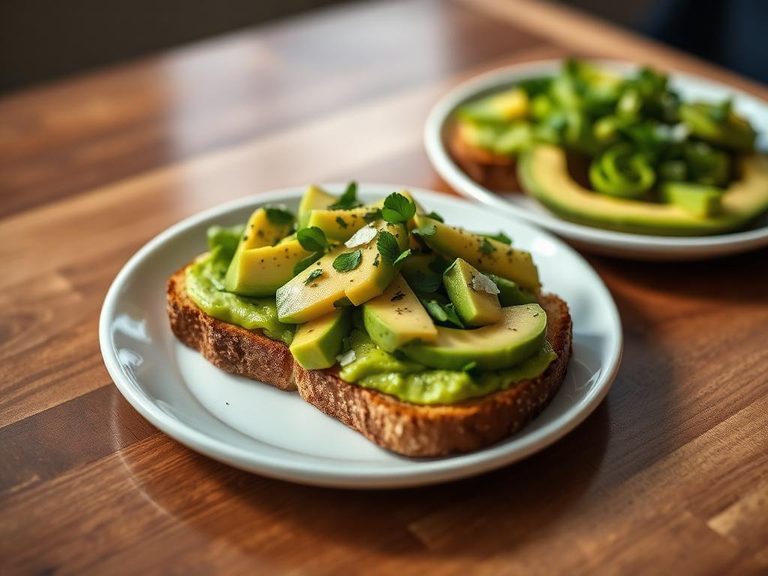

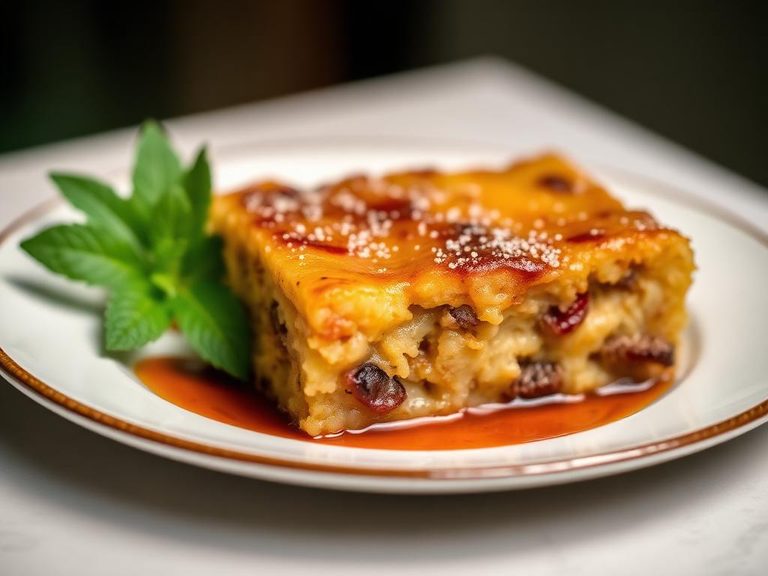

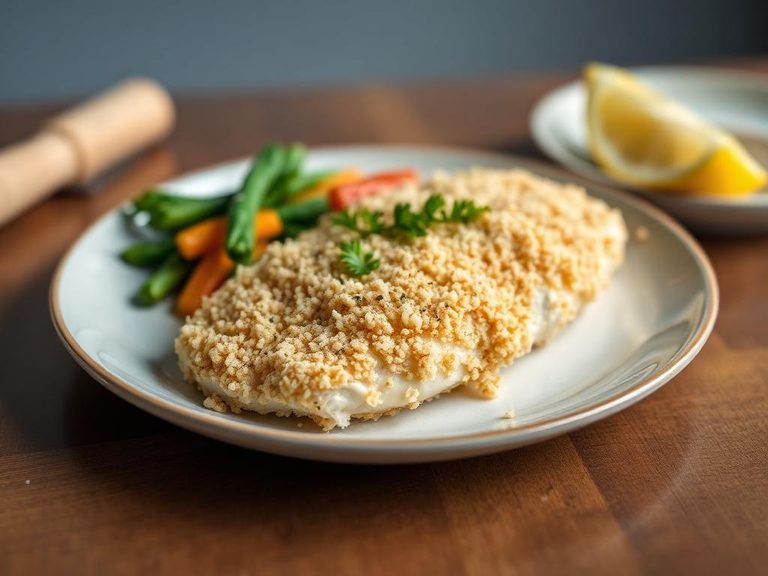
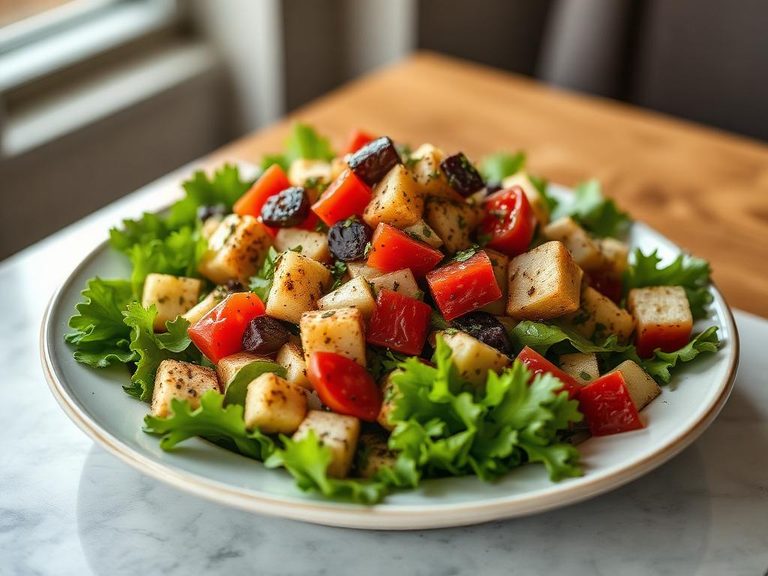
🌍 Where it's eaten
💡 Did you know?
The sprouting process activates enzymes that begin to break down starches into simpler sugars, which is why sprouted bread often tastes slightly sweeter than regular whole wheat bread, despite having less added sugar.
Full nutrition (USDA data · scales with serving)
| Water | 50.9 g |
| Energy | 188 kcal |
| Protein | 13.2 g |
| Total lipid (fat) | 0.00 g |
| Carbohydrate, by difference | 33.9 g |
| Fiber, total dietary | 5.3 g |
| Total Sugars | 2.6 g |
| Calcium, Ca | 0.00 mg |
| Iron, Fe | 1.9 mg |
| Magnesium, Mg | 66.0 mg |
| Phosphorus, P | 176 mg |
| Potassium, K | 198 mg |
| Sodium, Na | 474 mg |
| Zinc, Zn | 1.3 mg |
| Copper, Cu | 0.21 mg |
| Selenium, Se | 30.0 ug |
| Vitamin C, total ascorbic acid | 0.00 mg |
| Thiamin | 0.23 mg |
| Riboflavin | 0.08 mg |
| Niacin | 2.3 mg |
| Vitamin B-6 | 0.19 mg |
| Folate, total | 0.00 ug |
| Folic acid | 0.00 ug |
| Folate, food | 0.00 ug |
| Folate, DFE | 0.00 ug |
| Choline, total | 14.9 mg |
| Vitamin B-12 | 0.00 ug |
| Vitamin B-12, added | 0.00 ug |
| Vitamin A, RAE | 0.00 ug |
| Retinol | 0.00 ug |
| Carotene, beta | 3.0 ug |
| Carotene, alpha | 0.00 ug |
| Cryptoxanthin, beta | 0.00 ug |
| Lycopene | 0.00 ug |
| Lutein + zeaxanthin | 104 ug |
| Vitamin E (alpha-tocopherol) | 0.34 mg |
| Vitamin E, added | 0.00 mg |
| Vitamin D (D2 + D3) | 0.00 ug |
| Vitamin K (phylloquinone) | 1.1 ug |
| Alcohol, ethyl | 0.00 g |
| Caffeine | 0.00 mg |
| Theobromine | 0.00 mg |
Fat & fatty acid profile (per 100g)
| Fatty acids, total saturated | 0.00 g |
| SFA 4:0 | 0.00 g |
| SFA 6:0 | 0.00 g |
| SFA 8:0 | 0.00 g |
| SFA 10:0 | 0.00 g |
| SFA 12:0 | 0.00 g |
| SFA 14:0 | 0.00 g |
| SFA 16:0 | 0.00 g |
| SFA 18:0 | 0.00 g |
| Fatty acids, total monounsaturated | 0.00 g |
| MUFA 16:1 | 0.00 g |
| MUFA 18:1 | 0.00 g |
| MUFA 20:1 | 0.00 g |
| MUFA 22:1 | 0.00 g |
| Fatty acids, total polyunsaturated | 0.00 g |
| PUFA 18:2 | 0.00 g |
| PUFA 18:3 | 0.00 g |
| PUFA 18:4 | 0.00 g |
| PUFA 20:4 | 0.00 g |
| PUFA 20:5 n-3 (EPA) | 0.00 g |
| PUFA 22:5 n-3 (DPA) | 0.00 g |
| PUFA 22:6 n-3 (DHA) | 0.00 g |
| Cholesterol | 0.00 mg |
Amino acid profile (per 100g)
Estimated from Bread, salvadoran sweet cheese (quesadilla salvadorena) — USDA does not publish this profile for Bread.
| Tryptophan | 0.07 g |
| Threonine | 0.21 g |
| Isoleucine | 0.30 g |
| Leucine | 0.65 g |
| Lysine | 0.50 g |
| Methionine | 0.28 g |
| Cystine | 0.06 g |
| Phenylalanine | 0.37 g |
| Tyrosine | 0.23 g |
| Valine | 0.43 g |
| Arginine | 0.25 g |
| Histidine | 0.15 g |
| Alanine | 0.36 g |
| Aspartic acid | 0.59 g |
| Glutamic acid | 1.3 g |
| Glycine | 0.20 g |
| Proline | 0.83 g |
| Serine | 0.45 g |
| Hydroxyproline | 0.00 g |
FAQ
Is sprouted wheat bread gluten-free?
No. It is made from wheat, so it contains gluten and is not suitable for those with celiac disease or gluten sensitivity.
How is it different from regular whole wheat bread?
The key difference is that the wheat berries are sprouted (germinated) before being ground into flour. This process alters the nutritional profile, often increasing certain vitamins and making minerals easier for the body to absorb.
Does it need to be stored differently?
Due to its higher moisture content from sprouting, it can be more perishable. It's best stored in the refrigerator or freezer to maintain freshness and prevent mold.
Nutrient density (calculated · NRF9.3)
Nutrient Rich Foods index: beneficial nutrients (protein, fiber, vitamins, minerals) minus saturated fat, added sugar & sodium, per 100 kcal.
NRF9.3 index — Fulgoni, Keast & Drewnowski, 2009. Computed from USDA nutrients.
Weight-loss friendliness (composite index)
Energy density 1.88 kcal/g · 28% calories from protein · 5.3 g fiber · 2.6 g sugar per 100 g.
Composite of energy density (Rolls et al., 1999), protein & fiber satiety, minus sugar. A calculated heuristic — ranks satiety-per-calorie, not a clinical measure.
Dietary load (calculated from USDA values)
Potential renal acid load. Positive = acid-forming, negative = alkaline-forming.
Sodium-to-potassium ratio: 2.39 (lower is better — aim for ≤ 1)
Sodium:potassium per WHO potassium guidance. Computed from USDA nutrients.