

Bread, sprouted wheat, toasted
Common food
Sprouted wheat bread, once toasted, transforms into a crunchy, nutty canvas with a deep, earthy sweetness. Its dense, chewy crumb and robust flavor profile are a direct result of the sprouting process, which unlocks a nutritional powerhouse. This toast is a standout for its impressive protein content and high fiber, making it a far more substantial start to the day than standard white bread.
Calorie split: 28% protein · 72% carbs · 0% fat
↓ Full nutrition💚 Why it's loved
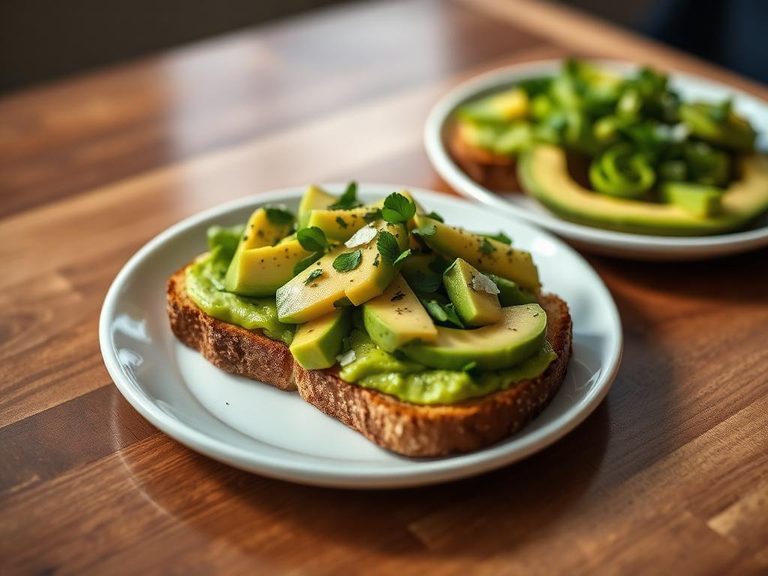
People adore it for its complex, malty flavor and satisfying crunch that holds up to hearty toppings. It's the ultimate base for avocado toast or a robust sandwich, offering a wholesome, artisanal feel that elevates simple meals.
⚠️ Watch-outs & how to enjoy it better
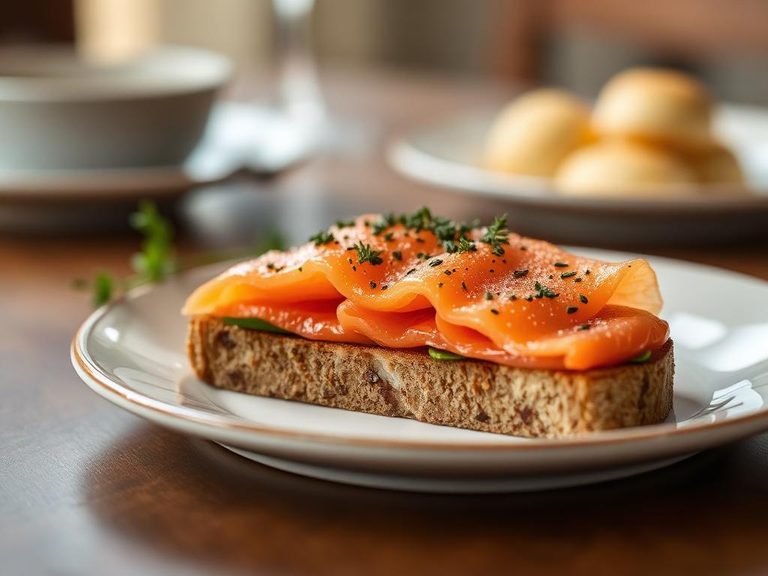
Despite a lower glycemic index, its carbohydrate content can still impact blood sugar for sensitive individuals. Those with gluten sensitivities or celiac disease must avoid it as it is made from wheat. To mitigate blood sugar impact, always pair it with a healthy fat (like avocado or nut butter) or a protein (like eggs or smoked salmon) to slow digestion.
Key benefits
- High in plant-based protein for muscle repair and satiety.
- Excellent source of dietary fiber for digestive health.
- Sprouting increases mineral bioavailability (iron, zinc).
- Lower glycemic index than many refined breads.
- Rich in B vitamins and antioxidants from the sprouted grain.
🍽️ Popular dishes
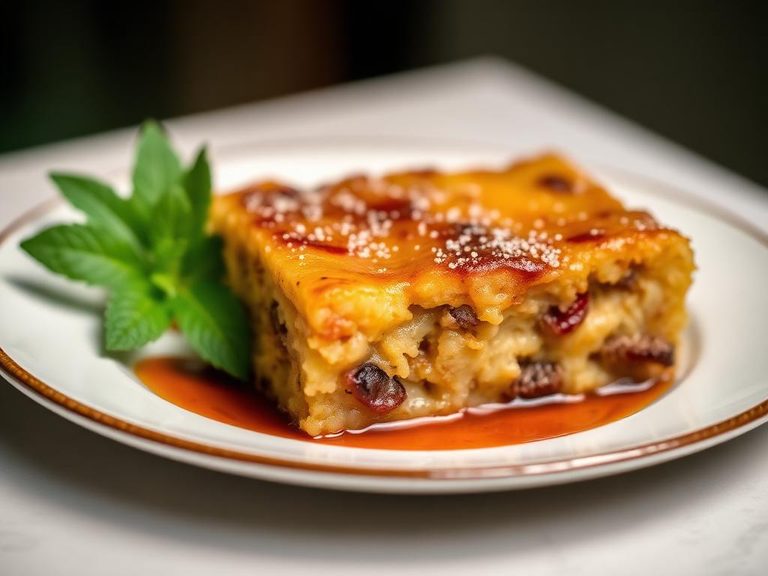
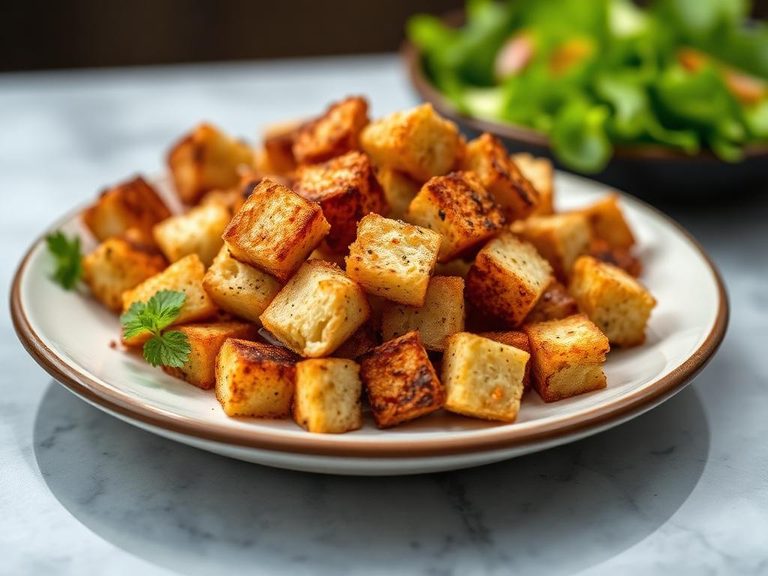
🌍 Where it's eaten
💡 Did you know?
The sprouting process can increase the bread's antioxidant content by up to 100% compared to bread made from unsprouted wheat flour.
Full nutrition (USDA data · scales with serving)
| Water | 46.0 g |
| Energy | 207 kcal |
| Protein | 14.5 g |
| Total lipid (fat) | 0.00 g |
| Carbohydrate, by difference | 37.2 g |
| Fiber, total dietary | 5.8 g |
| Total Sugars | 2.9 g |
| Calcium, Ca | 0.00 mg |
| Iron, Fe | 2.1 mg |
| Magnesium, Mg | 73.0 mg |
| Phosphorus, P | 193 mg |
| Potassium, K | 218 mg |
| Sodium, Na | 521 mg |
| Zinc, Zn | 1.4 mg |
| Copper, Cu | 0.23 mg |
| Selenium, Se | 33.0 ug |
| Vitamin C, total ascorbic acid | 0.00 mg |
| Thiamin | 0.20 mg |
| Riboflavin | 0.09 mg |
| Niacin | 2.6 mg |
| Vitamin B-6 | 0.21 mg |
| Folate, total | 0.00 ug |
| Folic acid | 0.00 ug |
| Folate, food | 0.00 ug |
| Folate, DFE | 0.00 ug |
| Choline, total | 16.4 mg |
| Vitamin B-12 | 0.00 ug |
| Vitamin B-12, added | 0.00 ug |
| Vitamin A, RAE | 0.00 ug |
| Retinol | 0.00 ug |
| Carotene, beta | 3.0 ug |
| Carotene, alpha | 0.00 ug |
| Cryptoxanthin, beta | 0.00 ug |
| Lycopene | 0.00 ug |
| Lutein + zeaxanthin | 109 ug |
| Vitamin E (alpha-tocopherol) | 0.37 mg |
| Vitamin E, added | 0.00 mg |
| Vitamin D (D2 + D3) | 0.00 ug |
| Vitamin K (phylloquinone) | 1.2 ug |
| Alcohol, ethyl | 0.00 g |
| Caffeine | 0.00 mg |
| Theobromine | 0.00 mg |
Fat & fatty acid profile (per 100g)
| Fatty acids, total saturated | 0.00 g |
| SFA 4:0 | 0.00 g |
| SFA 6:0 | 0.00 g |
| SFA 8:0 | 0.00 g |
| SFA 10:0 | 0.00 g |
| SFA 12:0 | 0.00 g |
| SFA 14:0 | 0.00 g |
| SFA 16:0 | 0.00 g |
| SFA 18:0 | 0.00 g |
| Fatty acids, total monounsaturated | 0.00 g |
| MUFA 16:1 | 0.00 g |
| MUFA 18:1 | 0.00 g |
| MUFA 20:1 | 0.00 g |
| MUFA 22:1 | 0.00 g |
| Fatty acids, total polyunsaturated | 0.00 g |
| PUFA 18:2 | 0.00 g |
| PUFA 18:3 | 0.00 g |
| PUFA 18:4 | 0.00 g |
| PUFA 20:4 | 0.00 g |
| PUFA 20:5 n-3 (EPA) | 0.00 g |
| PUFA 22:5 n-3 (DPA) | 0.00 g |
| PUFA 22:6 n-3 (DHA) | 0.00 g |
| Cholesterol | 0.00 mg |
Amino acid profile (per 100g)
Estimated from Bread, salvadoran sweet cheese (quesadilla salvadorena) — USDA does not publish this profile for Bread.
| Tryptophan | 0.07 g |
| Threonine | 0.21 g |
| Isoleucine | 0.30 g |
| Leucine | 0.65 g |
| Lysine | 0.50 g |
| Methionine | 0.28 g |
| Cystine | 0.06 g |
| Phenylalanine | 0.37 g |
| Tyrosine | 0.23 g |
| Valine | 0.43 g |
| Arginine | 0.25 g |
| Histidine | 0.15 g |
| Alanine | 0.36 g |
| Aspartic acid | 0.59 g |
| Glutamic acid | 1.3 g |
| Glycine | 0.20 g |
| Proline | 0.83 g |
| Serine | 0.45 g |
| Hydroxyproline | 0.00 g |
FAQ
Is sprouted wheat bread gluten-free?
No. Sprouted wheat bread is made from wheat kernels that have begun to germinate, but it still contains gluten. It is not safe for individuals with celiac disease or non-celiac gluten sensitivity.
Why is the protein content so high?
Sprouting activates enzymes that break down complex proteins into simpler, more digestible amino acids. This process, combined with the natural concentration of nutrients as the sprout consumes starch, results in a higher protein percentage by weight.
How should I store it to keep it fresh?
Due to its lack of preservatives and high moisture content from sprouting, it stales faster than conventional bread. Store it in a bread box at room temperature for 2-3 days, or slice and freeze it immediately for longer storage, toasting slices directly from frozen.
Nutrient density (calculated · NRF9.3)
Nutrient Rich Foods index: beneficial nutrients (protein, fiber, vitamins, minerals) minus saturated fat, added sugar & sodium, per 100 kcal.
NRF9.3 index — Fulgoni, Keast & Drewnowski, 2009. Computed from USDA nutrients.
Weight-loss friendliness (composite index)
Energy density 2.07 kcal/g · 28% calories from protein · 5.8 g fiber · 2.9 g sugar per 100 g.
Composite of energy density (Rolls et al., 1999), protein & fiber satiety, minus sugar. A calculated heuristic — ranks satiety-per-calorie, not a clinical measure.
Dietary load (calculated from USDA values)
Potential renal acid load. Positive = acid-forming, negative = alkaline-forming.
Sodium-to-potassium ratio: 2.39 (lower is better — aim for ≤ 1)
Sodium:potassium per WHO potassium guidance. Computed from USDA nutrients.