

Bread, sour dough
Common food

Photo: Wikipedia
Sourdough bread is a leavened loaf made from a fermented starter of flour and water, giving it a distinct tangy flavor and a chewy, open-crumb texture. Its long fermentation process breaks down some starches, making it slightly more digestible than standard bread. Nutritionally, it's a solid source of complex carbohydrates and provides a moderate amount of plant-based protein.
Calorie split: 16% protein · 76% carbs · 8% fat
↓ Full nutrition💚 Why it's loved
People adore sourdough for its complex, tangy flavor that ranges from mildly sour to pleasantly sharp, and its satisfyingly chewy crust and airy interior. It's a cultural staple, celebrated in artisan bakeries and home kitchens as a symbol of slow, craft food.
⚠️ Watch-outs & how to enjoy it better
The sour taste can be off-putting to some, and its dense texture might be heavy for those with sensitive digestion. As a wheat-based product, it contains gluten and is a common allergen. To mitigate blood sugar impact, pair it with protein (like eggs or cheese) or healthy fats (like avocado), and practice portion control.
Key benefits
- Long fermentation may improve mineral absorption.
- Lower glycemic response than many commercial breads.
- Contains prebiotics from fermentation that support gut health.
- Simple ingredients: typically just flour, water, salt, and starter.
- Naturally leavened, avoiding commercial yeast.
🍽️ Popular dishes
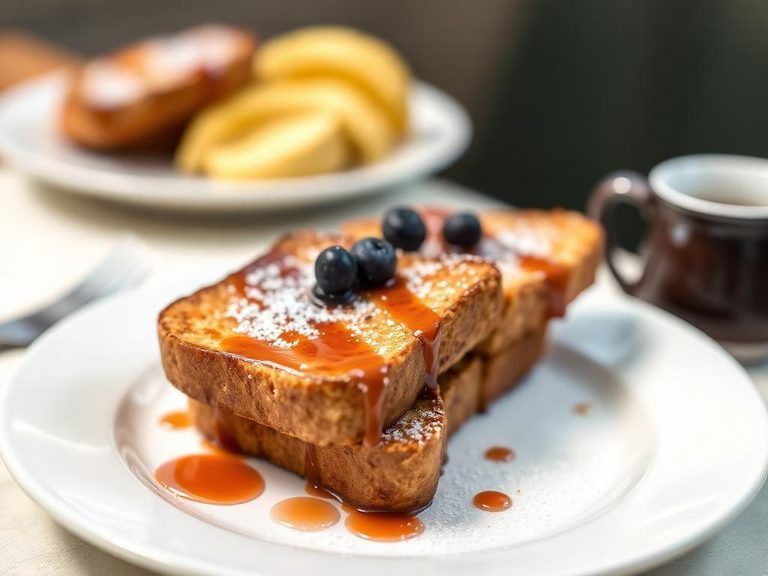

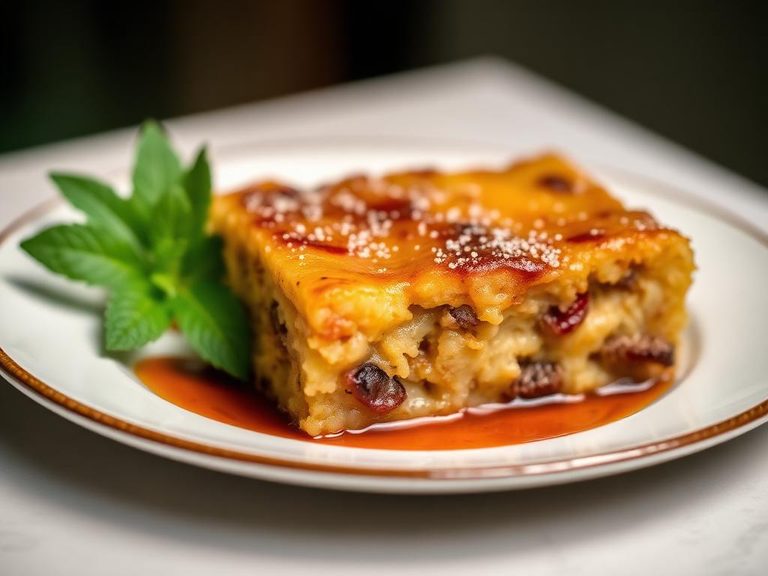
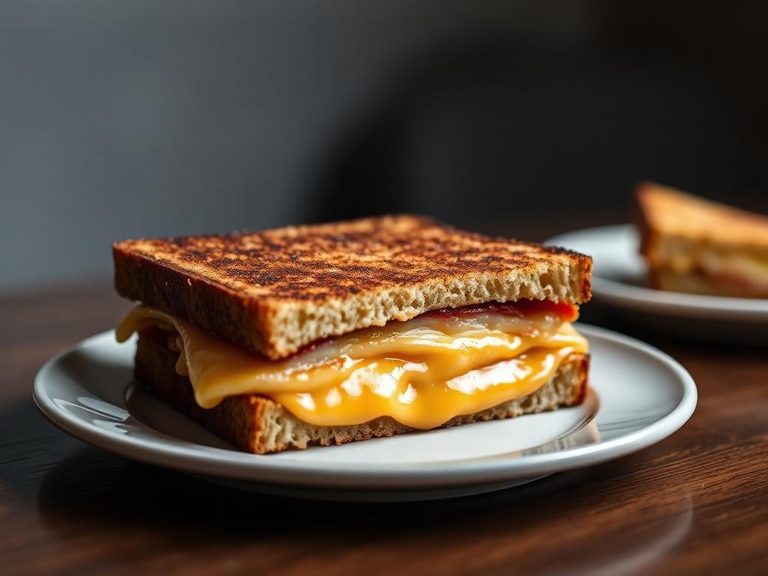
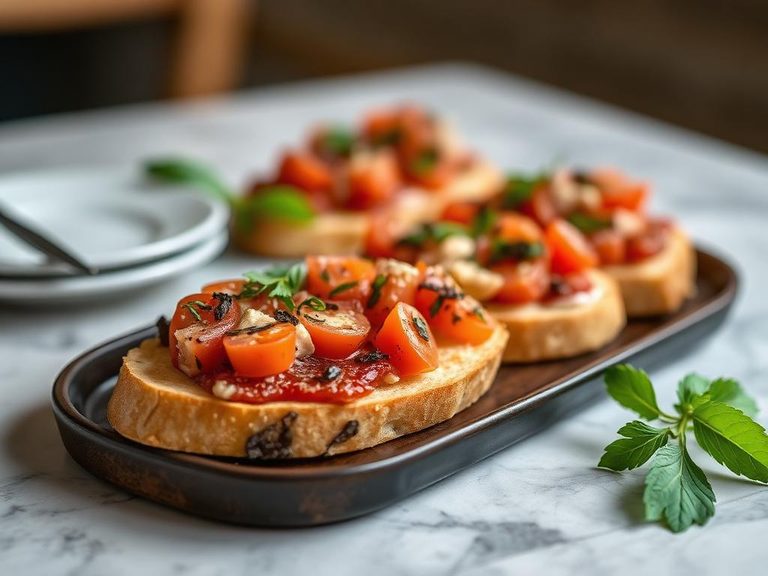
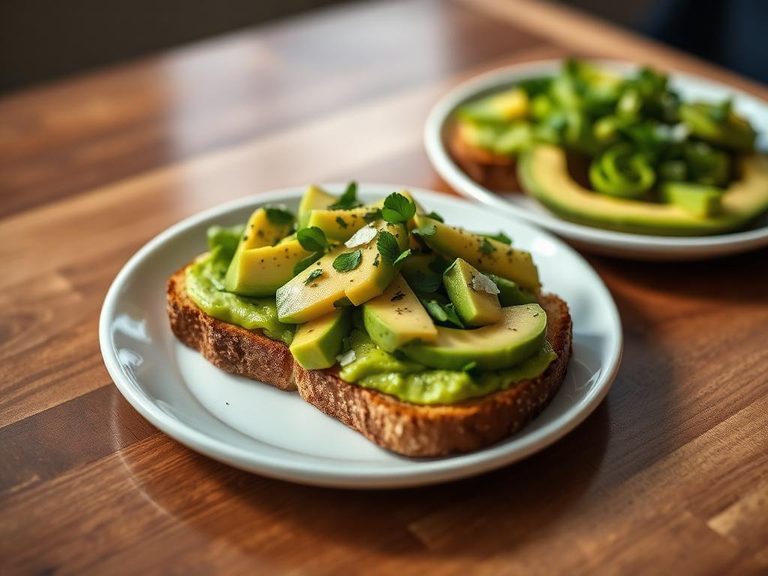
🌍 Where it's eaten
💡 Did you know?
The wild yeast and lactic acid bacteria in a sourdough starter can live for decades, with some famous starters being over 100 years old and passed down through generations.
Full nutrition (USDA data · scales with serving)
| Water | 33.0 g |
| Energy | 272 kcal |
| Protein | 10.8 g |
| Total lipid (fat) | 2.4 g |
| Carbohydrate, by difference | 51.9 g |
| Fiber, total dietary | 2.2 g |
| Total Sugars | 4.6 g |
| Calcium, Ca | 52.0 mg |
| Iron, Fe | 3.9 mg |
| Magnesium, Mg | 32.0 mg |
| Phosphorus, P | 105 mg |
| Potassium, K | 117 mg |
| Sodium, Na | 602 mg |
| Zinc, Zn | 1.0 mg |
| Copper, Cu | 0.15 mg |
| Selenium, Se | 28.6 ug |
| Vitamin C, total ascorbic acid | 0.00 mg |
| Thiamin | 0.71 mg |
| Riboflavin | 0.43 mg |
| Niacin | 4.8 mg |
| Vitamin B-6 | 0.11 mg |
| Folate, total | 123 ug |
| Folic acid | 95.0 ug |
| Folate, food | 28.0 ug |
| Folate, DFE | 189 ug |
| Choline, total | 8.0 mg |
| Vitamin B-12 | 0.00 ug |
| Vitamin B-12, added | 0.00 ug |
| Vitamin A, RAE | 0.00 ug |
| Retinol | 0.00 ug |
| Carotene, beta | 0.00 ug |
| Carotene, alpha | 0.00 ug |
| Cryptoxanthin, beta | 0.00 ug |
| Lycopene | 0.00 ug |
| Lutein + zeaxanthin | 45.0 ug |
| Vitamin E (alpha-tocopherol) | 0.21 mg |
| Vitamin E, added | 0.00 mg |
| Vitamin D (D2 + D3) | 0.00 ug |
| Vitamin K (phylloquinone) | 0.70 ug |
| Alcohol, ethyl | 0.00 g |
| Caffeine | 0.00 mg |
| Theobromine | 0.00 mg |
Fat & fatty acid profile (per 100g)
| Fatty acids, total saturated | 0.53 g |
| SFA 4:0 | 0.00 g |
| SFA 6:0 | 0.00 g |
| SFA 8:0 | 0.00 g |
| SFA 10:0 | 0.00 g |
| SFA 12:0 | 0.00 g |
| SFA 14:0 | 0.01 g |
| SFA 16:0 | 0.36 g |
| SFA 18:0 | 0.14 g |
| Fatty acids, total monounsaturated | 0.36 g |
| MUFA 16:1 | 0.01 g |
| MUFA 18:1 | 0.34 g |
| MUFA 20:1 | 0.01 g |
| MUFA 22:1 | 0.00 g |
| Fatty acids, total polyunsaturated | 0.85 g |
| PUFA 18:2 | 0.79 g |
| PUFA 18:3 | 0.06 g |
| PUFA 18:4 | 0.00 g |
| PUFA 20:4 | 0.00 g |
| PUFA 20:5 n-3 (EPA) | 0.00 g |
| PUFA 22:5 n-3 (DPA) | 0.00 g |
| PUFA 22:6 n-3 (DHA) | 0.00 g |
| Cholesterol | 0.00 mg |
Amino acid profile (per 100g)
Estimated from Bread, salvadoran sweet cheese (quesadilla salvadorena) — USDA does not publish this profile for Bread.
| Tryptophan | 0.07 g |
| Threonine | 0.21 g |
| Isoleucine | 0.30 g |
| Leucine | 0.65 g |
| Lysine | 0.50 g |
| Methionine | 0.28 g |
| Cystine | 0.06 g |
| Phenylalanine | 0.37 g |
| Tyrosine | 0.23 g |
| Valine | 0.43 g |
| Arginine | 0.25 g |
| Histidine | 0.15 g |
| Alanine | 0.36 g |
| Aspartic acid | 0.59 g |
| Glutamic acid | 1.3 g |
| Glycine | 0.20 g |
| Proline | 0.83 g |
| Serine | 0.45 g |
| Hydroxyproline | 0.00 g |
FAQ
Is sourdough bread gluten-free?
No, traditional sourdough is made from wheat flour and contains gluten. The fermentation process may break down some gluten, but it is not safe for people with celiac disease or gluten sensitivity.
Why is sourdough bread more expensive?
It requires a live starter, a long fermentation time (often overnight), and skilled baking, making it more labor-intensive and time-consuming to produce than bread made with commercial yeast.
How should I store sourdough bread?
Store it cut-side down on a cutting board at room temperature for 1-2 days. For longer storage, freeze slices in an airtight bag. Avoid refrigerating it, as that accelerates staling.
Nutrient density (calculated · NRF9.3)
Nutrient Rich Foods index: beneficial nutrients (protein, fiber, vitamins, minerals) minus saturated fat, added sugar & sodium, per 100 kcal.
NRF9.3 index — Fulgoni, Keast & Drewnowski, 2009. Computed from USDA nutrients.
Weight-loss friendliness (composite index)
Energy density 2.72 kcal/g · 16% calories from protein · 2.2 g fiber · 4.6 g sugar per 100 g.
Composite of energy density (Rolls et al., 1999), protein & fiber satiety, minus sugar. A calculated heuristic — ranks satiety-per-calorie, not a clinical measure.
Dietary load (calculated from USDA values)
Potential renal acid load. Positive = acid-forming, negative = alkaline-forming.
Sodium-to-potassium ratio: 5.15 (lower is better — aim for ≤ 1)
Sodium:potassium per WHO potassium guidance. Computed from USDA nutrients.