

Roll, sour dough
Common food

Photo: Wikipedia
A rustic roll made from sourdough, characterized by its tangy flavor, chewy crumb, and crisp crust from natural fermentation. It's a lean bread, providing a satisfying texture with a relatively low fat content. Its 10.75g of protein per 100g offers a modest boost, while the complex carbs provide sustained energy.
Calorie split: 16% protein · 76% carbs · 8% fat
↓ Full nutrition💚 Why it's loved
People cherish the distinctive, complex tang and satisfying chew that sets it apart from plain bread. Its sturdy structure makes it an ideal vehicle for everything from soup to hearty sandwiches.
⚠️ Watch-outs & how to enjoy it better
The high carbohydrate content can cause blood-sugar spikes, especially when eaten alone. Those with gluten sensitivities or celiac disease must avoid it entirely. To mitigate blood sugar impact, always pair it with a source of protein (like cheese or hummus) or healthy fat (like avocado or olive oil), and be mindful of portion size.
Key benefits
- Natural fermentation may improve digestibility for some individuals
- Provides a good source of complex carbohydrates for energy
- Contains a modest amount of plant-based protein
- The tangy flavor can enhance savory dishes without added sauces
- Typically lower in fat than enriched breads
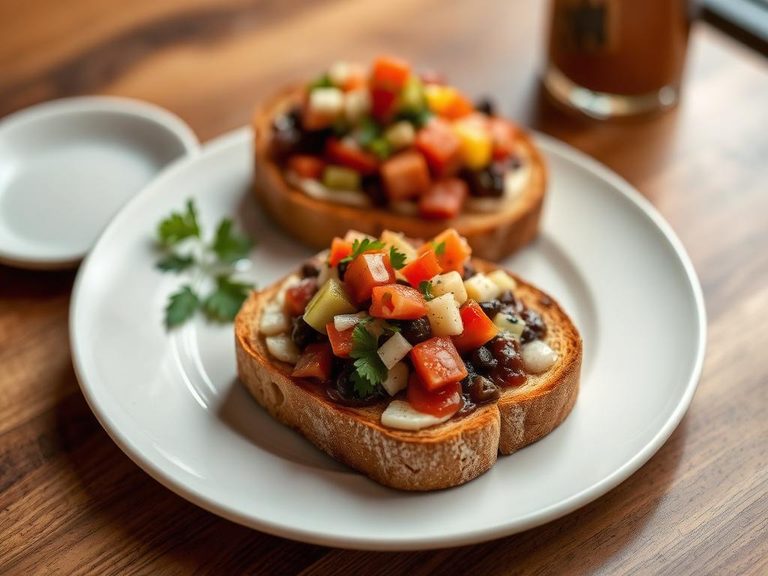
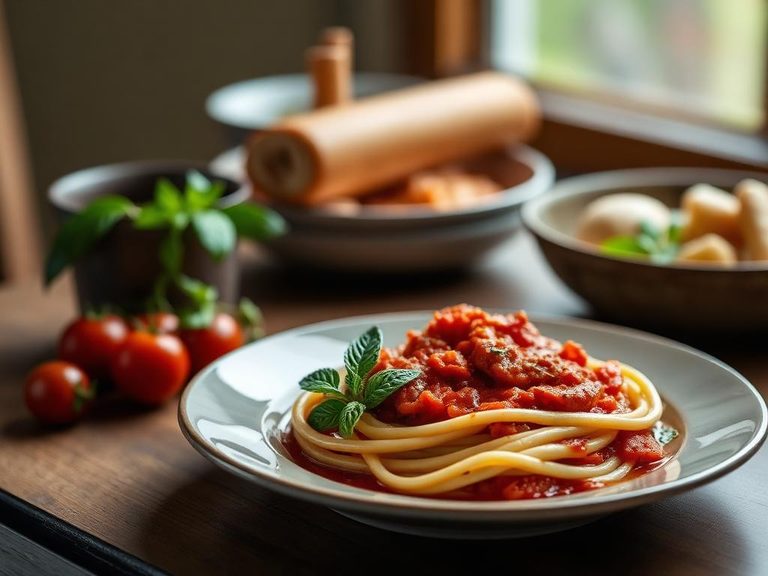
🍽️ Popular dishes
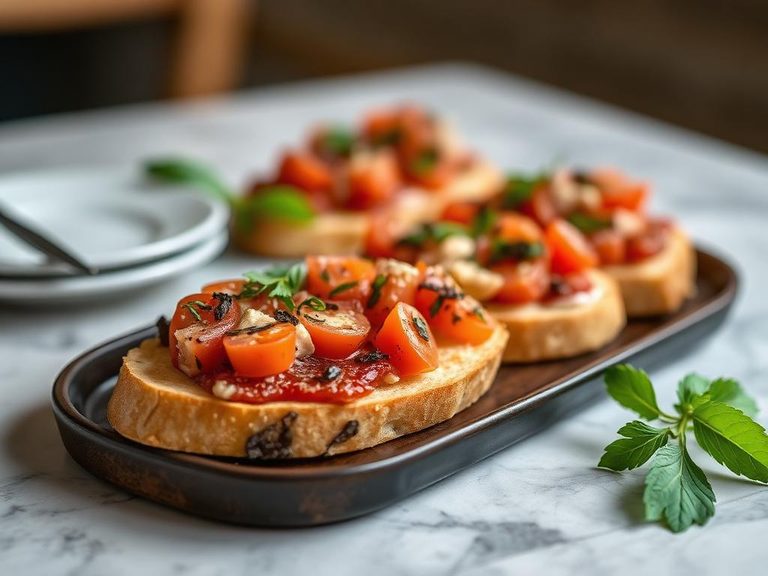
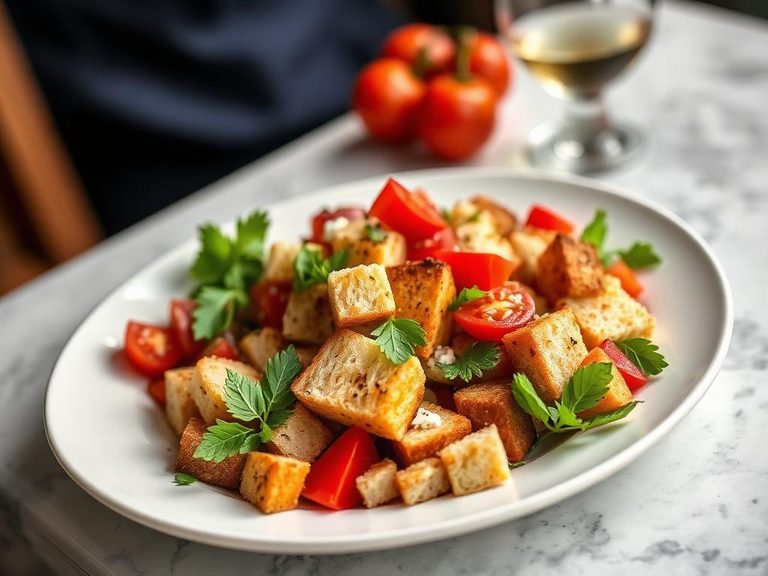
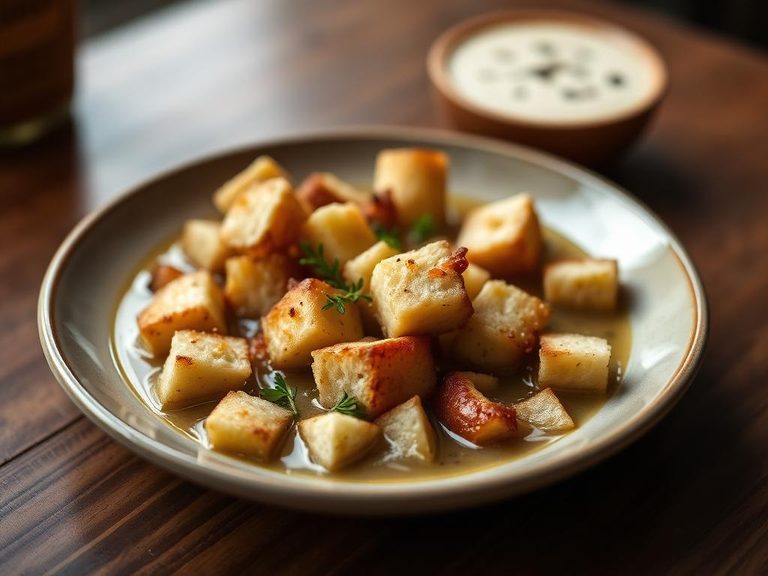
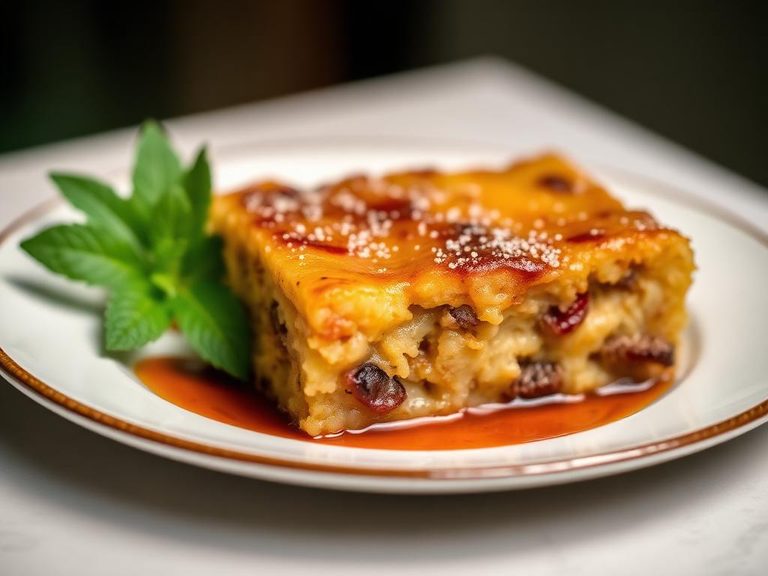
🌍 Where it's eaten
💡 Did you know?
The wild yeast and lactobacilli in sourdough starter can break down some of the grain's phytic acid, potentially making minerals like iron and zinc more available for absorption.
Full nutrition (USDA data · scales with serving)
| Water | 33.0 g |
| Energy | 272 kcal |
| Protein | 10.8 g |
| Total lipid (fat) | 2.4 g |
| Carbohydrate, by difference | 51.9 g |
| Fiber, total dietary | 2.2 g |
| Total Sugars | 4.6 g |
| Calcium, Ca | 52.0 mg |
| Iron, Fe | 3.9 mg |
| Magnesium, Mg | 32.0 mg |
| Phosphorus, P | 105 mg |
| Potassium, K | 117 mg |
| Sodium, Na | 602 mg |
| Zinc, Zn | 1.0 mg |
| Copper, Cu | 0.15 mg |
| Selenium, Se | 28.6 ug |
| Vitamin C, total ascorbic acid | 0.00 mg |
| Thiamin | 0.71 mg |
| Riboflavin | 0.43 mg |
| Niacin | 4.8 mg |
| Vitamin B-6 | 0.11 mg |
| Folate, total | 123 ug |
| Folic acid | 95.0 ug |
| Folate, food | 28.0 ug |
| Folate, DFE | 189 ug |
| Choline, total | 8.0 mg |
| Vitamin B-12 | 0.00 ug |
| Vitamin B-12, added | 0.00 ug |
| Vitamin A, RAE | 0.00 ug |
| Retinol | 0.00 ug |
| Carotene, beta | 0.00 ug |
| Carotene, alpha | 0.00 ug |
| Cryptoxanthin, beta | 0.00 ug |
| Lycopene | 0.00 ug |
| Lutein + zeaxanthin | 45.0 ug |
| Vitamin E (alpha-tocopherol) | 0.21 mg |
| Vitamin E, added | 0.00 mg |
| Vitamin D (D2 + D3) | 0.00 ug |
| Vitamin K (phylloquinone) | 0.70 ug |
| Alcohol, ethyl | 0.00 g |
| Caffeine | 0.00 mg |
| Theobromine | 0.00 mg |
Fat & fatty acid profile (per 100g)
| Fatty acids, total saturated | 0.53 g |
| SFA 4:0 | 0.00 g |
| SFA 6:0 | 0.00 g |
| SFA 8:0 | 0.00 g |
| SFA 10:0 | 0.00 g |
| SFA 12:0 | 0.00 g |
| SFA 14:0 | 0.01 g |
| SFA 16:0 | 0.36 g |
| SFA 18:0 | 0.14 g |
| Fatty acids, total monounsaturated | 0.36 g |
| MUFA 16:1 | 0.01 g |
| MUFA 18:1 | 0.34 g |
| MUFA 20:1 | 0.01 g |
| MUFA 22:1 | 0.00 g |
| Fatty acids, total polyunsaturated | 0.85 g |
| PUFA 18:2 | 0.79 g |
| PUFA 18:3 | 0.06 g |
| PUFA 18:4 | 0.00 g |
| PUFA 20:4 | 0.00 g |
| PUFA 20:5 n-3 (EPA) | 0.00 g |
| PUFA 22:5 n-3 (DPA) | 0.00 g |
| PUFA 22:6 n-3 (DHA) | 0.00 g |
| Cholesterol | 0.00 mg |
Amino acid profile (per 100g)
Estimated from Candies, TOOTSIE ROLL, chocolate-flavor roll — USDA does not publish this profile for Roll.
| Tryptophan | 0.19 g |
| Threonine | 0.04 g |
| Isoleucine | 0.06 g |
| Leucine | 0.11 g |
| Lysine | 0.09 g |
| Methionine | 0.01 g |
| Cystine | 0.00 g |
| Phenylalanine | 0.05 g |
| Tyrosine | 0.02 g |
| Valine | 0.08 g |
| Arginine | 0.06 g |
| Histidine | 0.03 g |
| Alanine | 0.06 g |
| Aspartic acid | 0.20 g |
| Glutamic acid | 0.28 g |
| Glycine | 0.05 g |
| Proline | 0.03 g |
| Serine | 0.08 g |
| Hydroxyproline | 0.00 g |
FAQ
Is sourdough bread easier to digest than regular bread?
For some people, yes. The fermentation process partially breaks down gluten and other compounds, which may reduce digestive discomfort for those with mild sensitivities, though it is not safe for those with celiac disease.
Why is sourdough bread lower on the glycemic index than white bread?
The organic acids produced during fermentation can slow down the rate at which starches are digested, leading to a more gradual rise in blood sugar compared to quickly leavened white bread.
Can I use sourdough roll for any sandwich?
It's excellent for sturdy sandwiches like a Reuben or a veggie melt, but its strong flavor and dense texture might overpower very delicate fillings like light salads or mild fish.
Nutrient density (calculated · NRF9.3)
Nutrient Rich Foods index: beneficial nutrients (protein, fiber, vitamins, minerals) minus saturated fat, added sugar & sodium, per 100 kcal.
NRF9.3 index — Fulgoni, Keast & Drewnowski, 2009. Computed from USDA nutrients.
Weight-loss friendliness (composite index)
Energy density 2.72 kcal/g · 16% calories from protein · 2.2 g fiber · 4.6 g sugar per 100 g.
Composite of energy density (Rolls et al., 1999), protein & fiber satiety, minus sugar. A calculated heuristic — ranks satiety-per-calorie, not a clinical measure.
Dietary load (calculated from USDA values)
Potential renal acid load. Positive = acid-forming, negative = alkaline-forming.
Sodium-to-potassium ratio: 5.15 (lower is better — aim for ≤ 1)
Sodium:potassium per WHO potassium guidance. Computed from USDA nutrients.