

Bread, oat bran, toasted
Whole food · Baked Products

Photo: Wikipedia
Oat bran toasted bread is a hearty, whole-grain loaf with a distinctively nutty, slightly sweet flavor and a dense, chewy texture. The toasting process deepens its earthy notes and creates a satisfying crunch. It's a nutritional powerhouse, packing over 11g of protein and nearly 5g of fiber per 100g, making it exceptionally filling.
Calorie split: 17% protein · 66% carbs · 16% fat
↓ Full nutrition💚 Why it's loved
People love it for its robust, wholesome flavor that stands up to bold toppings like avocado, smoked salmon, or sharp cheese. It's a versatile staple in health-conscious kitchens, valued for turning a simple meal into a nutrient-dense experience.
⚠️ Watch-outs & how to enjoy it better
Its dense, coarse texture can be dry or overly hearty for those accustomed to softer breads. The high fiber content may cause digestive discomfort if introduced too quickly. To counteract dryness, always toast it well and pair it with a moist topping like hummus, mashed avocado, or a drizzle of olive oil. Start with smaller portions to allow your digestive system to adjust.
Key benefits
- High in soluble fiber (beta-glucan) which supports healthy cholesterol levels.
- Excellent source of plant-based protein for sustained energy.
- Rich in B vitamins and minerals like manganese and phosphorus.
- The high fiber content promotes digestive health and satiety.
- Lower glycemic impact than many white or refined breads.
🍽️ Popular dishes
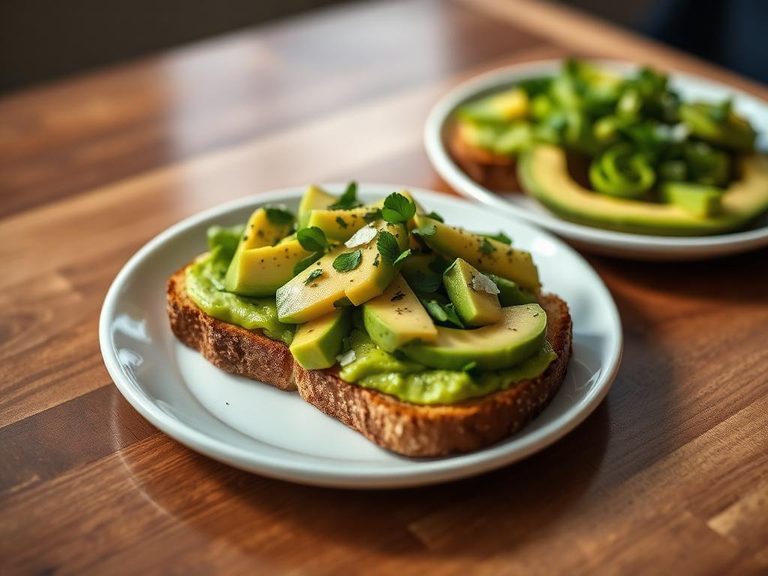
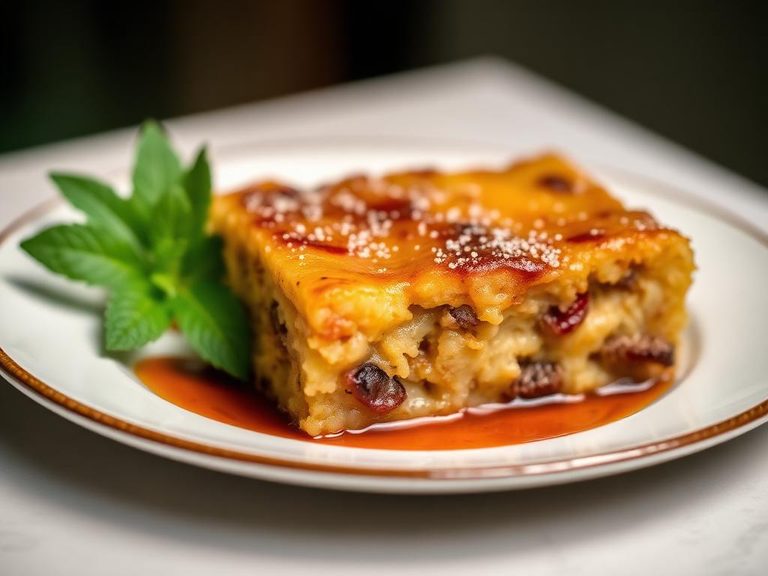
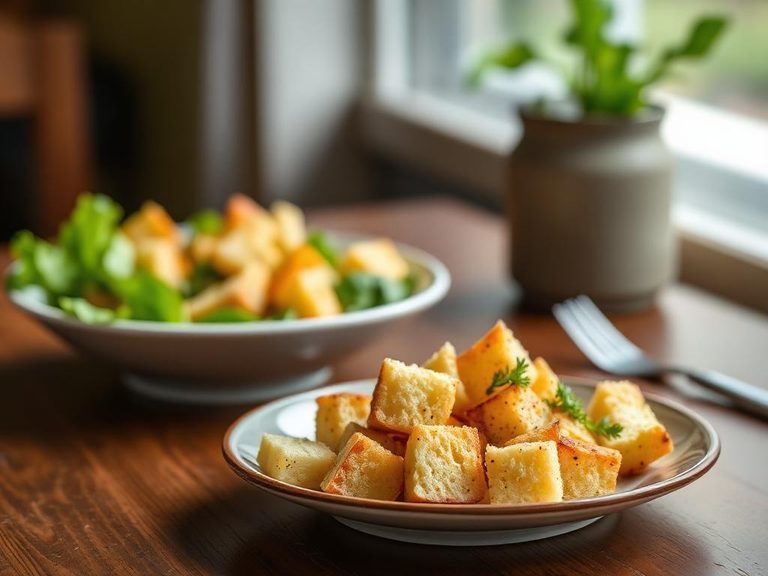

🌍 Where it's eaten
💡 Did you know?
Oat bran is the outer layer of the oat groat, and toasting it before milling can enhance its natural nutty flavor and improve its shelf life by reducing moisture content.
Full nutrition (USDA data · scales with serving)
| Water | 38.5 g |
| Energy | 259 kcal |
| Energy | 1084 kj |
| Protein | 11.4 g |
| Total lipid (fat) | 4.8 g |
| Ash | 1.6 g |
| Carbohydrate, by difference | 43.7 g |
| Fiber, total dietary | 4.9 g |
| Total Sugars | 8.5 g |
| Calcium, Ca | 71.0 mg |
| Iron, Fe | 3.4 mg |
| Magnesium, Mg | 34.0 mg |
| Phosphorus, P | 116 mg |
| Potassium, K | 123 mg |
| Sodium, Na | 387 mg |
| Zinc, Zn | 1.1 mg |
| Copper, Cu | 0.13 mg |
| Manganese, Mn | 0.76 mg |
| Selenium, Se | 33.0 ug |
| Vitamin C, total ascorbic acid | 0.00 mg |
| Thiamin | 0.44 mg |
| Riboflavin | 0.34 mg |
| Niacin | 4.8 mg |
| Pantothenic acid | 0.11 mg |
| Vitamin B-6 | 0.04 mg |
| Folate, total | 69.0 ug |
| Folic acid | 50.0 ug |
| Folate, food | 19.0 ug |
| Folate, DFE | 104 ug |
| Choline, total | 16.1 mg |
| Vitamin B-12 | 0.00 ug |
| Vitamin B-12, added | 0.00 ug |
| Vitamin A, RAE | 2.0 ug |
| Retinol | 2.0 ug |
| Carotene, beta | 0.00 ug |
| Carotene, alpha | 0.00 ug |
| Cryptoxanthin, beta | 0.00 ug |
| Vitamin A, IU | 5.0 iu |
| Lycopene | 0.00 ug |
| Lutein + zeaxanthin | 48.0 ug |
| Vitamin E (alpha-tocopherol) | 0.48 mg |
| Vitamin E, added | 0.00 mg |
| Vitamin D (D2 + D3), International Units | 0.00 iu |
| Vitamin D (D2 + D3) | 0.00 ug |
| Vitamin K (phylloquinone) | 1.3 ug |
| Alcohol, ethyl | 0.00 g |
| Caffeine | 0.00 mg |
| Theobromine | 0.00 mg |
Fat & fatty acid profile (per 100g)
| Fatty acids, total saturated | 0.77 g |
| SFA 4:0 | 0.00 g |
| SFA 6:0 | 0.00 g |
| SFA 8:0 | 0.00 g |
| SFA 10:0 | 0.00 g |
| SFA 12:0 | 0.00 g |
| SFA 14:0 | 0.01 g |
| SFA 16:0 | 0.58 g |
| SFA 18:0 | 0.17 g |
| Fatty acids, total monounsaturated | 1.7 g |
| MUFA 16:1 | 0.03 g |
| MUFA 18:1 | 1.7 g |
| MUFA 20:1 | 0.00 g |
| MUFA 22:1 | 0.00 g |
| Fatty acids, total polyunsaturated | 1.9 g |
| PUFA 18:2 | 1.7 g |
| PUFA 18:3 | 0.11 g |
| PUFA 18:4 | 0.00 g |
| PUFA 20:4 | 0.00 g |
| PUFA 20:5 n-3 (EPA) | 0.00 g |
| PUFA 22:5 n-3 (DPA) | 0.00 g |
| PUFA 22:6 n-3 (DHA) | 0.00 g |
| Cholesterol | 0.00 mg |
Amino acid profile (per 100g)
| Tryptophan | 0.14 g |
| Threonine | 0.33 g |
| Isoleucine | 0.44 g |
| Leucine | 0.81 g |
| Lysine | 0.33 g |
| Methionine | 0.20 g |
| Cystine | 0.26 g |
| Phenylalanine | 0.57 g |
| Tyrosine | 0.36 g |
| Valine | 0.51 g |
| Arginine | 0.49 g |
| Histidine | 0.25 g |
| Alanine | 0.41 g |
| Aspartic acid | 0.60 g |
| Glutamic acid | 3.5 g |
| Glycine | 0.43 g |
| Proline | 1.2 g |
| Serine | 0.55 g |
FAQ
Is oat bran bread gluten-free?
Not necessarily. While oats themselves are gluten-free, they are often processed in facilities that handle wheat, leading to cross-contamination. Look for a certified gluten-free label if you have celiac disease or gluten sensitivity.
How does it compare to whole wheat bread?
Oat bran bread typically has more soluble fiber (beta-glucan) and a nuttier flavor than whole wheat bread, which is higher in insoluble fiber. Both are nutritious whole-grain options.
Why is it so dense?
The high proportion of oat bran, which is rich in fiber and protein, absorbs more water and creates a heavier, denser crumb compared to breads made primarily with refined flour.
Nutrient density (calculated · NRF9.3)
Nutrient Rich Foods index: beneficial nutrients (protein, fiber, vitamins, minerals) minus saturated fat, added sugar & sodium, per 100 kcal.
NRF9.3 index — Fulgoni, Keast & Drewnowski, 2009. Computed from USDA nutrients.
Weight-loss friendliness (composite index)
Energy density 2.59 kcal/g · 18% calories from protein · 4.9 g fiber · 8.5 g sugar per 100 g.
Composite of energy density (Rolls et al., 1999), protein & fiber satiety, minus sugar. A calculated heuristic — ranks satiety-per-calorie, not a clinical measure.
Dietary load (calculated from USDA values)
Potential renal acid load. Positive = acid-forming, negative = alkaline-forming.
Sodium-to-potassium ratio: 3.15 (lower is better — aim for ≤ 1)
Sodium:potassium per WHO potassium guidance. Computed from USDA nutrients.