

Bread, French or Vienna
Common food
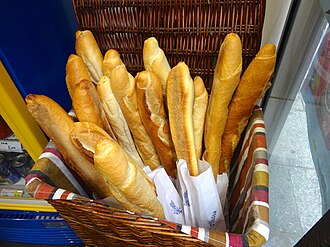
Photo: Wikipedia
A classic, crusty loaf with a golden, crackling crust and a soft, airy interior. Its flavor is subtly tangy and wheaty, with a chewy texture that's perfect for tearing or slicing. Nutritionally, it's a significant source of carbohydrates for energy, with a modest amount of protein.
Calorie split: 16% protein · 76% carbs · 8% fat
↓ Full nutrition💚 Why it's loved
People adore its satisfying crunch and the way it acts as a perfect, neutral canvas for everything from butter and jam to savory cheeses and soups. It's a cultural staple, embodying the artisanal craft of baking.
⚠️ Watch-outs & how to enjoy it better
Its high glycemic index can cause rapid blood-sugar spikes, which is a concern for those managing diabetes. It's also a common source of gluten, a major allergen. To counteract, always pair it with protein (like eggs or cheese) or healthy fats (like avocado or olive oil) to slow digestion, and practice portion control.
Key benefits
- Good source of quick-release energy from complex carbs
- Provides some plant-based protein
- Low in fat, making it a lighter bread option
- Can be a vehicle for nutrient-dense toppings
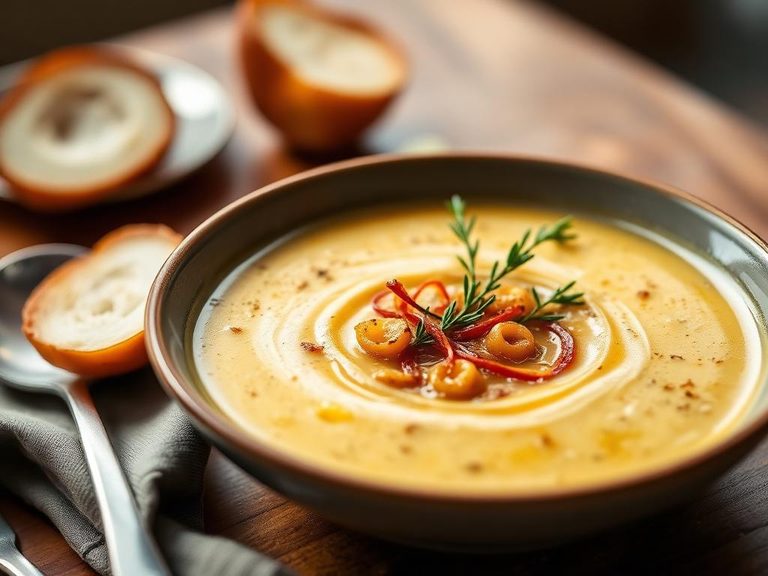
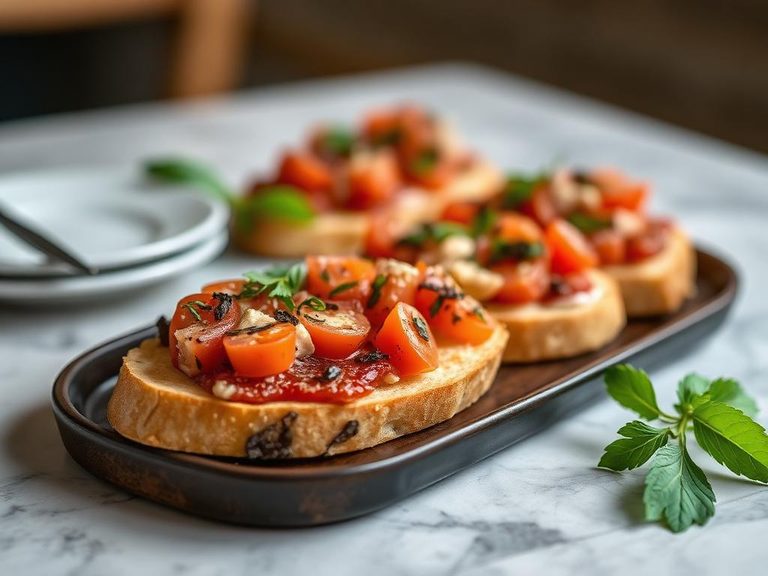
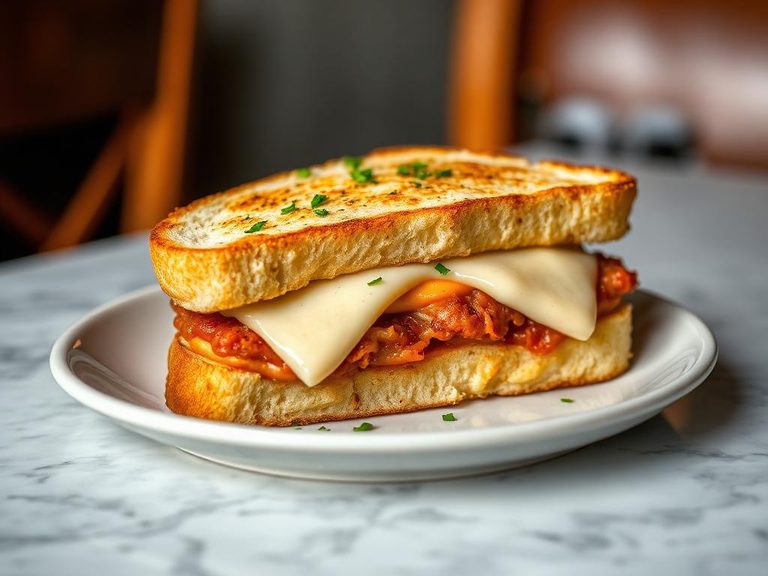
🍽️ Popular dishes

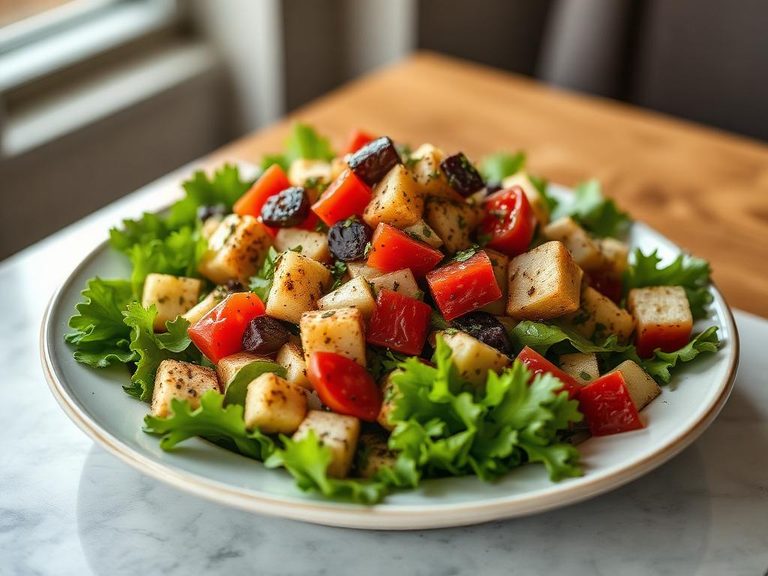
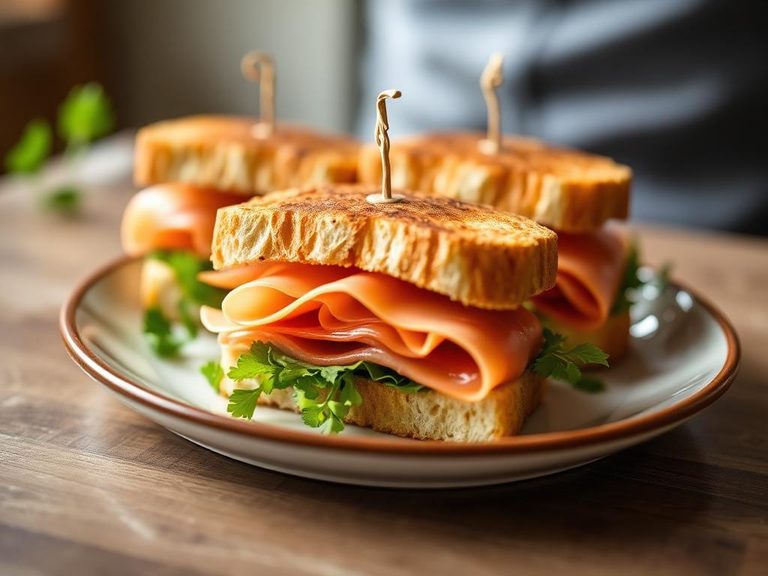
🌍 Where it's eaten
💡 Did you know?
The signature crackly crust of a baguette is created by injecting steam into the oven during the first few minutes of baking, which gelatinizes the surface starches.
Full nutrition (USDA data · scales with serving)
| Water | 33.0 g |
| Energy | 272 kcal |
| Protein | 10.8 g |
| Total lipid (fat) | 2.4 g |
| Carbohydrate, by difference | 51.9 g |
| Fiber, total dietary | 2.2 g |
| Total Sugars | 4.6 g |
| Calcium, Ca | 52.0 mg |
| Iron, Fe | 3.9 mg |
| Magnesium, Mg | 32.0 mg |
| Phosphorus, P | 105 mg |
| Potassium, K | 117 mg |
| Sodium, Na | 602 mg |
| Zinc, Zn | 1.0 mg |
| Copper, Cu | 0.15 mg |
| Selenium, Se | 28.6 ug |
| Vitamin C, total ascorbic acid | 0.00 mg |
| Thiamin | 0.71 mg |
| Riboflavin | 0.43 mg |
| Niacin | 4.8 mg |
| Vitamin B-6 | 0.11 mg |
| Folate, total | 123 ug |
| Folic acid | 95.0 ug |
| Folate, food | 28.0 ug |
| Folate, DFE | 189 ug |
| Choline, total | 8.0 mg |
| Vitamin B-12 | 0.00 ug |
| Vitamin B-12, added | 0.00 ug |
| Vitamin A, RAE | 0.00 ug |
| Retinol | 0.00 ug |
| Carotene, beta | 0.00 ug |
| Carotene, alpha | 0.00 ug |
| Cryptoxanthin, beta | 0.00 ug |
| Lycopene | 0.00 ug |
| Lutein + zeaxanthin | 45.0 ug |
| Vitamin E (alpha-tocopherol) | 0.21 mg |
| Vitamin E, added | 0.00 mg |
| Vitamin D (D2 + D3) | 0.00 ug |
| Vitamin K (phylloquinone) | 0.70 ug |
| Alcohol, ethyl | 0.00 g |
| Caffeine | 0.00 mg |
| Theobromine | 0.00 mg |
Fat & fatty acid profile (per 100g)
| Fatty acids, total saturated | 0.53 g |
| SFA 4:0 | 0.00 g |
| SFA 6:0 | 0.00 g |
| SFA 8:0 | 0.00 g |
| SFA 10:0 | 0.00 g |
| SFA 12:0 | 0.00 g |
| SFA 14:0 | 0.01 g |
| SFA 16:0 | 0.36 g |
| SFA 18:0 | 0.14 g |
| Fatty acids, total monounsaturated | 0.36 g |
| MUFA 16:1 | 0.01 g |
| MUFA 18:1 | 0.34 g |
| MUFA 20:1 | 0.01 g |
| MUFA 22:1 | 0.00 g |
| Fatty acids, total polyunsaturated | 0.85 g |
| PUFA 18:2 | 0.79 g |
| PUFA 18:3 | 0.06 g |
| PUFA 18:4 | 0.00 g |
| PUFA 20:4 | 0.00 g |
| PUFA 20:5 n-3 (EPA) | 0.00 g |
| PUFA 22:5 n-3 (DPA) | 0.00 g |
| PUFA 22:6 n-3 (DHA) | 0.00 g |
| Cholesterol | 0.00 mg |
Amino acid profile (per 100g)
Estimated from Bread, salvadoran sweet cheese (quesadilla salvadorena) — USDA does not publish this profile for Bread.
| Tryptophan | 0.07 g |
| Threonine | 0.21 g |
| Isoleucine | 0.30 g |
| Leucine | 0.65 g |
| Lysine | 0.50 g |
| Methionine | 0.28 g |
| Cystine | 0.06 g |
| Phenylalanine | 0.37 g |
| Tyrosine | 0.23 g |
| Valine | 0.43 g |
| Arginine | 0.25 g |
| Histidine | 0.15 g |
| Alanine | 0.36 g |
| Aspartic acid | 0.59 g |
| Glutamic acid | 1.3 g |
| Glycine | 0.20 g |
| Proline | 0.83 g |
| Serine | 0.45 g |
| Hydroxyproline | 0.00 g |
FAQ
Why does the crust get hard so quickly after baking?
The crust hardens due to retrogradation, where starch molecules recrystallize and expel moisture. Storing it in a paper bag at room temperature helps maintain a crisp crust longer than plastic, which traps moisture and makes it chewy.
Is French bread healthier than white sandwich bread?
Nutritionally, they are very similar, as both are typically made from refined white flour. The main difference is often in the texture and preparation method. A traditional baguette may have fewer additives than some commercial sandwich breads.
Can I freeze French bread?
Yes, it freezes exceptionally well. Slice it before freezing for easy use. To refresh, place slices directly in a toaster or a 180°C (350°F) oven for a few minutes until warm and crisp.
Nutrient density (calculated · NRF9.3)
Nutrient Rich Foods index: beneficial nutrients (protein, fiber, vitamins, minerals) minus saturated fat, added sugar & sodium, per 100 kcal.
NRF9.3 index — Fulgoni, Keast & Drewnowski, 2009. Computed from USDA nutrients.
Weight-loss friendliness (composite index)
Energy density 2.72 kcal/g · 16% calories from protein · 2.2 g fiber · 4.6 g sugar per 100 g.
Composite of energy density (Rolls et al., 1999), protein & fiber satiety, minus sugar. A calculated heuristic — ranks satiety-per-calorie, not a clinical measure.
Dietary load (calculated from USDA values)
Potential renal acid load. Positive = acid-forming, negative = alkaline-forming.
Sodium-to-potassium ratio: 5.15 (lower is better — aim for ≤ 1)
Sodium:potassium per WHO potassium guidance. Computed from USDA nutrients.