

Bread, French or Vienna, toasted
Common food
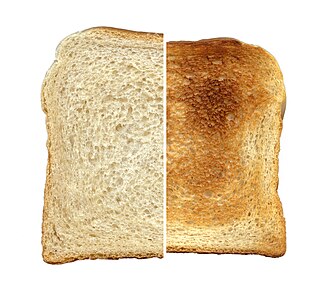
Photo: Wikipedia
This is a slice of classic French or Vienna-style bread, toasted to a golden, crisp perfection. The Maillard reaction creates a nutty, caramelized aroma and a satisfying crunch that gives way to a tender, chewy interior. Nutritionally, it's a high-carb, low-fat energy source, providing a quick and substantial fuel boost.
Calorie split: 16% protein · 76% carbs · 8% fat
↓ Full nutrition💚 Why it's loved
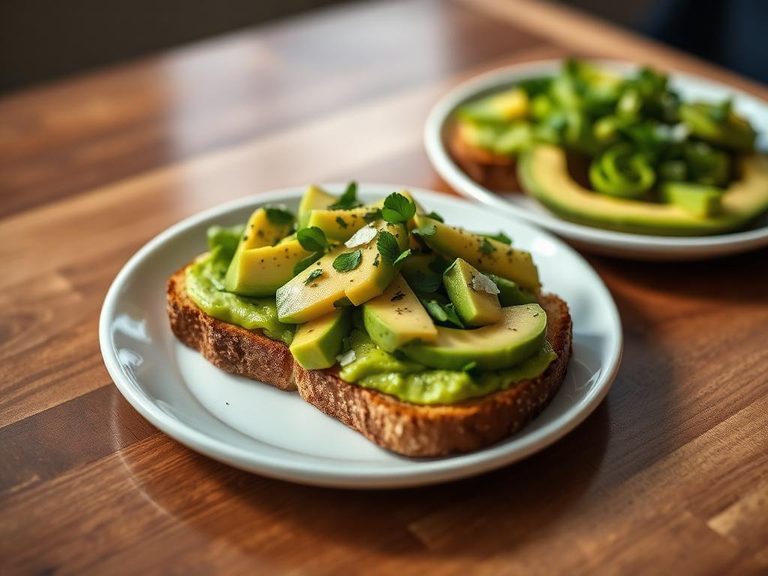
People adore it for its transformative texture—the perfect crisp foundation for everything from simple butter to elaborate avocado toast. It carries the comforting, nostalgic aroma of a bakery and is a staple of French bistro culture and Viennese coffeehouse tradition.
⚠️ Watch-outs & how to enjoy it better
Its high glycemic index can cause rapid blood-sugar spikes, especially when eaten alone. It's also a common gluten-containing allergen. To counteract this, always pair it with a protein (like eggs or ham) or healthy fat (like avocado or nut butter) to slow digestion and stabilize energy.
Key benefits
- Provides quick, accessible energy from complex carbohydrates.
- Low in fat, making it a lean base for toppings.
- Contains some plant-based protein for muscle maintenance.
- Toasting can reduce moisture, potentially improving digestibility for some.
- A versatile, neutral canvas for both sweet and savory flavors.
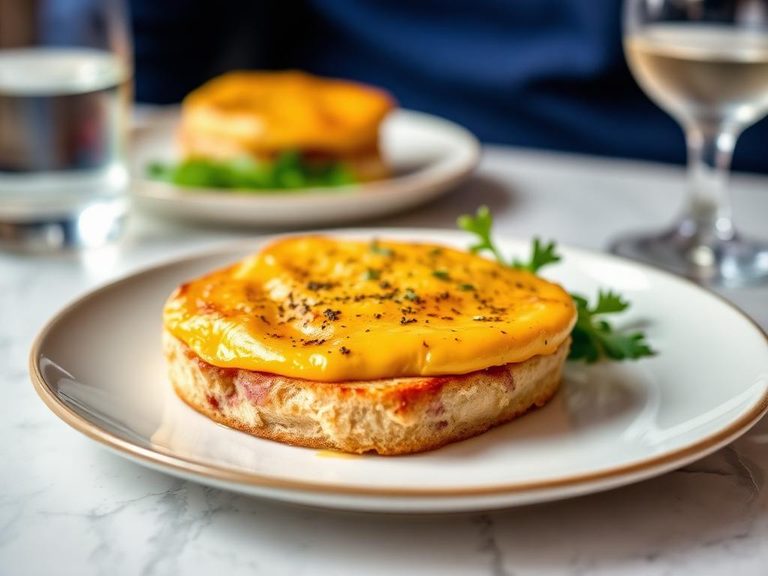
🍽️ Popular dishes
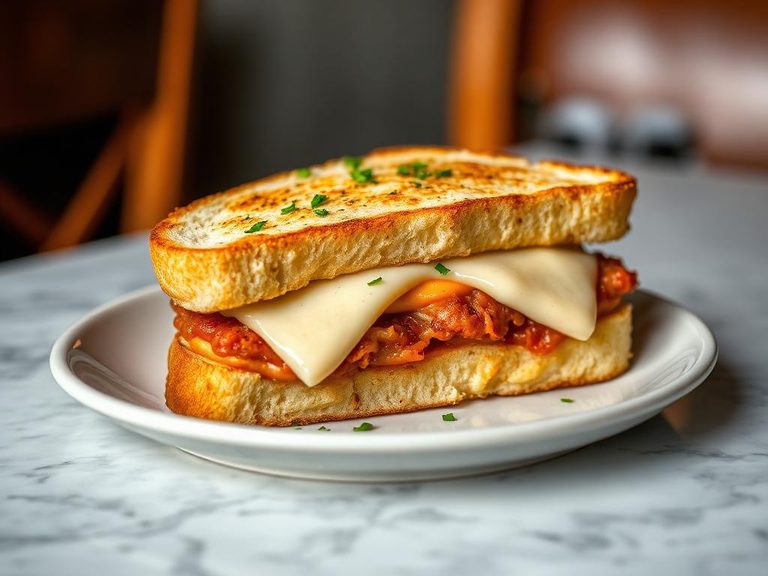

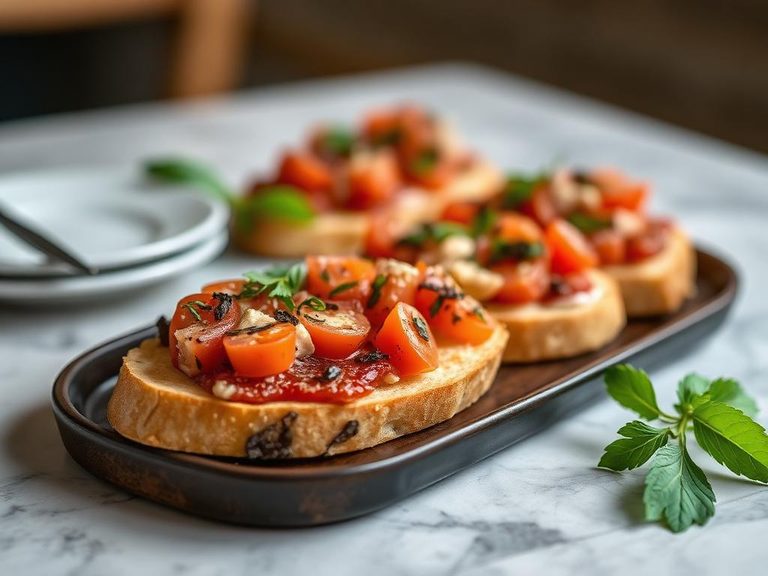
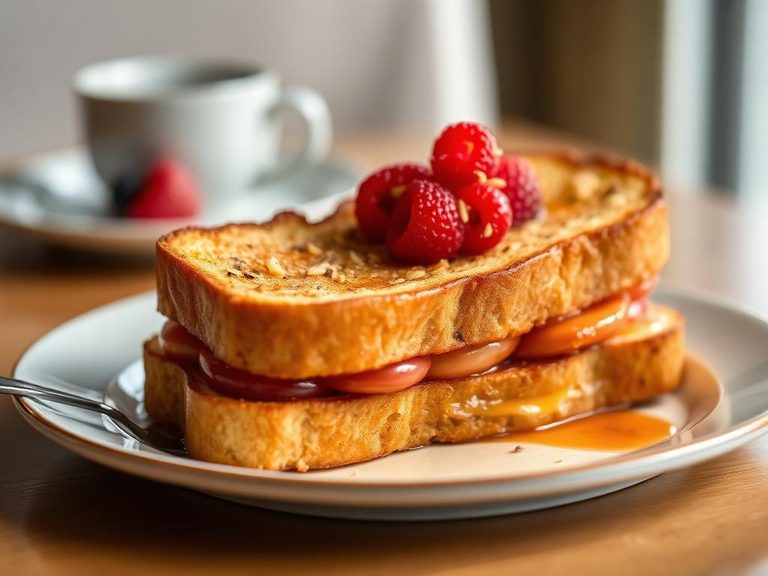
🌍 Where it's eaten
💡 Did you know?
The specific 'French bread' used for classic French toast in the U.S. is often a brioche or challah, not the traditional baguette, chosen for its rich, egg-soaked texture.
Full nutrition (USDA data · scales with serving)
| Water | 26.4 g |
| Energy | 299 kcal |
| Protein | 11.8 g |
| Total lipid (fat) | 2.7 g |
| Carbohydrate, by difference | 57.0 g |
| Fiber, total dietary | 2.4 g |
| Total Sugars | 5.1 g |
| Calcium, Ca | 57.0 mg |
| Iron, Fe | 4.3 mg |
| Magnesium, Mg | 35.0 mg |
| Phosphorus, P | 115 mg |
| Potassium, K | 129 mg |
| Sodium, Na | 662 mg |
| Zinc, Zn | 1.1 mg |
| Copper, Cu | 0.17 mg |
| Selenium, Se | 31.4 ug |
| Vitamin C, total ascorbic acid | 0.00 mg |
| Thiamin | 0.62 mg |
| Riboflavin | 0.47 mg |
| Niacin | 5.3 mg |
| Vitamin B-6 | 0.12 mg |
| Folate, total | 115 ug |
| Folic acid | 89.0 ug |
| Folate, food | 26.0 ug |
| Folate, DFE | 177 ug |
| Choline, total | 8.8 mg |
| Vitamin B-12 | 0.00 ug |
| Vitamin B-12, added | 0.00 ug |
| Vitamin A, RAE | 0.00 ug |
| Retinol | 0.00 ug |
| Carotene, beta | 0.00 ug |
| Carotene, alpha | 0.00 ug |
| Cryptoxanthin, beta | 0.00 ug |
| Lycopene | 0.00 ug |
| Lutein + zeaxanthin | 47.0 ug |
| Vitamin E (alpha-tocopherol) | 0.23 mg |
| Vitamin E, added | 0.00 mg |
| Vitamin D (D2 + D3) | 0.00 ug |
| Vitamin K (phylloquinone) | 0.80 ug |
| Alcohol, ethyl | 0.00 g |
| Caffeine | 0.00 mg |
| Theobromine | 0.00 mg |
Fat & fatty acid profile (per 100g)
| Fatty acids, total saturated | 0.58 g |
| SFA 4:0 | 0.00 g |
| SFA 6:0 | 0.00 g |
| SFA 8:0 | 0.00 g |
| SFA 10:0 | 0.00 g |
| SFA 12:0 | 0.00 g |
| SFA 14:0 | 0.01 g |
| SFA 16:0 | 0.40 g |
| SFA 18:0 | 0.15 g |
| Fatty acids, total monounsaturated | 0.40 g |
| MUFA 16:1 | 0.01 g |
| MUFA 18:1 | 0.38 g |
| MUFA 20:1 | 0.01 g |
| MUFA 22:1 | 0.00 g |
| Fatty acids, total polyunsaturated | 0.94 g |
| PUFA 18:2 | 0.87 g |
| PUFA 18:3 | 0.07 g |
| PUFA 18:4 | 0.00 g |
| PUFA 20:4 | 0.00 g |
| PUFA 20:5 n-3 (EPA) | 0.00 g |
| PUFA 22:5 n-3 (DPA) | 0.00 g |
| PUFA 22:6 n-3 (DHA) | 0.00 g |
| Cholesterol | 0.00 mg |
Amino acid profile (per 100g)
Estimated from Bread, salvadoran sweet cheese (quesadilla salvadorena) — USDA does not publish this profile for Bread.
| Tryptophan | 0.07 g |
| Threonine | 0.21 g |
| Isoleucine | 0.30 g |
| Leucine | 0.65 g |
| Lysine | 0.50 g |
| Methionine | 0.28 g |
| Cystine | 0.06 g |
| Phenylalanine | 0.37 g |
| Tyrosine | 0.23 g |
| Valine | 0.43 g |
| Arginine | 0.25 g |
| Histidine | 0.15 g |
| Alanine | 0.36 g |
| Aspartic acid | 0.59 g |
| Glutamic acid | 1.3 g |
| Glycine | 0.20 g |
| Proline | 0.83 g |
| Serine | 0.45 g |
| Hydroxyproline | 0.00 g |
FAQ
Is toasted bread less fattening than untoasted?
No, the calorie and macronutrient content remains virtually the same. Toasting primarily changes texture and flavor through dehydration and browning, not nutritional composition.
Why does toast sometimes taste bitter?
Over-toasting can cause excessive charring, which introduces bitter compounds. A light, golden-brown toast maximizes flavor without the bitterness.
Can I use this bread for sandwiches without toasting?
Absolutely. While toasting adds crunch and structural integrity, untoasted French or Vienna bread is softer and more pliable, ideal for delicate fillings like pâté or soft cheeses.
Nutrient density (calculated · NRF9.3)
Nutrient Rich Foods index: beneficial nutrients (protein, fiber, vitamins, minerals) minus saturated fat, added sugar & sodium, per 100 kcal.
NRF9.3 index — Fulgoni, Keast & Drewnowski, 2009. Computed from USDA nutrients.
Weight-loss friendliness (composite index)
Energy density 2.99 kcal/g · 16% calories from protein · 2.4 g fiber · 5.1 g sugar per 100 g.
Composite of energy density (Rolls et al., 1999), protein & fiber satiety, minus sugar. A calculated heuristic — ranks satiety-per-calorie, not a clinical measure.
Dietary load (calculated from USDA values)
Potential renal acid load. Positive = acid-forming, negative = alkaline-forming.
Sodium-to-potassium ratio: 5.13 (lower is better — aim for ≤ 1)
Sodium:potassium per WHO potassium guidance. Computed from USDA nutrients.