

Bologna, pork, turkey and beef
Whole food · Sausages and Luncheon Meats

Photo: Wikipedia
This is a classic, finely ground deli meat made from a blend of pork, turkey, and beef, creating a smooth, uniform texture with a mild, savory, and slightly smoky flavor. Nutritionally, it's a dense source of protein and fat, with minimal carbohydrates, making it a staple for quick sandwiches and snacks. Its soft, sliceable consistency and consistent taste profile make it a reliable, comforting component in many lunchboxes and diner meals.
Calorie split: 14% protein · 8% carbs · 78% fat
↓ Full nutrition💚 Why it's loved
People love its familiar, salty-savory taste and soft, melt-in-your-mouth texture that's perfect for stacking in sandwiches or dicing into dishes. Its cultural nostalgia is strong, evoking classic American delis, school lunches, and simple, comforting meals.
⚠️ Watch-outs & how to enjoy it better
It is typically high in sodium and saturated fat, which can be a concern for those monitoring heart health or blood pressure. To counteract this, pair it with potassium-rich foods like lettuce, tomato, or avocado, and choose low-sodium varieties when available. Portion control is key; use it as a flavor component rather than the main bulk of a meal.
Key benefits
- High-quality complete protein source (11.56g per 100g)
- Very low in carbohydrates and sugars
- Provides quick energy from its fat content
- Versatile and convenient for meal prep
- Long shelf life when properly stored
🍽️ Popular dishes
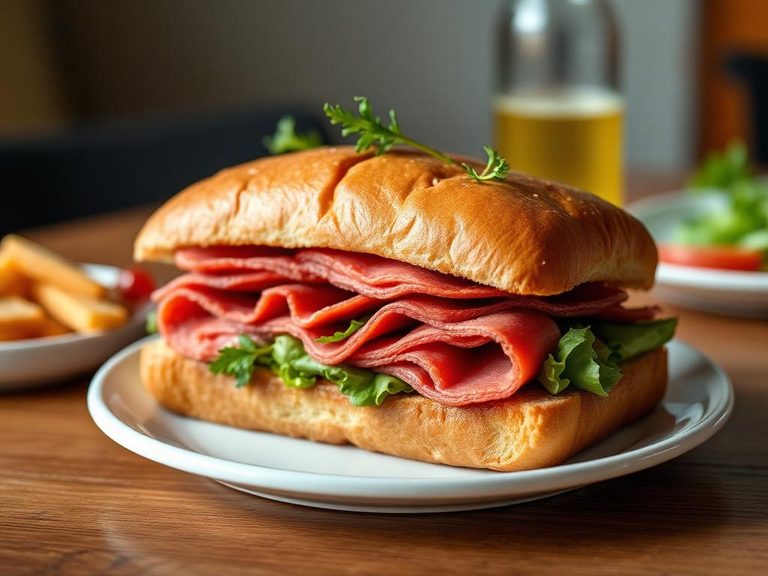

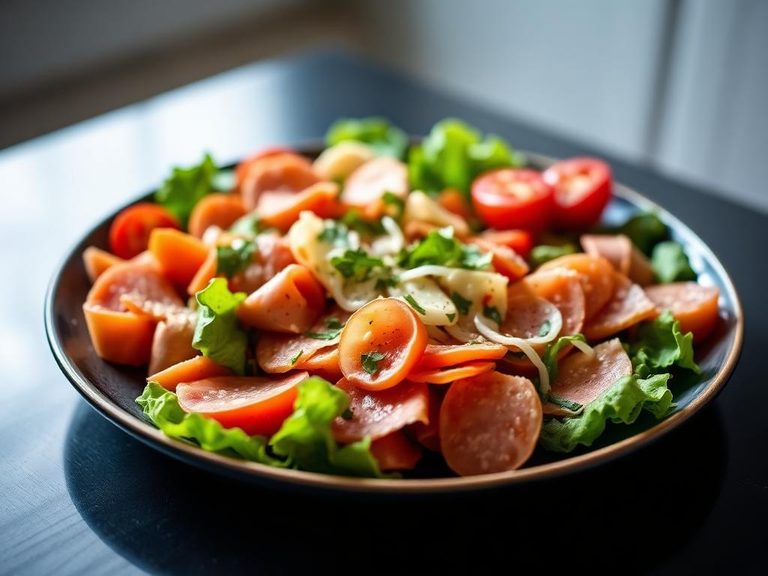
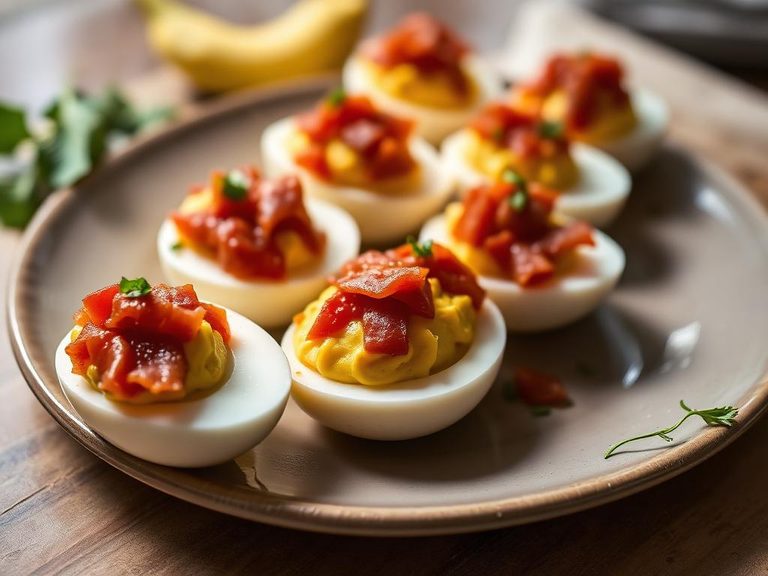
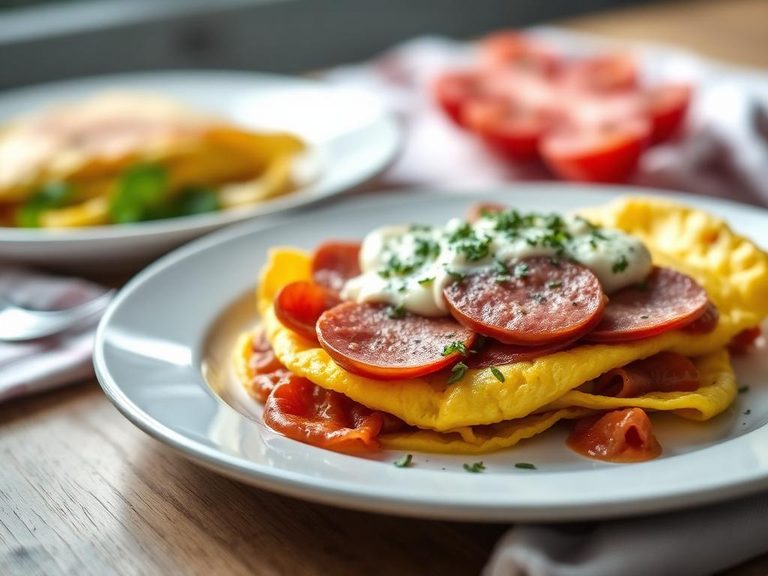
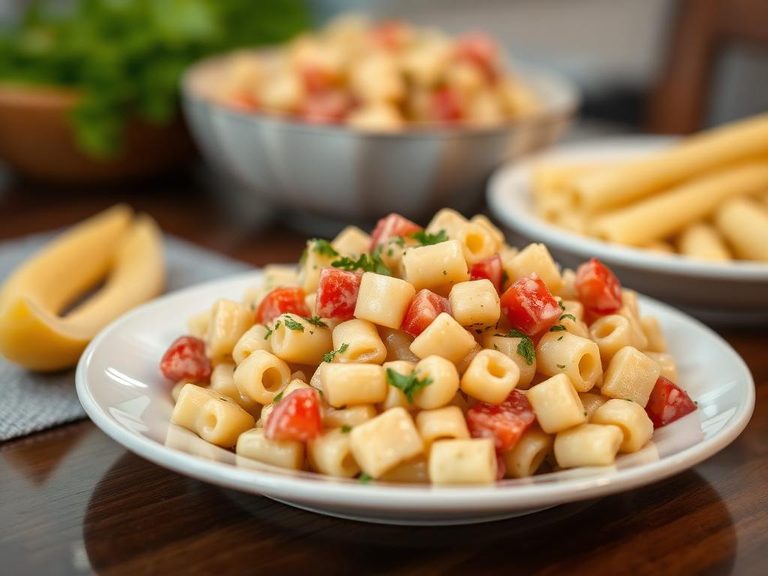
🌍 Where it's eaten
💡 Did you know?
In the U.S., a thick slice of bologna is sometimes pan-fried until crispy and served on a hamburger bun, a preparation famously called a 'petty boy' in some regions.
Full nutrition (USDA data · scales with serving)
| Water | 45.4 g |
| Energy | 336 kcal |
| Energy | 1406 kj |
| Protein | 11.6 g |
| Total lipid (fat) | 29.3 g |
| Ash | 7.2 g |
| Carbohydrate, by difference | 6.7 g |
| Fiber, total dietary | 0.00 g |
| Total Sugars | 1.4 g |
| Calcium, Ca | 31.0 mg |
| Iron, Fe | 1.2 mg |
| Magnesium, Mg | 14.0 mg |
| Phosphorus, P | 128 mg |
| Potassium, K | 222 mg |
| Sodium, Na | 1055 mg |
| Zinc, Zn | 2.2 mg |
| Copper, Cu | 0.09 mg |
| Manganese, Mn | 0.27 mg |
| Selenium, Se | 12.4 ug |
| Fluoride, F | 36.0 ug |
| Vitamin C, total ascorbic acid | 11.0 mg |
| Thiamin | 0.15 mg |
| Riboflavin | 0.15 mg |
| Niacin | 3.3 mg |
| Pantothenic acid | 0.36 mg |
| Vitamin B-6 | 0.39 mg |
| Folate, total | 4.0 ug |
| Folic acid | 0.00 ug |
| Folate, food | 4.0 ug |
| Folate, DFE | 4.0 ug |
| Vitamin B-12 | 1.1 ug |
| Vitamin A, RAE | 0.00 ug |
| Retinol | 0.00 ug |
| Carotene, beta | 0.00 ug |
| Carotene, alpha | 0.00 ug |
| Cryptoxanthin, beta | 0.00 ug |
| Vitamin A, IU | 0.00 iu |
| Lycopene | 0.00 ug |
| Lutein + zeaxanthin | 0.00 ug |
| Vitamin E (alpha-tocopherol) | 0.00 mg |
| Alcohol, ethyl | 0.00 g |
| Caffeine | 0.00 mg |
| Theobromine | 0.00 mg |
Fat & fatty acid profile (per 100g)
| Fatty acids, total saturated | 11.7 g |
| SFA 4:0 | 0.00 g |
| SFA 6:0 | 0.00 g |
| SFA 8:0 | 0.00 g |
| SFA 10:0 | 0.06 g |
| SFA 12:0 | 0.07 g |
| SFA 14:0 | 0.65 g |
| SFA 16:0 | 7.1 g |
| SFA 18:0 | 3.8 g |
| Fatty acids, total monounsaturated | 12.8 g |
| MUFA 16:1 | 1.1 g |
| MUFA 18:1 | 11.5 g |
| MUFA 20:1 | 0.14 g |
| MUFA 22:1 | 0.00 g |
| Fatty acids, total polyunsaturated | 2.5 g |
| PUFA 18:2 | 2.2 g |
| PUFA 18:3 | 0.29 g |
| PUFA 18:4 | 0.00 g |
| PUFA 20:4 | 0.05 g |
| PUFA 20:5 n-3 (EPA) | 0.00 g |
| PUFA 22:5 n-3 (DPA) | 0.00 g |
| PUFA 22:6 n-3 (DHA) | 0.00 g |
| Cholesterol | 75.0 mg |
| Phytosterols | 0.00 mg |
Amino acid profile (per 100g)
| Tryptophan | 0.13 g |
| Threonine | 0.51 g |
| Isoleucine | 0.54 g |
| Leucine | 0.94 g |
| Lysine | 1.0 g |
| Methionine | 0.30 g |
| Cystine | 0.14 g |
| Phenylalanine | 0.47 g |
| Tyrosine | 0.39 g |
| Valine | 0.61 g |
| Arginine | 0.91 g |
| Histidine | 0.36 g |
| Alanine | 0.72 g |
| Aspartic acid | 1.1 g |
| Glutamic acid | 1.9 g |
| Glycine | 0.66 g |
| Proline | 0.52 g |
| Serine | 0.49 g |
FAQ
What's the difference between bologna and mortadella?
Bologna is the Americanized, emulsified version of Italian mortadella. True mortadella is a whole-muscle sausage from Bologna, Italy, studded with larger fat cubes and often pistachios, with a coarser texture and more complex flavor.
Can I freeze bologna?
Yes, bologna freezes well for 1-2 months. For best results, separate slices with parchment paper, place in a freezer bag, and thaw in the refrigerator. The texture may become slightly crumbly after freezing.
Is this a good post-workout food?
It provides protein for muscle repair, but its high sodium and fat content make it less ideal than leaner options like turkey breast or chicken. It's better suited as an occasional protein source rather than a staple recovery food.
Nutrient density (calculated · NRF9.3)
Nutrient Rich Foods index: beneficial nutrients (protein, fiber, vitamins, minerals) minus saturated fat, added sugar & sodium, per 100 kcal.
NRF9.3 index — Fulgoni, Keast & Drewnowski, 2009. Computed from USDA nutrients.
Weight-loss friendliness (composite index)
Energy density 3.36 kcal/g · 14% calories from protein · 0.0 g fiber · 1.4 g sugar per 100 g.
Composite of energy density (Rolls et al., 1999), protein & fiber satiety, minus sugar. A calculated heuristic — ranks satiety-per-calorie, not a clinical measure.
Dietary load (calculated from USDA values)
Potential renal acid load. Positive = acid-forming, negative = alkaline-forming.
Sodium-to-potassium ratio: 4.75 (lower is better — aim for ≤ 1)
Sodium:potassium per WHO potassium guidance. Computed from USDA nutrients.