

Beverages, Whey protein powder isolate
Whole food · Beverages

Photo: Wikipedia
Whey protein isolate is a highly refined dairy powder, often with a neutral or slightly milky taste and a fine, mixable texture that dissolves smoothly. Nutritionally, it is a powerhouse, packing over 58 grams of protein per 100g with minimal fat and sugar, making it a staple for muscle repair and lean nutrition.
Calorie split: 65% protein · 32% carbs · 3% fat
↓ Full nutrition💚 Why it's loved
It's beloved for its ability to seamlessly boost the protein content of shakes, oatmeal, and baked goods without significantly altering the taste, fitting perfectly into modern fitness and convenience-focused diets.
⚠️ Watch-outs & how to enjoy it better
Some may experience digestive discomfort (bloating or gas) due to residual lactose or artificial sweeteners often added. Those with a dairy allergy should avoid it entirely; others can start with small portions or choose an unflavored, unsweetened version.
Key benefits
- Extremely high protein content per serving
- Very low in fat and naturally occurring sugar
- Fast-absorbing for post-workout recovery
- Lactose content is significantly reduced
- Versatile for adding protein to various foods
🍽️ Popular dishes
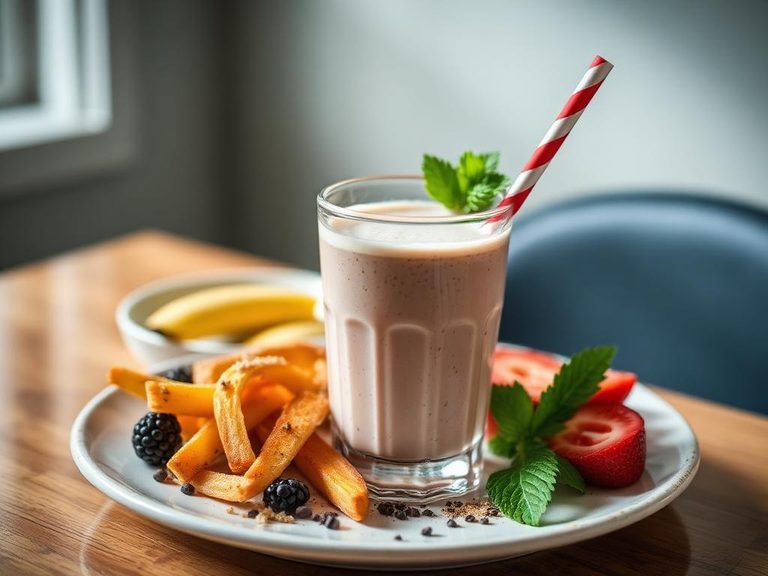

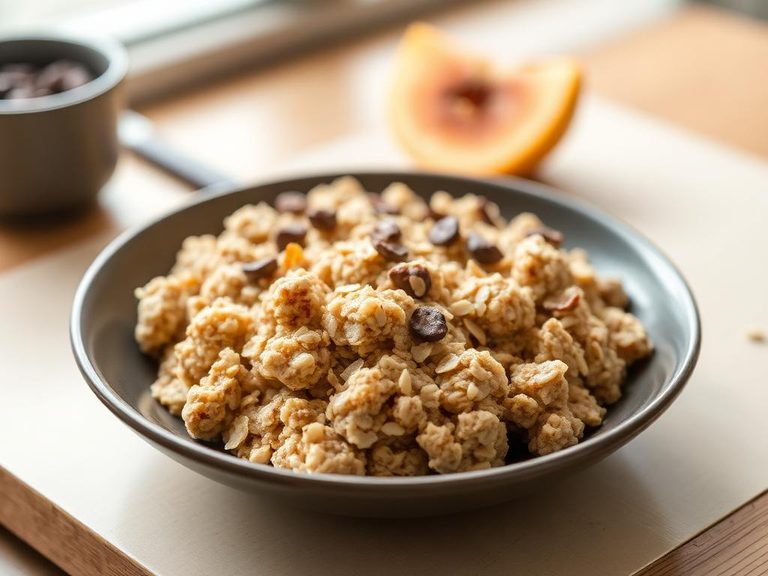
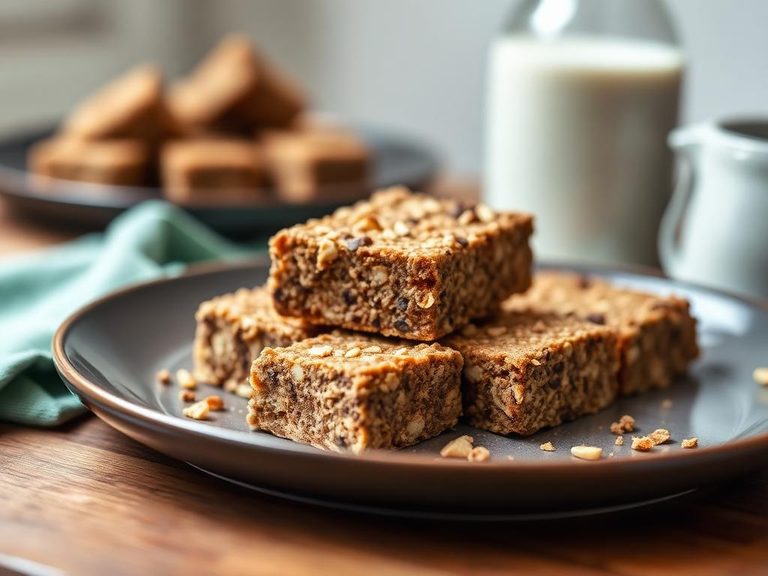
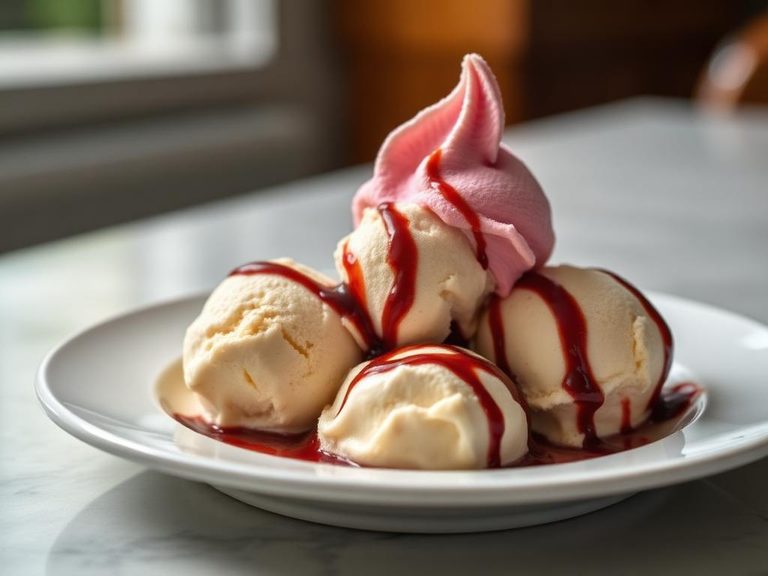
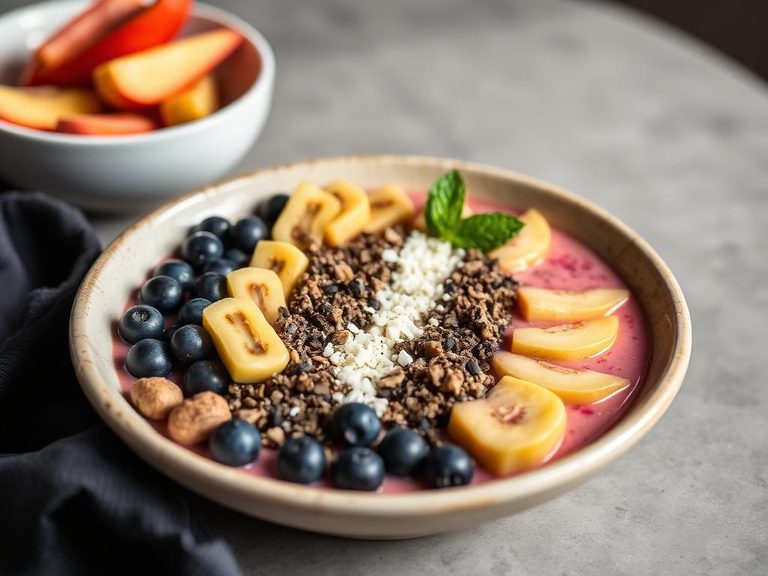
🌍 Where it's eaten
💡 Did you know?
The process to create whey isolate is so precise that it can remove over 90% of the lactose found in the original milk, making it tolerable for many with mild lactose sensitivity.
Full nutrition (USDA data · scales with serving)
| Water | 0.86 g |
| Energy | 359 kcal |
| Energy | 1503 kj |
| Protein | 58.1 g |
| Total lipid (fat) | 1.2 g |
| Ash | 10.8 g |
| Carbohydrate, by difference | 29.1 g |
| Fiber, total dietary | 0.00 g |
| Total Sugars | 1.2 g |
| Calcium, Ca | 698 mg |
| Iron, Fe | 1.3 mg |
| Magnesium, Mg | 233 mg |
| Phosphorus, P | 581 mg |
| Potassium, K | 872 mg |
| Sodium, Na | 372 mg |
| Zinc, Zn | 8.7 mg |
| Copper, Cu | 1.2 mg |
| Manganese, Mn | 1.2 mg |
| Selenium, Se | 40.7 ug |
| Vitamin C, total ascorbic acid | 34.9 mg |
| Thiamin | 0.87 mg |
| Riboflavin | 0.99 mg |
| Niacin | 11.6 mg |
| Pantothenic acid | 5.8 mg |
| Vitamin B-6 | 1.2 mg |
| Folate, total | 233 ug |
| Folic acid | 233 ug |
| Folate, food | 0.00 ug |
| Folate, DFE | 395 ug |
| Choline, total | 225 mg |
| Vitamin B-12 | 3.5 ug |
| Vitamin B-12, added | 3.5 ug |
| Vitamin A, RAE | 872 ug |
| Retinol | 872 ug |
| Carotene, beta | 1.0 ug |
| Carotene, alpha | 0.00 ug |
| Cryptoxanthin, beta | 0.00 ug |
| Vitamin A, IU | 2907 iu |
| Lycopene | 0.00 ug |
| Lutein + zeaxanthin | 0.00 ug |
| Vitamin E (alpha-tocopherol) | 7.8 mg |
| Vitamin E, added | 7.8 mg |
| Vitamin D (D2 + D3), International Units | 0.00 iu |
| Vitamin D (D2 + D3) | 0.00 ug |
| Vitamin K (phylloquinone) | 46.5 ug |
| Alcohol, ethyl | 0.00 g |
| Caffeine | 0.00 mg |
| Theobromine | 0.00 mg |
Fat & fatty acid profile (per 100g)
| Fatty acids, total saturated | 0.58 g |
| SFA 4:0 | 0.02 g |
| SFA 6:0 | 0.01 g |
| SFA 8:0 | 0.01 g |
| SFA 10:0 | 0.01 g |
| SFA 12:0 | 0.01 g |
| SFA 14:0 | 0.05 g |
| SFA 16:0 | 0.15 g |
| SFA 18:0 | 0.06 g |
| Fatty acids, total monounsaturated | 0.15 g |
| MUFA 16:1 | 0.03 g |
| MUFA 18:1 | 0.11 g |
| MUFA 20:1 | 0.00 g |
| MUFA 22:1 | 0.00 g |
| Fatty acids, total polyunsaturated | 0.02 g |
| PUFA 18:2 | 0.02 g |
| PUFA 18:3 | 0.00 g |
| PUFA 18:4 | 0.00 g |
| PUFA 20:4 | 0.00 g |
| PUFA 20:5 n-3 (EPA) | 0.00 g |
| PUFA 22:5 n-3 (DPA) | 0.00 g |
| PUFA 22:6 n-3 (DHA) | 0.00 g |
| Fatty acids, total trans | 0.00 g |
| Cholesterol | 12.0 mg |
Amino acid profile (per 100g)
Estimated from Beverages, carbonated, tonic water — USDA does not publish this profile for Beverages.
| Tryptophan | 0.00 g |
| Threonine | 0.00 g |
| Isoleucine | 0.00 g |
| Leucine | 0.00 g |
| Lysine | 0.00 g |
| Methionine | 0.00 g |
| Cystine | 0.00 g |
| Phenylalanine | 0.00 g |
| Tyrosine | 0.00 g |
| Valine | 0.00 g |
| Arginine | 0.00 g |
| Histidine | 0.00 g |
| Alanine | 0.00 g |
| Aspartic acid | 0.00 g |
| Glutamic acid | 0.00 g |
| Glycine | 0.00 g |
| Proline | 0.00 g |
| Serine | 0.00 g |
FAQ
Is whey protein isolate the same as whey concentrate?
No. Isolate undergoes further processing to remove more fat and lactose, resulting in a higher protein percentage by weight and a purer product.
Can I bake with whey protein isolate?
Yes, but use it as a partial flour substitute (up to 1/3 of dry ingredients) and note that it can make baked goods dry if overused. It's great for boosting protein in muffins, pancakes, and bars.
Will it make me bulky?
No. Protein supports muscle maintenance and growth, but 'bulking' requires a specific training regimen and caloric surplus. Simply adding protein powder won't cause bulk without those factors.
Nutrient density (calculated · NRF9.3)
Nutrient Rich Foods index: beneficial nutrients (protein, fiber, vitamins, minerals) minus saturated fat, added sugar & sodium, per 100 kcal.
NRF9.3 index — Fulgoni, Keast & Drewnowski, 2009. Computed from USDA nutrients.
Weight-loss friendliness (composite index)
Energy density 3.59 kcal/g · 65% calories from protein · 0.0 g fiber · 1.2 g sugar per 100 g.
Composite of energy density (Rolls et al., 1999), protein & fiber satiety, minus sugar. A calculated heuristic — ranks satiety-per-calorie, not a clinical measure.
Dietary load (calculated from USDA values)
Potential renal acid load. Positive = acid-forming, negative = alkaline-forming.
Sodium-to-potassium ratio: 0.43 (lower is better — aim for ≤ 1)
Sodium:potassium per WHO potassium guidance. Computed from USDA nutrients.