

Beverages, Orange juice drink
Whole food · Beverages
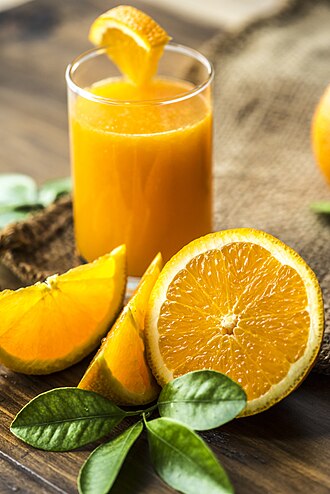
Photo: Wikipedia
A sweet, tangy, and refreshing beverage made from orange juice concentrate and water, often with added sugar and vitamins. It delivers a bright citrus punch with a smooth, thin texture and a vibrant orange hue. Nutritionally, it's a quick source of carbohydrates and sugar, but lacks the fiber and full nutrient profile of freshly squeezed juice.
Calorie split: 1% protein · 99% carbs · 0% fat
↓ Full nutrition💚 Why it's loved
People adore its sweet-tart flavor and nostalgic, sunny taste that instantly refreshes. It's a versatile staple, perfect on its own, as a mixer in cocktails, or as a base for smoothies and marinades.
⚠️ Watch-outs & how to enjoy it better
The high sugar content (9.36g per 100g) can cause rapid blood-sugar spikes, making it a poor choice for diabetics or those monitoring intake. To counteract this, pair it with a source of protein or healthy fat (like nuts or yogurt) to slow sugar absorption, or opt for a smaller portion.
Key benefits
- Quick source of energy from natural and added sugars
- Often fortified with Vitamin C, supporting immune function
- Provides hydration and a refreshing taste
- Convenient and widely available year-round
🍽️ Popular dishes
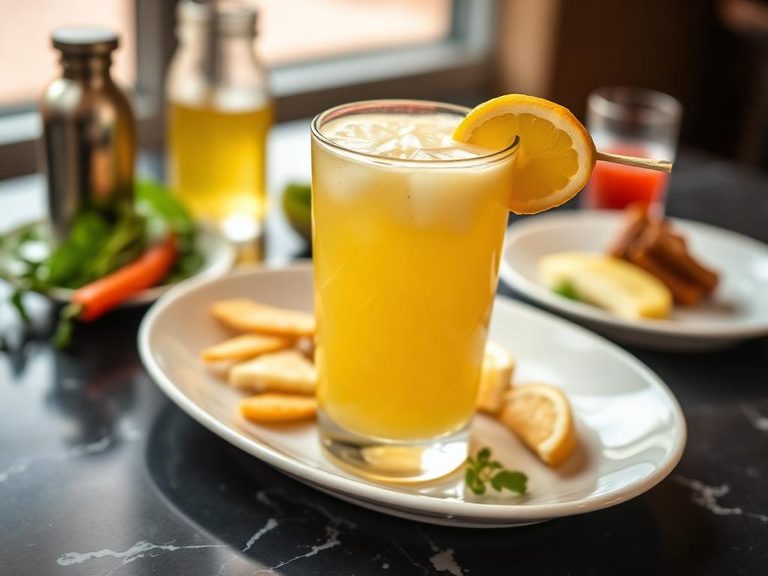
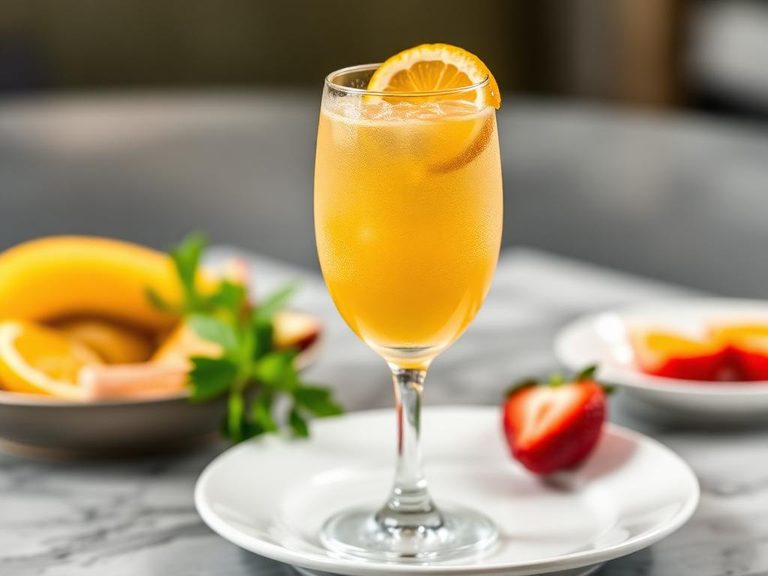
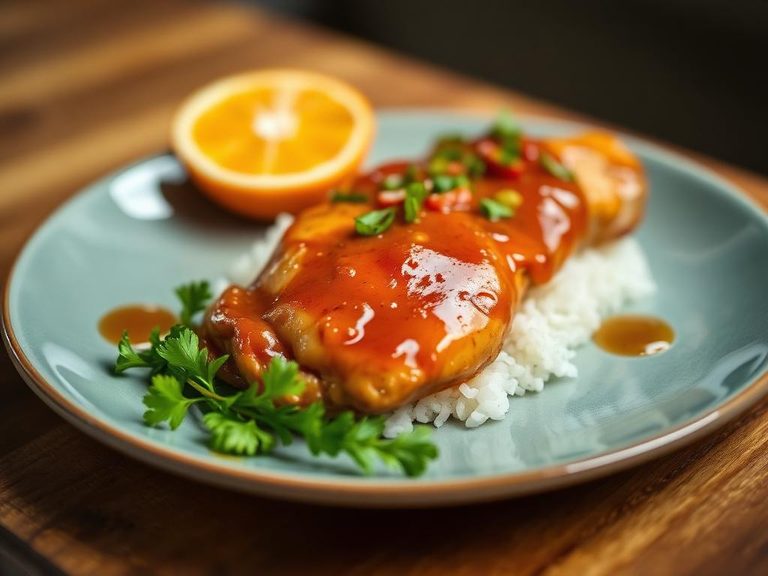
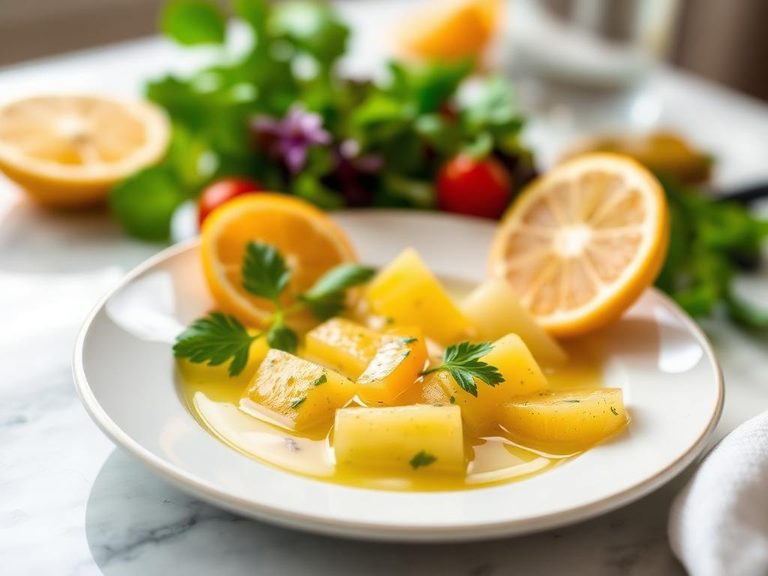
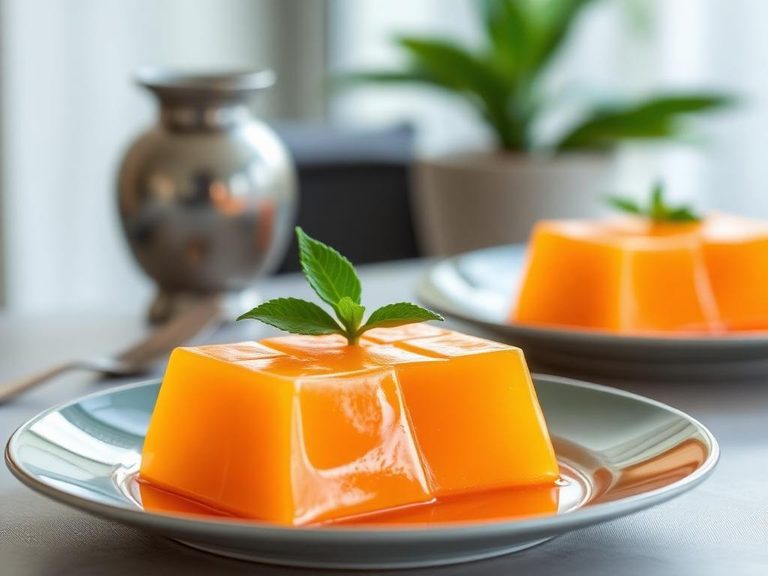
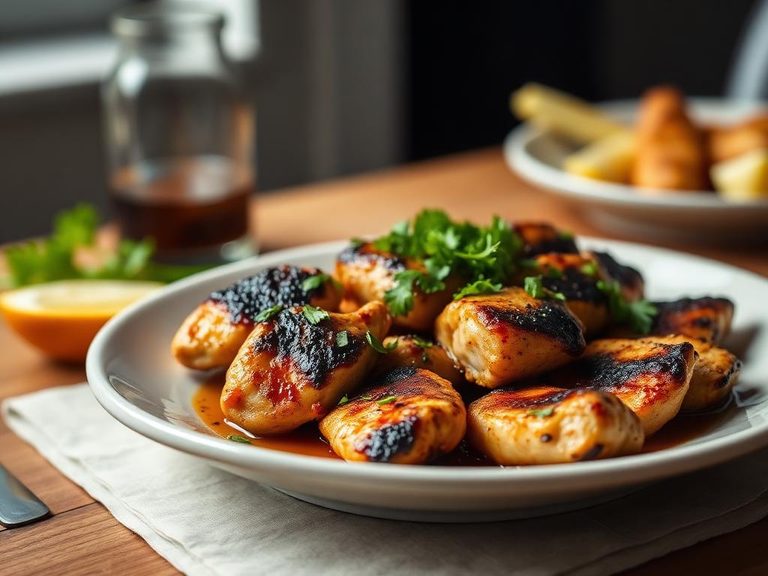
🌍 Where it's eaten
💡 Did you know?
The process for making frozen orange juice concentrate, which revolutionized the drink's availability, was developed by a team at the US Department of Agriculture during World War II to ship juice to soldiers.
Full nutrition (USDA data · scales with serving)
| Water | 86.2 g |
| Energy | 54.0 kcal |
| Energy | 228 kj |
| Protein | 0.20 g |
| Total lipid (fat) | 0.00 g |
| Ash | 0.19 g |
| Carbohydrate, by difference | 13.4 g |
| Fiber, total dietary | 0.20 g |
| Total Sugars | 9.4 g |
| Calcium, Ca | 2.0 mg |
| Iron, Fe | 0.11 mg |
| Magnesium, Mg | 3.0 mg |
| Phosphorus, P | 4.0 mg |
| Potassium, K | 42.0 mg |
| Sodium, Na | 2.0 mg |
| Zinc, Zn | 0.02 mg |
| Copper, Cu | 0.02 mg |
| Manganese, Mn | 0.01 mg |
| Selenium, Se | 0.00 ug |
| Fluoride, F | 54.8 ug |
| Vitamin C, total ascorbic acid | 15.0 mg |
| Thiamin | 0.38 mg |
| Riboflavin | 0.43 mg |
| Niacin | 5.0 mg |
| Pantothenic acid | 0.06 mg |
| Vitamin B-6 | 0.50 mg |
| Folate, total | 4.0 ug |
| Folic acid | 0.00 ug |
| Folate, food | 4.0 ug |
| Folate, DFE | 4.0 ug |
| Vitamin B-12 | 0.00 ug |
| Vitamin B-12, added | 0.00 ug |
| Vitamin A, RAE | 2.0 ug |
| Retinol | 0.00 ug |
| Carotene, beta | 7.0 ug |
| Carotene, alpha | 1.0 ug |
| Cryptoxanthin, beta | 37.0 ug |
| Vitamin A, IU | 44.0 iu |
| Lycopene | 0.00 ug |
| Lutein + zeaxanthin | 29.0 ug |
| Vitamin E (alpha-tocopherol) | 0.02 mg |
| Vitamin E, added | 0.00 mg |
| Vitamin K (phylloquinone) | 0.00 ug |
| Alcohol, ethyl | 0.00 g |
| Caffeine | 0.00 mg |
| Theobromine | 0.00 mg |
Fat & fatty acid profile (per 100g)
| Fatty acids, total saturated | 0.00 g |
| SFA 4:0 | 0.00 g |
| SFA 6:0 | 0.00 g |
| SFA 8:0 | 0.00 g |
| SFA 10:0 | 0.00 g |
| SFA 12:0 | 0.00 g |
| SFA 14:0 | 0.00 g |
| SFA 16:0 | 0.00 g |
| SFA 18:0 | 0.00 g |
| Fatty acids, total monounsaturated | 0.01 g |
| MUFA 16:1 | 0.00 g |
| MUFA 18:1 | 0.00 g |
| MUFA 20:1 | 0.00 g |
| MUFA 22:1 | 0.00 g |
| Fatty acids, total polyunsaturated | 0.01 g |
| PUFA 18:2 | 0.00 g |
| PUFA 18:3 | 0.00 g |
| PUFA 18:4 | 0.00 g |
| PUFA 20:4 | 0.00 g |
| PUFA 20:5 n-3 (EPA) | 0.00 g |
| PUFA 22:5 n-3 (DPA) | 0.00 g |
| PUFA 22:6 n-3 (DHA) | 0.00 g |
| Fatty acids, total trans | 0.00 g |
| Cholesterol | 0.00 mg |
Amino acid profile (per 100g)
Estimated from Beverages, carbonated, tonic water — USDA does not publish this profile for Beverages.
| Tryptophan | 0.00 g |
| Threonine | 0.00 g |
| Isoleucine | 0.00 g |
| Leucine | 0.00 g |
| Lysine | 0.00 g |
| Methionine | 0.00 g |
| Cystine | 0.00 g |
| Phenylalanine | 0.00 g |
| Tyrosine | 0.00 g |
| Valine | 0.00 g |
| Arginine | 0.00 g |
| Histidine | 0.00 g |
| Alanine | 0.00 g |
| Aspartic acid | 0.00 g |
| Glutamic acid | 0.00 g |
| Glycine | 0.00 g |
| Proline | 0.00 g |
| Serine | 0.00 g |
FAQ
How is orange juice drink different from 100% orange juice?
An 'orange juice drink' is typically made from concentrate with added water and often extra sugar or sweeteners, resulting in a lower juice percentage and different flavor. '100% orange juice' contains only juice with no added water or sugars.
Is it a good source of Vitamin C?
It can be if fortified, but the processing and storage can degrade natural Vitamin C. Check the label for 'fortified' or 'added Vitamin C' to be sure of its content.
Can I use it in cooking and baking?
Absolutely. It's excellent for glazes, marinades, salad dressings, and as a liquid in baking recipes like cakes or muffins to add moisture and a citrus flavor.
Nutrient density (calculated · NRF9.3)
Nutrient Rich Foods index: beneficial nutrients (protein, fiber, vitamins, minerals) minus saturated fat, added sugar & sodium, per 100 kcal.
NRF9.3 index — Fulgoni, Keast & Drewnowski, 2009. Computed from USDA nutrients.
Weight-loss friendliness (composite index)
Energy density 0.54 kcal/g · 1% calories from protein · 0.2 g fiber · 9.4 g sugar per 100 g.
Composite of energy density (Rolls et al., 1999), protein & fiber satiety, minus sugar. A calculated heuristic — ranks satiety-per-calorie, not a clinical measure.
Dietary load (calculated from USDA values)
Potential renal acid load. Positive = acid-forming, negative = alkaline-forming.
Sodium-to-potassium ratio: 0.05 (lower is better — aim for ≤ 1)
Sodium:potassium per WHO potassium guidance. Computed from USDA nutrients.