

Beverages, nutritional shake mix, high protein, powder
Whole food · Beverages

Photo: Wikipedia
This is a concentrated powder designed to be mixed with water or milk to create a thick, creamy, high-protein shake. The taste is typically sweet and vanilla or chocolate-flavored, with a smooth, non-gritty texture when properly blended. Nutritionally, it's a powerhouse, delivering over 50 grams of protein per 100g of powder with minimal sugar and fat.
Calorie split: 55% protein · 21% carbs · 25% fat
↓ Full nutrition💚 Why it's loved
People love it for its ability to turn a glass of liquid into a satisfying, meal-replacement or post-workout drink in seconds. The familiar, indulgent flavors like chocolate or vanilla make hitting protein goals feel less like a chore and more like a treat.
⚠️ Watch-outs & how to enjoy it better
Some powders can have a chalky or artificial aftertaste and may cause digestive bloating in sensitive individuals due to the high protein load. Those with kidney issues or specific allergies (e.g., to dairy or soy) should consult a doctor. To counteract bloating, start with a half-serving, ensure thorough blending, and drink it slowly with plenty of water.
Key benefits
- Excellent source of complete protein for muscle repair and growth.
- Convenient way to boost daily protein intake.
- Low in sugar and fat relative to its protein content.
- Often fortified with vitamins and minerals.
- Quick and easy to prepare for on-the-go nutrition.
🍽️ Popular dishes
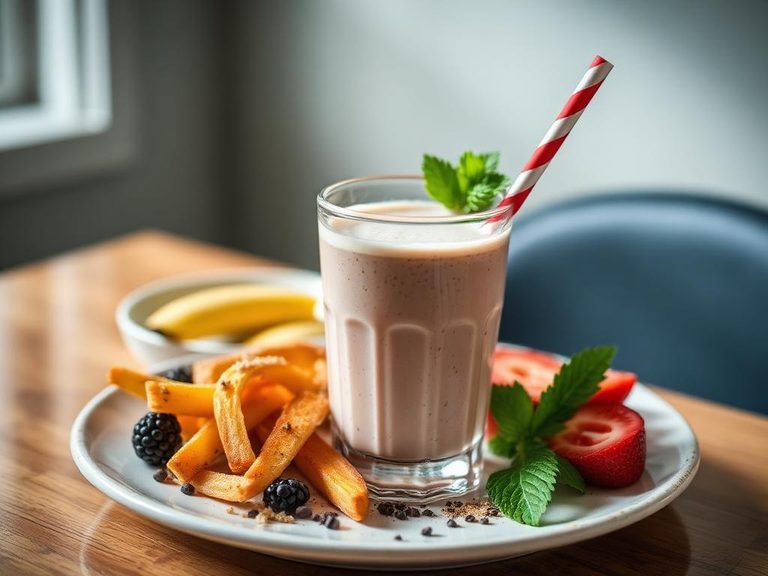
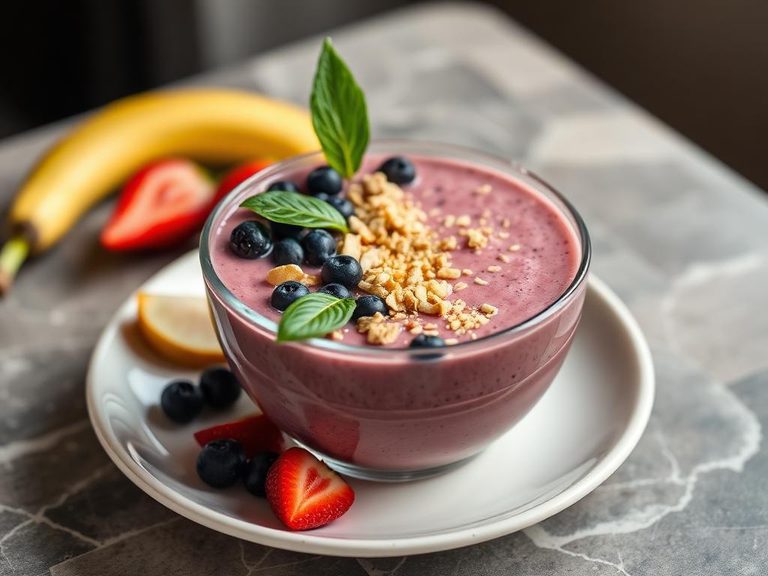
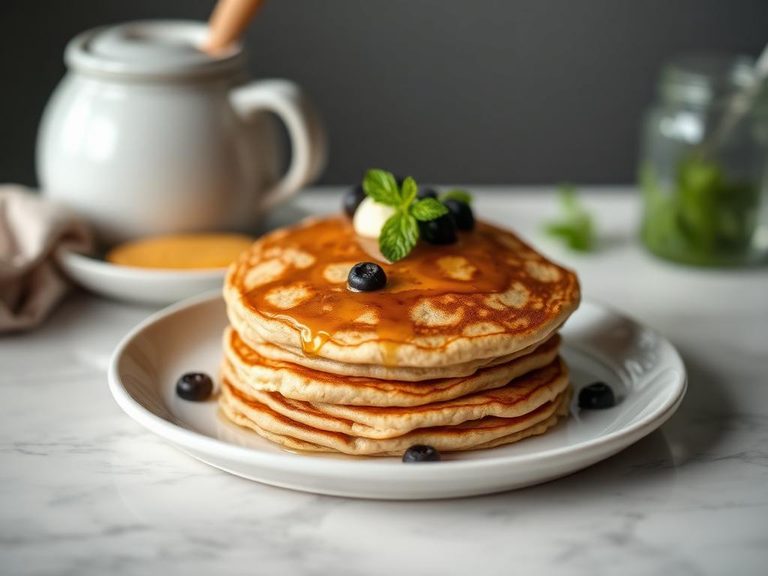
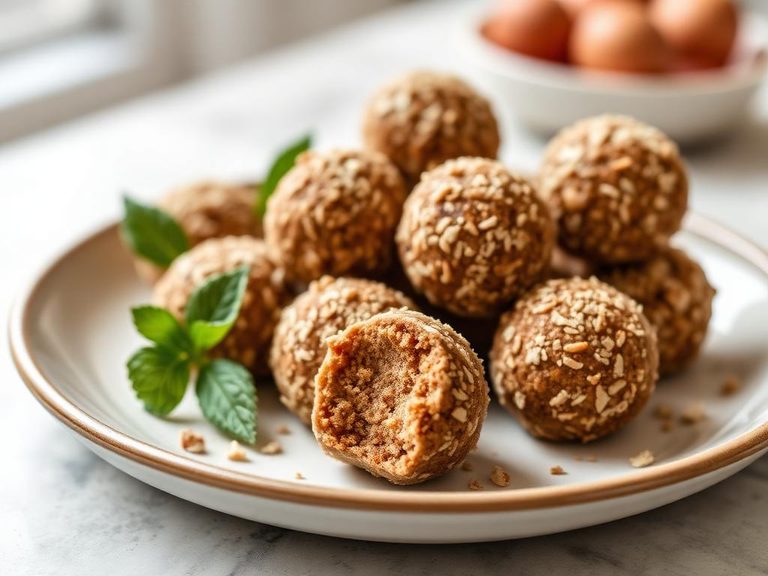
🌍 Where it's eaten
💡 Did you know?
The modern commercial protein powder industry is largely credited to the bodybuilding boom of the 1950s and 60s, with early pioneers like Bob Hoffman selling soy-based powders to athletes.
Full nutrition (USDA data · scales with serving)
| Water | 8.3 g |
| Energy | 392 kcal |
| Energy | 1641 kj |
| Protein | 53.6 g |
| Total lipid (fat) | 10.7 g |
| Ash | 7.0 g |
| Carbohydrate, by difference | 20.4 g |
| Fiber, total dietary | 0.00 g |
| Total Sugars | 3.6 g |
| Calcium, Ca | 714 mg |
| Iron, Fe | 22.5 mg |
| Magnesium, Mg | 500 mg |
| Phosphorus, P | 1429 mg |
| Potassium, K | 1000 mg |
| Sodium, Na | 1214 mg |
| Zinc, Zn | 18.8 mg |
| Copper, Cu | 2.5 mg |
| Manganese, Mn | 125 mg |
| Selenium, Se | 87.5 ug |
| Vitamin C, total ascorbic acid | 75.0 mg |
| Thiamin | 2.1 mg |
| Riboflavin | 2.1 mg |
| Niacin | 25.0 mg |
| Pantothenic acid | 12.5 mg |
| Vitamin B-6 | 2.5 mg |
| Folate, total | 571 ug |
| Folic acid | 571 ug |
| Folate, food | 0.00 ug |
| Folate, DFE | 971 ug |
| Choline, total | 180 mg |
| Vitamin B-12 | 6.4 ug |
| Vitamin B-12, added | 0.00 ug |
| Vitamin A, RAE | 1875 ug |
| Retinol | 1875 ug |
| Carotene, beta | 0.00 ug |
| Carotene, alpha | 0.00 ug |
| Cryptoxanthin, beta | 0.00 ug |
| Vitamin A, IU | 6250 iu |
| Lycopene | 0.00 ug |
| Lutein + zeaxanthin | 0.00 ug |
| Vitamin E (alpha-tocopherol) | 16.9 mg |
| Vitamin E, added | 0.00 mg |
| Vitamin D (D2 + D3), International Units | 500 iu |
| Vitamin D (D2 + D3) | 12.5 ug |
| Vitamin D3 (cholecalciferol) | 12.5 ug |
| Vitamin K (phylloquinone) | 125 ug |
| Alcohol, ethyl | 0.00 g |
| Caffeine | 0.00 mg |
| Theobromine | 0.00 mg |
Fat & fatty acid profile (per 100g)
| Fatty acids, total saturated | 0.00 g |
| SFA 4:0 | 0.00 g |
| SFA 6:0 | 0.00 g |
| SFA 8:0 | 0.00 g |
| SFA 10:0 | 0.00 g |
| SFA 12:0 | 0.00 g |
| SFA 14:0 | 0.00 g |
| SFA 16:0 | 0.00 g |
| SFA 18:0 | 0.00 g |
| Fatty acids, total monounsaturated | 2.9 g |
| MUFA 16:1 | 0.00 g |
| MUFA 18:1 | 2.9 g |
| MUFA 20:1 | 0.00 g |
| MUFA 22:1 | 0.00 g |
| Fatty acids, total polyunsaturated | 7.3 g |
| PUFA 18:2 | 6.5 g |
| PUFA 18:3 | 0.79 g |
| PUFA 18:4 | 0.00 g |
| PUFA 20:4 | 0.00 g |
| PUFA 20:5 n-3 (EPA) | 0.00 g |
| PUFA 22:5 n-3 (DPA) | 0.00 g |
| PUFA 22:6 n-3 (DHA) | 0.00 g |
| Fatty acids, total trans | 0.00 g |
| Cholesterol | 0.00 mg |
Amino acid profile (per 100g)
Estimated from Beverages, carbonated, tonic water — USDA does not publish this profile for Beverages.
| Tryptophan | 0.00 g |
| Threonine | 0.00 g |
| Isoleucine | 0.00 g |
| Leucine | 0.00 g |
| Lysine | 0.00 g |
| Methionine | 0.00 g |
| Cystine | 0.00 g |
| Phenylalanine | 0.00 g |
| Tyrosine | 0.00 g |
| Valine | 0.00 g |
| Arginine | 0.00 g |
| Histidine | 0.00 g |
| Alanine | 0.00 g |
| Aspartic acid | 0.00 g |
| Glutamic acid | 0.00 g |
| Glycine | 0.00 g |
| Proline | 0.00 g |
| Serine | 0.00 g |
FAQ
Is this the same as a meal replacement shake?
Not necessarily. While high in protein, a nutritional shake mix often lacks the balanced macros (carbs, fats, fiber) and micronutrients of a complete meal replacement. It's best used as a supplement to boost protein, not as your sole meal.
Can I bake with this powder?
Yes! It's a popular ingredient in protein pancakes, muffins, and energy bars. However, using too much can make baked goods dry and rubbery, so it's best to replace only a portion of the flour in a recipe.
Why does my shake taste gritty?
Grittiness often comes from insufficient mixing. Use a blender or a shaker bottle with a wire whisk ball, and blend for at least 30 seconds. Using cold liquid also helps prevent clumping.
Nutrient density (calculated · NRF9.3)
Nutrient Rich Foods index: beneficial nutrients (protein, fiber, vitamins, minerals) minus saturated fat, added sugar & sodium, per 100 kcal.
NRF9.3 index — Fulgoni, Keast & Drewnowski, 2009. Computed from USDA nutrients.
Weight-loss friendliness (composite index)
Energy density 3.92 kcal/g · 55% calories from protein · 0.0 g fiber · 3.6 g sugar per 100 g.
Composite of energy density (Rolls et al., 1999), protein & fiber satiety, minus sugar. A calculated heuristic — ranks satiety-per-calorie, not a clinical measure.
Dietary load (calculated from USDA values)
Potential renal acid load. Positive = acid-forming, negative = alkaline-forming.
Sodium-to-potassium ratio: 1.21 (lower is better — aim for ≤ 1)
Sodium:potassium per WHO potassium guidance. Computed from USDA nutrients.