

Beverages, Cocoa mix, no sugar added, powder
Whole food · Beverages

Photo: Wikipedia
This is a finely milled, unsweetened powder designed for mixing into hot or cold liquids to create a rich, comforting cocoa beverage. It delivers a deep, roasted chocolate flavor with a smooth, velvety texture when properly whisked, offering a satisfying alternative to sugary hot cocoa mixes. Nutritionally, it stands out for its high protein content (15.49g per 100g) and significant fiber (7.5g), making it a more substantial and satiating choice than many sweetened counterparts.
Calorie split: 16% protein · 76% carbs · 7% fat
↓ Full nutrition💚 Why it's loved
People love it for its pure, intense chocolate flavor that can be customized to personal taste, and its versatility as a base for everything from a simple warm drink to a creamy smoothie or a rich baking ingredient. It's a staple in health-conscious kitchens and a comforting ritual for many, especially in cooler climates.
⚠️ Watch-outs & how to enjoy it better
The lack of added sugar can make it taste bitter or chalky to those accustomed to sweetened mixes, and its high carbohydrate content (71.93g per 100g) may be a concern for some. To counteract bitterness, mix with a small amount of natural sweetener like stevia or a splash of milk, and to manage carbs, pair it with a source of protein or healthy fat (like almond butter or Greek yogurt) to slow digestion and prevent blood sugar spikes.
Key benefits
- High in protein for a beverage powder, supporting satiety.
- Good source of dietary fiber, aiding digestive health.
- No added sugar, making it suitable for low-sugar diets.
- Provides a concentrated dose of cocoa flavonoids and antioxidants.
- Versatile base for both hot and cold chocolate drinks.
🍽️ Popular dishes
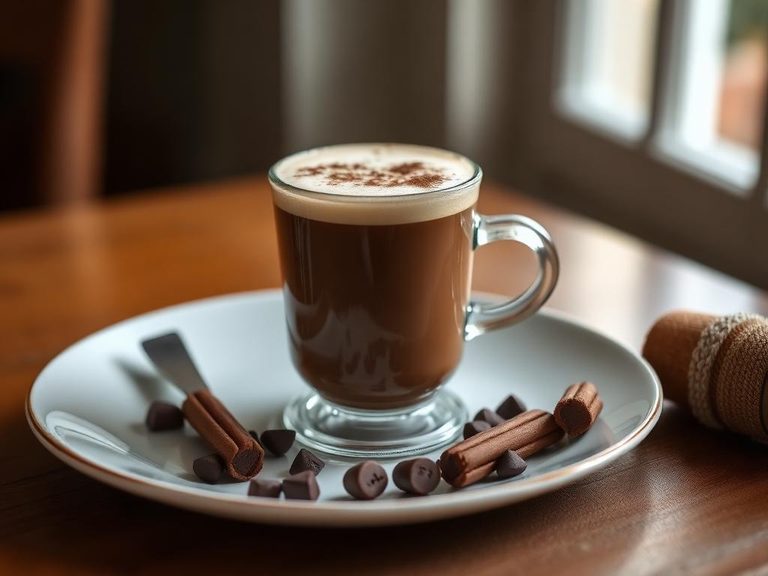
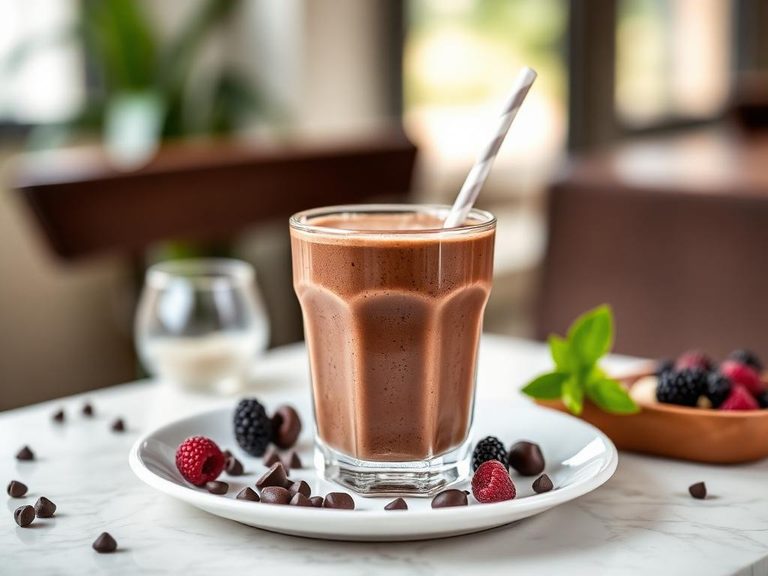
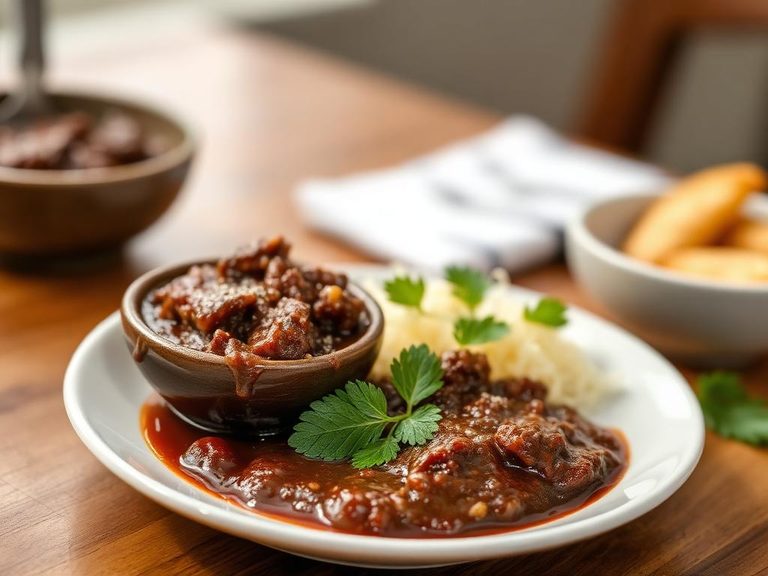
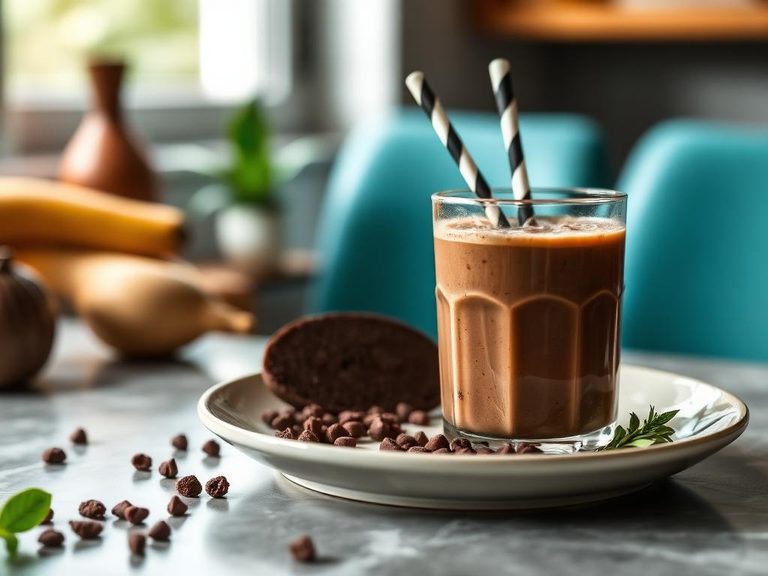
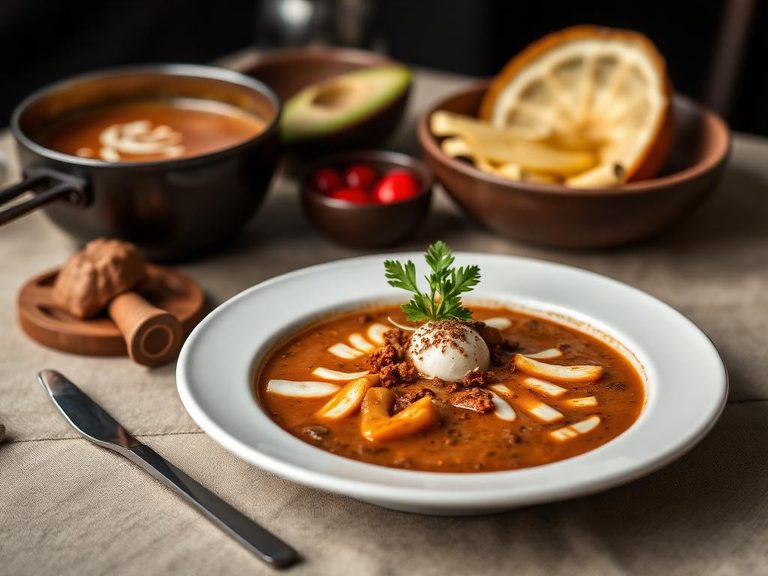
🌍 Where it's eaten
💡 Did you know?
Unsweetened cocoa powder is a surprisingly potent source of iron, with a single tablespoon containing about 3-4% of the daily recommended value, more than many other common pantry staples.
Full nutrition (USDA data · scales with serving)
| Water | 3.4 g |
| Energy | 377 kcal |
| Energy | 1576 kj |
| Protein | 15.5 g |
| Total lipid (fat) | 3.0 g |
| Ash | 6.2 g |
| Carbohydrate, by difference | 71.9 g |
| Fiber, total dietary | 7.5 g |
| Total Sugars | 37.6 g |
| Calcium, Ca | 576 mg |
| Iron, Fe | 5.0 mg |
| Magnesium, Mg | 208 mg |
| Phosphorus, P | 893 mg |
| Potassium, K | 2702 mg |
| Sodium, Na | 876 mg |
| Zinc, Zn | 3.4 mg |
| Copper, Cu | 0.73 mg |
| Manganese, Mn | 0.67 mg |
| Selenium, Se | 16.9 ug |
| Vitamin C, total ascorbic acid | 0.00 mg |
| Thiamin | 0.27 mg |
| Riboflavin | 1.4 mg |
| Niacin | 1.1 mg |
| Pantothenic acid | 3.8 mg |
| Vitamin B-6 | 0.32 mg |
| Folate, total | 14.0 ug |
| Folic acid | 0.00 ug |
| Folate, food | 14.0 ug |
| Folate, DFE | 14.0 ug |
| Choline, total | 115 mg |
| Vitamin B-12 | 1.2 ug |
| Vitamin B-12, added | 0.00 ug |
| Vitamin A, RAE | 4.0 ug |
| Retinol | 4.0 ug |
| Carotene, beta | 1.0 ug |
| Carotene, alpha | 0.00 ug |
| Cryptoxanthin, beta | 0.00 ug |
| Vitamin A, IU | 15.0 iu |
| Lycopene | 0.00 ug |
| Lutein + zeaxanthin | 9.0 ug |
| Vitamin E (alpha-tocopherol) | 0.04 mg |
| Vitamin E, added | 0.00 mg |
| Vitamin D (D2 + D3), International Units | 0.00 iu |
| Vitamin D (D2 + D3) | 0.00 ug |
| Vitamin K (phylloquinone) | 0.70 ug |
| Alcohol, ethyl | 0.00 g |
| Caffeine | 19.0 mg |
| Theobromine | 658 mg |
Fat & fatty acid profile (per 100g)
| Fatty acids, total saturated | 1.8 g |
| SFA 4:0 | 0.02 g |
| SFA 6:0 | 0.00 g |
| SFA 8:0 | 0.00 g |
| SFA 10:0 | 0.01 g |
| SFA 12:0 | 0.01 g |
| SFA 14:0 | 0.04 g |
| SFA 16:0 | 0.82 g |
| SFA 18:0 | 0.83 g |
| Fatty acids, total monounsaturated | 0.98 g |
| MUFA 16:1 | 0.01 g |
| MUFA 18:1 | 0.95 g |
| MUFA 20:1 | 0.00 g |
| MUFA 22:1 | 0.00 g |
| Fatty acids, total polyunsaturated | 0.09 g |
| PUFA 18:2 | 0.08 g |
| PUFA 18:3 | 0.00 g |
| PUFA 18:4 | 0.00 g |
| PUFA 20:4 | 0.00 g |
| PUFA 20:5 n-3 (EPA) | 0.00 g |
| PUFA 22:5 n-3 (DPA) | 0.00 g |
| PUFA 22:6 n-3 (DHA) | 0.00 g |
| Cholesterol | 0.00 mg |
Amino acid profile (per 100g)
Estimated from Beverages, carbonated, tonic water — USDA does not publish this profile for Beverages.
| Tryptophan | 0.00 g |
| Threonine | 0.00 g |
| Isoleucine | 0.00 g |
| Leucine | 0.00 g |
| Lysine | 0.00 g |
| Methionine | 0.00 g |
| Cystine | 0.00 g |
| Phenylalanine | 0.00 g |
| Tyrosine | 0.00 g |
| Valine | 0.00 g |
| Arginine | 0.00 g |
| Histidine | 0.00 g |
| Alanine | 0.00 g |
| Aspartic acid | 0.00 g |
| Glutamic acid | 0.00 g |
| Glycine | 0.00 g |
| Proline | 0.00 g |
| Serine | 0.00 g |
FAQ
Can I use this in baking?
Yes, it's excellent for baking, especially in brownies, cakes, and cookies where you want a deep chocolate flavor without added sugar. You may need to add a sweetener to the recipe.
How is this different from Dutch-processed cocoa?
Unsweetened cocoa powder is typically natural cocoa, which is more acidic and has a sharper flavor. Dutch-processed cocoa is treated with an alkali to neutralize acidity, resulting in a darker color and milder taste.
Is it suitable for people with diabetes?
It can be, as it contains no added sugar. However, its high carbohydrate content means it should be consumed in moderation and ideally paired with protein or fat to manage blood sugar response.
Nutrient density (calculated · NRF9.3)
Nutrient Rich Foods index: beneficial nutrients (protein, fiber, vitamins, minerals) minus saturated fat, added sugar & sodium, per 100 kcal.
NRF9.3 index — Fulgoni, Keast & Drewnowski, 2009. Computed from USDA nutrients.
Weight-loss friendliness (composite index)
Energy density 3.77 kcal/g · 16% calories from protein · 7.5 g fiber · 37.6 g sugar per 100 g.
Composite of energy density (Rolls et al., 1999), protein & fiber satiety, minus sugar. A calculated heuristic — ranks satiety-per-calorie, not a clinical measure.
Dietary load (calculated from USDA values)
Potential renal acid load. Positive = acid-forming, negative = alkaline-forming.
Sodium-to-potassium ratio: 0.32 (lower is better — aim for ≤ 1)
Sodium:potassium per WHO potassium guidance. Computed from USDA nutrients.