

Beverages, citrus fruit juice drink, frozen concentrate
Whole food · Beverages
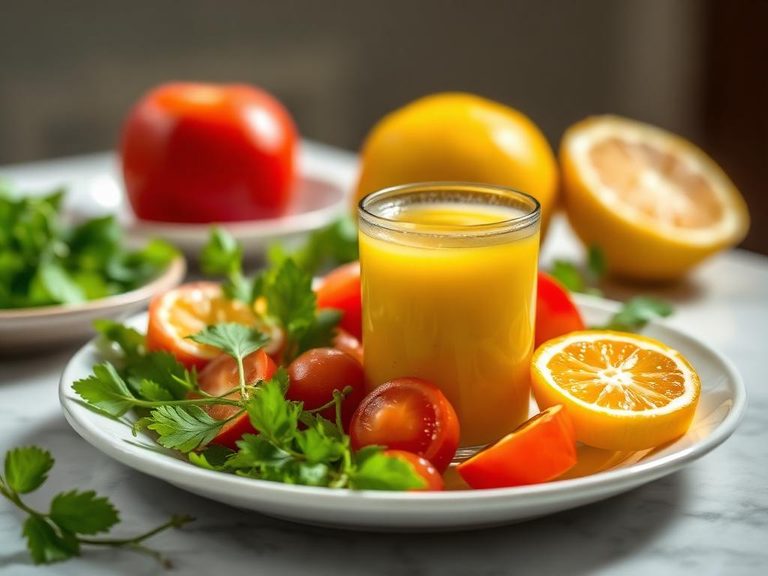
This is a vibrant, intensely sweet, and tangy frozen concentrate, typically made from oranges, lemons, limes, or grapefruits. When reconstituted with water, it yields a refreshing, pulpy juice drink with a bright, acidic punch. Nutritionally, it's a concentrated source of quick energy from carbohydrates, primarily natural fruit sugars, with negligible fat and protein.
Calorie split: 3% protein · 97% carbs · 1% fat
↓ Full nutrition💚 Why it's loved
People adore its intense, concentrated citrus flavor that can be tailored to taste by adjusting the water added. It's a nostalgic staple for quick homemade lemonade or as a flavor booster in marinades, glazes, and cocktails.
⚠️ Watch-outs & how to enjoy it better
The high sugar content can cause rapid blood-sugar spikes, making it unsuitable for those monitoring glucose levels. To mitigate this, pair it with a source of protein or healthy fat (like nuts or yogurt) to slow absorption, or use it in very small amounts as a flavoring rather than a primary drink. Always check labels for added sugars.
Key benefits
- Provides a quick source of energy from natural sugars.
- Contains vitamin C, an essential antioxidant.
- Offers a convenient way to increase fruit intake.
- Versatile base for both sweet and savory recipes.
🍽️ Popular dishes
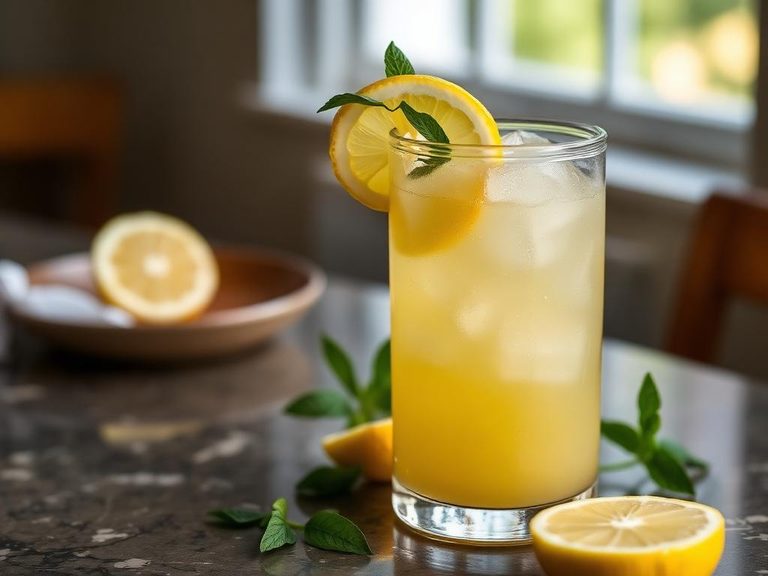
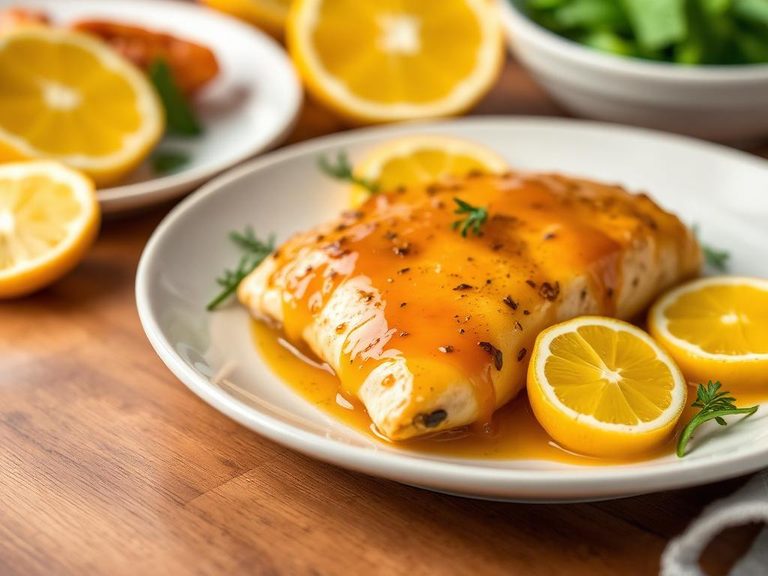
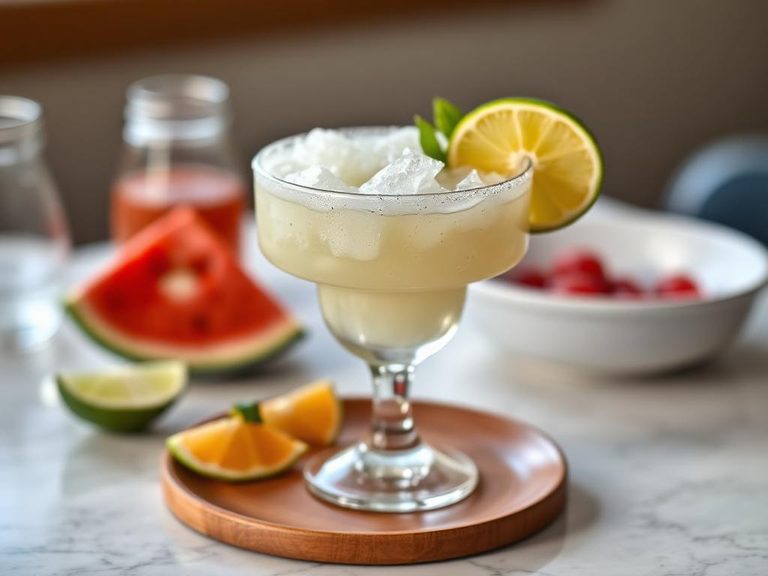
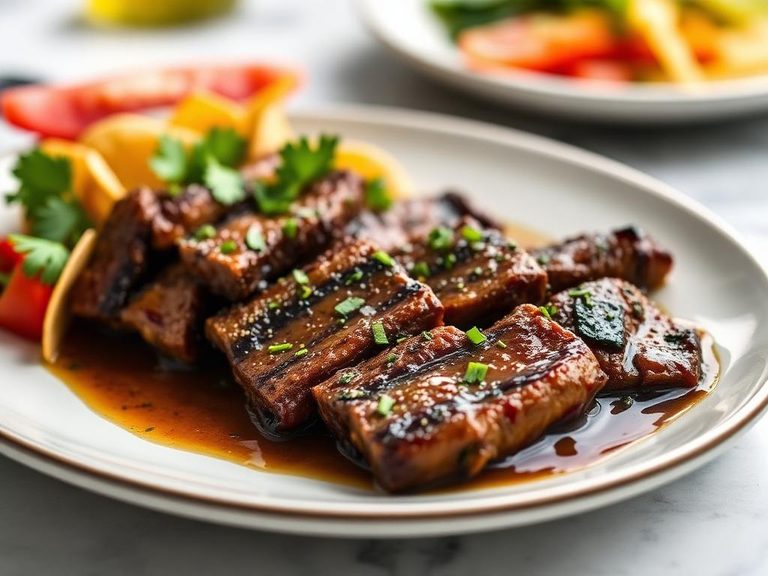
🌍 Where it's eaten
💡 Did you know?
The frozen concentrate industry was revolutionized in the 1940s by the development of a process that could preserve the volatile flavor compounds of citrus juice, which are typically destroyed by heat pasteurization.
Full nutrition (USDA data · scales with serving)
| Water | 57.4 g |
| Energy | 162 kcal |
| Energy | 676 kj |
| Protein | 1.2 g |
| Total lipid (fat) | 0.10 g |
| Ash | 1.1 g |
| Carbohydrate, by difference | 40.2 g |
| Fiber, total dietary | 0.20 g |
| Total Sugars | 28.6 g |
| Calcium, Ca | 25.0 mg |
| Iron, Fe | 3.9 mg |
| Magnesium, Mg | 20.0 mg |
| Phosphorus, P | 36.0 mg |
| Potassium, K | 393 mg |
| Sodium, Na | 3.0 mg |
| Zinc, Zn | 0.12 mg |
| Copper, Cu | 0.10 mg |
| Manganese, Mn | 0.26 mg |
| Selenium, Se | 0.40 ug |
| Vitamin C, total ascorbic acid | 95.3 mg |
| Thiamin | 0.05 mg |
| Riboflavin | 0.03 mg |
| Niacin | 0.26 mg |
| Pantothenic acid | 0.21 mg |
| Vitamin B-6 | 0.07 mg |
| Folate, total | 26.0 ug |
| Folic acid | 0.00 ug |
| Folate, food | 26.0 ug |
| Folate, DFE | 26.0 ug |
| Choline, total | 1.8 mg |
| Vitamin B-12 | 0.00 ug |
| Vitamin B-12, added | 0.00 ug |
| Vitamin A, RAE | 7.0 ug |
| Retinol | 0.00 ug |
| Carotene, beta | 27.0 ug |
| Carotene, alpha | 6.0 ug |
| Cryptoxanthin, beta | 97.0 ug |
| Vitamin A, IU | 131 iu |
| Lycopene | 0.00 ug |
| Lutein + zeaxanthin | 93.0 ug |
| Vitamin E (alpha-tocopherol) | 0.22 mg |
| Vitamin E, added | 0.00 mg |
| Vitamin D (D2 + D3), International Units | 0.00 iu |
| Vitamin D (D2 + D3) | 0.00 ug |
| Vitamin K (phylloquinone) | 0.20 ug |
| Alcohol, ethyl | 0.00 g |
| Caffeine | 0.00 mg |
| Theobromine | 0.00 mg |
Fat & fatty acid profile (per 100g)
| Fatty acids, total saturated | 0.01 g |
| SFA 4:0 | 0.00 g |
| SFA 6:0 | 0.00 g |
| SFA 8:0 | 0.00 g |
| SFA 10:0 | 0.00 g |
| SFA 12:0 | 0.00 g |
| SFA 14:0 | 0.00 g |
| SFA 16:0 | 0.01 g |
| SFA 18:0 | 0.00 g |
| Fatty acids, total monounsaturated | 0.01 g |
| MUFA 16:1 | 0.00 g |
| MUFA 18:1 | 0.01 g |
| MUFA 20:1 | 0.00 g |
| MUFA 22:1 | 0.00 g |
| Fatty acids, total polyunsaturated | 0.01 g |
| PUFA 18:2 | 0.01 g |
| PUFA 18:3 | 0.00 g |
| PUFA 18:4 | 0.00 g |
| PUFA 20:4 | 0.00 g |
| PUFA 20:5 n-3 (EPA) | 0.00 g |
| PUFA 22:5 n-3 (DPA) | 0.00 g |
| PUFA 22:6 n-3 (DHA) | 0.00 g |
| Fatty acids, total trans | 0.00 g |
| Cholesterol | 0.00 mg |
Amino acid profile (per 100g)
Estimated from Beverages, carbonated, tonic water — USDA does not publish this profile for Beverages.
| Tryptophan | 0.00 g |
| Threonine | 0.00 g |
| Isoleucine | 0.00 g |
| Leucine | 0.00 g |
| Lysine | 0.00 g |
| Methionine | 0.00 g |
| Cystine | 0.00 g |
| Phenylalanine | 0.00 g |
| Tyrosine | 0.00 g |
| Valine | 0.00 g |
| Arginine | 0.00 g |
| Histidine | 0.00 g |
| Alanine | 0.00 g |
| Aspartic acid | 0.00 g |
| Glutamic acid | 0.00 g |
| Glycine | 0.00 g |
| Proline | 0.00 g |
| Serine | 0.00 g |
FAQ
How does the nutrition change when reconstituted?
The nutrition facts per 100g apply to the concentrate itself. When mixed with water (typically a 1:3 or 1:4 ratio), the calories, sugar, and nutrients are diluted proportionally in the final drink.
Is it the same as frozen juice?
Yes, 'frozen concentrate' and 'frozen juice' are generally the same product. The term 'concentrate' emphasizes that water has been removed before freezing, requiring the consumer to add water back.
Can I use it in baking?
Absolutely. It's excellent for adding intense citrus flavor and moisture to cakes, muffins, and cookies. Use it to replace some of the liquid (like water or milk) in a recipe.
Nutrient density (calculated · NRF9.3)
Nutrient Rich Foods index: beneficial nutrients (protein, fiber, vitamins, minerals) minus saturated fat, added sugar & sodium, per 100 kcal.
NRF9.3 index — Fulgoni, Keast & Drewnowski, 2009. Computed from USDA nutrients.
Weight-loss friendliness (composite index)
Energy density 1.62 kcal/g · 3% calories from protein · 0.2 g fiber · 28.6 g sugar per 100 g.
Composite of energy density (Rolls et al., 1999), protein & fiber satiety, minus sugar. A calculated heuristic — ranks satiety-per-calorie, not a clinical measure.
Dietary load (calculated from USDA values)
Potential renal acid load. Positive = acid-forming, negative = alkaline-forming.
Sodium-to-potassium ratio: 0.01 (lower is better — aim for ≤ 1)
Sodium:potassium per WHO potassium guidance. Computed from USDA nutrients.