

Beer, higher alcohol
Common food
Higher alcohol beer, often ranging from 7% to 12% ABV or more, is a potent, complex brew characterized by a fuller body and a more intense, often warming, flavor profile than standard lagers. It delivers a concentrated hit of calories and carbohydrates, making it a substantial beverage choice. Its taste can range from rich and malty to sharply bitter, with a lingering finish that reflects its robust character.
Calorie split: 77% protein · 23% carbs · 0% fat
↓ Full nutrition💚 Why it's loved
People love it for its depth of flavor and the warming sensation it provides, especially in colder climates or as a sipping drink. It's a favorite among craft beer aficionados who appreciate the complexity and the ability to enjoy a rich, satisfying beverage without consuming large volumes.
⚠️ Watch-outs & how to enjoy it better
The high alcohol and calorie content can lead to quicker intoxication and weight gain if consumed in excess. Those monitoring blood sugar should be cautious, as the residual sugars can cause spikes. To counteract this, pair it with a protein-rich snack like cheese or nuts, and practice strict portion control by limiting yourself to one serving.
Key benefits
- Provides a concentrated source of quick energy from carbohydrates
- Contains B vitamins from the brewing process, particularly B6 and B12
- Offers a more intense flavor experience for craft beer enthusiasts
- Can be consumed in smaller quantities to achieve desired effect
- Often paired with hearty foods to complement rich flavors
🍽️ Popular dishes
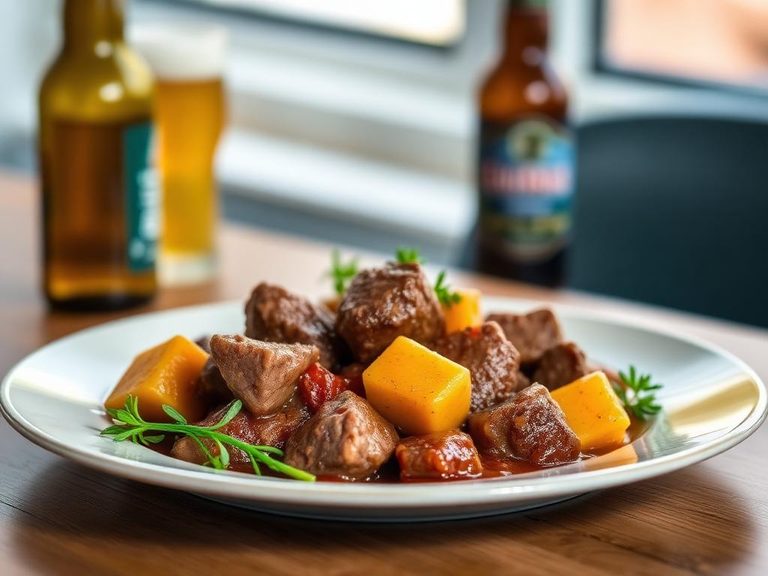
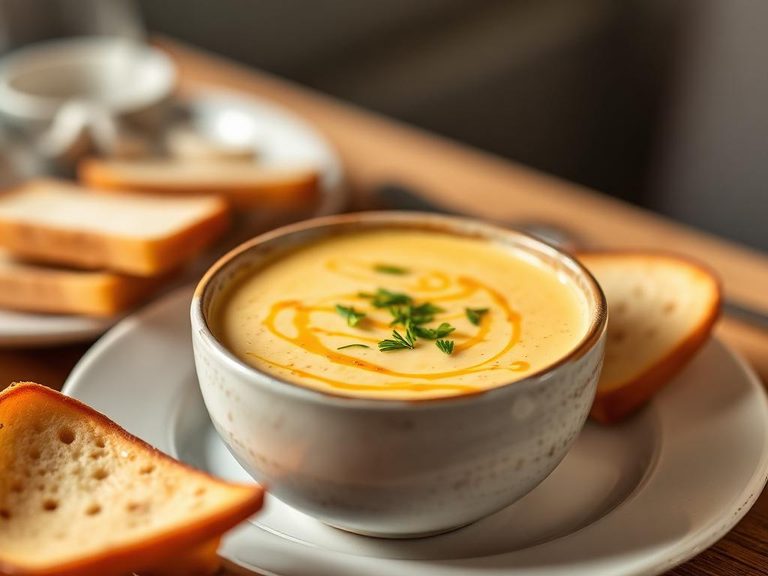
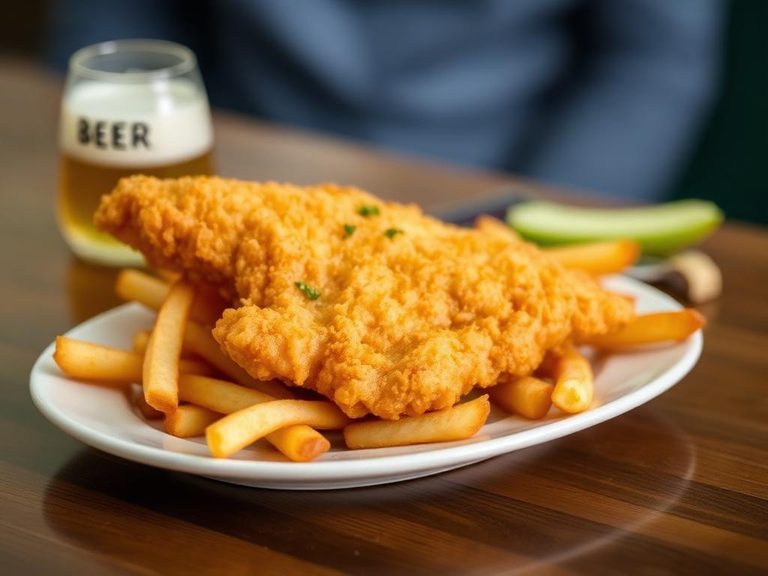
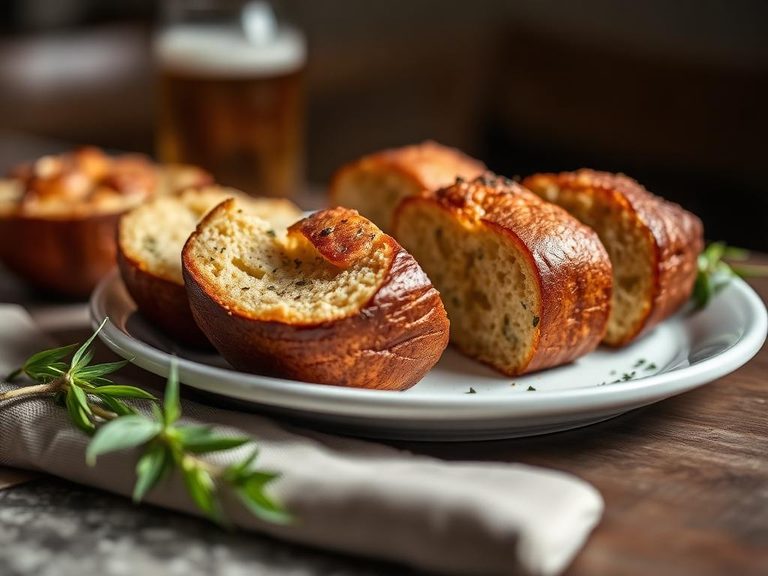
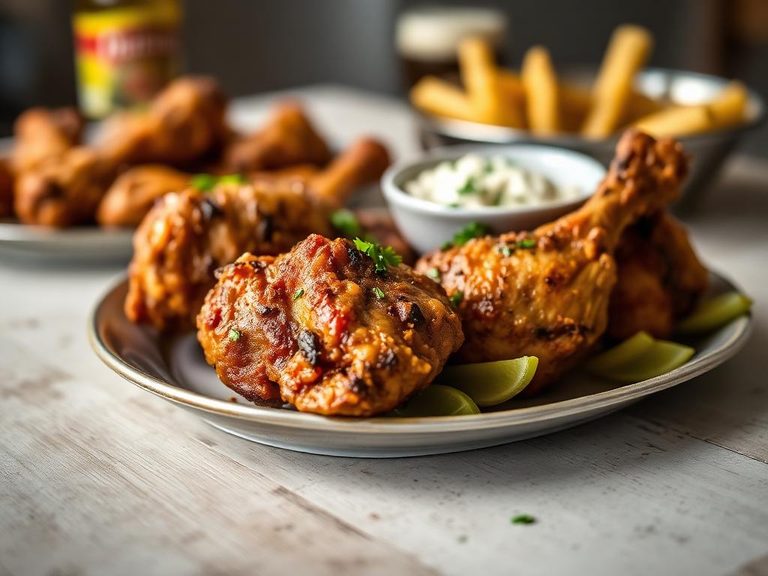
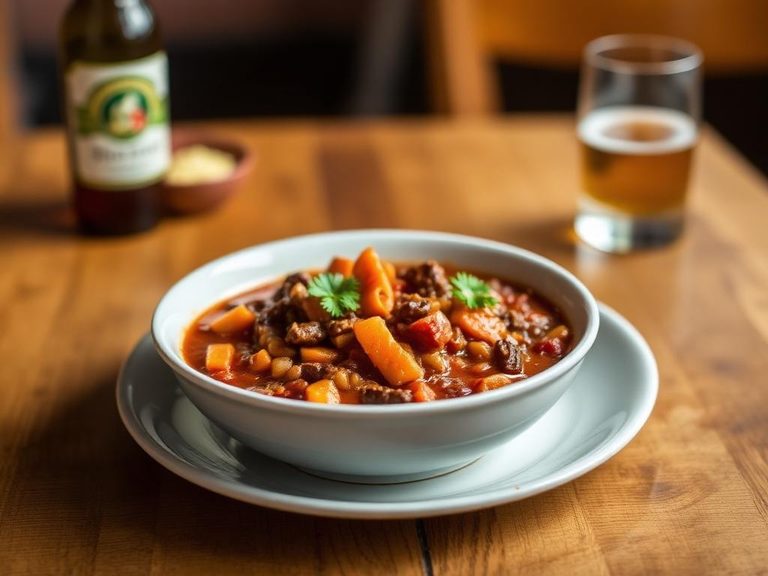
🌍 Where it's eaten
💡 Did you know?
Some high-alcohol beers, like certain Belgian dubbels and trappist ales, are traditionally brewed by monks and have been produced for centuries, with recipes often guarded as closely as monastic secrets.
Full nutrition (USDA data · scales with serving)
| Water | 91.0 g |
| Energy | 58.0 kcal |
| Protein | 0.90 g |
| Total lipid (fat) | 0.00 g |
| Carbohydrate, by difference | 0.27 g |
| Fiber, total dietary | 0.00 g |
| Total Sugars | 0.00 g |
| Calcium, Ca | 8.0 mg |
| Iron, Fe | 0.03 mg |
| Magnesium, Mg | 12.0 mg |
| Phosphorus, P | 32.0 mg |
| Potassium, K | 62.0 mg |
| Sodium, Na | 4.0 mg |
| Zinc, Zn | 0.01 mg |
| Copper, Cu | 0.01 mg |
| Selenium, Se | 0.60 ug |
| Vitamin C, total ascorbic acid | 0.00 mg |
| Thiamin | 0.03 mg |
| Riboflavin | 0.09 mg |
| Niacin | 1.1 mg |
| Vitamin B-6 | 0.09 mg |
| Folate, total | 18.0 ug |
| Folic acid | 0.00 ug |
| Folate, food | 18.0 ug |
| Folate, DFE | 18.0 ug |
| Choline, total | 10.1 mg |
| Vitamin B-12 | 0.02 ug |
| Vitamin B-12, added | 0.00 ug |
| Vitamin A, RAE | 0.00 ug |
| Retinol | 0.00 ug |
| Carotene, beta | 0.00 ug |
| Carotene, alpha | 0.00 ug |
| Cryptoxanthin, beta | 0.00 ug |
| Lycopene | 0.00 ug |
| Lutein + zeaxanthin | 0.00 ug |
| Vitamin E (alpha-tocopherol) | 0.00 mg |
| Vitamin E, added | 0.00 mg |
| Vitamin D (D2 + D3) | 0.00 ug |
| Vitamin K (phylloquinone) | 0.00 ug |
| Alcohol, ethyl | 7.7 g |
| Caffeine | 0.00 mg |
| Theobromine | 0.00 mg |
Fat & fatty acid profile (per 100g)
| Fatty acids, total saturated | 0.00 g |
| SFA 4:0 | 0.00 g |
| SFA 6:0 | 0.00 g |
| SFA 8:0 | 0.00 g |
| SFA 10:0 | 0.00 g |
| SFA 12:0 | 0.00 g |
| SFA 14:0 | 0.00 g |
| SFA 16:0 | 0.00 g |
| SFA 18:0 | 0.00 g |
| Fatty acids, total monounsaturated | 0.00 g |
| MUFA 16:1 | 0.00 g |
| MUFA 18:1 | 0.00 g |
| MUFA 20:1 | 0.00 g |
| MUFA 22:1 | 0.00 g |
| Fatty acids, total polyunsaturated | 0.00 g |
| PUFA 18:2 | 0.00 g |
| PUFA 18:3 | 0.00 g |
| PUFA 18:4 | 0.00 g |
| PUFA 20:4 | 0.00 g |
| PUFA 20:5 n-3 (EPA) | 0.00 g |
| PUFA 22:5 n-3 (DPA) | 0.00 g |
| PUFA 22:6 n-3 (DHA) | 0.00 g |
| Cholesterol | 0.00 mg |
Amino acid profile (per 100g)
Estimated from Beerwurst, pork and beef — USDA does not publish this profile for Beer.
| Tryptophan | 0.17 g |
| Threonine | 0.67 g |
| Isoleucine | 0.68 g |
| Leucine | 1.2 g |
| Lysine | 1.3 g |
| Methionine | 0.39 g |
| Cystine | 0.18 g |
| Phenylalanine | 0.60 g |
| Tyrosine | 0.51 g |
| Valine | 0.77 g |
| Arginine | 0.98 g |
| Histidine | 0.54 g |
| Alanine | 0.92 g |
| Aspartic acid | 1.4 g |
| Glutamic acid | 2.3 g |
| Glycine | 0.88 g |
| Proline | 0.70 g |
| Serine | 0.60 g |
FAQ
How does higher alcohol beer differ from regular beer?
Higher alcohol beer typically has an ABV of 7% or more, compared to 4-5% for standard beers. It often has a richer, more complex flavor profile and a fuller body due to the increased malt content and fermentation process.
Is higher alcohol beer more caloric?
Yes, it generally contains more calories per serving due to the higher alcohol and carbohydrate content. A 330ml serving can have around 200-300 calories, compared to 150-200 for a regular beer.
Can I cook with higher alcohol beer?
Absolutely, it's excellent for cooking, especially in braises, stews, and sauces where its rich flavor can enhance the dish. However, note that some alcohol will remain after cooking, so it's not suitable for those avoiding alcohol entirely.
Nutrient density (calculated · NRF9.3)
Nutrient Rich Foods index: beneficial nutrients (protein, fiber, vitamins, minerals) minus saturated fat, added sugar & sodium, per 100 kcal.
NRF9.3 index — Fulgoni, Keast & Drewnowski, 2009. Computed from USDA nutrients.
Weight-loss friendliness (composite index)
Energy density 0.58 kcal/g · 6% calories from protein · 0.0 g fiber · 0.0 g sugar per 100 g.
Composite of energy density (Rolls et al., 1999), protein & fiber satiety, minus sugar. A calculated heuristic — ranks satiety-per-calorie, not a clinical measure.
Dietary load (calculated from USDA values)
Potential renal acid load. Positive = acid-forming, negative = alkaline-forming.
Sodium-to-potassium ratio: 0.06 (lower is better — aim for ≤ 1)
Sodium:potassium per WHO potassium guidance. Computed from USDA nutrients.