

Alcoholic beverage, beer, light, higher alcohol
Whole food · Beverages
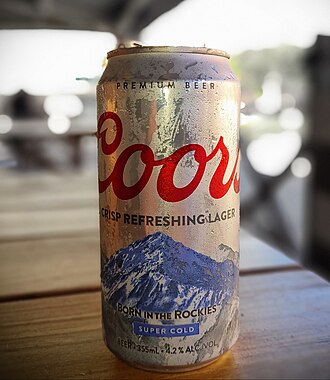
Photo: Wikipedia
This is a crisp, refreshing light beer with a slightly higher alcohol content than standard light lagers, typically around 4.2-5% ABV. It offers a clean, mild malt sweetness balanced by a subtle hop bitterness, with a light, effervescent body that finishes dry. Nutritionally, it's a low-calorie alcoholic option, providing minimal protein and carbohydrates with no fat or fiber.
Calorie split: 25% protein · 75% carbs · 0% fat
↓ Full nutrition💚 Why it's loved
People love it for its easy-drinking, sessionable nature—it's a go-to for social gatherings, barbecues, and watching sports because it's refreshing and not overly filling. Its mild flavor makes it a versatile pairing with a wide range of casual foods.
⚠️ Watch-outs & how to enjoy it better
Despite being 'light,' the higher alcohol content can lead to quicker intoxication if not paced carefully, and the empty calories can add up. Those monitoring blood sugar should be cautious, as the residual carbohydrates can cause a spike. Tip: Always consume with food to slow alcohol absorption and choose a bottle over a tall can to practice portion control.
Key benefits
- Lower in calories than regular beer or wine
- Provides a small amount of B vitamins from brewer's yeast
- Can be a lower-carb alcoholic choice
- Often well-tolerated due to its light flavor profile
- Social lubricant in moderation
🍽️ Popular dishes
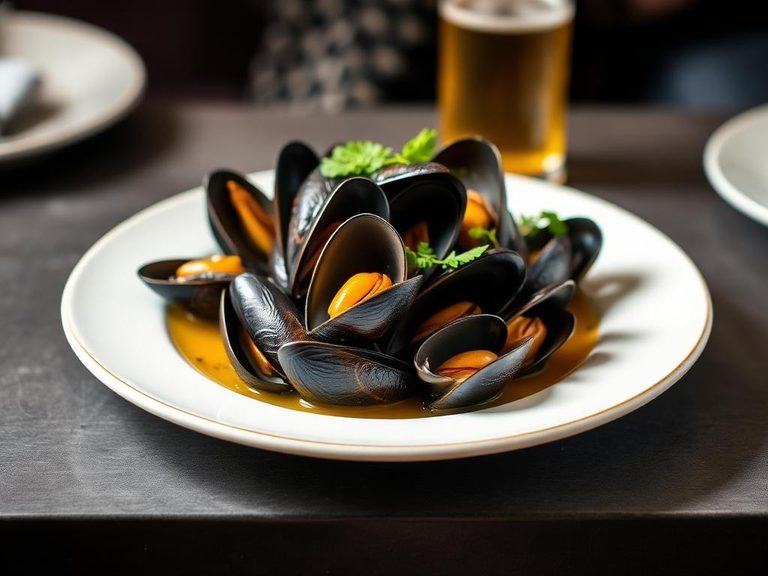
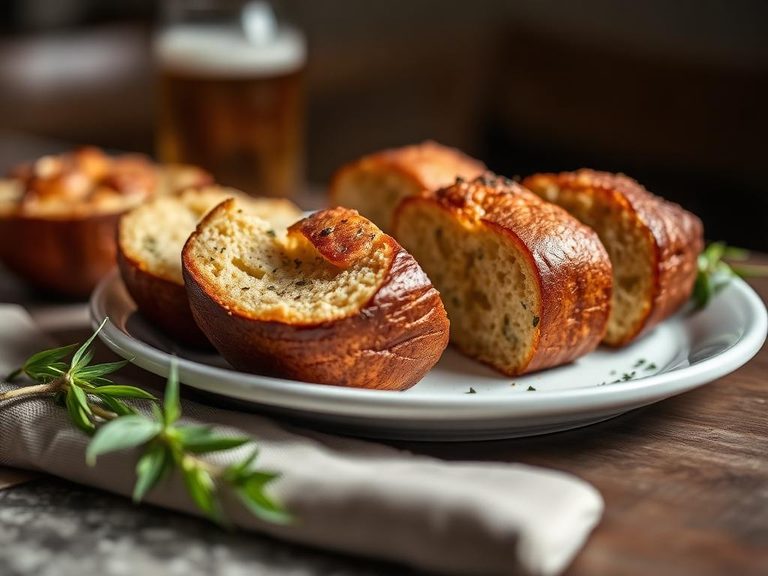
🌍 Where it's eaten
💡 Did you know?
The 'light' in light beer originally referred to the color (a pale lager), not the calorie count—a marketing shift that happened in the 1970s.
Full nutrition (USDA data · scales with serving)
| Water | 92.9 g |
| Energy | 46.0 kcal |
| Energy | 191 kj |
| Protein | 0.25 g |
| Total lipid (fat) | 0.00 g |
| Ash | 0.09 g |
| Carbohydrate, by difference | 0.77 g |
| Fiber, total dietary | 0.00 g |
| Total Sugars | 0.09 g |
| Calcium, Ca | 4.0 mg |
| Iron, Fe | 0.03 mg |
| Magnesium, Mg | 5.0 mg |
| Phosphorus, P | 12.0 mg |
| Potassium, K | 21.0 mg |
| Sodium, Na | 4.0 mg |
| Zinc, Zn | 0.01 mg |
| Copper, Cu | 0.01 mg |
| Selenium, Se | 0.40 ug |
| Vitamin C, total ascorbic acid | 0.00 mg |
| Thiamin | 0.01 mg |
| Riboflavin | 0.01 mg |
| Niacin | 0.39 mg |
| Vitamin B-6 | 0.03 mg |
| Folate, total | 6.0 ug |
| Folic acid | 0.00 ug |
| Folate, food | 6.0 ug |
| Folate, DFE | 6.0 ug |
| Choline, total | 8.8 mg |
| Vitamin B-12 | 0.02 ug |
| Vitamin B-12, added | 0.00 ug |
| Vitamin A, RAE | 0.00 ug |
| Retinol | 0.00 ug |
| Carotene, beta | 0.00 ug |
| Carotene, alpha | 0.00 ug |
| Cryptoxanthin, beta | 0.00 ug |
| Vitamin A, IU | 0.00 iu |
| Lycopene | 0.00 ug |
| Lutein + zeaxanthin | 0.00 ug |
| Vitamin E (alpha-tocopherol) | 0.00 mg |
| Vitamin E, added | 0.00 mg |
| Vitamin D (D2 + D3), International Units | 0.00 iu |
| Vitamin D (D2 + D3) | 0.00 ug |
| Vitamin K (phylloquinone) | 0.00 ug |
| Alcohol, ethyl | 6.0 g |
| Caffeine | 0.00 mg |
| Theobromine | 0.00 mg |
Fat & fatty acid profile (per 100g)
| Fatty acids, total saturated | 0.00 g |
| SFA 4:0 | 0.00 g |
| SFA 6:0 | 0.00 g |
| SFA 8:0 | 0.00 g |
| SFA 10:0 | 0.00 g |
| SFA 12:0 | 0.00 g |
| SFA 14:0 | 0.00 g |
| SFA 16:0 | 0.00 g |
| SFA 18:0 | 0.00 g |
| Fatty acids, total monounsaturated | 0.00 g |
| MUFA 16:1 | 0.00 g |
| MUFA 18:1 | 0.00 g |
| MUFA 20:1 | 0.00 g |
| MUFA 22:1 | 0.00 g |
| Fatty acids, total polyunsaturated | 0.00 g |
| PUFA 18:2 | 0.00 g |
| PUFA 18:3 | 0.00 g |
| PUFA 18:4 | 0.00 g |
| PUFA 20:4 | 0.00 g |
| PUFA 20:5 n-3 (EPA) | 0.00 g |
| PUFA 22:5 n-3 (DPA) | 0.00 g |
| PUFA 22:6 n-3 (DHA) | 0.00 g |
| Cholesterol | 0.00 mg |
Amino acid profile (per 100g)
Estimated from Alcoholic beverage, distilled, vodka, 80 proof — USDA does not publish this profile for Alcoholic beverage.
| Tryptophan | 0.00 g |
| Threonine | 0.00 g |
| Isoleucine | 0.00 g |
| Leucine | 0.00 g |
| Lysine | 0.00 g |
| Methionine | 0.00 g |
| Cystine | 0.00 g |
| Phenylalanine | 0.00 g |
| Tyrosine | 0.00 g |
| Valine | 0.00 g |
| Arginine | 0.00 g |
| Histidine | 0.00 g |
| Alanine | 0.00 g |
| Aspartic acid | 0.00 g |
| Glutamic acid | 0.00 g |
| Glycine | 0.00 g |
| Proline | 0.00 g |
| Serine | 0.00 g |
FAQ
How is 'light' beer different from 'low-carb' beer?
'Light' beer is defined by having at least 25% fewer calories than the regular version of the same brand. 'Low-carb' specifically refers to the carbohydrate content, which can vary independently of calories.
Does the higher alcohol content mean it has more sugar?
Not necessarily. The higher alcohol comes from more sugars being fermented by yeast during brewing. A well-fermented light beer can have very low residual sugar, as seen in the 0.09g per 100g here.
Is light beer a good source of electrolytes?
No. While beer contains some potassium and magnesium, it is a diuretic due to the alcohol. It is not an effective hydration or electrolyte-replenishment drink.
Nutrient density (calculated · NRF9.3)
Nutrient Rich Foods index: beneficial nutrients (protein, fiber, vitamins, minerals) minus saturated fat, added sugar & sodium, per 100 kcal.
NRF9.3 index — Fulgoni, Keast & Drewnowski, 2009. Computed from USDA nutrients.
Weight-loss friendliness (composite index)
Energy density 0.46 kcal/g · 2% calories from protein · 0.0 g fiber · 0.1 g sugar per 100 g.
Composite of energy density (Rolls et al., 1999), protein & fiber satiety, minus sugar. A calculated heuristic — ranks satiety-per-calorie, not a clinical measure.
Dietary load (calculated from USDA values)
Potential renal acid load. Positive = acid-forming, negative = alkaline-forming.
Sodium-to-potassium ratio: 0.19 (lower is better — aim for ≤ 1)
Sodium:potassium per WHO potassium guidance. Computed from USDA nutrients.