

Alcoholic beverages, beer, higher alcohol
Whole food · Beverages

Photo: Wikipedia
Higher alcohol beers, often called 'strong ales' or 'barleywines,' are potent brews with ABVs typically ranging from 8% to 12% or more. They deliver a rich, complex flavor profile, often featuring deep malty sweetness, notes of dark fruit like raisin or plum, and a warming alcoholic finish. Despite their intensity, they are nutritionally lean, with a modest 58 calories per 100g and virtually no fat, fiber, or sugar.
Calorie split: 77% protein · 23% carbs · 0% fat
↓ Full nutrition💚 Why it's loved
People love it for its deep, layered complexity and the slow, savoring experience it encourages. It's a celebratory drink, often shared and discussed, with a rich cultural history tied to brewing traditions and seasonal festivals.
⚠️ Watch-outs & how to enjoy it better
The high alcohol content can lead to quicker intoxication and hangovers, and its caloric density (though lower per gram than many foods) can add up with multiple servings. Those with alcohol sensitivity, liver concerns, or on certain medications should exercise caution. To mitigate, practice strict portion control (e.g., a 118g serving), pair with a protein-rich snack like cheese or nuts to slow absorption, and ensure adequate hydration.
Key benefits
- Rich in B vitamins (B6, B12, niacin) from the brewing yeast and malt.
- Contains trace minerals like silicon, which may support bone health.
- Provides a source of antioxidants from malt and hops.
- Can be a calorie-efficient choice for those seeking flavor over volume.
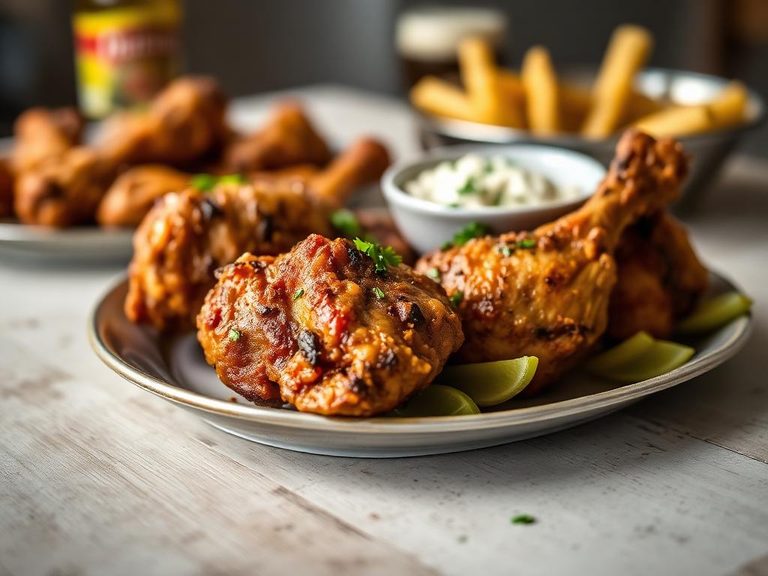
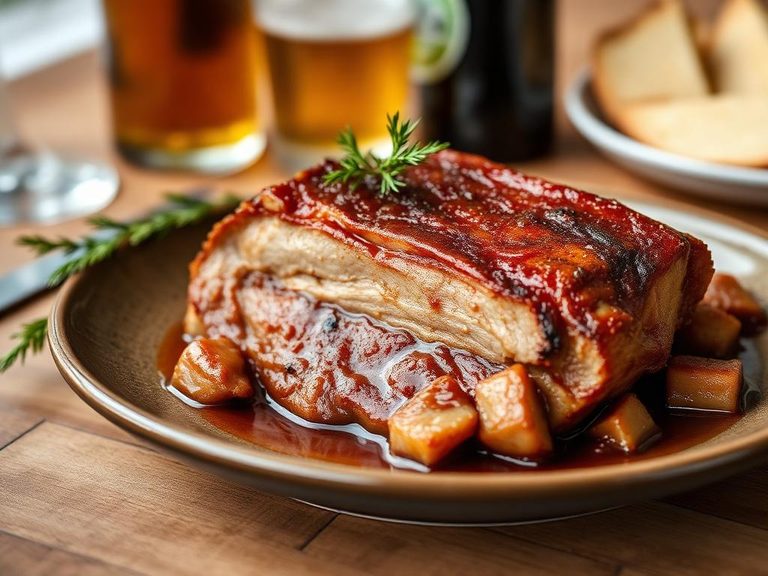
🍽️ Popular dishes
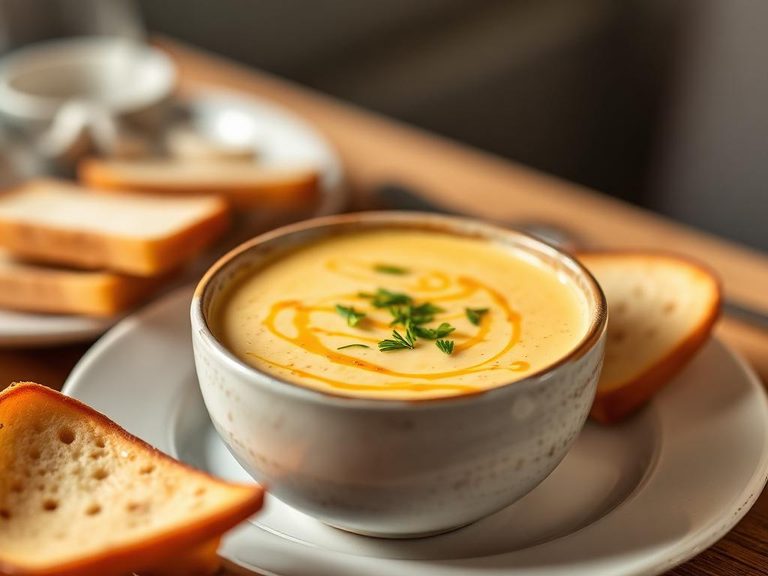
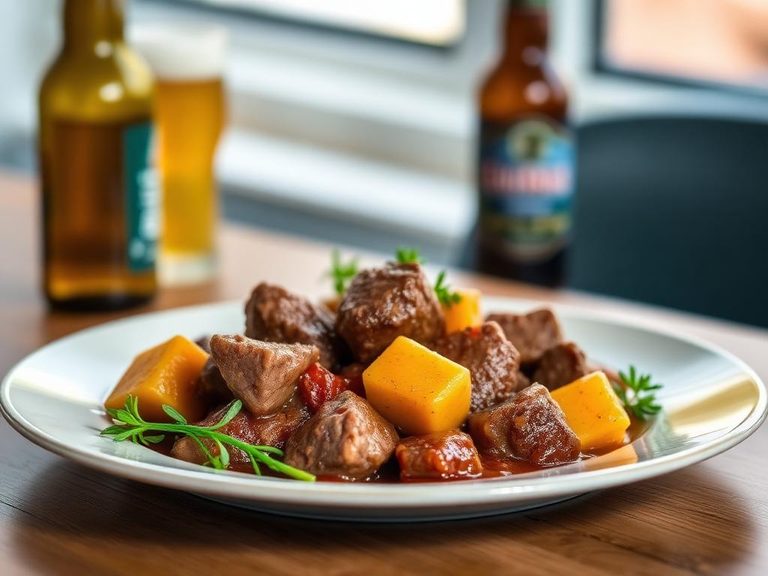
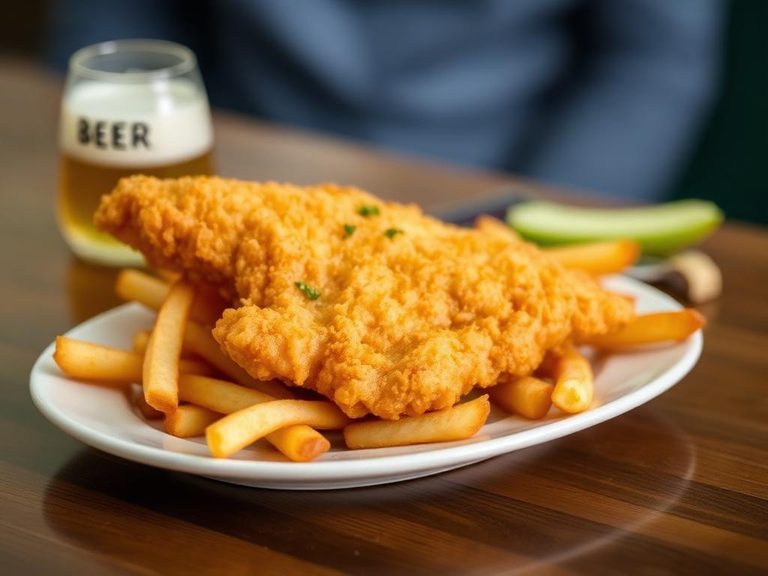
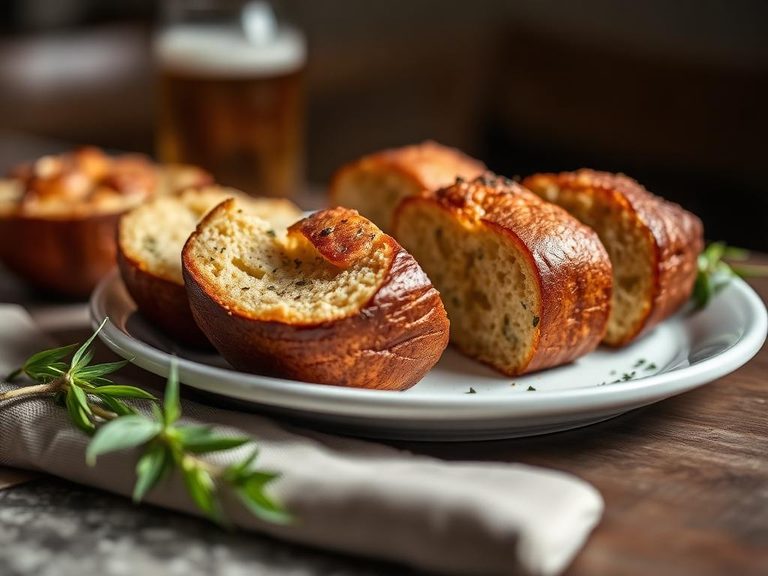
🌍 Where it's eaten
💡 Did you know?
The term 'barleywine' was first used in 1903 to describe a strong English ale, but the style's roots trace back to 18th-century British brewing when it was a premium, cellar-aged beverage.
Full nutrition (USDA data · scales with serving)
| Water | 91.0 g |
| Energy | 58.0 kcal |
| Energy | 243 kj |
| Protein | 0.90 g |
| Total lipid (fat) | 0.00 g |
| Ash | 0.12 g |
| Carbohydrate, by difference | 0.27 g |
| Fiber, total dietary | 0.00 g |
| Total Sugars | 0.00 g |
| Sucrose | 0.00 g |
| Glucose | 0.00 g |
| Fructose | 0.00 g |
| Lactose | 0.00 g |
| Maltose | 0.00 g |
| Galactose | 0.00 g |
| Calcium, Ca | 8.0 mg |
| Iron, Fe | 0.03 mg |
| Magnesium, Mg | 12.0 mg |
| Phosphorus, P | 32.0 mg |
| Potassium, K | 62.0 mg |
| Sodium, Na | 4.0 mg |
| Zinc, Zn | 0.01 mg |
| Copper, Cu | 0.01 mg |
| Manganese, Mn | 0.02 mg |
| Selenium, Se | 0.60 ug |
| Vitamin C, total ascorbic acid | 0.00 mg |
| Thiamin | 0.03 mg |
| Riboflavin | 0.09 mg |
| Niacin | 1.1 mg |
| Pantothenic acid | 0.21 mg |
| Vitamin B-6 | 0.09 mg |
| Folate, total | 18.0 ug |
| Folic acid | 0.00 ug |
| Folate, food | 18.0 ug |
| Folate, DFE | 18.0 ug |
| Choline, total | 10.1 mg |
| Vitamin B-12 | 0.02 ug |
| Vitamin B-12, added | 0.00 ug |
| Vitamin A, RAE | 0.00 ug |
| Retinol | 0.00 ug |
| Carotene, beta | 0.00 ug |
| Carotene, alpha | 0.00 ug |
| Cryptoxanthin, beta | 0.00 ug |
| Vitamin A, IU | 0.00 iu |
| Lycopene | 0.00 ug |
| Lutein + zeaxanthin | 0.00 ug |
| Vitamin E (alpha-tocopherol) | 0.00 mg |
| Vitamin E, added | 0.00 mg |
| Vitamin D (D2 + D3), International Units | 0.00 iu |
| Vitamin D (D2 + D3) | 0.00 ug |
| Vitamin K (phylloquinone) | 0.00 ug |
| Alcohol, ethyl | 7.7 g |
| Caffeine | 0.00 mg |
| Theobromine | 0.00 mg |
Fat & fatty acid profile (per 100g)
| Fatty acids, total saturated | 0.00 g |
| SFA 4:0 | 0.00 g |
| SFA 6:0 | 0.00 g |
| SFA 8:0 | 0.00 g |
| SFA 10:0 | 0.00 g |
| SFA 12:0 | 0.00 g |
| SFA 14:0 | 0.00 g |
| SFA 16:0 | 0.00 g |
| SFA 18:0 | 0.00 g |
| Fatty acids, total monounsaturated | 0.00 g |
| MUFA 16:1 | 0.00 g |
| MUFA 18:1 | 0.00 g |
| MUFA 20:1 | 0.00 g |
| MUFA 22:1 | 0.00 g |
| Fatty acids, total polyunsaturated | 0.00 g |
| PUFA 18:2 | 0.00 g |
| PUFA 18:3 | 0.00 g |
| PUFA 18:4 | 0.00 g |
| PUFA 20:4 | 0.00 g |
| PUFA 20:5 n-3 (EPA) | 0.00 g |
| PUFA 22:5 n-3 (DPA) | 0.00 g |
| PUFA 22:6 n-3 (DHA) | 0.00 g |
| Cholesterol | 0.00 mg |
FAQ
What makes a beer 'higher alcohol'?
Higher alcohol beers typically have an alcohol by volume (ABV) of 8% or more, compared to standard beers which are around 4-5% ABV. This is achieved through longer fermentation or the use of more fermentable sugars from malt.
Is higher alcohol beer more fattening?
Not necessarily. While alcohol itself contains calories (7 per gram), higher alcohol beers often have less residual sugar and carbohydrates, resulting in a similar or even lower calorie count per serving than some sweeter, lower-ABV beers. The 58 kcal per 100g is relatively moderate.
How should I store higher alcohol beer?
Store it in a cool, dark place (like a cellar or refrigerator) to preserve its complex flavors. Many styles, especially barleywines and strong ales, can age well for years, developing deeper, more nuanced flavors over time.
Nutrient density (calculated · NRF9.3)
Nutrient Rich Foods index: beneficial nutrients (protein, fiber, vitamins, minerals) minus saturated fat, added sugar & sodium, per 100 kcal.
NRF9.3 index — Fulgoni, Keast & Drewnowski, 2009. Computed from USDA nutrients.
Weight-loss friendliness (composite index)
Energy density 0.58 kcal/g · 6% calories from protein · 0.0 g fiber · 0.0 g sugar per 100 g.
Composite of energy density (Rolls et al., 1999), protein & fiber satiety, minus sugar. A calculated heuristic — ranks satiety-per-calorie, not a clinical measure.
Dietary load (calculated from USDA values)
Potential renal acid load. Positive = acid-forming, negative = alkaline-forming.
Sodium-to-potassium ratio: 0.06 (lower is better — aim for ≤ 1)
Sodium:potassium per WHO potassium guidance. Computed from USDA nutrients.