

Beef, rib, back ribs, bone-in, separable lean and fat, trimmed to 0" fat, choice, cooked, braised
Whole food · Beef Products
Beef back ribs are the flavorful, meaty bones from the upper spine, prized for their rich, beefy taste and tender, pull-apart texture when braised. With nearly 31g of fat per 100g, they deliver a deeply satisfying, succulent mouthfeel and a robust, savory profile. This cut is a powerhouse of protein and fat, offering substantial energy and a luxurious eating experience.
Calorie split: 25% protein · 0% carbs · 75% fat
↓ Full nutrition💚 Why it's loved
People adore beef back ribs for their intense, beefy flavor and the satisfying, melt-in-your-mouth tenderness achieved through slow braising. They are a cultural staple in barbecue and comfort food traditions, offering a communal, hands-on eating experience that feels both indulgent and nostalgic.
⚠️ Watch-outs & how to enjoy it better
The high fat content (31g per 100g) can be a concern for those monitoring saturated fat intake or managing cholesterol levels. To counteract, pair with fiber-rich vegetables like roasted broccoli or a vinegar-based slaw to balance the meal, and practice portion control by serving alongside lighter sides. Additionally, if using a pre-made braising liquid or rub, be mindful of sodium levels; opt for low-sodium broths or season with herbs and spices instead.
Key benefits
- Excellent source of high-quality protein for muscle maintenance
- Rich in B vitamins, especially B12, for energy metabolism
- Provides essential minerals like zinc and iron
- High in healthy fats, including oleic acid, for satiety
- The bone-in cut adds collagen, beneficial for joint and skin health
🍽️ Popular dishes
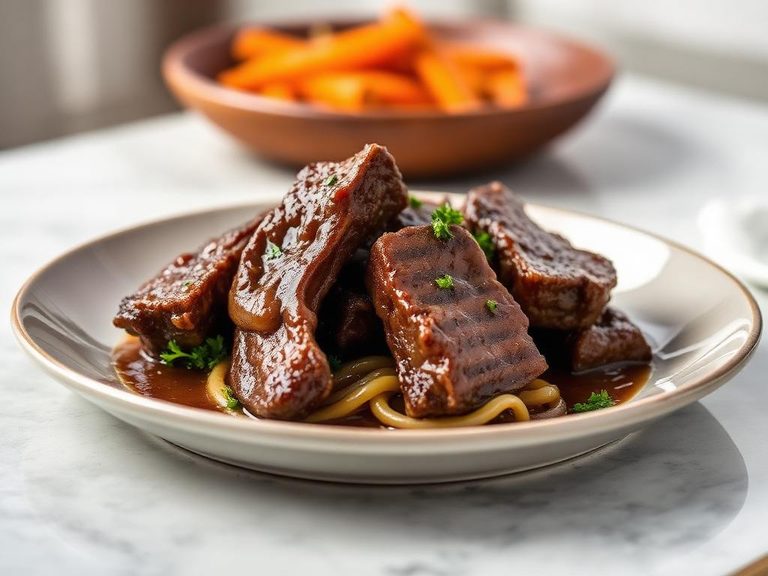
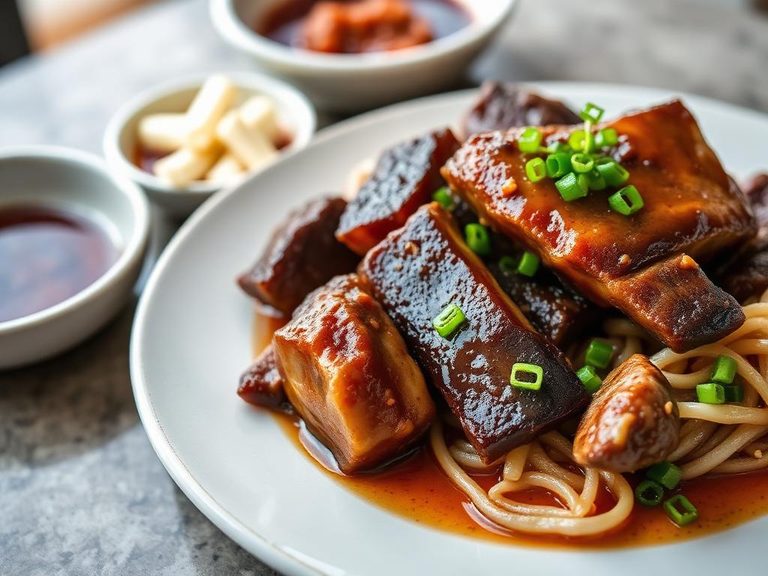
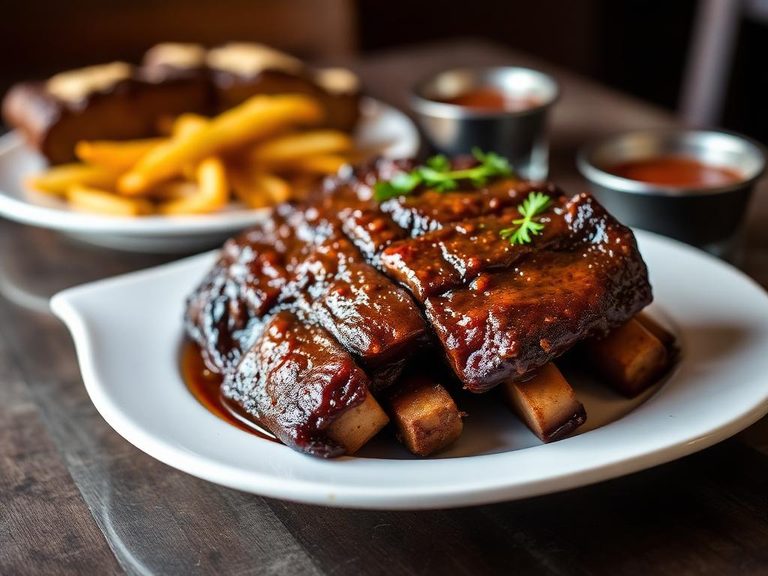
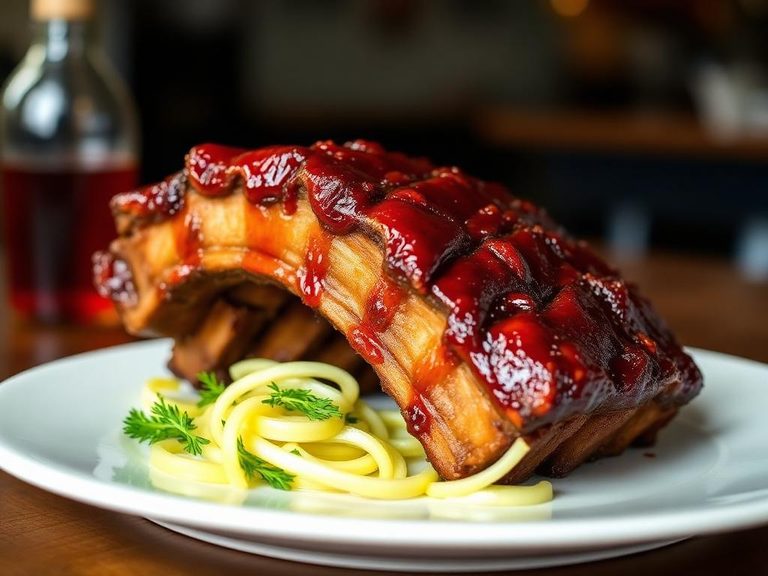
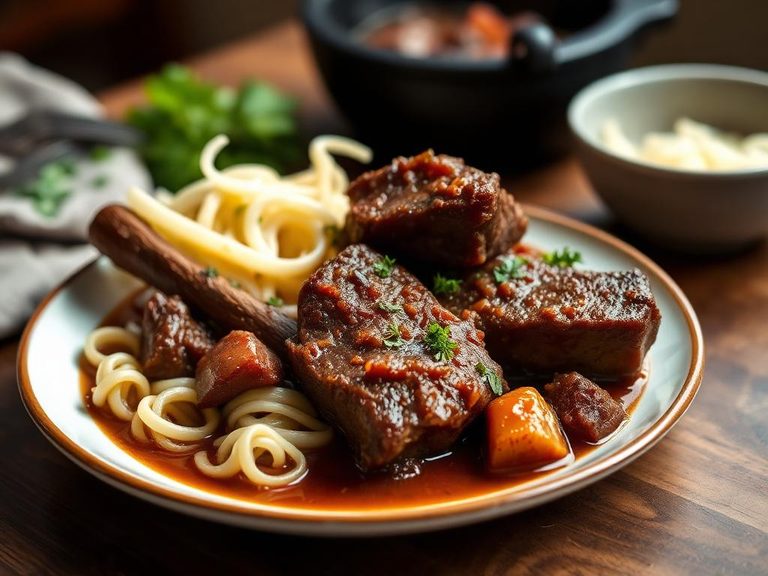
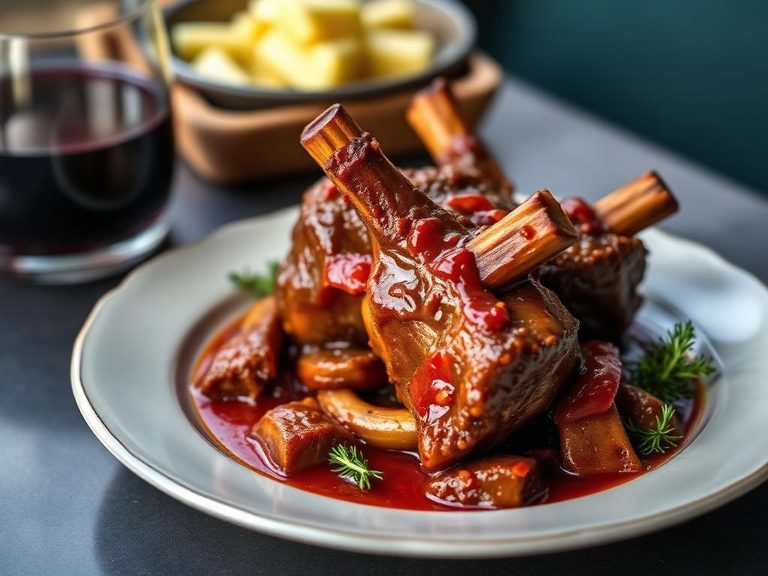
🌍 Where it's eaten
💡 Did you know?
Beef back ribs are actually the leftover bones after the prime rib roast is removed, meaning they carry the same premium marbling and flavor as one of the most celebrated cuts of beef.
Full nutrition (USDA data · scales with serving)
| Water | 45.6 g |
| Energy | 372 kcal |
| Energy | 1556 kj |
| Protein | 23.3 g |
| Total lipid (fat) | 30.9 g |
| Ash | 0.59 g |
| Carbohydrate, by difference | 0.00 g |
| Fiber, total dietary | 0.00 g |
| Total Sugars | 0.00 g |
| Calcium, Ca | 23.0 mg |
| Iron, Fe | 2.3 mg |
| Magnesium, Mg | 22.0 mg |
| Phosphorus, P | 160 mg |
| Potassium, K | 248 mg |
| Sodium, Na | 61.0 mg |
| Zinc, Zn | 5.2 mg |
| Copper, Cu | 0.07 mg |
| Selenium, Se | 24.3 ug |
| Vitamin C, total ascorbic acid | 0.00 mg |
| Thiamin | 0.09 mg |
| Riboflavin | 0.30 mg |
| Niacin | 4.9 mg |
| Vitamin B-6 | 0.46 mg |
| Folate, total | 6.0 ug |
| Folic acid | 0.00 ug |
| Folate, food | 6.0 ug |
| Folate, DFE | 6.0 ug |
| Vitamin B-12 | 2.1 ug |
| Vitamin B-12, added | 0.00 ug |
| Vitamin A, RAE | 9.0 ug |
| Retinol | 9.0 ug |
| Carotene, beta | 0.00 ug |
| Carotene, alpha | 0.00 ug |
| Cryptoxanthin, beta | 0.00 ug |
| Vitamin A, IU | 29.0 iu |
| Lycopene | 0.00 ug |
| Lutein + zeaxanthin | 0.00 ug |
| Vitamin D (D2 + D3), International Units | 8.0 iu |
| Vitamin D (D2 + D3) | 0.20 ug |
| Vitamin D3 (cholecalciferol) | 0.20 ug |
| Vitamin K (phylloquinone) | 1.6 ug |
| Alcohol, ethyl | 0.00 g |
| Caffeine | 0.00 mg |
| Theobromine | 0.00 mg |
Fat & fatty acid profile (per 100g)
| Fatty acids, total saturated | 13.8 g |
| SFA 4:0 | 0.00 g |
| SFA 6:0 | 0.00 g |
| SFA 8:0 | 0.00 g |
| SFA 10:0 | 0.02 g |
| SFA 12:0 | 0.03 g |
| SFA 14:0 | 0.91 g |
| SFA 16:0 | 7.2 g |
| SFA 18:0 | 4.9 g |
| Fatty acids, total monounsaturated | 15.1 g |
| MUFA 16:1 | 1.0 g |
| MUFA 18:1 | 13.5 g |
| MUFA 20:1 | 0.07 g |
| MUFA 22:1 | 0.00 g |
| Fatty acids, total polyunsaturated | 1.3 g |
| PUFA 18:2 | 1.1 g |
| PUFA 18:3 | 0.05 g |
| PUFA 18:4 | 0.00 g |
| PUFA 20:4 | 0.05 g |
| PUFA 20:5 n-3 (EPA) | 0.00 g |
| PUFA 22:5 n-3 (DPA) | 0.01 g |
| PUFA 22:6 n-3 (DHA) | 0.00 g |
| Cholesterol | 88.0 mg |
Amino acid profile (per 100g)
| Tryptophan | 0.26 g |
| Threonine | 1.1 g |
| Isoleucine | 1.1 g |
| Leucine | 2.0 g |
| Lysine | 2.2 g |
| Methionine | 0.63 g |
| Cystine | 0.23 g |
| Phenylalanine | 0.93 g |
| Tyrosine | 0.86 g |
| Valine | 1.2 g |
| Arginine | 1.6 g |
| Histidine | 0.86 g |
| Alanine | 1.4 g |
| Aspartic acid | 2.3 g |
| Glutamic acid | 3.8 g |
| Glycine | 1.2 g |
| Proline | 1.0 g |
| Serine | 0.95 g |
| Hydroxyproline | 0.16 g |
FAQ
What is the difference between beef back ribs and short ribs?
Beef back ribs come from the upper spine and have less meat attached, while short ribs are from the lower rib area and are meatier and fattier. Back ribs are often leaner but still rich in flavor, especially when braised.
How do I cook beef back ribs to make them tender?
Braising is the best method: sear the ribs, then cook slowly in a flavorful liquid (like broth, wine, or tomatoes) at low heat for 2-3 hours until the meat is fork-tender. Slow cooking breaks down the connective tissue, resulting in a melt-in-your-mouth texture.
Are beef back ribs a healthy protein source?
They are an excellent source of protein and essential nutrients like B12, zinc, and iron, but they are high in fat and calories. Enjoy them in moderation, and pair with vegetables to create a balanced meal.
Nutrient density (calculated · NRF9.3)
Nutrient Rich Foods index: beneficial nutrients (protein, fiber, vitamins, minerals) minus saturated fat, added sugar & sodium, per 100 kcal.
NRF9.3 index — Fulgoni, Keast & Drewnowski, 2009. Computed from USDA nutrients.
Weight-loss friendliness (composite index)
Energy density 3.72 kcal/g · 25% calories from protein · 0.0 g fiber · 0.0 g sugar per 100 g.
Composite of energy density (Rolls et al., 1999), protein & fiber satiety, minus sugar. A calculated heuristic — ranks satiety-per-calorie, not a clinical measure.
Dietary load (calculated from USDA values)
Potential renal acid load. Positive = acid-forming, negative = alkaline-forming.
Sodium-to-potassium ratio: 0.25 (lower is better — aim for ≤ 1)
Sodium:potassium per WHO potassium guidance. Computed from USDA nutrients.