

Beans, kidney, all types, mature seeds, raw
Whole food · Legumes and Legume Products

Photo: Wikipedia
Kidney beans are robust, kidney-shaped legumes with a deep red, speckled, or white skin and a creamy, starchy interior. When cooked, they develop a hearty, earthy flavor and a satisfying, slightly mealy texture that holds up beautifully in stews and salads. Nutritionally, they are a powerhouse, delivering an impressive 23.58g of protein and nearly 25g of fiber per 100g, making them one of the most filling plant-based foods available.
Calorie split: 28% protein · 70% carbs · 2% fat
↓ Full nutrition💚 Why it's loved
People love kidney beans for their incredible versatility and ability to absorb the flavors of spices and sauces, making them a staple in comfort foods worldwide. Their satisfying, hearty texture provides a substantial, meaty bite in vegetarian and omnivore dishes alike.
⚠️ Watch-outs & how to enjoy it better
Raw or undercooked kidney beans contain lectins (phytohaemagglutinin), which can cause severe nausea and digestive distress. To neutralize them, beans must be soaked for at least 5 hours and then boiled vigorously for 10 minutes before any other cooking. They can also be gas-producing for some; rinsing canned beans and starting with small portions can help.
Key benefits
- Excellent source of plant-based protein for muscle maintenance.
- High in dietary fiber to promote digestive health and satiety.
- Rich in iron, folate, and magnesium for energy and blood health.
- Low in fat and contains no cholesterol.
- A low-glycemic food that helps stabilize blood sugar levels when cooked.
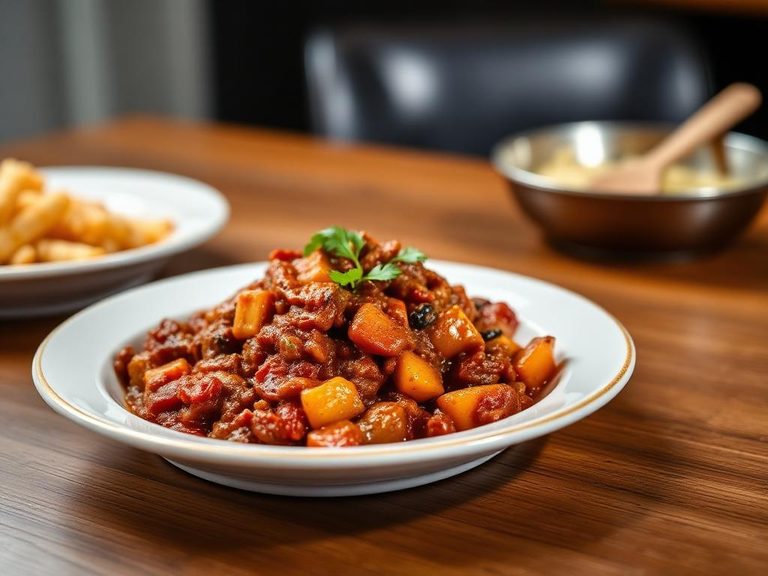
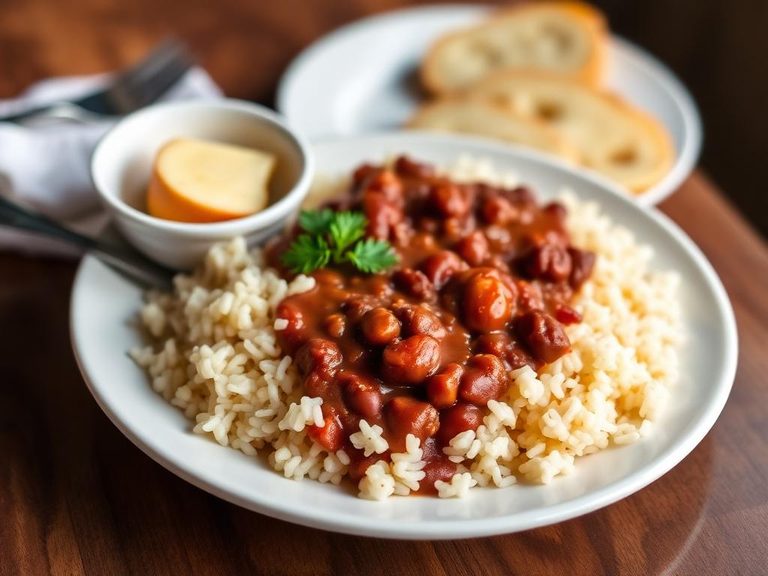
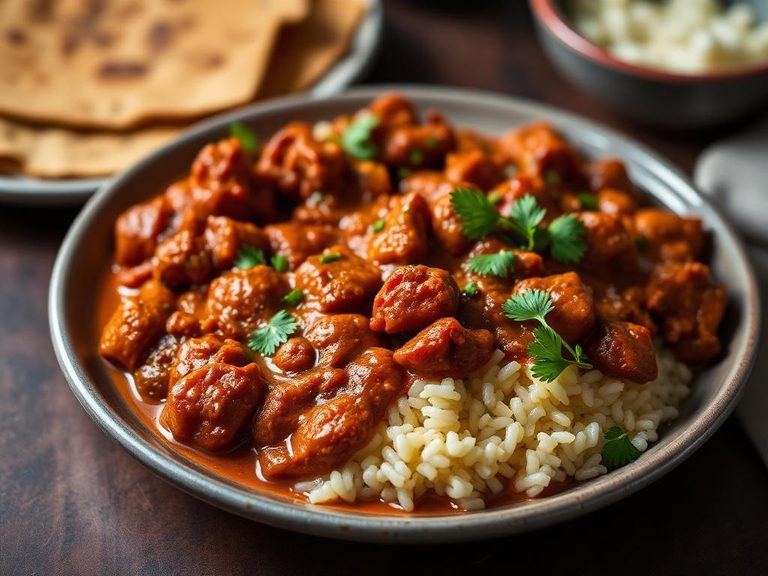
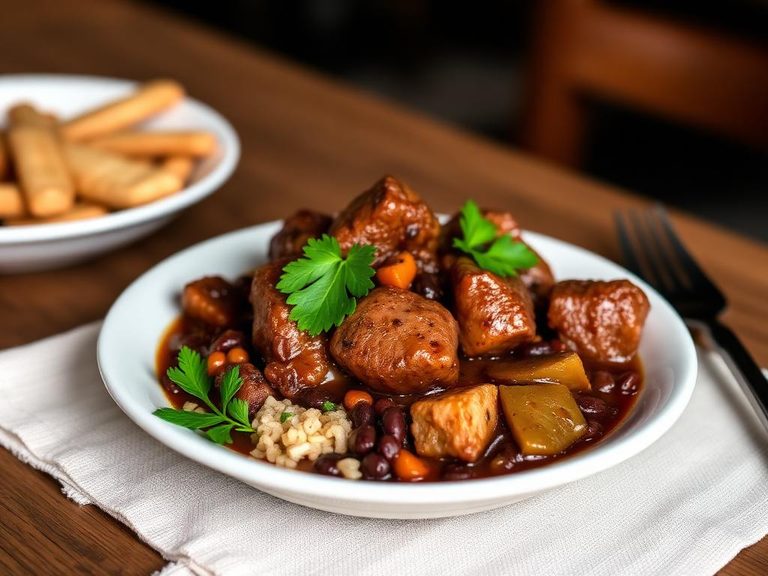
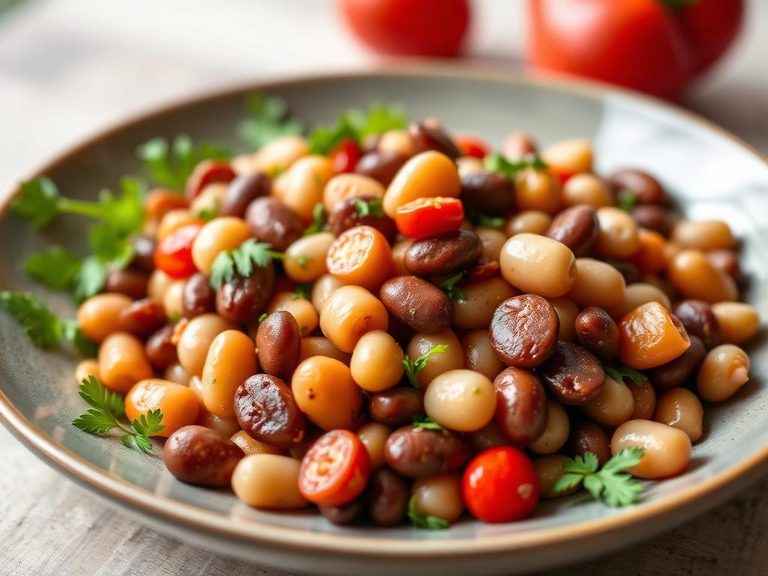
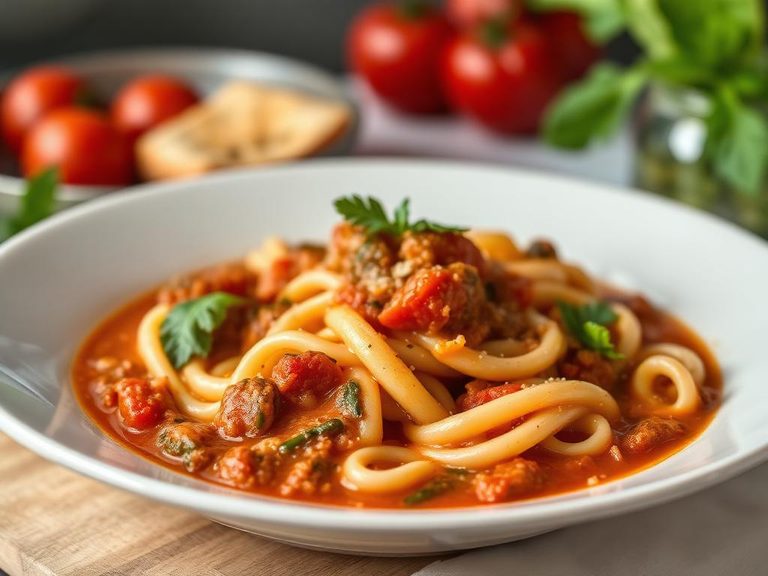
🍽️ Popular dishes
🌍 Where it's eaten
💡 Did you know?
The lectin in raw kidney beans is so potent that eating just four to five undercooked beans can trigger symptoms, and the toxin is 100 times more concentrated than in other common beans.
Full nutrition (USDA data · scales with serving)
| Water | 11.8 g |
| Energy | 333 kcal |
| Energy | 1393 kj |
| Protein | 23.6 g |
| Total lipid (fat) | 0.83 g |
| Ash | 3.8 g |
| Carbohydrate, by difference | 60.0 g |
| Fiber, total dietary | 24.9 g |
| Total Sugars | 2.2 g |
| Calcium, Ca | 143 mg |
| Iron, Fe | 8.2 mg |
| Magnesium, Mg | 140 mg |
| Phosphorus, P | 407 mg |
| Potassium, K | 1406 mg |
| Sodium, Na | 24.0 mg |
| Zinc, Zn | 2.8 mg |
| Copper, Cu | 0.96 mg |
| Manganese, Mn | 1.0 mg |
| Selenium, Se | 3.2 ug |
| Vitamin C, total ascorbic acid | 4.5 mg |
| Thiamin | 0.53 mg |
| Riboflavin | 0.22 mg |
| Niacin | 2.1 mg |
| Pantothenic acid | 0.78 mg |
| Vitamin B-6 | 0.40 mg |
| Folate, total | 394 ug |
| Folic acid | 0.00 ug |
| Folate, food | 394 ug |
| Folate, DFE | 394 ug |
| Vitamin B-12 | 0.00 ug |
| Vitamin A, RAE | 0.00 ug |
| Retinol | 0.00 ug |
| Carotene, beta | 0.00 ug |
| Carotene, alpha | 0.00 ug |
| Cryptoxanthin, beta | 0.00 ug |
| Vitamin A, IU | 0.00 iu |
| Lycopene | 0.00 ug |
| Lutein + zeaxanthin | 0.00 ug |
| Vitamin E (alpha-tocopherol) | 0.22 mg |
| Vitamin D (D2 + D3), International Units | 0.00 iu |
| Vitamin D (D2 + D3) | 0.00 ug |
| Vitamin K (phylloquinone) | 19.0 ug |
| Alcohol, ethyl | 0.00 g |
| Caffeine | 0.00 mg |
| Theobromine | 0.00 mg |
Fat & fatty acid profile (per 100g)
| Fatty acids, total saturated | 0.12 g |
| SFA 4:0 | 0.00 g |
| SFA 6:0 | 0.00 g |
| SFA 8:0 | 0.00 g |
| SFA 10:0 | 0.00 g |
| SFA 12:0 | 0.00 g |
| SFA 16:0 | 0.11 g |
| SFA 18:0 | 0.01 g |
| Fatty acids, total monounsaturated | 0.06 g |
| MUFA 16:1 | 0.00 g |
| MUFA 18:1 | 0.06 g |
| MUFA 20:1 | 0.00 g |
| MUFA 22:1 | 0.00 g |
| Fatty acids, total polyunsaturated | 0.46 g |
| PUFA 18:2 | 0.18 g |
| PUFA 18:3 | 0.28 g |
| PUFA 18:4 | 0.00 g |
| PUFA 20:4 | 0.00 g |
| PUFA 20:5 n-3 (EPA) | 0.00 g |
| PUFA 22:6 n-3 (DHA) | 0.00 g |
| Fatty acids, total trans | 0.00 g |
| Cholesterol | 0.00 mg |
| Phytosterols | 127 mg |
Amino acid profile (per 100g)
| Tryptophan | 0.28 g |
| Threonine | 0.99 g |
| Isoleucine | 1.0 g |
| Leucine | 1.9 g |
| Lysine | 1.6 g |
| Methionine | 0.35 g |
| Cystine | 0.26 g |
| Phenylalanine | 1.3 g |
| Tyrosine | 0.66 g |
| Valine | 1.2 g |
| Arginine | 1.5 g |
| Histidine | 0.66 g |
| Alanine | 0.99 g |
| Aspartic acid | 2.9 g |
| Glutamic acid | 3.6 g |
| Glycine | 0.92 g |
| Proline | 1.0 g |
| Serine | 1.3 g |
FAQ
Do I really need to soak dried kidney beans?
Yes, for safety and texture. Soaking for 5-12 hours helps reduce cooking time and is essential to begin neutralizing the natural toxin lectin. Always finish with a vigorous boil for at least 10 minutes.
Are canned kidney beans already safe to eat?
Yes, commercial canning processes involve high heat that destroys lectins. They are safe to eat straight from the can after rinsing, though some prefer to simmer them briefly for better texture.
How can I reduce the gas-producing effects?
Thoroughly rinsing canned beans, discarding soaking water for dried beans, and starting with smaller portions can help. Some find adding a piece of kombu seaweed during cooking aids digestion.
Nutrient density (calculated · NRF9.3)
Nutrient Rich Foods index: beneficial nutrients (protein, fiber, vitamins, minerals) minus saturated fat, added sugar & sodium, per 100 kcal.
NRF9.3 index — Fulgoni, Keast & Drewnowski, 2009. Computed from USDA nutrients.
Weight-loss friendliness (composite index)
Energy density 3.33 kcal/g · 28% calories from protein · 24.9 g fiber · 2.2 g sugar per 100 g.
Composite of energy density (Rolls et al., 1999), protein & fiber satiety, minus sugar. A calculated heuristic — ranks satiety-per-calorie, not a clinical measure.
Dietary load (calculated from USDA values)
Potential renal acid load. Positive = acid-forming, negative = alkaline-forming.
Sodium-to-potassium ratio: 0.02 (lower is better — aim for ≤ 1)
Sodium:potassium per WHO potassium guidance. Computed from USDA nutrients.