

Bananas, overripe, raw
Whole food · Fruits and Fruit Juices
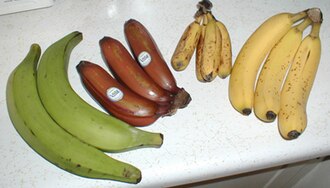
Photo: Wikipedia
An overripe banana is a fruit past its firm, yellow prime, often developing brown spots or a fully brown peel. Its texture becomes exceptionally soft, almost mushy, and its flavor intensifies into a deep, caramel-like sweetness with prominent honeyed notes. Nutritionally, it's a concentrated source of quick-release carbohydrates and provides a notable boost of potassium and vitamin B6.
Calorie split: 3% protein · 94% carbs · 2% fat
↓ Full nutrition💚 Why it's loved
People love overripe bananas for their intense, dessert-like sweetness and incredibly soft, creamy texture that blends seamlessly into smoothies and baked goods. They are a beloved, economical staple in global home cooking, often saved from waste to create everything from banana bread to baby food.
⚠️ Watch-outs & how to enjoy it better
The high concentration of natural sugars can cause rapid blood sugar spikes, making portion control important for individuals managing diabetes. Their mushy texture and strong flavor are unappealing to those who prefer a firm, mild banana. To counteract sugar impact, pair a small portion with protein (like nuts or yogurt) or healthy fat (like peanut butter) to slow digestion.
Key benefits
- Excellent source of potassium for heart and muscle function
- High in vitamin B6, supporting metabolism and brain health
- Provides quick, easily digestible energy from natural sugars
- Contains resistant starch and pectin, which act as prebiotics
- Soft texture makes it ideal for those with swallowing difficulties
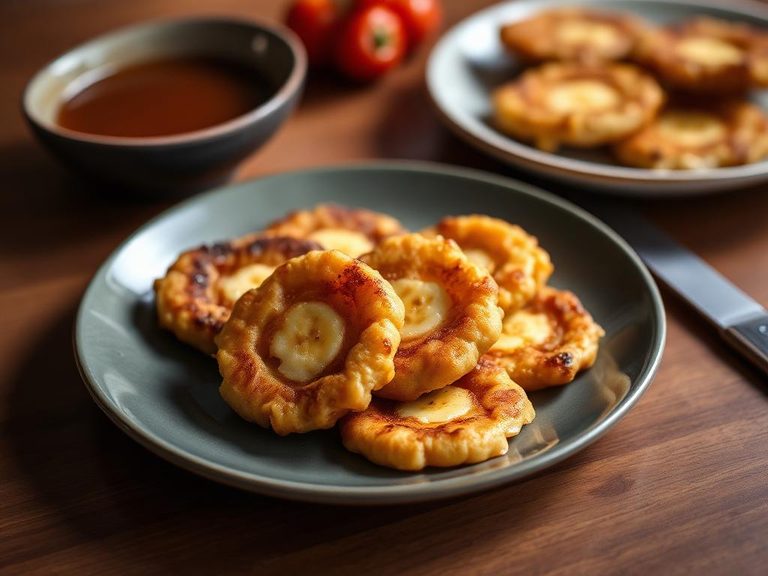
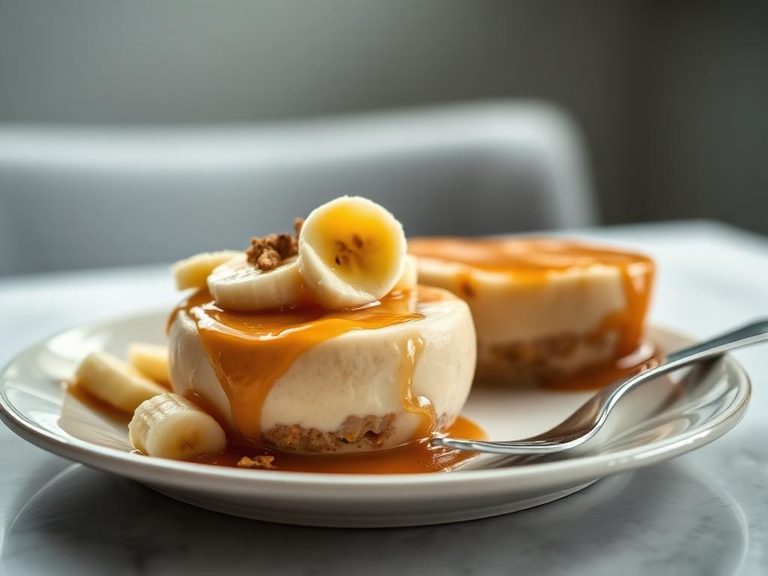
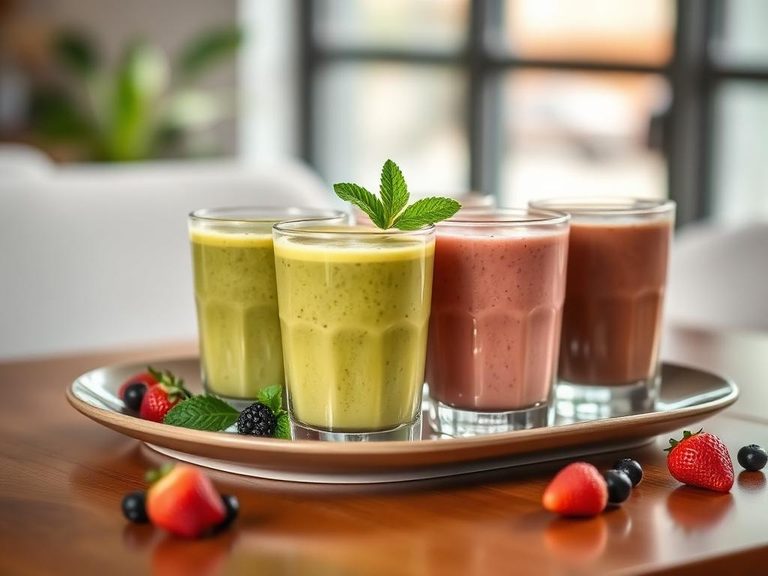
🍽️ Popular dishes
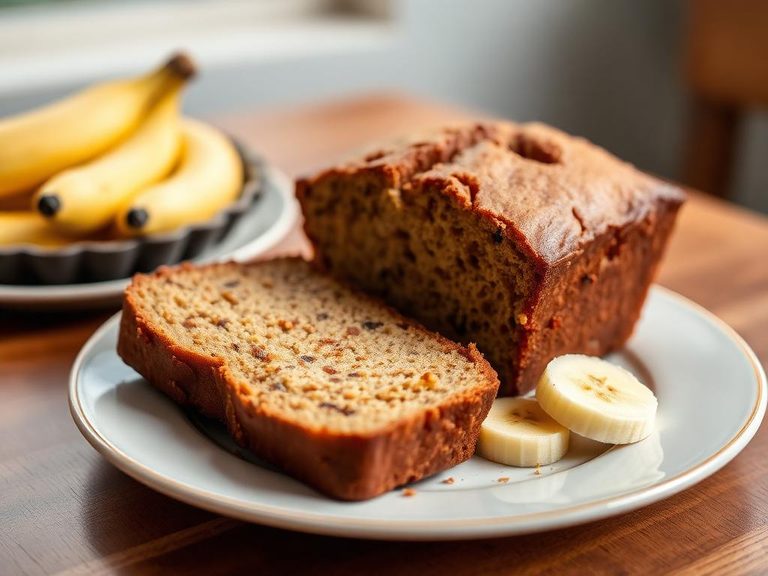
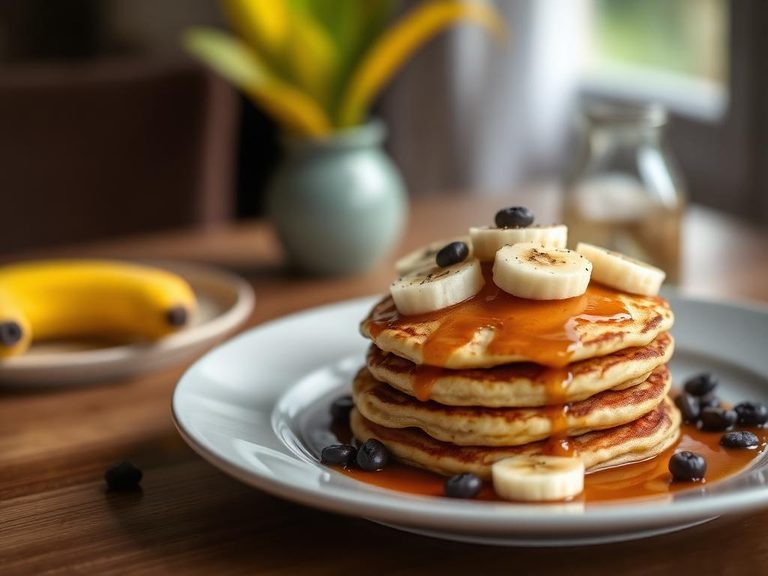
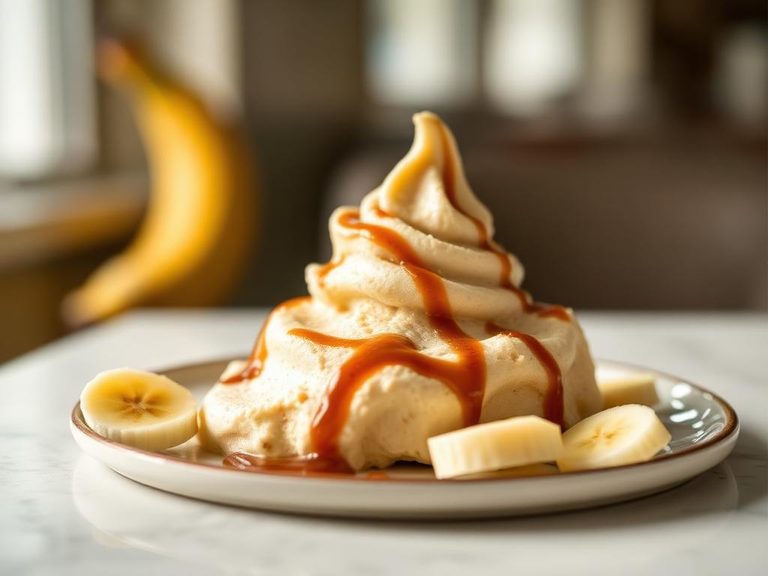
🌍 Where it's eaten
💡 Did you know?
As a banana ripens, its starch converts to sugar, but the peel also becomes a richer source of antioxidants like dopamine, which increases significantly as the fruit browns.
Full nutrition (USDA data · scales with serving)
| Water | 78.3 g |
| Energy (Atwater General Factors) | 85.0 kcal |
| Energy (Atwater Specific Factors) | 77.0 kcal |
| Energy | 85.0 kcal |
| Energy | 357 kj |
| Nitrogen | 0.12 g |
| Protein | 0.73 g |
| Total lipid (fat) | 0.22 g |
| Ash | 0.67 g |
| Carbohydrate, by difference | 20.1 g |
| Carbohydrate, by summation | 18.0 g |
| Fiber, total dietary | 1.7 g |
| Total dietary fiber (AOAC 2011.25) | 2.0 g |
| Sugars, Total | 15.8 g |
| Sucrose | 2.1 g |
| Glucose | 7.0 g |
| Fructose | 6.7 g |
| Lactose | 0.00 g |
| Maltose | 0.00 g |
| Galactose | 0.00 g |
| Starch | 0.41 g |
| Citric acid | 279 mg |
| Malic acid | 290 mg |
| Vitamin C, total ascorbic acid | 9.7 mg |
| Thiamin | 0.04 mg |
| Riboflavin | 0.00 mg |
| Niacin | 0.57 mg |
| Vitamin B-6 | 0.23 mg |
| Biotin | 0.00 ug |
| Folate, total | 25.0 ug |
| Vitamin A, RAE | 1.0 ug |
| Carotene, beta | 10.0 ug |
| cis-beta-Carotene | 1.0 ug |
| trans-beta-Carotene | 9.0 ug |
| Carotene, alpha | 8.0 ug |
| Cryptoxanthin, beta | 0.00 ug |
| Cryptoxanthin, alpha | 0.00 ug |
| cis-Lycopene | 0.00 ug |
| trans-Lycopene | 0.00 ug |
| cis-Lutein/Zeaxanthin | 0.00 ug |
| Vitamin K (phylloquinone) | 0.20 ug |
| Vitamin K (Dihydrophylloquinone) | 0.00 ug |
| Vitamin K (Menaquinone-4) | 0.00 ug |
Fat & fatty acid profile (per 100g)
Estimated from Bananas, dehydrated, or banana powder — USDA does not publish this profile for Bananas.
| Fatty acids, total saturated | 0.70 g |
| SFA 4:0 | 0.00 g |
| SFA 6:0 | 0.00 g |
| SFA 8:0 | 0.00 g |
| SFA 10:0 | 0.01 g |
| SFA 12:0 | 0.01 g |
| SFA 14:0 | 0.01 g |
| SFA 16:0 | 0.47 g |
| SFA 18:0 | 0.02 g |
| Fatty acids, total monounsaturated | 0.15 g |
| MUFA 16:1 | 0.04 g |
| MUFA 18:1 | 0.10 g |
| MUFA 20:1 | 0.00 g |
| MUFA 22:1 | 0.00 g |
| Fatty acids, total polyunsaturated | 0.34 g |
| PUFA 18:2 | 0.21 g |
| PUFA 18:3 | 0.13 g |
| PUFA 18:4 | 0.00 g |
| PUFA 20:4 | 0.00 g |
| PUFA 20:5 n-3 (EPA) | 0.00 g |
| PUFA 22:5 n-3 (DPA) | 0.00 g |
| PUFA 22:6 n-3 (DHA) | 0.00 g |
| Cholesterol | 0.00 mg |
Amino acid profile (per 100g)
Estimated from Bananas, dehydrated, or banana powder — USDA does not publish this profile for Bananas.
| Threonine | 0.17 g |
| Isoleucine | 0.17 g |
| Leucine | 0.36 g |
| Lysine | 0.16 g |
| Methionine | 0.07 g |
| Cystine | 0.06 g |
| Phenylalanine | 0.20 g |
| Tyrosine | 0.12 g |
| Valine | 0.28 g |
| Arginine | 0.18 g |
| Histidine | 0.33 g |
| Alanine | 0.22 g |
| Aspartic acid | 0.50 g |
| Glutamic acid | 0.40 g |
| Glycine | 0.19 g |
| Proline | 0.23 g |
| Serine | 0.23 g |
FAQ
Are overripe bananas less healthy than firm ones?
Not necessarily. While they have more simple sugars and fewer resistant starches, they offer higher antioxidant levels and are easier to digest. Their nutritional profile shifts rather than declines.
Can I freeze overripe bananas?
Absolutely. Peel them, break into chunks, and freeze in a bag. They are perfect for making smoothies or a dairy-free 'nice cream' with a thick, creamy texture.
Why do my bananas ripen so quickly?
Bananas release ethylene gas, which accelerates ripening. Keeping them in a fruit bowl with other produce speeds this up. To slow it, separate them and store in the refrigerator (the peel will brown, but the fruit inside stays firm longer).
Weight-loss friendliness (composite index)
Energy density 0.85 kcal/g · 3% calories from protein · 1.7 g fiber · 0.0 g sugar per 100 g.
Composite of energy density (Rolls et al., 1999), protein & fiber satiety, minus sugar. A calculated heuristic — ranks satiety-per-calorie, not a clinical measure.