

Bananas, dehydrated, or banana powder
Whole food · Fruits and Fruit Juices

Photo: Wikipedia
Dehydrated banana powder is the finely milled essence of ripe bananas, offering a potent, sweet flavor and a smooth, flour-like texture. It packs a concentrated energy punch, with nearly 90 grams of carbohydrates and almost 50 grams of natural sugar per 100 grams, making it a powerful natural sweetener and thickener.
Calorie split: 4% protein · 92% carbs · 4% fat
↓ Full nutrition💚 Why it's loved
People love it for its intense, authentic banana flavor that can instantly elevate smoothies, baked goods, and even savory dishes. Its incredible versatility and long shelf life make it a staple for adding natural sweetness and nutrition without refined sugars.
⚠️ Watch-outs & how to enjoy it better
Its high natural sugar and carbohydrate content can cause rapid blood-sugar spikes, so those monitoring glucose levels should use it sparingly. To counteract this, always pair it with a source of protein (like yogurt or nuts) or healthy fat (like nut butter) to slow absorption. It can also be calorically dense, so mindful portioning is key.
Key benefits
- Natural, single-ingredient sweetener and flavor enhancer.
- Provides quick-release energy from natural fruit sugars.
- Adds natural thickness and binding properties to recipes.
- Offers dietary fiber and some potassium in a shelf-stable form.
- Gluten-free alternative to wheat flour for baking and coatings.
🍽️ Popular dishes
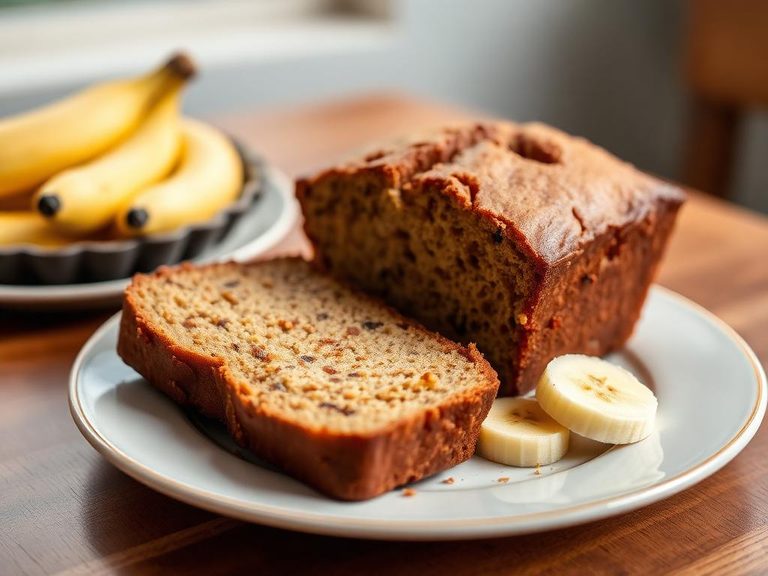
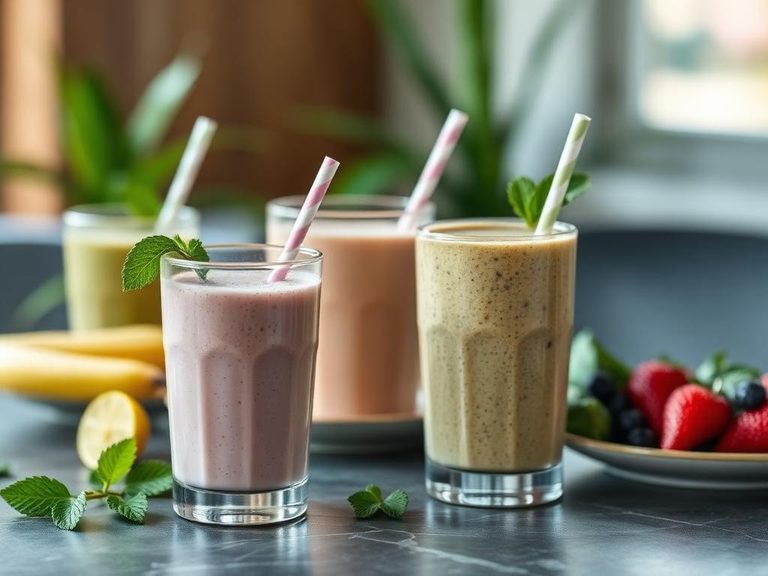


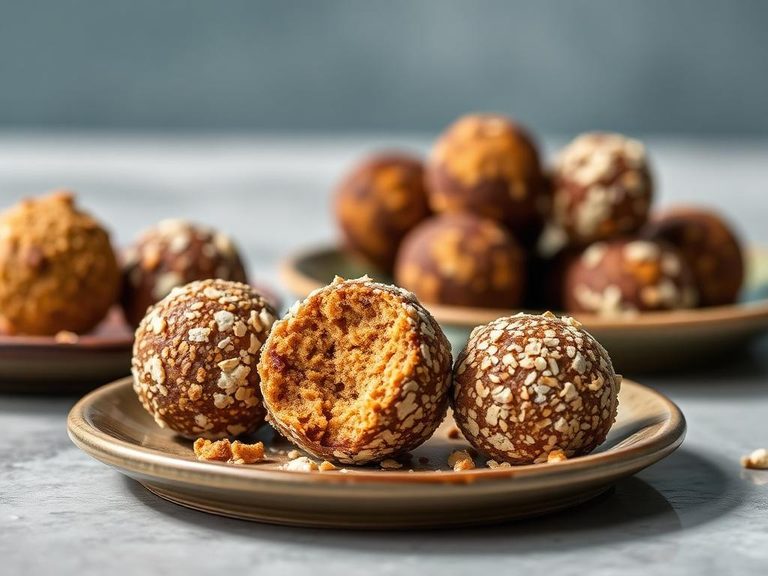
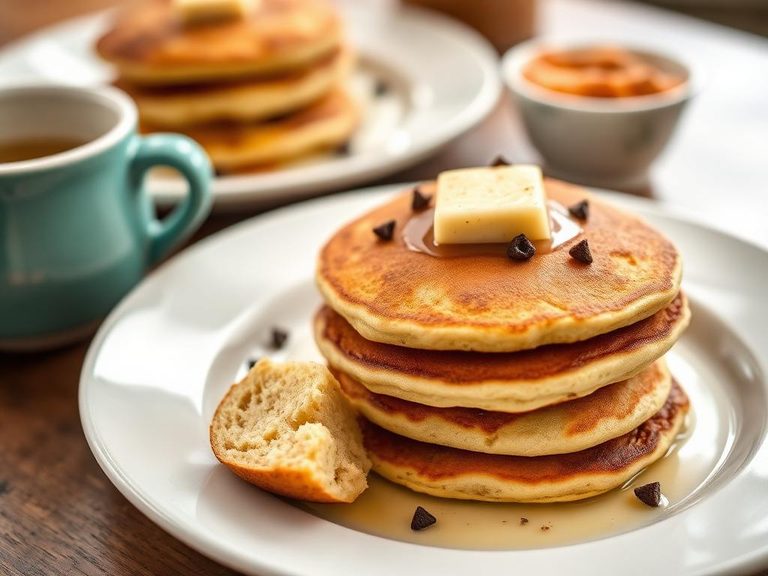
🌍 Where it's eaten
💡 Did you know?
In some traditional cuisines, unripe banana powder is used as a gluten-free thickener for soups and stews, functioning much like cornstarch.
Full nutrition (USDA data · scales with serving)
| Water | 3.0 g |
| Energy | 346 kcal |
| Energy | 1448 kj |
| Protein | 3.9 g |
| Total lipid (fat) | 1.8 g |
| Ash | 3.0 g |
| Carbohydrate, by difference | 88.3 g |
| Fiber, total dietary | 9.9 g |
| Total Sugars | 47.3 g |
| Calcium, Ca | 22.0 mg |
| Iron, Fe | 1.1 mg |
| Magnesium, Mg | 108 mg |
| Phosphorus, P | 74.0 mg |
| Potassium, K | 1491 mg |
| Sodium, Na | 3.0 mg |
| Zinc, Zn | 0.61 mg |
| Copper, Cu | 0.39 mg |
| Manganese, Mn | 0.57 mg |
| Selenium, Se | 3.9 ug |
| Vitamin C, total ascorbic acid | 7.0 mg |
| Thiamin | 0.18 mg |
| Riboflavin | 0.24 mg |
| Niacin | 2.8 mg |
| Vitamin B-6 | 0.44 mg |
| Folate, total | 14.0 ug |
| Folic acid | 0.00 ug |
| Folate, food | 14.0 ug |
| Folate, DFE | 14.0 ug |
| Choline, total | 19.6 mg |
| Vitamin B-12 | 0.00 ug |
| Vitamin B-12, added | 0.00 ug |
| Vitamin A, RAE | 12.0 ug |
| Retinol | 0.00 ug |
| Carotene, beta | 101 ug |
| Carotene, alpha | 96.0 ug |
| Cryptoxanthin, beta | 0.00 ug |
| Vitamin A, IU | 248 iu |
| Lycopene | 0.00 ug |
| Lutein + zeaxanthin | 84.0 ug |
| Vitamin E (alpha-tocopherol) | 0.39 mg |
| Vitamin E, added | 0.00 mg |
| Vitamin D (D2 + D3), International Units | 0.00 iu |
| Vitamin D (D2 + D3) | 0.00 ug |
| Vitamin K (phylloquinone) | 2.0 ug |
| Alcohol, ethyl | 0.00 g |
| Caffeine | 0.00 mg |
| Theobromine | 0.00 mg |
Fat & fatty acid profile (per 100g)
| Fatty acids, total saturated | 0.70 g |
| SFA 4:0 | 0.00 g |
| SFA 6:0 | 0.00 g |
| SFA 8:0 | 0.00 g |
| SFA 10:0 | 0.01 g |
| SFA 12:0 | 0.01 g |
| SFA 14:0 | 0.01 g |
| SFA 16:0 | 0.47 g |
| SFA 18:0 | 0.02 g |
| Fatty acids, total monounsaturated | 0.15 g |
| MUFA 16:1 | 0.04 g |
| MUFA 18:1 | 0.10 g |
| MUFA 20:1 | 0.00 g |
| MUFA 22:1 | 0.00 g |
| Fatty acids, total polyunsaturated | 0.34 g |
| PUFA 18:2 | 0.21 g |
| PUFA 18:3 | 0.13 g |
| PUFA 18:4 | 0.00 g |
| PUFA 20:4 | 0.00 g |
| PUFA 20:5 n-3 (EPA) | 0.00 g |
| PUFA 22:5 n-3 (DPA) | 0.00 g |
| PUFA 22:6 n-3 (DHA) | 0.00 g |
| Cholesterol | 0.00 mg |
Amino acid profile (per 100g)
| Threonine | 0.17 g |
| Isoleucine | 0.17 g |
| Leucine | 0.36 g |
| Lysine | 0.16 g |
| Methionine | 0.07 g |
| Cystine | 0.06 g |
| Phenylalanine | 0.20 g |
| Tyrosine | 0.12 g |
| Valine | 0.28 g |
| Arginine | 0.18 g |
| Histidine | 0.33 g |
| Alanine | 0.22 g |
| Aspartic acid | 0.50 g |
| Glutamic acid | 0.40 g |
| Glycine | 0.19 g |
| Proline | 0.23 g |
| Serine | 0.23 g |
FAQ
How does it differ from regular flour?
It is not a grain flour. It's made purely from dried, ground bananas, making it gluten-free but very high in sugar and carbs. It's used more as a sweetener, flavoring, or nutritional boost than as a primary structural flour in baking.
Can I use it in savory cooking?
Yes, in small amounts. It can add a subtle sweetness and body to curries, stews, or sauces, similar to how one might use a pinch of sugar or a mashed ripe banana, but without the moisture.
Is it the same as banana flour?
Often yes, though 'banana flour' can sometimes be made from green, unripe bananas (which is starchier and less sweet). 'Banana powder' typically implies it's made from ripe bananas and is sweeter.
Nutrient density (calculated · NRF9.3)
Nutrient Rich Foods index: beneficial nutrients (protein, fiber, vitamins, minerals) minus saturated fat, added sugar & sodium, per 100 kcal.
NRF9.3 index — Fulgoni, Keast & Drewnowski, 2009. Computed from USDA nutrients.
Weight-loss friendliness (composite index)
Energy density 3.46 kcal/g · 4% calories from protein · 9.9 g fiber · 47.3 g sugar per 100 g.
Composite of energy density (Rolls et al., 1999), protein & fiber satiety, minus sugar. A calculated heuristic — ranks satiety-per-calorie, not a clinical measure.
Dietary load (calculated from USDA values)
Potential renal acid load. Positive = acid-forming, negative = alkaline-forming.
Sodium-to-potassium ratio: 0.00 (lower is better — aim for ≤ 1)
Sodium:potassium per WHO potassium guidance. Computed from USDA nutrients.