Gluten-Free Pancakes & Muffins
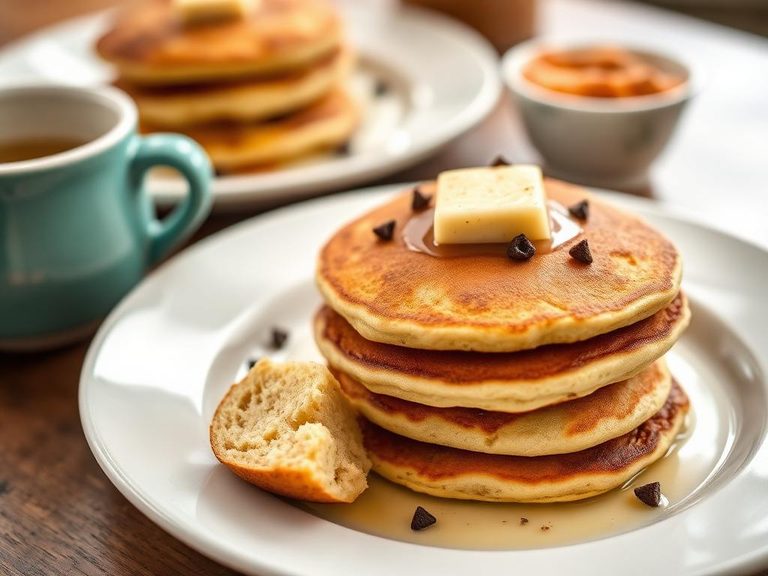
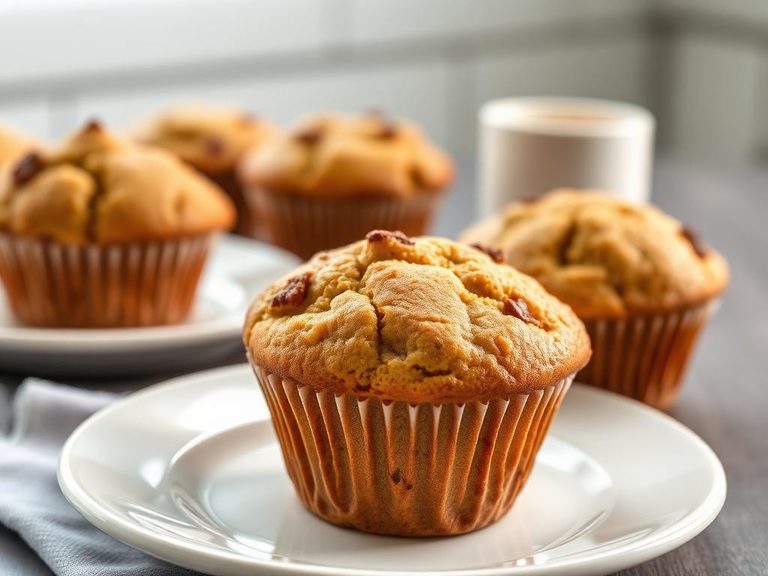
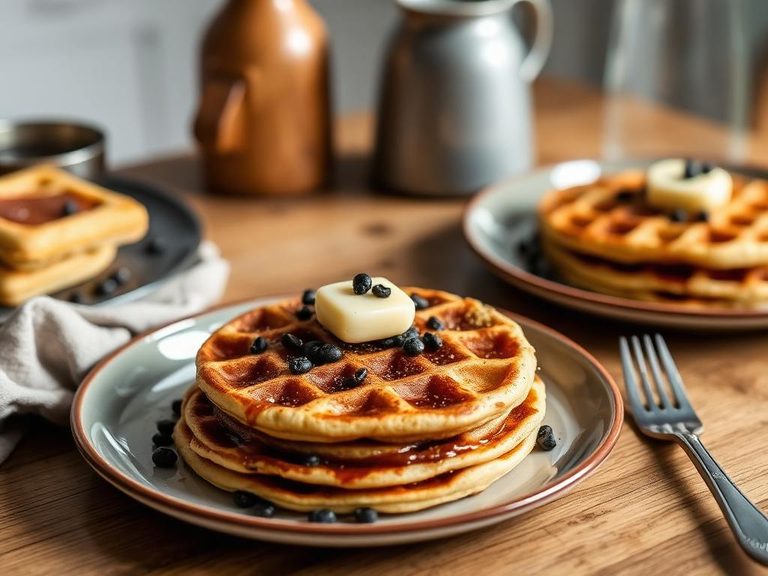
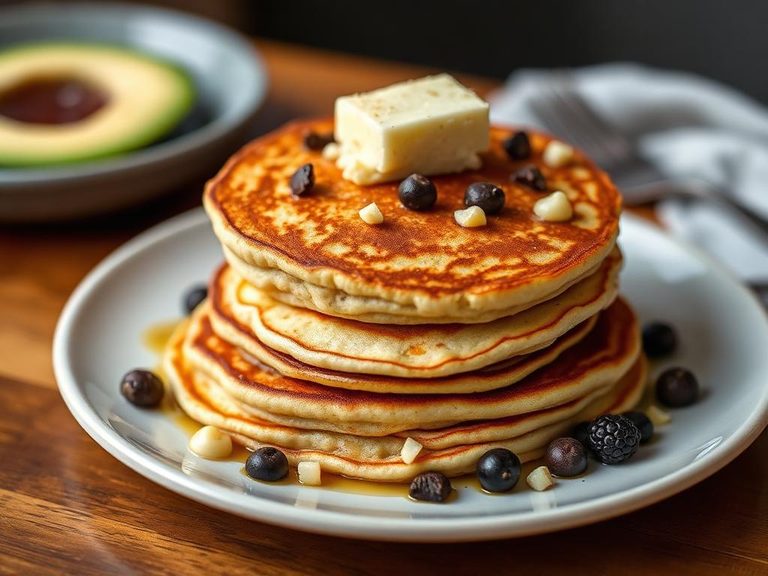
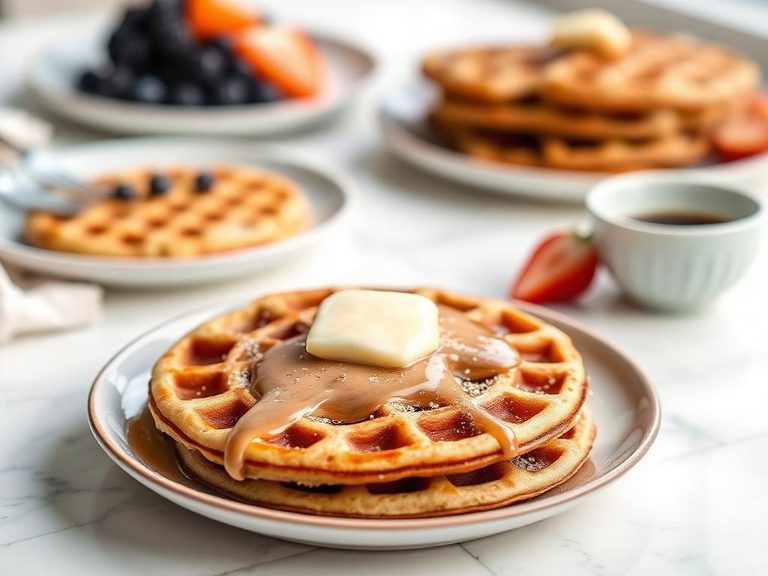
Gluten-free pancakes and muffins are breakfast or snack items made without wheat, barley, or rye, typically using alternative flours like almond, oat, or coconut flour. They often incorporate ingredients like eggs, bananas, or applesauce for binding and moisture, and are popular in many Western countries, especially in the United States and Europe, due to dietary trends and gluten-related health needs.
🍽️ Nutrition at a glance
These are generally high in carbohydrates from the alternative flours and natural sugars, with moderate fat and protein depending on ingredients like nuts or eggs. A typical serving provides key nutrients like fiber, iron, and B vitamins, with a rough calorie range of 150-250 kcal per serving.
Nutrition breakdown
| Calories | 200 kcal |
| Protein | 5 g |
| Carbs | 30 g |
| Fat | 8 g |
| Fiber | 3 g |
| Sugar | 10 g |
| Sodium | 180 mg |
| Iron | 2 mg |
| Potassium | 150 mg |
| Calcium | 80 mg |
| Vitamin B6 | 0.2 mg |
| Magnesium | 25 mg |
| Phosphorus | 100 mg |
| Zinc | 0.8 mg |
| Folate | 40 mcg |
Per 1 medium muffin (113 g) · estimated, varies by recipe
💡 What's interesting
Culturally, they reflect a growing global movement towards inclusive eating, adapting traditional recipes for gluten-free diets. Nutritionally, they can be a good source of fiber and healthy fats when made with whole-food ingredients, offering a more nutrient-dense alternative to conventional versions.