Gluten-free pancakes and waffles
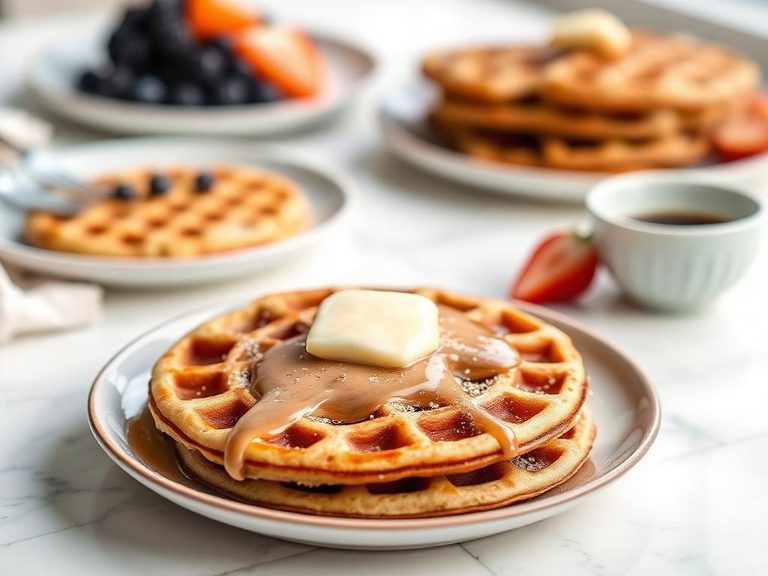
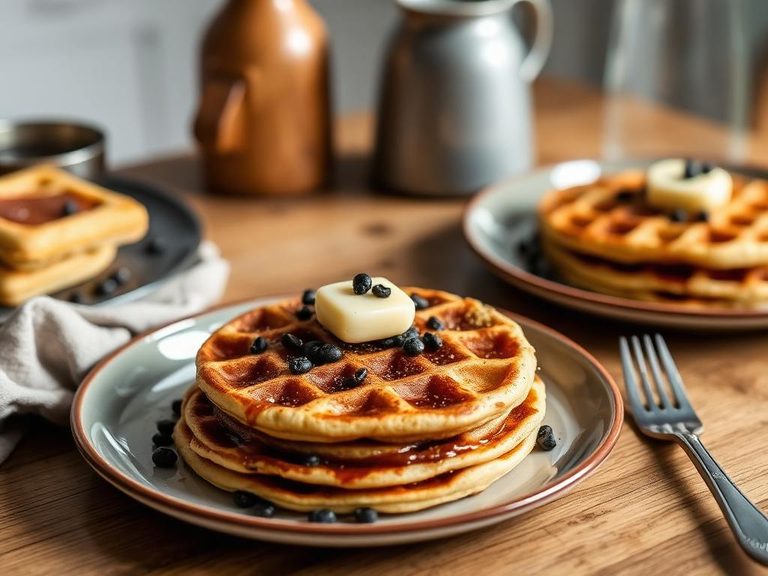
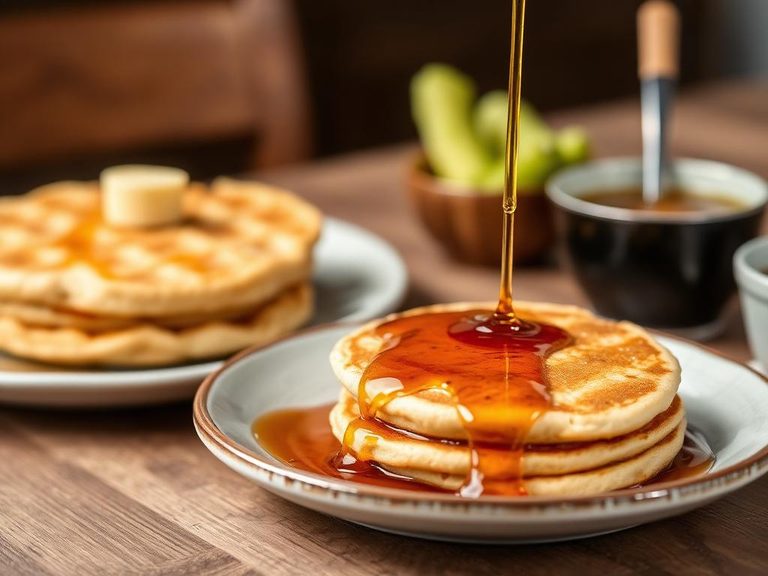
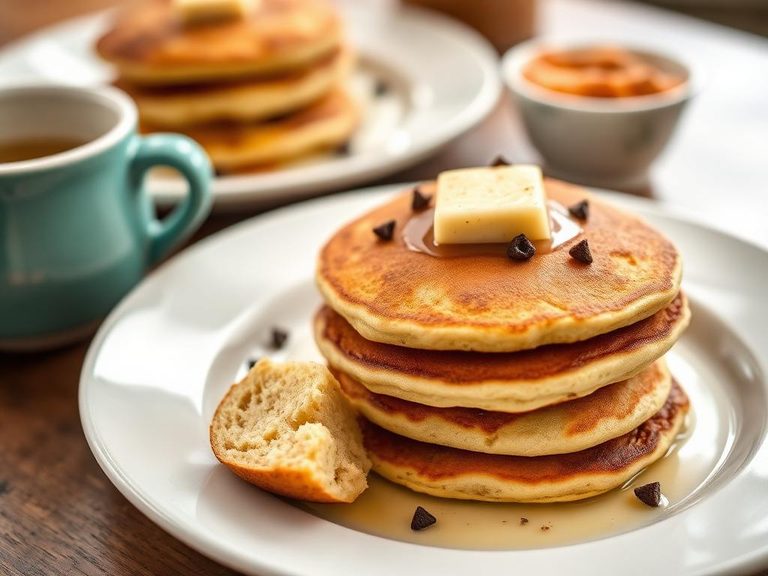
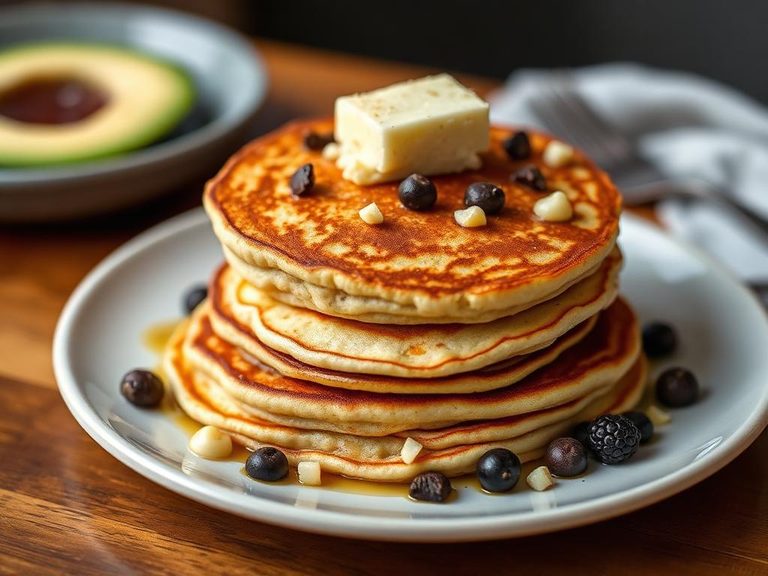
Gluten-free pancakes and waffles are breakfast staples made without wheat flour, using alternatives like almond, oat, or rice flour to cater to those with celiac disease or gluten sensitivity. They maintain the classic fluffy texture and golden appearance of traditional versions, often enjoyed with maple syrup, fruit, or butter. Originating from North America, they have become globally popular due to the rise in gluten-free dietary needs.
🍽️ Nutrition at a glance
These dishes are typically moderate in carbohydrates from their flour base and natural sugars, with protein content varying by recipe and toppings. A standard serving provides key nutrients like iron, calcium (if fortified), and B vitamins, ranging from 200 to 400 calories depending on size and preparation.
Nutrition breakdown
| Calories | 320 kcal |
| Protein | 8 g |
| Carbs | 45 g |
| Fat | 12 g |
| Fiber | 4 g |
| Sugar | 10 g |
| Sodium | 450 mg |
| Iron | 3.5 mg |
| Calcium | 120 mg |
| Potassium | 250 mg |
| Vitamin B1 (Thiamine) | 0.3 mg |
| Vitamin B2 (Riboflavin) | 0.2 mg |
| Magnesium | 40 mg |
| Phosphorus | 150 mg |
| Zinc | 1.2 mg |
Per 2 medium pancakes (approximately 180 g) · estimated, varies by recipe
💡 What's interesting
Culturally, they represent the adaptation of comfort food to dietary restrictions, making inclusive breakfasts common in households and restaurants. Nutritionally, using whole-grain gluten-free flours can boost fiber and mineral content compared to refined wheat versions.