Gluten-Free Pancakes
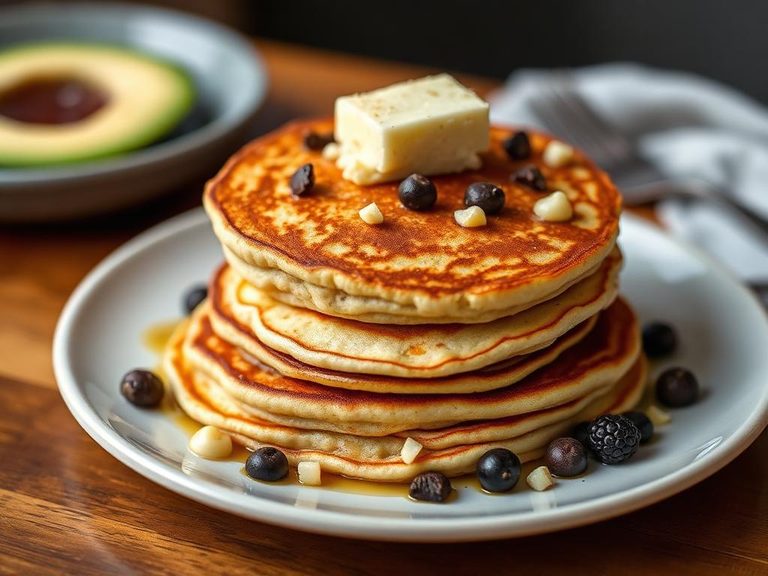
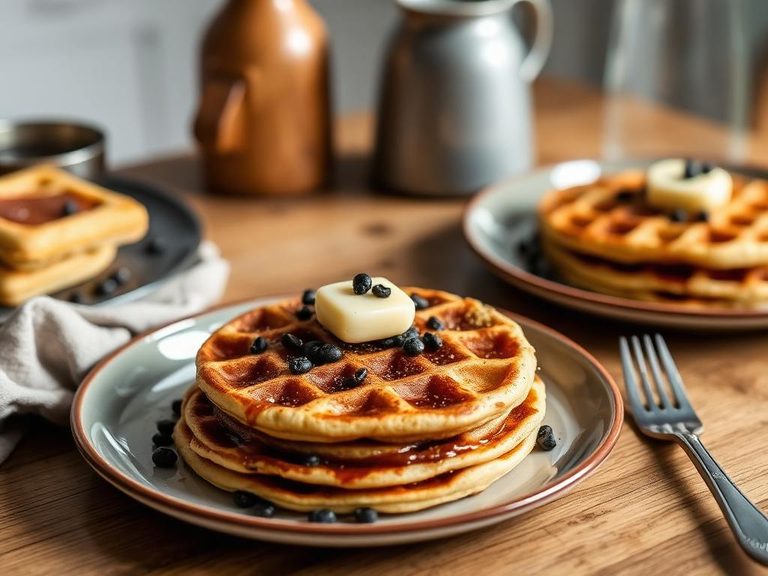
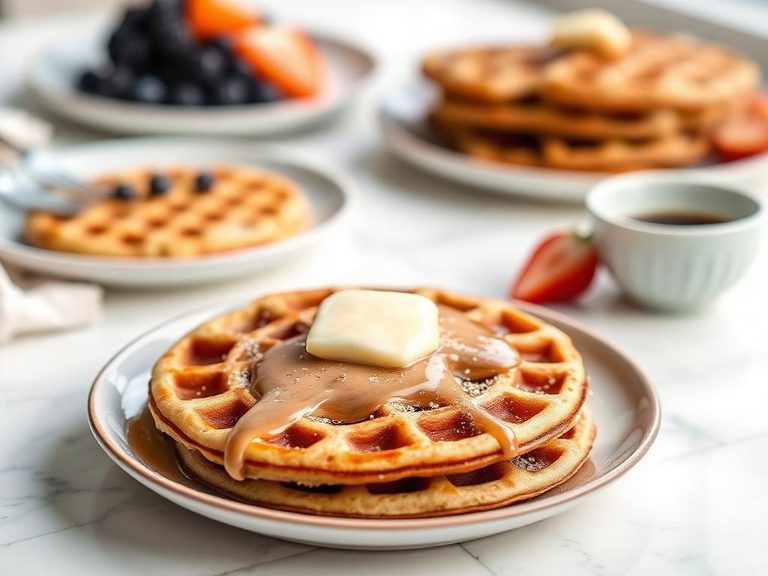
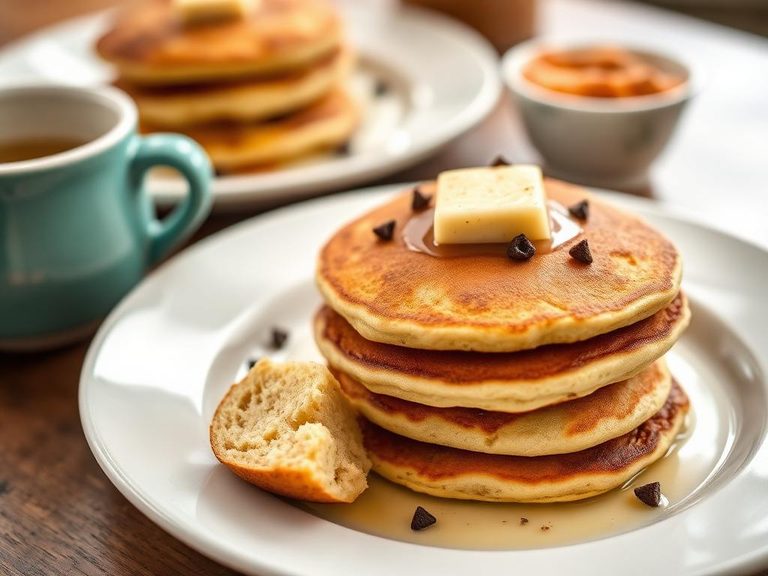
Gluten-free pancakes are a modern adaptation of the classic breakfast dish, designed for those with gluten sensitivities or preferences. They typically use alternative flours like almond, coconut, oat, or rice flour instead of wheat, often combined with eggs, milk, and a leavening agent. While the concept is global, their popularity has surged in Western countries due to increased awareness of celiac disease and gluten intolerance.
🍽️ Nutrition at a glance
These pancakes can vary widely in nutrition depending on the flour used; almond flour versions are higher in protein and healthy fats, while rice flour-based ones are more carbohydrate-heavy. They generally provide a good source of energy, with a typical serving of two medium pancakes ranging from 200 to 350 calories, and often offer added fiber and minerals from whole-food ingredients.
Nutrition breakdown
| Calories | 280 kcal |
| Protein | 6 g |
| Carbs | 42 g |
| Fat | 10 g |
| Fiber | 2 g |
| Sugar | 8 g |
| Sodium | 480 mg |
| Iron | 3 mg |
| Calcium | 120 mg |
| Potassium | 150 mg |
| Phosphorus | 100 mg |
| Thiamin (B1) | 0.3 mg |
| Riboflavin (B2) | 0.2 mg |
| Niacin (B3) | 2 mg |
| Folate | 60 mcg |
Per 3 pancakes (approx. 150 g) · estimated, varies by recipe
💡 What's interesting
Culturally, they represent a significant shift in dietary inclusivity, allowing traditional comfort foods to be enjoyed by a wider audience. Nutritionally, they can be more nutrient-dense than their wheat-based counterparts, especially when made with nut flours that add vitamins and antioxidants.