Tofu, firm, prepared with calcium sulfate and magnesium chloride (nigari)
Whole food · Legumes and Legume Products

Photo: Wikipedia
This is a dense, high-protein tofu made with traditional coagulants calcium sulfate and nigari (magnesium chloride), giving it a firm, slightly chewy texture that holds its shape beautifully in cooking. Its flavor is clean and mildly bean-forward, with a subtle mineral note from the coagulants that makes it a fantastic canvas for bold sauces and marinades. With over 9 grams of protein per 100g and a complete amino acid profile, it's a nutritional powerhouse for plant-based diets.
💚 Why it's loved
People love it for its incredible versatility—it can be crispy when pan-fried, creamy when blended, or smoky when grilled, adapting to any cuisine from Japanese to Mexican. It's also a beloved staple in Buddhist temple cuisine and a symbol of simple, nourishing food across East Asia.
⚠️ Watch-outs & how to enjoy it better
Some find its texture too dense or its flavor slightly bland on its own, and it can be a common allergen for those with soy sensitivities. To counteract blandness, always press it to remove water and marinate for at least 30 minutes; for soy allergies, consider chickpea or black bean tofu alternatives instead.
Key benefits
- Complete plant protein with all 9 essential amino acids
- Rich in calcium from the calcium sulfate coagulant
- Low in calories but high in satiating protein
- Contains iron, magnesium, and manganese
- Versatile base for both savory and sweet dishes
🍽️ Popular dishes
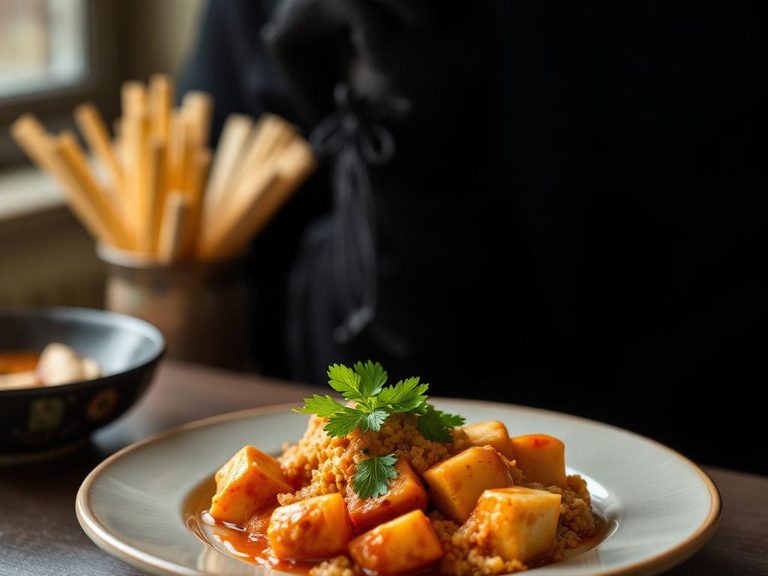
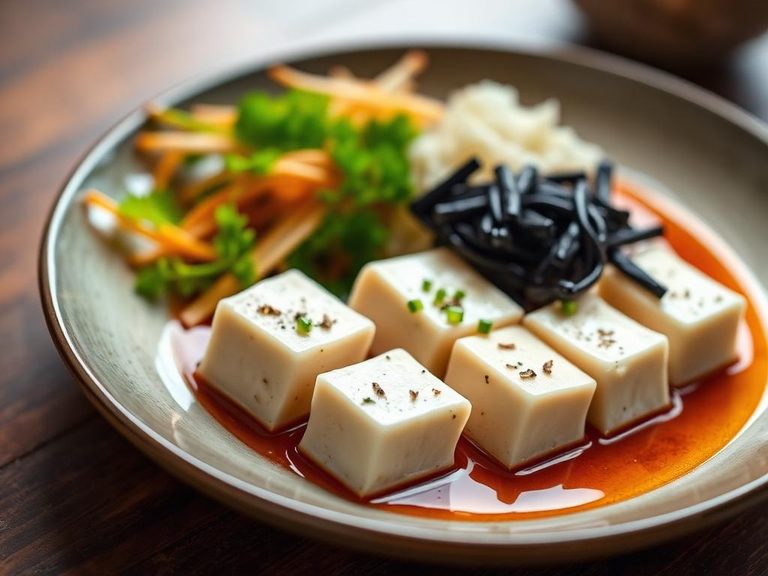
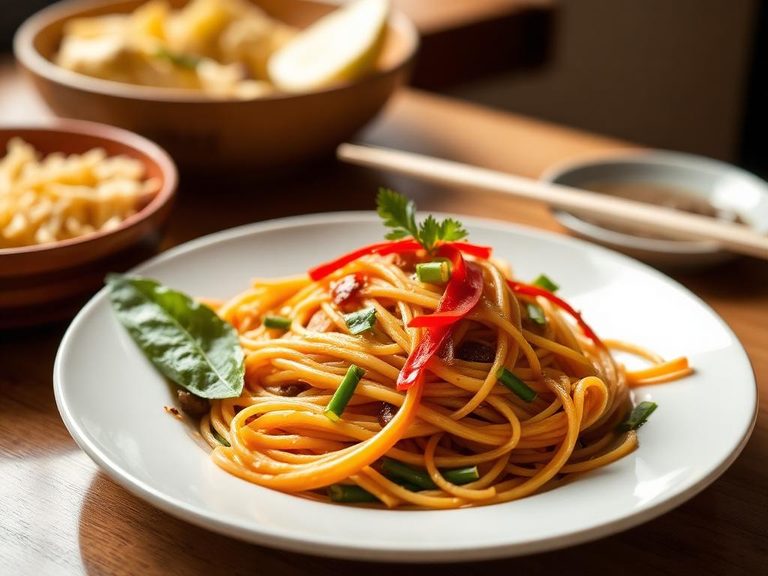
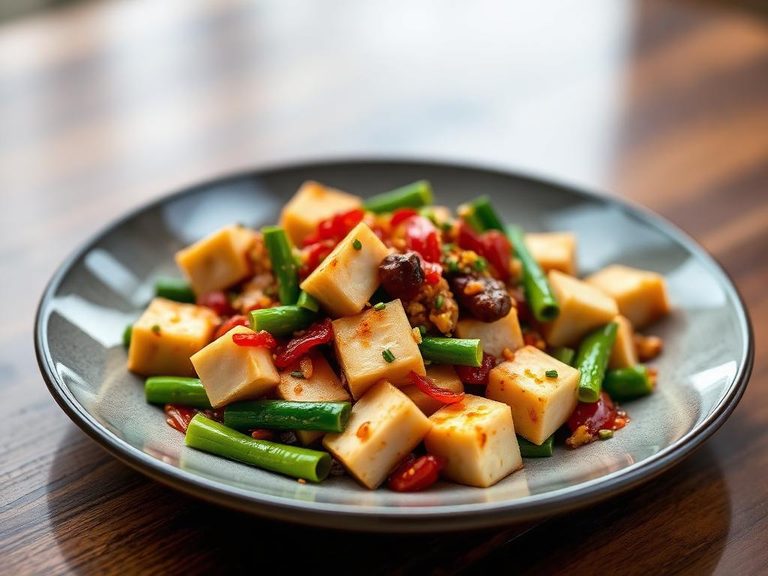
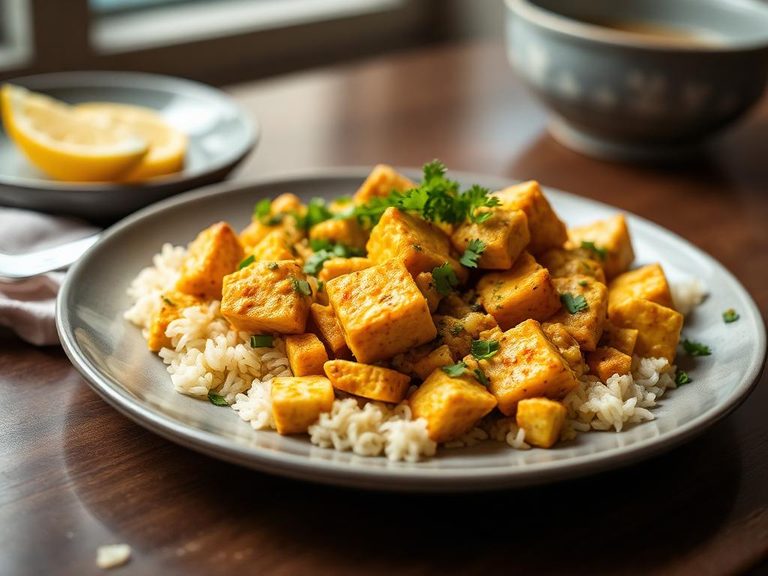
🌍 Where it's eaten
💡 Did you know?
The word 'nigari' comes from the Japanese 'nigari' (苦汁), meaning 'bitter juice,' referring to the bitter-tasting magnesium chloride left over after salt production from seawater.
Full nutrition (scales with serving)
| Water | 82.9 g |
| Energy | 78.0 kcal |
| Energy | 326 kj |
| Protein | 9.0 g |
| Total lipid (fat) | 4.2 g |
| Ash | 1.0 g |
| Carbohydrate, by difference | 2.9 g |
| Fiber, total dietary | 0.90 g |
| Total Sugars | 0.60 g |
| Calcium, Ca | 201 mg |
| Iron, Fe | 1.6 mg |
| Magnesium, Mg | 37.0 mg |
| Phosphorus, P | 121 mg |
| Potassium, K | 148 mg |
| Sodium, Na | 12.0 mg |
| Zinc, Zn | 0.83 mg |
| Copper, Cu | 0.21 mg |
| Manganese, Mn | 0.63 mg |
| Selenium, Se | 9.9 ug |
| Vitamin C, total ascorbic acid | 0.20 mg |
| Thiamin | 0.06 mg |
| Riboflavin | 0.06 mg |
| Niacin | 0.10 mg |
| Pantothenic acid | 0.11 mg |
| Vitamin B-6 | 0.07 mg |
| Folate, total | 19.0 ug |
| Folic acid | 0.00 ug |
| Folate, food | 19.0 ug |
| Folate, DFE | 19.0 ug |
| Choline, total | 28.1 mg |
| Betaine | 0.40 mg |
| Vitamin B-12 | 0.00 ug |
| Vitamin A, RAE | 0.00 ug |
| Retinol | 0.00 ug |
| Carotene, beta | 0.00 ug |
| Carotene, alpha | 0.00 ug |
| Cryptoxanthin, beta | 0.00 ug |
| Vitamin A, IU | 0.00 iu |
| Lycopene | 0.00 ug |
| Lutein + zeaxanthin | 0.00 ug |
| Vitamin E (alpha-tocopherol) | 0.01 mg |
| Vitamin D (D2 + D3), International Units | 0.00 iu |
| Vitamin D (D2 + D3) | 0.00 ug |
| Vitamin K (phylloquinone) | 2.4 ug |
| Alcohol, ethyl | 0.00 g |
| Caffeine | 0.00 mg |
| Theobromine | 0.00 mg |
Fat & fatty acid profile (per 100g)
| Fatty acids, total saturated | 0.79 g |
| SFA 8:0 | 0.00 g |
| SFA 10:0 | 0.00 g |
| SFA 12:0 | 0.00 g |
| SFA 13:0 | 0.00 g |
| SFA 14:0 | 0.01 g |
| SFA 15:0 | 0.00 g |
| SFA 16:0 | 0.57 g |
| SFA 17:0 | 0.01 g |
| SFA 18:0 | 0.20 g |
| SFA 20:0 | 0.00 g |
| SFA 22:0 | 0.00 g |
| SFA 24:0 | 0.00 g |
| Fatty acids, total monounsaturated | 1.1 g |
| MUFA 14:1 | 0.00 g |
| MUFA 15:1 | 0.07 g |
| MUFA 16:1 | 0.00 g |
| MUFA 17:1 | 0.02 g |
| MUFA 18:1 | 1.0 g |
| MUFA 20:1 | 0.02 g |
| MUFA 22:1 | 0.01 g |
| Fatty acids, total polyunsaturated | 1.6 g |
| PUFA 18:2 | 1.5 g |
| PUFA 18:3 | 0.17 g |
| PUFA 20:2 n-6 c,c | 0.00 g |
| PUFA 20:3 | 0.00 g |
| PUFA 20:4 | 0.00 g |
| Fatty acids, total trans | 0.00 g |
| Cholesterol | 0.00 mg |
Amino acid profile (per 100g)
| Tryptophan | 0.12 g |
| Threonine | 0.41 g |
| Isoleucine | 0.44 g |
| Leucine | 0.73 g |
| Lysine | 0.46 g |
| Methionine | 0.11 g |
| Cystine | 0.03 g |
| Phenylalanine | 0.44 g |
| Tyrosine | 0.37 g |
| Valine | 0.46 g |
| Arginine | 0.72 g |
| Histidine | 0.23 g |
| Alanine | 0.41 g |
| Aspartic acid | 1.1 g |
| Glutamic acid | 1.7 g |
| Glycine | 0.38 g |
| Proline | 0.57 g |
| Serine | 0.53 g |
FAQ
How is this different from silken tofu?
This firm tofu is coagulated more and pressed to remove water, resulting in a dense, sliceable texture. Silken tofu is unpressed and custard-like, made with different coagulants and a different process.
Do I need to press this tofu before cooking?
For most recipes where you want crispiness (like stir-fries or pan-frying), yes—pressing for 15-30 minutes removes excess water for better texture and sauce absorption. For soups or braises, pressing is often unnecessary.
Is the calcium content actually significant?
Yes. Tofu made with calcium sulfate can provide 20-40% of your daily calcium needs per serving, making it one of the best non-dairy sources, especially important for those avoiding dairy.