Milk, canned, condensed, sweetened
Whole food · Dairy and Egg Products

Photo: Wikipedia
Sweetened condensed milk is a thick, creamy, and intensely sweet dairy product made by removing about 60% of the water from regular milk and adding a large amount of sugar. Its texture is viscous and pourable, similar to a thin caramel or honey, and it has a rich, caramelized, milky flavor. Nutritionally, it is a concentrated source of energy, primarily from sugar and fat, with a notable protein content for a sweetener.
💚 Why it's loved
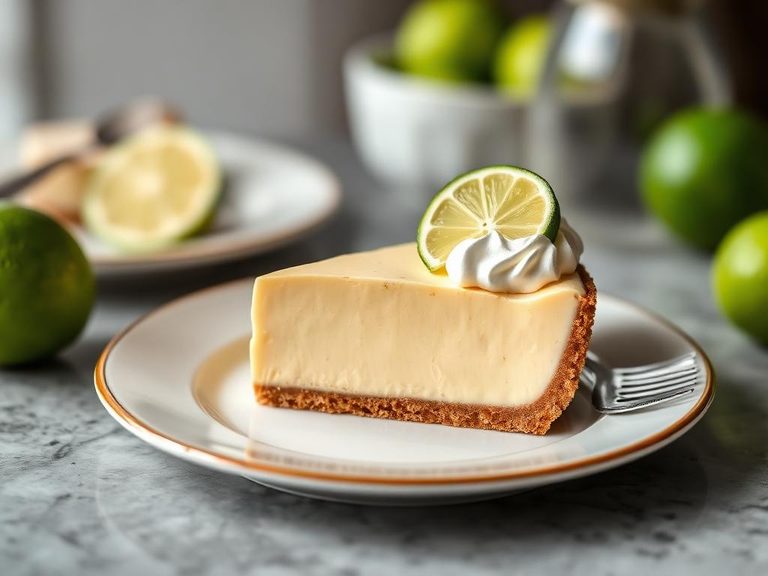
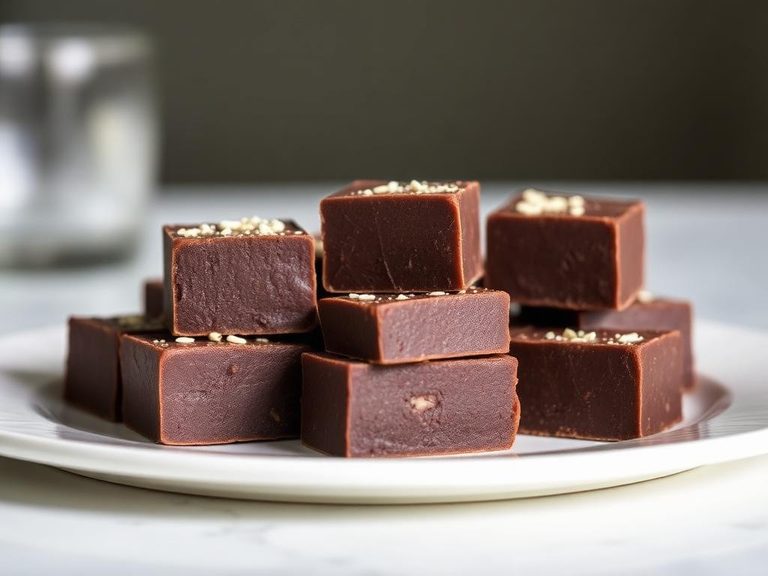
People love it for its unparalleled ability to add luxurious, creamy sweetness to both drinks and desserts with a single ingredient. It's a nostalgic staple in many cultures, forming the backbone of beloved treats from Vietnamese coffee to Brazilian brigadeiros.
⚠️ Watch-outs & how to enjoy it better
Its extremely high sugar content (over 54g per 100g) can cause rapid blood-sugar spikes, making it unsuitable for those managing diabetes or following low-sugar diets. It is also calorie-dense, so overuse can contribute to unwanted weight gain. To enjoy it, practice strict portion control (a tablespoon is often enough) and pair it with fiber or protein (like in a coffee with milk, or as a dip for fruit) to slow sugar absorption.
Key benefits
- Provides a quick, dense source of calories and energy.
- Offers a convenient, shelf-stable dairy product without refrigeration.
- Adds rich creaminess and sweetness without needing separate sugar and cream.
- Contains calcium and some protein from its milk base.
- Acts as a key emulsifier and thickener in many desserts and beverages.
🍽️ Popular dishes



🌍 Where it's eaten
💡 Did you know?
The modern commercial process for sweetened condensed milk was invented and patented in 1856 by Gail Borden, partly motivated by a desire to create a safe, non-perishable milk source after witnessing children fed contaminated milk during a cholera outbreak.
Full nutrition (scales with serving)
| Water | 27.2 g |
| Energy | 321 kcal |
| Energy | 1342 kj |
| Protein | 7.9 g |
| Total lipid (fat) | 8.7 g |
| Ash | 1.8 g |
| Carbohydrate, by difference | 54.4 g |
| Fiber, total dietary | 0.00 g |
| Total Sugars | 54.4 g |
| Calcium, Ca | 284 mg |
| Iron, Fe | 0.19 mg |
| Magnesium, Mg | 26.0 mg |
| Phosphorus, P | 253 mg |
| Potassium, K | 371 mg |
| Sodium, Na | 127 mg |
| Zinc, Zn | 0.94 mg |
| Copper, Cu | 0.01 mg |
| Manganese, Mn | 0.01 mg |
| Selenium, Se | 14.8 ug |
| Vitamin C, total ascorbic acid | 2.6 mg |
| Thiamin | 0.09 mg |
| Riboflavin | 0.42 mg |
| Niacin | 0.21 mg |
| Pantothenic acid | 0.75 mg |
| Vitamin B-6 | 0.05 mg |
| Folate, total | 11.0 ug |
| Folic acid | 0.00 ug |
| Folate, food | 11.0 ug |
| Folate, DFE | 11.0 ug |
| Choline, total | 89.1 mg |
| Vitamin B-12 | 0.44 ug |
| Vitamin B-12, added | 0.00 ug |
| Vitamin A, RAE | 74.0 ug |
| Retinol | 73.0 ug |
| Carotene, beta | 14.0 ug |
| Carotene, alpha | 0.00 ug |
| Cryptoxanthin, beta | 0.00 ug |
| Vitamin A, IU | 267 iu |
| Lycopene | 0.00 ug |
| Lutein + zeaxanthin | 0.00 ug |
| Vitamin E (alpha-tocopherol) | 0.16 mg |
| Vitamin E, added | 0.00 mg |
| Vitamin D (D2 + D3), International Units | 6.0 iu |
| Vitamin D (D2 + D3) | 0.20 ug |
| Vitamin D3 (cholecalciferol) | 0.20 ug |
| Vitamin K (phylloquinone) | 0.60 ug |
| Alcohol, ethyl | 0.00 g |
| Caffeine | 0.00 mg |
| Theobromine | 0.00 mg |
Fat & fatty acid profile (per 100g)
| Fatty acids, total saturated | 5.5 g |
| SFA 4:0 | 0.28 g |
| SFA 6:0 | 0.17 g |
| SFA 8:0 | 0.10 g |
| SFA 10:0 | 0.07 g |
| SFA 12:0 | 0.18 g |
| SFA 14:0 | 0.78 g |
| SFA 16:0 | 2.4 g |
| SFA 18:0 | 1.2 g |
| Fatty acids, total monounsaturated | 2.4 g |
| MUFA 16:1 | 0.14 g |
| MUFA 18:1 | 2.2 g |
| MUFA 20:1 | 0.00 g |
| MUFA 22:1 | 0.00 g |
| Fatty acids, total polyunsaturated | 0.34 g |
| PUFA 18:2 | 0.22 g |
| PUFA 18:3 | 0.12 g |
| PUFA 18:4 | 0.00 g |
| PUFA 20:4 | 0.00 g |
| PUFA 20:5 n-3 (EPA) | 0.00 g |
| PUFA 22:5 n-3 (DPA) | 0.00 g |
| PUFA 22:6 n-3 (DHA) | 0.00 g |
| Cholesterol | 34.0 mg |
Amino acid profile (per 100g)
| Tryptophan | 0.11 g |
| Threonine | 0.36 g |
| Isoleucine | 0.48 g |
| Leucine | 0.78 g |
| Lysine | 0.63 g |
| Methionine | 0.20 g |
| Cystine | 0.07 g |
| Phenylalanine | 0.38 g |
| Tyrosine | 0.38 g |
| Valine | 0.53 g |
| Arginine | 0.29 g |
| Histidine | 0.21 g |
| Alanine | 0.27 g |
| Aspartic acid | 0.60 g |
| Glutamic acid | 1.7 g |
| Glycine | 0.17 g |
| Proline | 0.77 g |
| Serine | 0.43 g |
FAQ
What's the difference between sweetened condensed milk and evaporated milk?
Evaporated milk is also concentrated but has no added sugar, so it's unsweetened and used more like regular milk in cooking. Sweetened condensed milk is pre-sweetened and thick, used primarily as a dessert ingredient or sweetener.
Can I make a substitute at home?
You can simmer regular milk with sugar until it reduces by about half, but it won't achieve the exact same thick, stable texture as commercially produced versions due to differences in homogenization and heat treatment.
Why does it sometimes have a brownish color?
The caramelization of the natural milk sugars (lactose) during the heating and concentration process gives it a characteristic light beige or caramel hue, which deepens with longer cooking.