

Turkey, prepackaged or deli, luncheon meat, reduced sodium
Common food

Photo: Wikipedia
This is lean, pre-sliced turkey breast processed for convenience, offering a mild, savory flavor with a soft, uniform texture. Its standout feature is the high protein-to-calorie ratio, making it a staple for high-protein, low-fat diets. The reduced sodium version cuts salt content significantly compared to standard deli meats.
Calorie split: 58% protein · 9% carbs · 33% fat
↓ Full nutrition💚 Why it's loved
People love it for its mild, adaptable flavor that pairs well with almost anything, from bread to vegetables. It's a quick, reliable protein boost for busy lifestyles, sandwiches, and salads.
⚠️ Watch-outs & how to enjoy it better
The primary concern is the sodium content, which, even reduced, can be significant for those monitoring intake. It's also a processed meat, so some may prefer less processed alternatives. To mitigate, pair with potassium-rich foods like avocado or spinach, and always check the label for specific sodium levels per serving.
Key benefits
- Excellent source of lean protein (14.81g per 100g)
- Very low in fat (3.77g per 100g) and calories (106 kcal)
- Reduced sodium version supports heart health
- Zero fiber and very low sugar, suitable for low-carb diets
- Convenient, ready-to-eat protein source
🍽️ Popular dishes

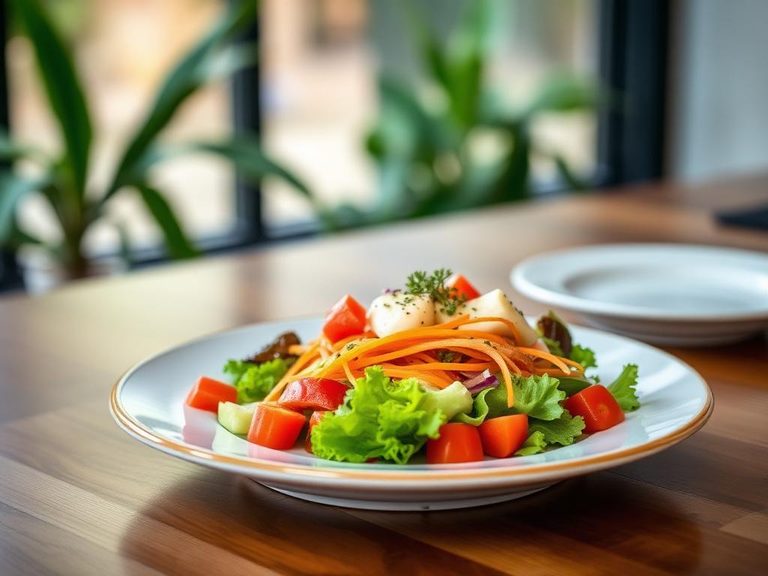
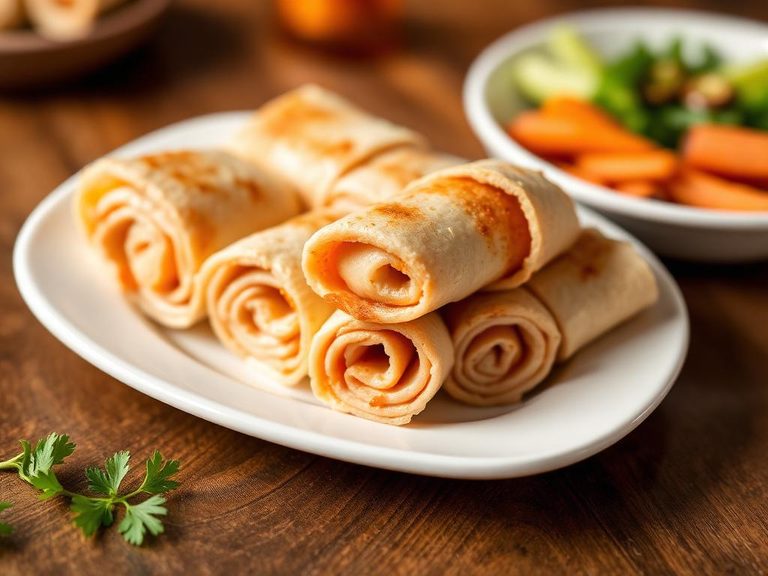
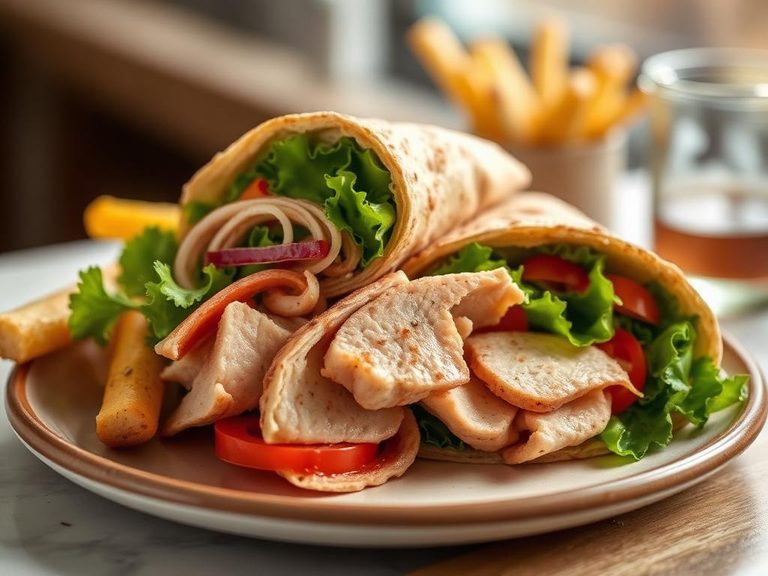
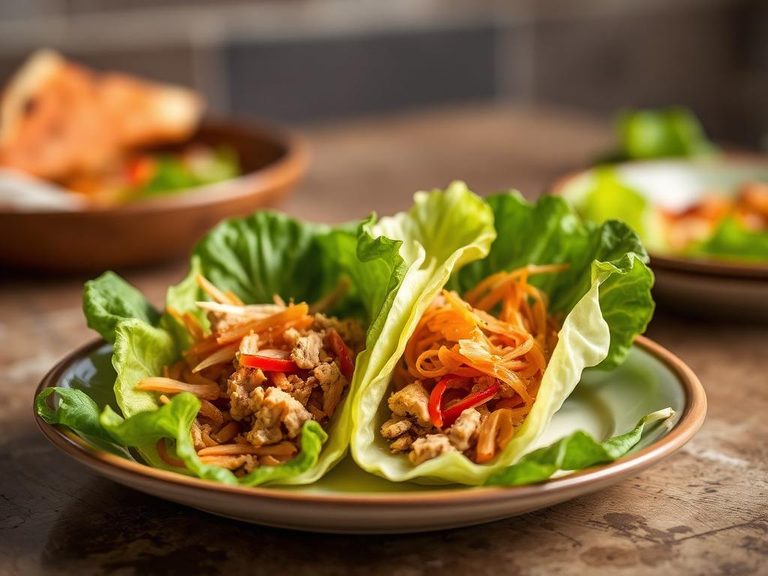
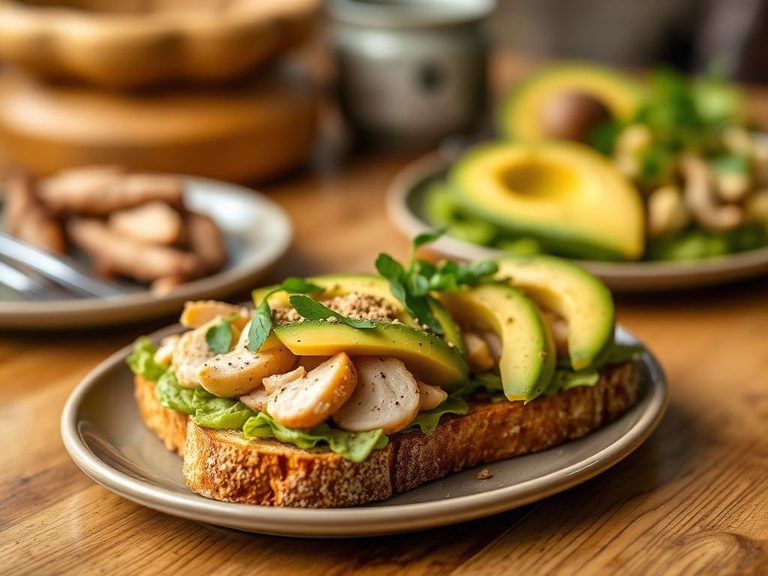
🌍 Where it's eaten
💡 Did you know?
The 'reduced sodium' label typically means at least 25% less sodium than the regular version, but it can still contain 300-500mg per serving, so reading the nutrition panel is key.
Full nutrition (USDA data · scales with serving)
| Water | 76.0 g |
| Energy | 106 kcal |
| Protein | 14.8 g |
| Total lipid (fat) | 3.8 g |
| Carbohydrate, by difference | 2.2 g |
| Fiber, total dietary | 0.00 g |
| Total Sugars | 0.91 g |
| Calcium, Ca | 14.0 mg |
| Iron, Fe | 0.42 mg |
| Magnesium, Mg | 19.0 mg |
| Phosphorus, P | 249 mg |
| Potassium, K | 371 mg |
| Sodium, Na | 610 mg |
| Zinc, Zn | 0.94 mg |
| Copper, Cu | 0.02 mg |
| Selenium, Se | 13.0 ug |
| Vitamin C, total ascorbic acid | 0.00 mg |
| Thiamin | 0.04 mg |
| Riboflavin | 0.14 mg |
| Niacin | 7.2 mg |
| Vitamin B-6 | 0.41 mg |
| Folate, total | 4.0 ug |
| Folic acid | 0.00 ug |
| Folate, food | 4.0 ug |
| Folate, DFE | 4.0 ug |
| Choline, total | 30.1 mg |
| Vitamin B-12 | 0.37 ug |
| Vitamin B-12, added | 0.00 ug |
| Vitamin A, RAE | 0.00 ug |
| Retinol | 0.00 ug |
| Carotene, beta | 0.00 ug |
| Carotene, alpha | 0.00 ug |
| Cryptoxanthin, beta | 0.00 ug |
| Lycopene | 0.00 ug |
| Lutein + zeaxanthin | 0.00 ug |
| Vitamin E (alpha-tocopherol) | 0.13 mg |
| Vitamin E, added | 0.00 mg |
| Vitamin D (D2 + D3) | 0.20 ug |
| Vitamin K (phylloquinone) | 0.00 ug |
| Alcohol, ethyl | 0.00 g |
| Caffeine | 0.00 mg |
| Theobromine | 0.00 mg |
Fat & fatty acid profile (per 100g)
| Fatty acids, total saturated | 0.91 g |
| SFA 4:0 | 0.00 g |
| SFA 6:0 | 0.00 g |
| SFA 8:0 | 0.00 g |
| SFA 10:0 | 0.00 g |
| SFA 12:0 | 0.00 g |
| SFA 14:0 | 0.03 g |
| SFA 16:0 | 0.62 g |
| SFA 18:0 | 0.23 g |
| Fatty acids, total monounsaturated | 1.1 g |
| MUFA 16:1 | 0.11 g |
| MUFA 18:1 | 1.0 g |
| MUFA 20:1 | 0.01 g |
| MUFA 22:1 | 0.00 g |
| Fatty acids, total polyunsaturated | 1.0 g |
| PUFA 18:2 | 0.88 g |
| PUFA 18:3 | 0.05 g |
| PUFA 18:4 | 0.00 g |
| PUFA 20:4 | 0.05 g |
| PUFA 20:5 n-3 (EPA) | 0.00 g |
| PUFA 22:5 n-3 (DPA) | 0.01 g |
| PUFA 22:6 n-3 (DHA) | 0.01 g |
| Cholesterol | 49.0 mg |
Amino acid profile (per 100g)
Estimated from Turkey, mechanically deboned, from turkey frames, raw — USDA does not publish this profile for Turkey.
| Tryptophan | 0.11 g |
| Threonine | 0.64 g |
| Isoleucine | 0.50 g |
| Leucine | 1.1 g |
| Lysine | 1.2 g |
| Methionine | 0.37 g |
| Cystine | 0.10 g |
| Phenylalanine | 0.55 g |
| Tyrosine | 0.47 g |
| Valine | 0.54 g |
| Arginine | 0.87 g |
| Histidine | 0.50 g |
| Alanine | 0.87 g |
| Aspartic acid | 1.4 g |
| Glutamic acid | 2.2 g |
| Glycine | 0.78 g |
| Proline | 0.65 g |
| Serine | 0.62 g |
FAQ
Is prepackaged turkey luncheon meat healthy?
It can be a healthy part of a diet due to its high protein and low fat content. However, as a processed meat, it's best consumed in moderation. The 'reduced sodium' version is a better choice than regular deli turkey for heart health.
How does reduced sodium turkey compare to regular deli turkey?
Reduced sodium turkey has at least 25% less sodium than its regular counterpart. This makes it a better option for managing blood pressure and fluid retention, but you should still check the label for exact amounts.
Can I use this turkey in cooked dishes?
Yes, it's fully cooked and can be added to casseroles, omelets, or pasta dishes at the end of cooking to warm through. Avoid prolonged high-heat cooking like frying, as it can dry out and become rubbery.
Nutrient density (calculated · NRF9.3)
Nutrient Rich Foods index: beneficial nutrients (protein, fiber, vitamins, minerals) minus saturated fat, added sugar & sodium, per 100 kcal.
NRF9.3 index — Fulgoni, Keast & Drewnowski, 2009. Computed from USDA nutrients.
Weight-loss friendliness (composite index)
Energy density 1.06 kcal/g · 56% calories from protein · 0.0 g fiber · 0.9 g sugar per 100 g.
Composite of energy density (Rolls et al., 1999), protein & fiber satiety, minus sugar. A calculated heuristic — ranks satiety-per-calorie, not a clinical measure.
Dietary load (calculated from USDA values)
Potential renal acid load. Positive = acid-forming, negative = alkaline-forming.
Sodium-to-potassium ratio: 1.64 (lower is better — aim for ≤ 1)
Sodium:potassium per WHO potassium guidance. Computed from USDA nutrients.