

Chicken, prepackaged or deli, luncheon meat, reduced sodium
Common food

Photo: Wikipedia
This is lean, pre-cooked chicken breast, sliced or formed into a loaf, and packaged for quick use. It has a mild, savory flavor with a soft, slightly firm texture that's less juicy than freshly cooked chicken. Nutritionally, it's a powerhouse of lean protein with very little fat or carbs.
Calorie split: 71% protein · 12% carbs · 17% fat
↓ Full nutrition💚 Why it's loved
People love it for its ultimate convenience and mild flavor, making it a blank canvas for sandwiches, salads, and quick meals. It's a staple in many cultures for easy, high-protein lunches and snacks.
⚠️ Watch-outs & how to enjoy it better
The primary concern is the sodium content, which can be significant even in 'reduced sodium' versions, potentially affecting blood pressure. It may also contain additives or preservatives like phosphates. To counteract, pair it with potassium-rich foods like leafy greens or avocado, and drink plenty of water. Always check the label for specific additives if sensitive.
Key benefits
- Excellent source of high-quality, complete protein
- Very low in fat and carbohydrates
- Convenient, no-cook protein source
- Lower sodium than many deli meats
- Supports muscle maintenance and satiety
🍽️ Popular dishes
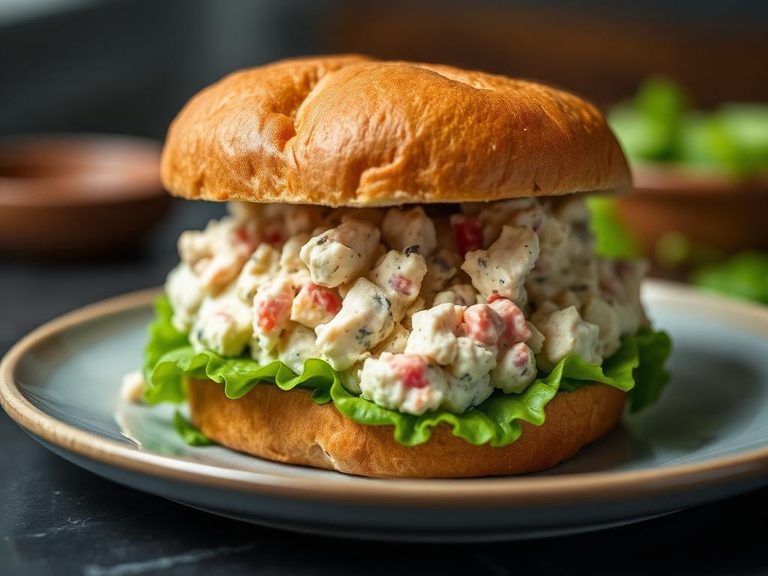
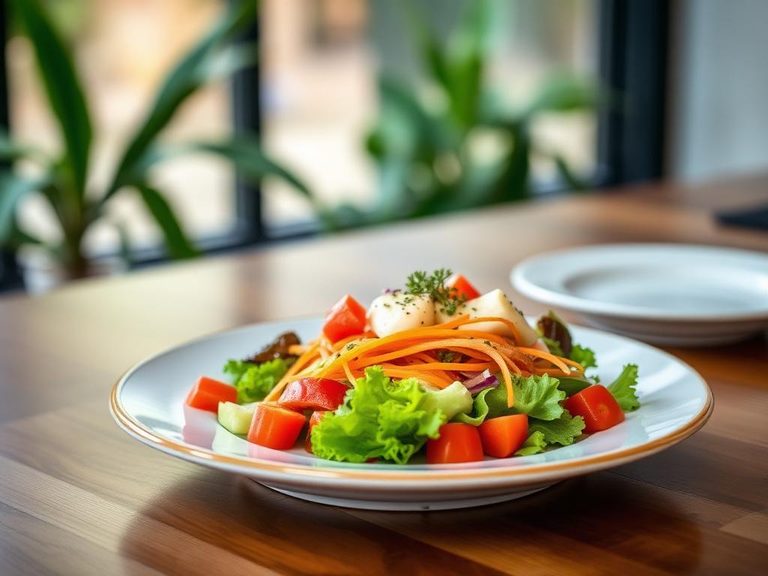
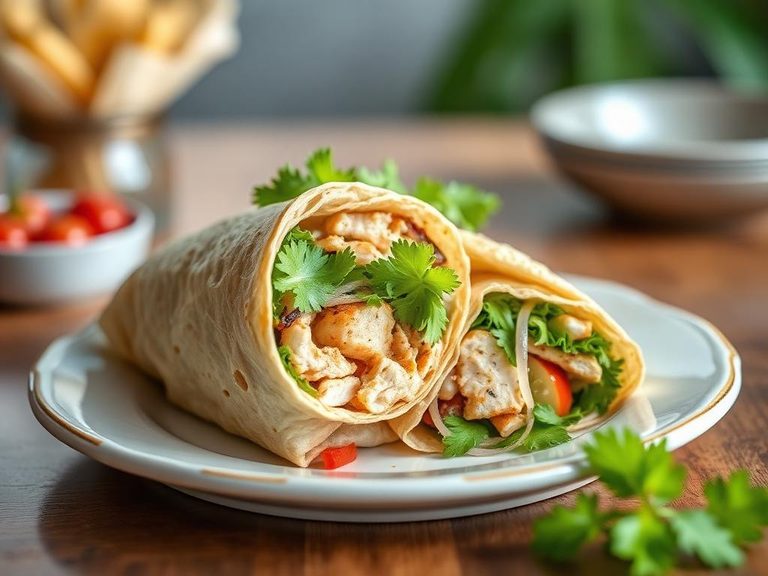
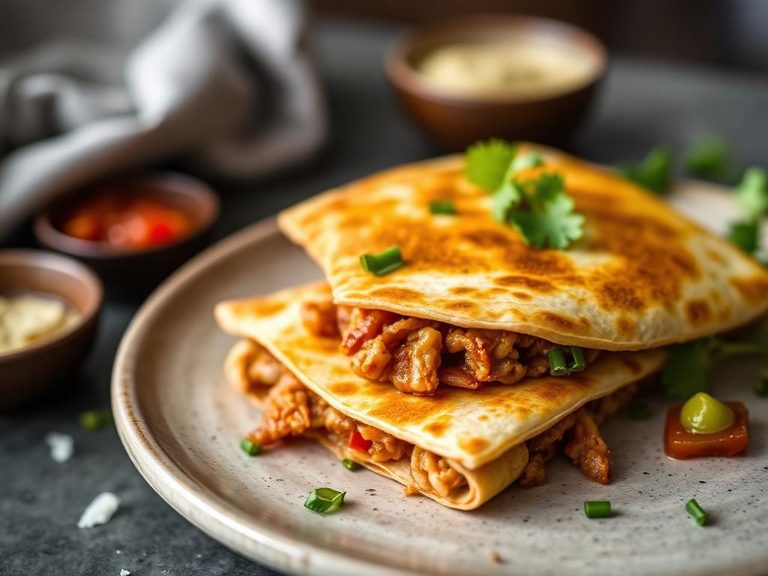
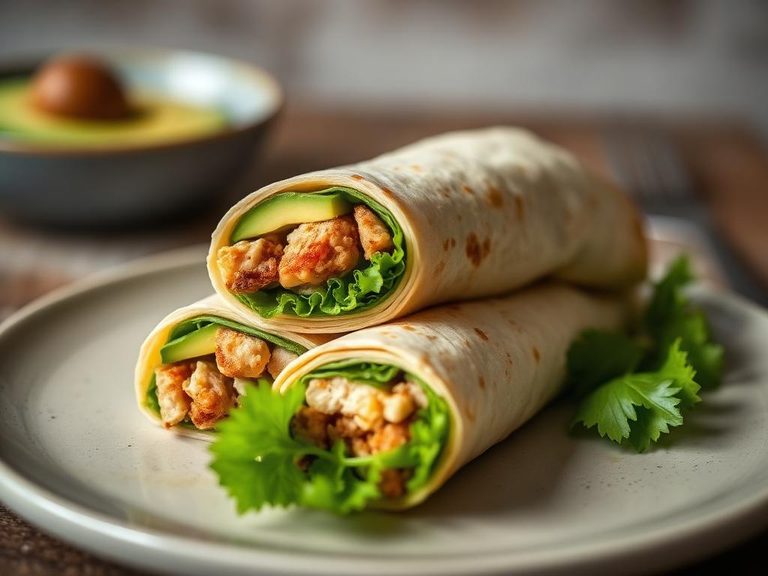
🌍 Where it's eaten
💡 Did you know?
The process for making deli-style luncheon meat often involves emulsifying the meat with water and seasonings before cooking, which creates its uniform, sliceable texture distinct from a whole chicken breast.
Full nutrition (USDA data · scales with serving)
| Water | 74.5 g |
| Energy | 98.0 kcal |
| Protein | 17.4 g |
| Total lipid (fat) | 1.9 g |
| Carbohydrate, by difference | 2.9 g |
| Fiber, total dietary | 0.00 g |
| Total Sugars | 0.75 g |
| Calcium, Ca | 11.0 mg |
| Iron, Fe | 0.39 mg |
| Magnesium, Mg | 26.0 mg |
| Phosphorus, P | 257 mg |
| Potassium, K | 360 mg |
| Sodium, Na | 774 mg |
| Zinc, Zn | 0.51 mg |
| Copper, Cu | 0.02 mg |
| Selenium, Se | 13.2 ug |
| Vitamin C, total ascorbic acid | 0.00 mg |
| Thiamin | 0.05 mg |
| Riboflavin | 0.07 mg |
| Niacin | 9.1 mg |
| Vitamin B-6 | 0.45 mg |
| Folate, total | 7.0 ug |
| Folic acid | 0.00 ug |
| Folate, food | 7.0 ug |
| Folate, DFE | 7.0 ug |
| Choline, total | 44.2 mg |
| Vitamin B-12 | 0.14 ug |
| Vitamin B-12, added | 0.00 ug |
| Vitamin A, RAE | 2.0 ug |
| Retinol | 2.0 ug |
| Carotene, beta | 0.00 ug |
| Carotene, alpha | 0.00 ug |
| Cryptoxanthin, beta | 0.00 ug |
| Lycopene | 0.00 ug |
| Lutein + zeaxanthin | 0.00 ug |
| Vitamin E (alpha-tocopherol) | 0.32 mg |
| Vitamin E, added | 0.00 mg |
| Vitamin D (D2 + D3) | 0.10 ug |
| Vitamin K (phylloquinone) | 0.00 ug |
| Alcohol, ethyl | 0.00 g |
| Caffeine | 0.00 mg |
| Theobromine | 0.00 mg |
Fat & fatty acid profile (per 100g)
| Fatty acids, total saturated | 0.56 g |
| SFA 4:0 | 0.00 g |
| SFA 6:0 | 0.00 g |
| SFA 8:0 | 0.00 g |
| SFA 10:0 | 0.02 g |
| SFA 12:0 | 0.00 g |
| SFA 14:0 | 0.01 g |
| SFA 16:0 | 0.40 g |
| SFA 18:0 | 0.12 g |
| Fatty acids, total monounsaturated | 0.74 g |
| MUFA 16:1 | 0.09 g |
| MUFA 18:1 | 0.63 g |
| MUFA 20:1 | 0.02 g |
| MUFA 22:1 | 0.00 g |
| Fatty acids, total polyunsaturated | 0.45 g |
| PUFA 18:2 | 0.35 g |
| PUFA 18:3 | 0.02 g |
| PUFA 18:4 | 0.00 g |
| PUFA 20:4 | 0.05 g |
| PUFA 20:5 n-3 (EPA) | 0.00 g |
| PUFA 22:5 n-3 (DPA) | 0.00 g |
| PUFA 22:6 n-3 (DHA) | 0.00 g |
| Cholesterol | 51.0 mg |
Amino acid profile (per 100g)
Estimated from Restaurant, Latino, chicken and rice, entree, prepared — USDA does not publish this profile for Chicken.
| Tryptophan | 0.16 g |
| Threonine | 0.50 g |
| Isoleucine | 0.55 g |
| Leucine | 0.93 g |
| Lysine | 0.93 g |
| Methionine | 0.31 g |
| Cystine | 0.15 g |
| Phenylalanine | 0.51 g |
| Tyrosine | 0.35 g |
| Valine | 0.62 g |
| Arginine | 0.80 g |
| Histidine | 0.40 g |
| Alanine | 0.68 g |
| Aspartic acid | 1.1 g |
| Glutamic acid | 1.9 g |
| Glycine | 0.58 g |
| Proline | 0.51 g |
| Serine | 0.47 g |
FAQ
How is this different from regular deli chicken breast?
This is specifically a 'reduced sodium' version, meaning it has less added salt than standard deli chicken. The texture may be slightly more processed or formed compared to a whole muscle slice.
Is it safe to eat straight from the package?
Yes, as a pre-cooked, refrigerated product, it is safe to eat cold. However, for food safety, it should be kept refrigerated and consumed by the 'use by' date.
Can I cook with it?
Absolutely. It's great for quick stir-fries, melted into quesadillas, or diced into omelets. Be aware it's already cooked, so you're just heating it through.
Nutrient density (calculated · NRF9.3)
Nutrient Rich Foods index: beneficial nutrients (protein, fiber, vitamins, minerals) minus saturated fat, added sugar & sodium, per 100 kcal.
NRF9.3 index — Fulgoni, Keast & Drewnowski, 2009. Computed from USDA nutrients.
Weight-loss friendliness (composite index)
Energy density 0.98 kcal/g · 71% calories from protein · 0.0 g fiber · 0.8 g sugar per 100 g.
Composite of energy density (Rolls et al., 1999), protein & fiber satiety, minus sugar. A calculated heuristic — ranks satiety-per-calorie, not a clinical measure.
Dietary load (calculated from USDA values)
Potential renal acid load. Positive = acid-forming, negative = alkaline-forming.
Sodium-to-potassium ratio: 2.15 (lower is better — aim for ≤ 1)
Sodium:potassium per WHO potassium guidance. Computed from USDA nutrients.