

Tea, iced, brewed, green, unsweetened
Common food

Photo: Wikipedia
Unsweetened iced green tea is a crisp, refreshing beverage with a clean, slightly grassy flavor and a subtle, lingering sweetness that comes from the tea leaves themselves. It's a near-zero calorie drink, offering a light, hydrating experience with minimal nutritional impact, making it a popular choice for those seeking a healthy alternative to sugary drinks. The texture is smooth and watery, with a gentle astringency that cleanses the palate.
Calorie split: 100% protein · 0% carbs · 0% fat
↓ Full nutrition💚 Why it's loved
People love it for its clean, refreshing taste that provides a gentle caffeine boost without the jitters, and its incredible versatility as a base for mocktails, smoothies, or simply enjoyed chilled on a hot day. It's deeply embedded in cultures from Japan to the American South, often served as a symbol of hospitality and relaxation.
⚠️ Watch-outs & how to enjoy it better
Some find the natural bitterness or astringency of green tea off-putting, especially if brewed too long or with water that's too hot. Those sensitive to caffeine may experience jitters or sleep disruption, and the tannins can inhibit iron absorption, so it's best to avoid drinking it with iron-rich meals. To counteract bitterness, brew with cooler water (around 175°F/80°C) and steep for a shorter time; to mitigate caffeine effects, opt for a smaller serving or a decaffeinated version.
Key benefits
- Rich in antioxidants, particularly catechins like EGCG, which help combat oxidative stress.
- May support metabolism and fat oxidation due to its caffeine and catechin content.
- Hydrating and virtually calorie-free, aiding in weight management.
- Contains L-theanine, an amino acid that promotes calm alertness and reduces stress.
- May support cardiovascular health by improving cholesterol and blood pressure levels.
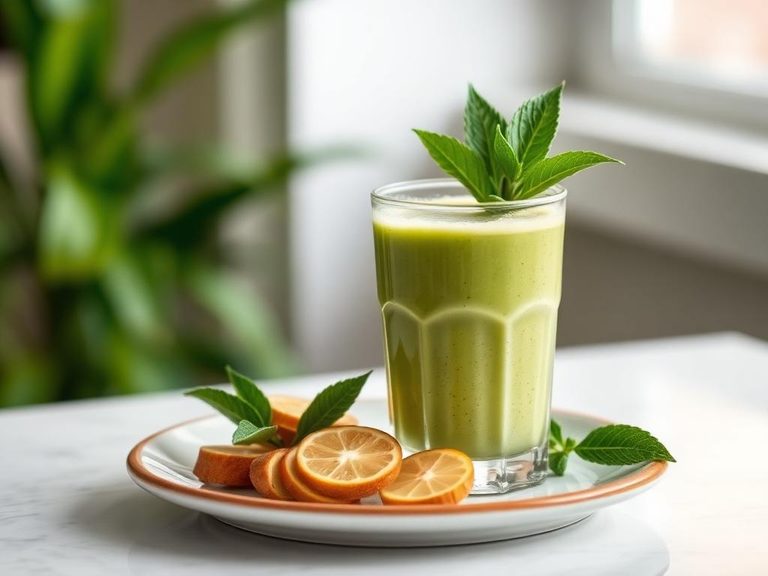
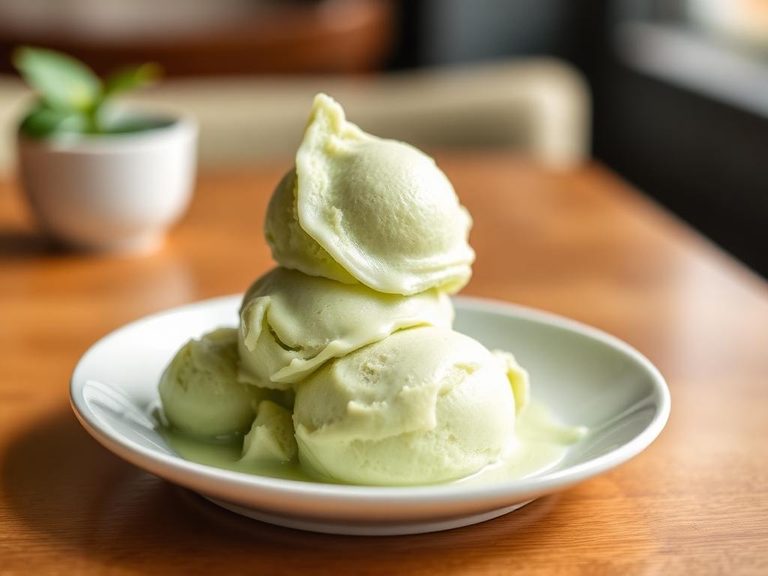
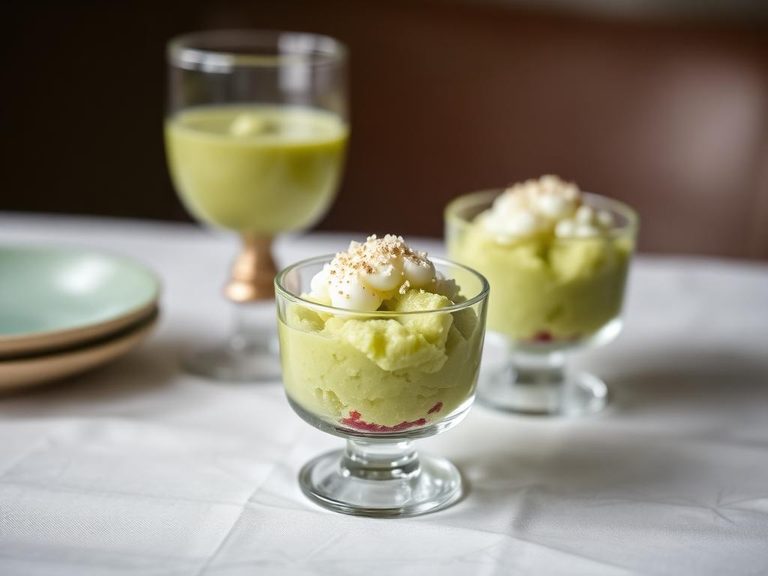
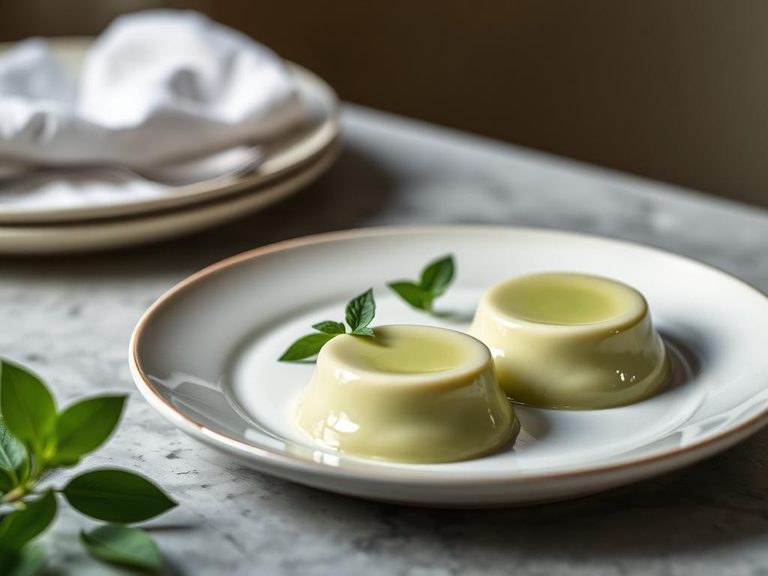
🍽️ Popular dishes


🌍 Where it's eaten
💡 Did you know?
The practice of drinking iced tea in the United States is often credited to the 1904 St. Louis World's Fair, where a tea plantation owner named Richard Blechynden, facing a heatwave, served his tea cold to attract visitors, inadvertently creating a new beverage trend.
Full nutrition (USDA data · scales with serving)
| Water | 99.9 g |
| Energy | 1.0 kcal |
| Protein | 0.22 g |
| Total lipid (fat) | 0.00 g |
| Carbohydrate, by difference | 0.00 g |
| Fiber, total dietary | 0.00 g |
| Total Sugars | 0.00 g |
| Calcium, Ca | 0.00 mg |
| Iron, Fe | 0.02 mg |
| Magnesium, Mg | 1.0 mg |
| Phosphorus, P | 0.00 mg |
| Potassium, K | 8.0 mg |
| Sodium, Na | 1.0 mg |
| Zinc, Zn | 0.01 mg |
| Copper, Cu | 0.00 mg |
| Selenium, Se | 0.00 ug |
| Vitamin C, total ascorbic acid | 0.00 mg |
| Thiamin | 0.01 mg |
| Riboflavin | 0.06 mg |
| Niacin | 0.03 mg |
| Vitamin B-6 | 0.01 mg |
| Folate, total | 0.00 ug |
| Folic acid | 0.00 ug |
| Folate, food | 0.00 ug |
| Folate, DFE | 0.00 ug |
| Choline, total | 0.00 mg |
| Vitamin B-12 | 0.00 ug |
| Vitamin B-12, added | 0.00 ug |
| Vitamin A, RAE | 0.00 ug |
| Retinol | 0.00 ug |
| Carotene, beta | 0.00 ug |
| Carotene, alpha | 0.00 ug |
| Cryptoxanthin, beta | 0.00 ug |
| Lycopene | 0.00 ug |
| Lutein + zeaxanthin | 0.00 ug |
| Vitamin E (alpha-tocopherol) | 0.00 mg |
| Vitamin E, added | 0.00 mg |
| Vitamin D (D2 + D3) | 0.00 ug |
| Vitamin K (phylloquinone) | 0.00 ug |
| Alcohol, ethyl | 0.00 g |
| Caffeine | 12.0 mg |
| Theobromine | 0.00 mg |
Fat & fatty acid profile (per 100g)
| Fatty acids, total saturated | 0.00 g |
| SFA 4:0 | 0.00 g |
| SFA 6:0 | 0.00 g |
| SFA 8:0 | 0.00 g |
| SFA 10:0 | 0.00 g |
| SFA 12:0 | 0.00 g |
| SFA 14:0 | 0.00 g |
| SFA 16:0 | 0.00 g |
| SFA 18:0 | 0.00 g |
| Fatty acids, total monounsaturated | 0.00 g |
| MUFA 16:1 | 0.00 g |
| MUFA 18:1 | 0.00 g |
| MUFA 20:1 | 0.00 g |
| MUFA 22:1 | 0.00 g |
| Fatty acids, total polyunsaturated | 0.00 g |
| PUFA 18:2 | 0.00 g |
| PUFA 18:3 | 0.00 g |
| PUFA 18:4 | 0.00 g |
| PUFA 20:4 | 0.00 g |
| PUFA 20:5 n-3 (EPA) | 0.00 g |
| PUFA 22:5 n-3 (DPA) | 0.00 g |
| PUFA 22:6 n-3 (DHA) | 0.00 g |
| Cholesterol | 0.00 mg |
Amino acid profile (per 100g)
Estimated from Cookies, animal crackers (includes arrowroot, tea biscuits) — USDA does not publish this profile for Tea.
| Tryptophan | 0.10 g |
| Threonine | 0.19 g |
| Isoleucine | 0.26 g |
| Leucine | 0.47 g |
| Lysine | 0.24 g |
| Methionine | 0.12 g |
| Cystine | 0.15 g |
| Phenylalanine | 0.32 g |
| Tyrosine | 0.20 g |
| Valine | 0.30 g |
| Arginine | 0.26 g |
| Histidine | 0.14 g |
| Alanine | 0.21 g |
| Aspartic acid | 0.29 g |
| Glutamic acid | 2.3 g |
| Glycine | 0.23 g |
| Proline | 0.76 g |
| Serine | 0.36 g |
FAQ
Does unsweetened iced green tea contain caffeine?
Yes, it does. A typical 8-ounce (240ml) serving contains about 25-50 mg of caffeine, which is less than coffee but enough to provide a mild energy boost.
Is it okay to drink iced green tea every day?
For most people, yes. It's a healthy, hydrating beverage with numerous benefits. However, excessive consumption (more than 3-4 cups) may lead to caffeine-related side effects or reduced iron absorption.
How do I make it less bitter?
Brew with water that's not boiling (around 175°F/80°C), steep for only 1-2 minutes, and use high-quality loose-leaf tea. For iced tea, you can also brew a stronger concentrate and dilute it with cold water.
Nutrient density (calculated · NRF9.3)
Nutrient Rich Foods index: beneficial nutrients (protein, fiber, vitamins, minerals) minus saturated fat, added sugar & sodium, per 100 kcal.
NRF9.3 index — Fulgoni, Keast & Drewnowski, 2009. Computed from USDA nutrients.
Weight-loss friendliness (composite index)
Energy density 0.01 kcal/g · 88% calories from protein · 0.0 g fiber · 0.0 g sugar per 100 g.
Composite of energy density (Rolls et al., 1999), protein & fiber satiety, minus sugar. A calculated heuristic — ranks satiety-per-calorie, not a clinical measure.
Dietary load (calculated from USDA values)
Potential renal acid load. Positive = acid-forming, negative = alkaline-forming.
Sodium-to-potassium ratio: 0.13 (lower is better — aim for ≤ 1)
Sodium:potassium per WHO potassium guidance. Computed from USDA nutrients.