

Tea, iced, brewed, green, pre-sweetened with sugar
Common food

Photo: Wikipedia
This is a chilled, ready-to-drink green tea that's been brewed and then sweetened with sugar. It offers a refreshing, lightly astringent green tea flavor with a clean, sweet finish and a smooth, watery texture. Nutritionally, it's a low-calorie beverage primarily providing quick energy from its 7.66g of carbohydrates per 100g, almost entirely from added sugar.
Calorie split: 3% protein · 97% carbs · 1% fat
↓ Full nutrition💚 Why it's loved
People love it for the perfect marriage of green tea's earthy, slightly grassy notes with a refreshing sweetness, making it an incredibly thirst-quenching and easy-to-enjoy drink. Its versatility as a standalone refreshment or a base for cocktails and mocktails has cemented its place in modern beverage culture.
⚠️ Watch-outs & how to enjoy it better
The primary downside is the high added sugar content (7.68g per 100g), which can contribute to blood sugar spikes and empty calories, making it a poor choice for those managing diabetes or watching their sugar intake. To counteract this, consider diluting it with water or unsweetened tea, pairing it with a protein-rich snack to slow sugar absorption, or opting for a smaller portion.
Key benefits
- Provides a quick source of energy from carbohydrates.
- Contains catechins and L-theanine from green tea, which are associated with antioxidant activity.
- Offers a convenient, hydrating alternative to sodas or juices.
- The caffeine content can provide a mild, alertness-boosting effect.
- Low in fat and protein, making it a light beverage option.
🍽️ Popular dishes

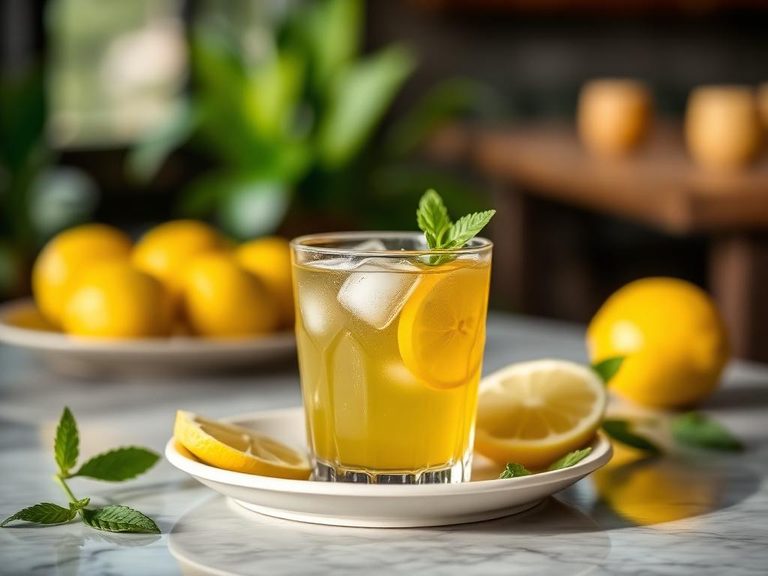
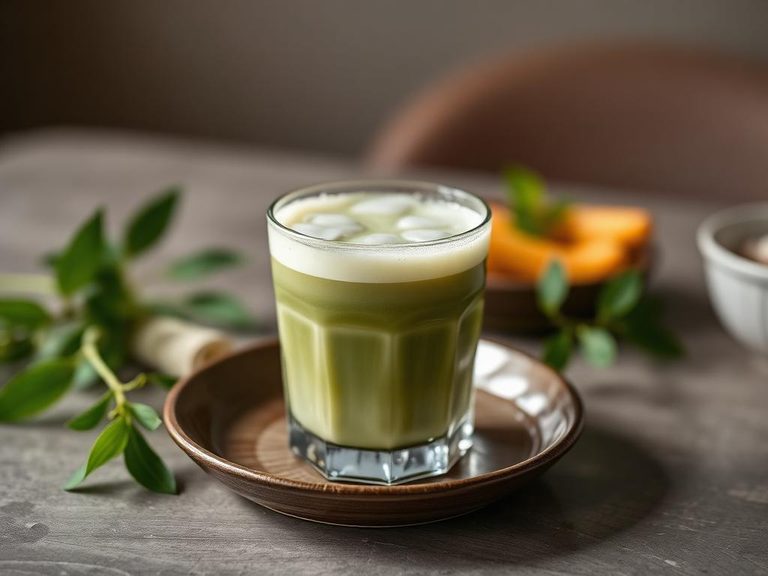
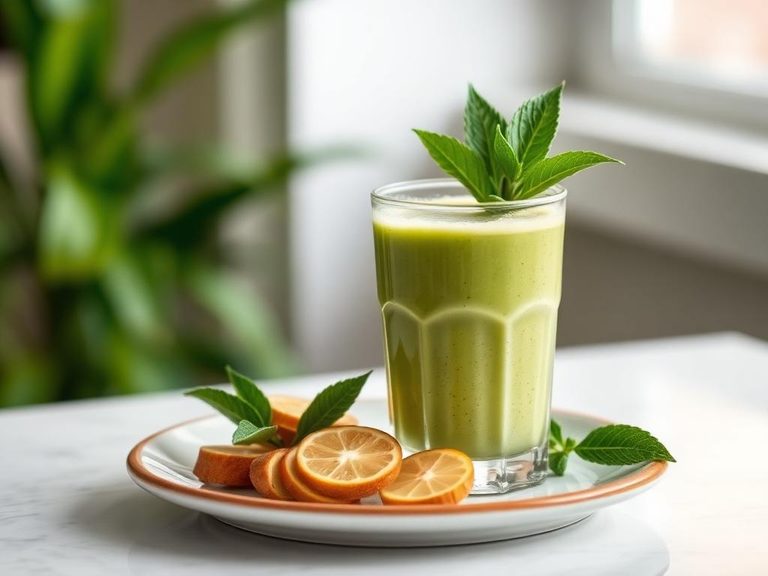
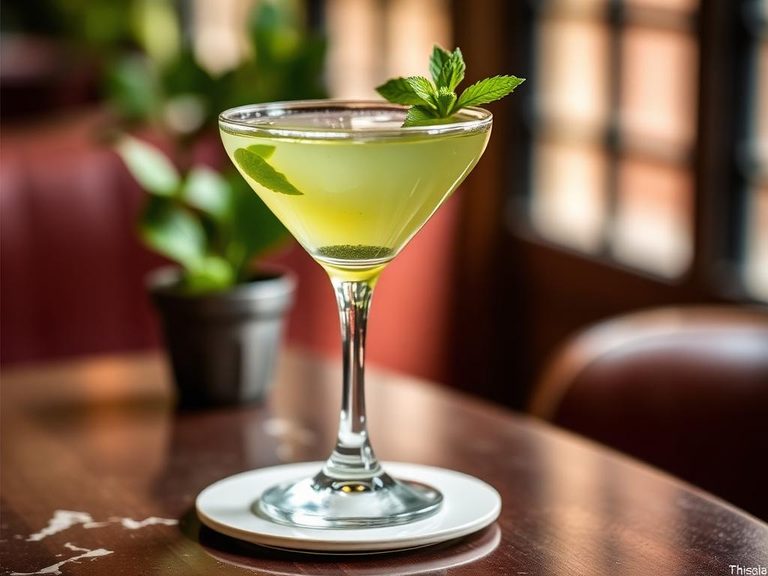
🌍 Where it's eaten
💡 Did you know?
The process for making bottled iced green tea often involves brewing the tea leaves at a higher concentration with hot water to quickly extract flavor and antioxidants, then rapidly chilling it to lock in the taste and prevent bitterness.
Full nutrition (USDA data · scales with serving)
| Water | 92.2 g |
| Energy | 32.0 kcal |
| Protein | 0.20 g |
| Total lipid (fat) | 0.02 g |
| Carbohydrate, by difference | 7.7 g |
| Fiber, total dietary | 0.00 g |
| Total Sugars | 7.7 g |
| Calcium, Ca | 0.00 mg |
| Iron, Fe | 0.02 mg |
| Magnesium, Mg | 1.0 mg |
| Phosphorus, P | 0.00 mg |
| Potassium, K | 8.0 mg |
| Sodium, Na | 1.0 mg |
| Zinc, Zn | 0.01 mg |
| Copper, Cu | 0.00 mg |
| Selenium, Se | 0.00 ug |
| Vitamin C, total ascorbic acid | 0.00 mg |
| Thiamin | 0.01 mg |
| Riboflavin | 0.06 mg |
| Niacin | 0.03 mg |
| Vitamin B-6 | 0.01 mg |
| Folate, total | 0.00 ug |
| Folic acid | 0.00 ug |
| Folate, food | 0.00 ug |
| Folate, DFE | 0.00 ug |
| Choline, total | 0.00 mg |
| Vitamin B-12 | 0.00 ug |
| Vitamin B-12, added | 0.00 ug |
| Vitamin A, RAE | 0.00 ug |
| Retinol | 0.00 ug |
| Carotene, beta | 0.00 ug |
| Carotene, alpha | 0.00 ug |
| Cryptoxanthin, beta | 0.00 ug |
| Lycopene | 0.00 ug |
| Lutein + zeaxanthin | 0.00 ug |
| Vitamin E (alpha-tocopherol) | 0.00 mg |
| Vitamin E, added | 0.00 mg |
| Vitamin D (D2 + D3) | 0.00 ug |
| Vitamin K (phylloquinone) | 0.00 ug |
| Alcohol, ethyl | 0.00 g |
| Caffeine | 11.0 mg |
| Theobromine | 0.00 mg |
Fat & fatty acid profile (per 100g)
| Fatty acids, total saturated | 0.00 g |
| SFA 4:0 | 0.00 g |
| SFA 6:0 | 0.00 g |
| SFA 8:0 | 0.00 g |
| SFA 10:0 | 0.00 g |
| SFA 12:0 | 0.00 g |
| SFA 14:0 | 0.00 g |
| SFA 16:0 | 0.00 g |
| SFA 18:0 | 0.00 g |
| Fatty acids, total monounsaturated | 0.00 g |
| MUFA 16:1 | 0.00 g |
| MUFA 18:1 | 0.00 g |
| MUFA 20:1 | 0.00 g |
| MUFA 22:1 | 0.00 g |
| Fatty acids, total polyunsaturated | 0.00 g |
| PUFA 18:2 | 0.00 g |
| PUFA 18:3 | 0.00 g |
| PUFA 18:4 | 0.00 g |
| PUFA 20:4 | 0.00 g |
| PUFA 20:5 n-3 (EPA) | 0.00 g |
| PUFA 22:5 n-3 (DPA) | 0.00 g |
| PUFA 22:6 n-3 (DHA) | 0.00 g |
| Cholesterol | 0.00 mg |
Amino acid profile (per 100g)
Estimated from Cookies, animal crackers (includes arrowroot, tea biscuits) — USDA does not publish this profile for Tea.
| Tryptophan | 0.10 g |
| Threonine | 0.19 g |
| Isoleucine | 0.26 g |
| Leucine | 0.47 g |
| Lysine | 0.24 g |
| Methionine | 0.12 g |
| Cystine | 0.15 g |
| Phenylalanine | 0.32 g |
| Tyrosine | 0.20 g |
| Valine | 0.30 g |
| Arginine | 0.26 g |
| Histidine | 0.14 g |
| Alanine | 0.21 g |
| Aspartic acid | 0.29 g |
| Glutamic acid | 2.3 g |
| Glycine | 0.23 g |
| Proline | 0.76 g |
| Serine | 0.36 g |
FAQ
Does pre-sweetened iced green tea have the same antioxidants as hot brewed tea?
It contains antioxidants like catechins from the green tea leaves, but the brewing process, dilution with water, and added sugar mean the concentration per serving is typically lower than in a freshly brewed hot cup of green tea.
Is the caffeine content in pre-sweetened iced green tea high?
It varies by brand, but generally contains less caffeine than coffee and a similar amount to a cup of hot green tea. A typical 355g (12 oz) serving might have 25-50mg of caffeine, providing a mild boost.
Can I use pre-sweetened iced green tea in baking?
Yes, it can be used to add moisture and a subtle tea flavor to cakes, muffins, or sorbets. Be mindful that it will add extra sugar to your recipe, so you may need to reduce other sweeteners accordingly.
Nutrient density (calculated · NRF9.3)
Nutrient Rich Foods index: beneficial nutrients (protein, fiber, vitamins, minerals) minus saturated fat, added sugar & sodium, per 100 kcal.
NRF9.3 index — Fulgoni, Keast & Drewnowski, 2009. Computed from USDA nutrients.
Weight-loss friendliness (composite index)
Energy density 0.32 kcal/g · 3% calories from protein · 0.0 g fiber · 7.7 g sugar per 100 g.
Composite of energy density (Rolls et al., 1999), protein & fiber satiety, minus sugar. A calculated heuristic — ranks satiety-per-calorie, not a clinical measure.
Dietary load (calculated from USDA values)
Potential renal acid load. Positive = acid-forming, negative = alkaline-forming.
Sodium-to-potassium ratio: 0.13 (lower is better — aim for ≤ 1)
Sodium:potassium per WHO potassium guidance. Computed from USDA nutrients.