

Syrup, Cane
Whole food · Sweets

Photo: Wikipedia
Cane syrup is a thick, amber-colored liquid sweetener made by boiling down pure sugarcane juice until it reaches a smooth, viscous consistency. It has a rich, caramel-like flavor with distinct earthy, grassy undertones that set it apart from refined sugar. Nutritionally, it is almost entirely carbohydrate, providing a quick energy source with 73 grams of sugar per 100 grams.
Calorie split: 0% protein · 100% carbs · 0% fat
↓ Full nutrition💚 Why it's loved
People love cane syrup for its deep, molasses-adjacent flavor that adds warmth and complexity to both sweet and savory dishes. Its smooth, pourable texture makes it incredibly versatile for drizzling, glazing, and mixing into beverages.
⚠️ Watch-outs & how to enjoy it better
Due to its high sugar content, it can cause rapid blood-sugar spikes and is not suitable for low-carb or diabetic diets without strict portion control. To mitigate this, pair it with protein or fiber-rich foods (like nuts or oats) to slow absorption, and use it sparingly as a flavor accent rather than a primary sweetener.
Key benefits
- Provides quick energy from natural carbohydrates
- Contains trace minerals like iron, calcium, and potassium from sugarcane
- Adds complex, caramel-like flavor to recipes
- A traditional, minimally processed sweetener in many cuisines
- Can be used as a 1:1 substitute for other liquid sweeteners in baking
🍽️ Popular dishes


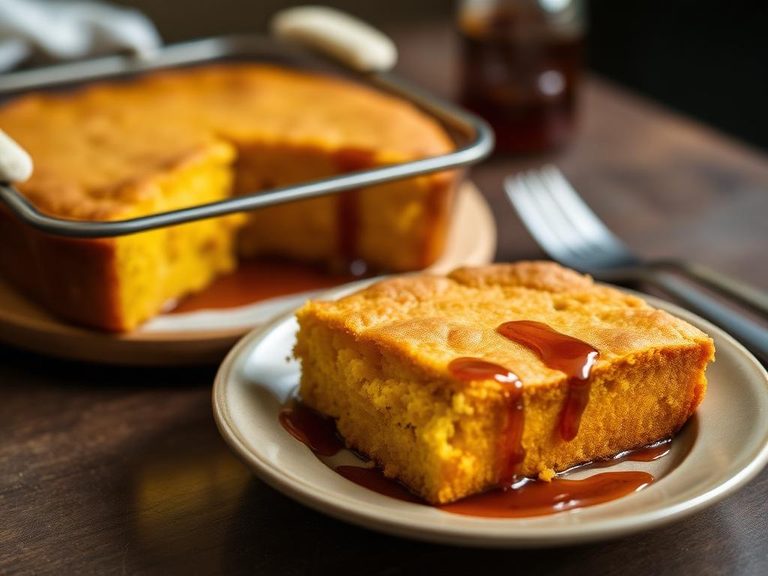
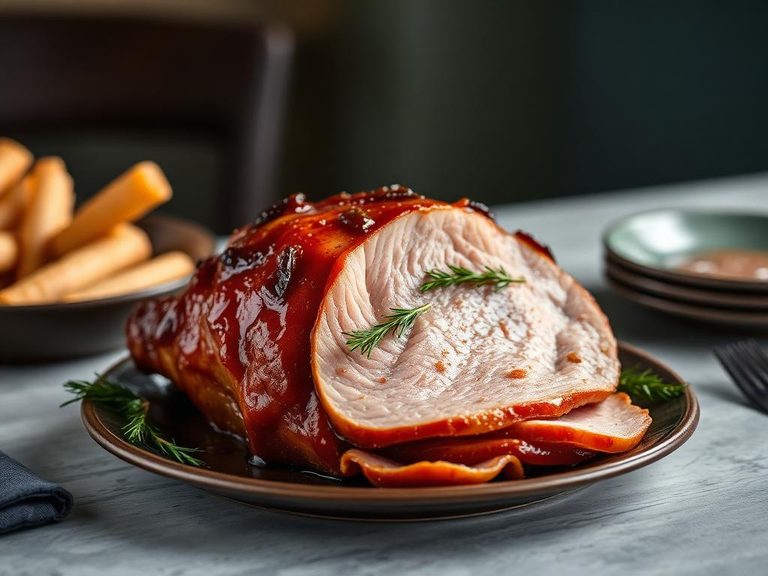
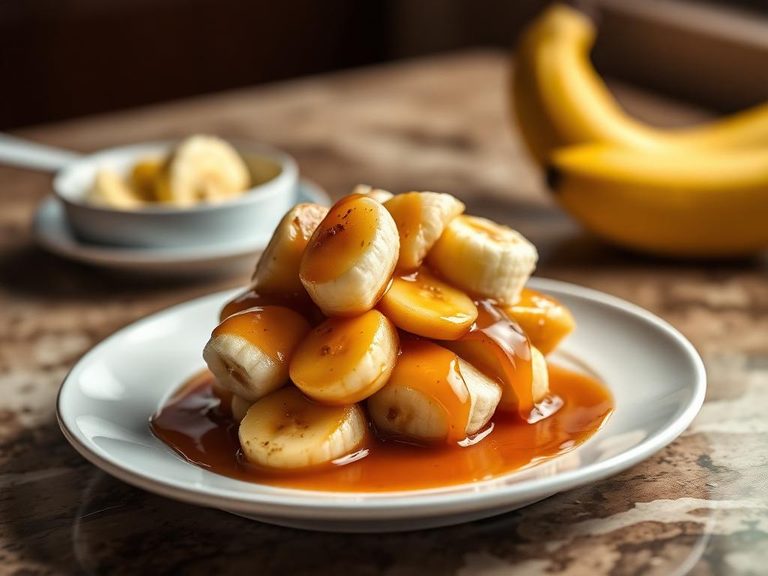
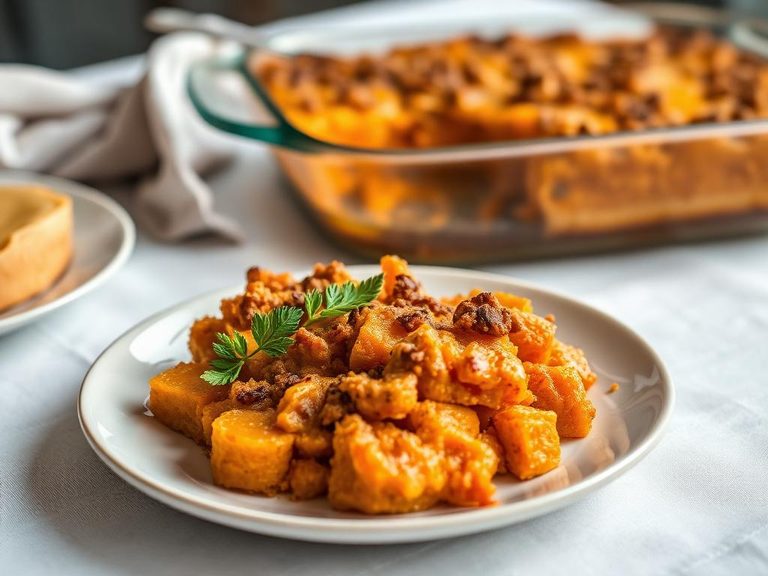
🌍 Where it's eaten
💡 Did you know?
Traditional cane syrup production involves skimming impurities from the boiling juice, a process that historically required constant attention and gave rise to the phrase 'stirring the pot' in some sugarcane communities.
Full nutrition (USDA data · scales with serving)
| Water | 26.0 g |
| Energy | 269 kcal |
| Energy | 1126 kj |
| Protein | 0.00 g |
| Total lipid (fat) | 0.00 g |
| Ash | 0.86 g |
| Carbohydrate, by difference | 73.1 g |
| Fiber, total dietary | 0.00 g |
| Total Sugars | 73.2 g |
| Calcium, Ca | 13.0 mg |
| Iron, Fe | 3.6 mg |
| Magnesium, Mg | 10.0 mg |
| Phosphorus, P | 8.0 mg |
| Potassium, K | 63.0 mg |
| Sodium, Na | 58.0 mg |
| Zinc, Zn | 0.19 mg |
| Copper, Cu | 0.02 mg |
| Selenium, Se | 0.70 ug |
| Vitamin C, total ascorbic acid | 0.00 mg |
| Thiamin | 0.13 mg |
| Riboflavin | 0.06 mg |
| Niacin | 0.10 mg |
| Vitamin B-6 | 0.00 mg |
| Folate, total | 0.00 ug |
| Folic acid | 0.00 ug |
| Folate, food | 0.00 ug |
| Folate, DFE | 0.00 ug |
| Vitamin B-12 | 0.00 ug |
| Vitamin B-12, added | 0.00 ug |
| Vitamin A, RAE | 0.00 ug |
| Retinol | 0.00 ug |
| Carotene, beta | 0.00 ug |
| Carotene, alpha | 0.00 ug |
| Cryptoxanthin, beta | 0.00 ug |
| Vitamin A, IU | 0.00 iu |
| Lycopene | 0.00 ug |
| Lutein + zeaxanthin | 0.00 ug |
| Vitamin E (alpha-tocopherol) | 0.00 mg |
| Vitamin E, added | 0.00 mg |
| Vitamin D (D2 + D3), International Units | 0.00 iu |
| Vitamin D (D2 + D3) | 0.00 ug |
| Vitamin K (phylloquinone) | 0.00 ug |
| Alcohol, ethyl | 0.00 g |
| Caffeine | 0.00 mg |
| Theobromine | 0.00 mg |
Fat & fatty acid profile (per 100g)
| Fatty acids, total saturated | 0.00 g |
| SFA 4:0 | 0.00 g |
| SFA 6:0 | 0.00 g |
| SFA 8:0 | 0.00 g |
| SFA 10:0 | 0.00 g |
| SFA 12:0 | 0.00 g |
| SFA 14:0 | 0.00 g |
| SFA 16:0 | 0.00 g |
| SFA 18:0 | 0.00 g |
| Fatty acids, total monounsaturated | 0.00 g |
| MUFA 16:1 | 0.00 g |
| MUFA 18:1 | 0.00 g |
| MUFA 20:1 | 0.00 g |
| MUFA 22:1 | 0.00 g |
| Fatty acids, total polyunsaturated | 0.00 g |
| PUFA 18:2 | 0.00 g |
| PUFA 18:3 | 0.00 g |
| PUFA 18:4 | 0.00 g |
| PUFA 20:4 | 0.00 g |
| PUFA 20:5 n-3 (EPA) | 0.00 g |
| PUFA 22:5 n-3 (DPA) | 0.00 g |
| PUFA 22:6 n-3 (DHA) | 0.00 g |
| Cholesterol | 0.00 mg |
Amino acid profile (per 100g)
Estimated from Fruit syrup — USDA does not publish this profile for Syrup.
| Tryptophan | 0.00 g |
| Threonine | 0.00 g |
| Isoleucine | 0.00 g |
| Leucine | 0.00 g |
| Lysine | 0.00 g |
| Methionine | 0.00 g |
| Cystine | 0.00 g |
| Phenylalanine | 0.00 g |
| Tyrosine | 0.00 g |
| Valine | 0.00 g |
| Arginine | 0.00 g |
| Histidine | 0.00 g |
| Alanine | 0.00 g |
| Aspartic acid | 0.00 g |
| Glutamic acid | 0.00 g |
| Glycine | 0.00 g |
| Proline | 0.00 g |
| Serine | 0.00 g |
FAQ
How is cane syrup different from molasses?
Cane syrup is made from the fresh juice of sugarcane boiled down, while molasses is a byproduct of the sugar refining process. Cane syrup has a lighter, more caramel-forward flavor, whereas molasses is darker and more bitter.
Can I use cane syrup in place of maple syrup?
Yes, they can often be substituted 1:1, but the flavor profile is different. Cane syrup is less 'woody' and more caramel-like. It works well in baking, glazes, and over pancakes or waffles.
Does cane syrup need to be refrigerated after opening?
For best quality and to prevent fermentation, it should be refrigerated after opening. Its high sugar content acts as a preservative, but refrigeration extends its shelf life and maintains consistency.
Nutrient density (calculated · NRF9.3)
Nutrient Rich Foods index: beneficial nutrients (protein, fiber, vitamins, minerals) minus saturated fat, added sugar & sodium, per 100 kcal.
NRF9.3 index — Fulgoni, Keast & Drewnowski, 2009. Computed from USDA nutrients.
Weight-loss friendliness (composite index)
Energy density 2.69 kcal/g · 0% calories from protein · 0.0 g fiber · 73.2 g sugar per 100 g.
Composite of energy density (Rolls et al., 1999), protein & fiber satiety, minus sugar. A calculated heuristic — ranks satiety-per-calorie, not a clinical measure.
Dietary load (calculated from USDA values)
Potential renal acid load. Positive = acid-forming, negative = alkaline-forming.
Sodium-to-potassium ratio: 0.92 (lower is better — aim for ≤ 1)
Sodium:potassium per WHO potassium guidance. Computed from USDA nutrients.