

Sweeteners, tabletop, fructose, dry, powder
Whole food · Sweets

Photo: Wikipedia
A fine, white, crystalline powder derived from corn starch, fructose is the sweetest of all natural sugars, offering a clean, intense sweetness that dissolves instantly. It is a pure carbohydrate source, providing 368 kcal per 100g with no protein, fat, or fiber, and is about 73% sweeter than table sugar, allowing for less volume to achieve the same sweetness.
Calorie split: 0% protein · 100% carbs · 0% fat
↓ Full nutrition💚 Why it's loved
People love it for its intense, clean sweetness that can brighten up beverages and desserts without the aftertaste of some artificial sweeteners. Its ability to dissolve seamlessly makes it a versatile staple in both home kitchens and commercial food production.
⚠️ Watch-outs & how to enjoy it better
Because it is a simple sugar, it can cause rapid blood sugar spikes, making it unsuitable for those with diabetes or insulin resistance. To counteract this, pair it with protein or healthy fats (like nuts or yogurt) to slow absorption, and practice strict portion control. It is also a highly processed ingredient, so whole-food sweeteners like fruit or honey are often preferred.
Key benefits
- High sweetening power, requiring less volume than sucrose
- Dissolves quickly in both hot and cold liquids
- Provides a quick energy source
- Often used in sugar-free or reduced-calorie products
- Can enhance the flavor of fruits and baked goods
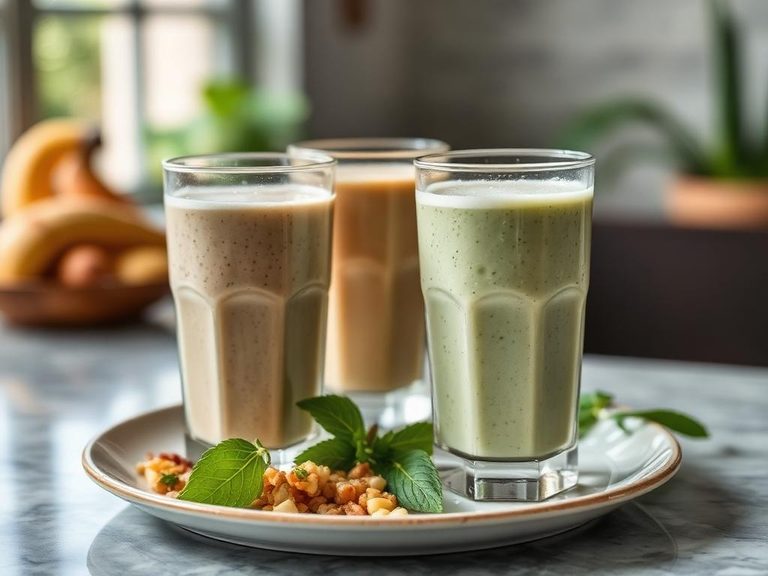
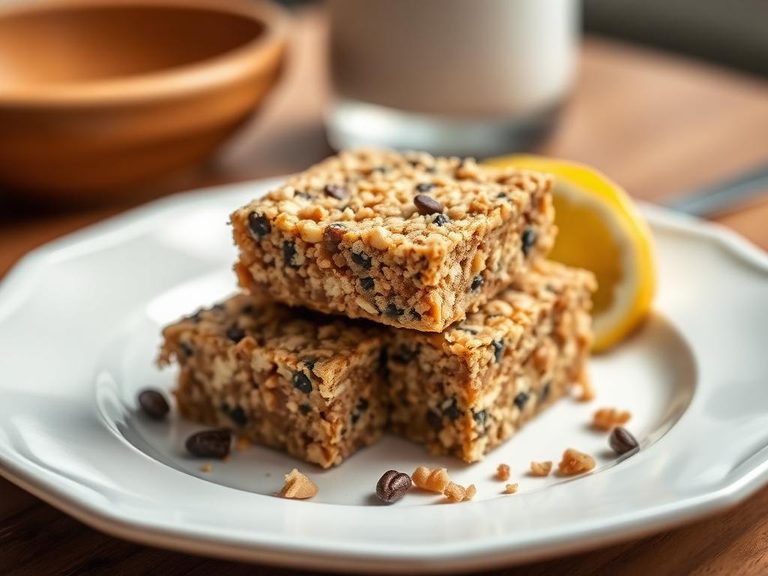
🍽️ Popular dishes
🌍 Where it's eaten
💡 Did you know?
Fructose is naturally found in honey, fruits, and root vegetables, but the dry powder form is almost exclusively produced from corn starch through a process called enzymatic hydrolysis, making it a cornerstone of the modern processed food industry.
Full nutrition (USDA data · scales with serving)
| Water | 0.00 g |
| Energy | 368 kcal |
| Energy | 1540 kj |
| Protein | 0.00 g |
| Total lipid (fat) | 0.00 g |
| Ash | 0.00 g |
| Carbohydrate, by difference | 100 g |
| Fiber, total dietary | 0.00 g |
| Total Sugars | 92.7 g |
| Starch | 7.3 g |
| Calcium, Ca | 0.00 mg |
| Iron, Fe | 0.10 mg |
| Magnesium, Mg | 0.00 mg |
| Phosphorus, P | 0.00 mg |
| Potassium, K | 0.00 mg |
| Sodium, Na | 12.0 mg |
| Zinc, Zn | 0.00 mg |
| Copper, Cu | 0.22 mg |
| Selenium, Se | 0.60 ug |
| Vitamin C, total ascorbic acid | 0.00 mg |
| Thiamin | 0.00 mg |
| Riboflavin | 0.00 mg |
| Niacin | 0.00 mg |
| Vitamin B-6 | 0.00 mg |
| Folate, total | 0.00 ug |
| Folic acid | 0.00 ug |
| Folate, food | 0.00 ug |
| Folate, DFE | 0.00 ug |
| Choline, total | 0.00 mg |
| Vitamin B-12 | 0.00 ug |
| Vitamin B-12, added | 0.00 ug |
| Vitamin A, RAE | 0.00 ug |
| Retinol | 0.00 ug |
| Carotene, beta | 0.00 ug |
| Carotene, alpha | 0.00 ug |
| Cryptoxanthin, beta | 0.00 ug |
| Vitamin A, IU | 0.00 iu |
| Lycopene | 0.00 ug |
| Lutein + zeaxanthin | 0.00 ug |
| Vitamin E (alpha-tocopherol) | 0.00 mg |
| Vitamin E, added | 0.00 mg |
| Vitamin D (D2 + D3), International Units | 0.00 iu |
| Vitamin D (D2 + D3) | 0.00 ug |
| Vitamin K (phylloquinone) | 0.00 ug |
| Alcohol, ethyl | 0.00 g |
| Caffeine | 0.00 mg |
| Theobromine | 0.00 mg |
Fat & fatty acid profile (per 100g)
| Fatty acids, total saturated | 0.00 g |
| SFA 4:0 | 0.00 g |
| SFA 6:0 | 0.00 g |
| SFA 8:0 | 0.00 g |
| SFA 10:0 | 0.00 g |
| SFA 12:0 | 0.00 g |
| SFA 14:0 | 0.00 g |
| SFA 16:0 | 0.00 g |
| SFA 18:0 | 0.00 g |
| Fatty acids, total monounsaturated | 0.00 g |
| MUFA 16:1 | 0.00 g |
| MUFA 18:1 | 0.00 g |
| MUFA 20:1 | 0.00 g |
| MUFA 22:1 | 0.00 g |
| Fatty acids, total polyunsaturated | 0.00 g |
| PUFA 18:2 | 0.00 g |
| PUFA 18:3 | 0.00 g |
| PUFA 18:4 | 0.00 g |
| PUFA 20:4 | 0.00 g |
| PUFA 20:5 n-3 (EPA) | 0.00 g |
| PUFA 22:5 n-3 (DPA) | 0.00 g |
| PUFA 22:6 n-3 (DHA) | 0.00 g |
| Cholesterol | 0.00 mg |
Amino acid profile (per 100g)
Estimated from Sweeteners, tabletop, aspartame, EQUAL, packets — USDA does not publish this profile for Sweeteners.
| Tryptophan | 0.00 g |
| Threonine | 0.00 g |
| Isoleucine | 0.00 g |
| Leucine | 0.00 g |
| Lysine | 0.00 g |
| Methionine | 0.00 g |
| Cystine | 0.00 g |
| Phenylalanine | 1.2 g |
| Tyrosine | 0.00 g |
| Valine | 0.00 g |
| Arginine | 0.00 g |
| Histidine | 0.00 g |
| Alanine | 0.00 g |
| Aspartic acid | 0.98 g |
| Glutamic acid | 0.00 g |
| Glycine | 0.00 g |
| Proline | 0.00 g |
| Serine | 0.00 g |
FAQ
Is fructose powder the same as table sugar?
No, table sugar is sucrose (a combination of glucose and fructose), while fructose powder is pure fructose, a monosaccharide that is sweeter and metabolized differently.
Can I use fructose powder in baking?
Yes, but because it's sweeter than sugar, you'll need to use less (about 75% of the sugar amount). It can also affect browning and texture, so recipes may need adjustment.
Is fructose powder safe for diabetics?
Fructose has a lower glycemic index than glucose, but it's still a sugar and can affect blood sugar and liver health. Diabetics should consult a healthcare provider and use it sparingly.
How should I store fructose powder?
Keep it in an airtight container in a cool, dry place to prevent clumping and moisture absorption.
Nutrient density (calculated · NRF9.3)
Nutrient Rich Foods index: beneficial nutrients (protein, fiber, vitamins, minerals) minus saturated fat, added sugar & sodium, per 100 kcal.
NRF9.3 index — Fulgoni, Keast & Drewnowski, 2009. Computed from USDA nutrients.
Weight-loss friendliness (composite index)
Energy density 3.68 kcal/g · 0% calories from protein · 0.0 g fiber · 92.7 g sugar per 100 g.
Composite of energy density (Rolls et al., 1999), protein & fiber satiety, minus sugar. A calculated heuristic — ranks satiety-per-calorie, not a clinical measure.
Dietary load (calculated from USDA values)
Potential renal acid load. Positive = acid-forming, negative = alkaline-forming.
Sodium:potassium per WHO potassium guidance. Computed from USDA nutrients.