

Summer squash, yellow or green, frozen, cooked with oil
Common food
This is a convenient, low-calorie vegetable side made from yellow or green summer squash that has been frozen and then sautéed or cooked with a small amount of oil. The cooking process softens the squash to a tender, slightly silky texture while the oil adds a subtle richness and helps the vegetable's natural flavors bloom. At just 46 calories per 100g, it's a nutrient-dense option that provides a modest amount of fiber and a surprisingly good dose of fat-soluble vitamins.
Calorie split: 9% protein · 35% carbs · 55% fat
↓ Full nutrition💚 Why it's loved
People love it for its mild, sweet flavor and tender texture that easily absorbs seasonings and sauces, making it a versatile side dish. It's a quick, healthy staple in many home kitchens, especially during summer, and its convenience as a frozen product means it's available year-round.
⚠️ Watch-outs & how to enjoy it better
The cooking oil can increase the calorie and fat content compared to plain steamed squash, which might be a concern for those on strict low-fat diets. To counteract this, use minimal oil (e.g., 1 tsp per serving) or opt for a cooking spray. Additionally, if the product is pre-seasoned, it may contain added sodium; check labels and choose low-sodium versions or rinse lightly before cooking.
Key benefits
- Excellent source of vitamin C, supporting immune function and skin health.
- Provides potassium, which helps regulate blood pressure and fluid balance.
- Contains antioxidants like lutein and zeaxanthin, beneficial for eye health.
- Low in calories and carbohydrates, making it suitable for weight management.
- The added fat enhances absorption of fat-soluble vitamins A and K.
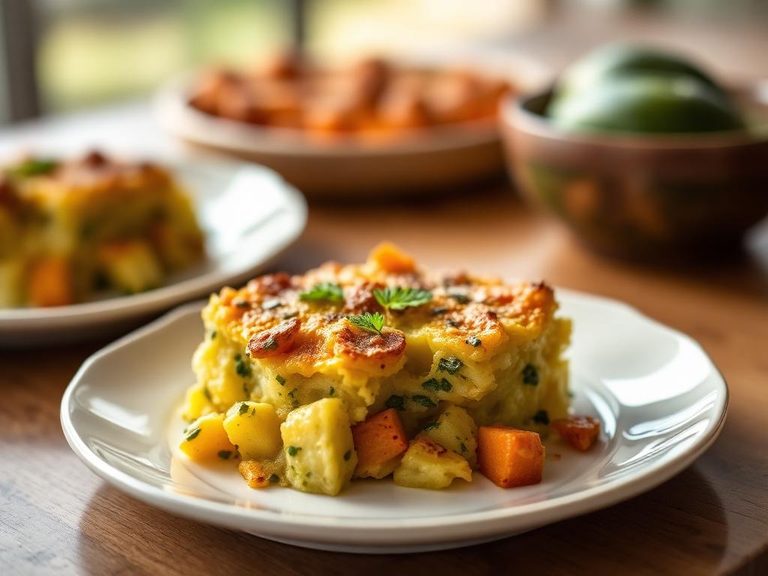
🍽️ Popular dishes
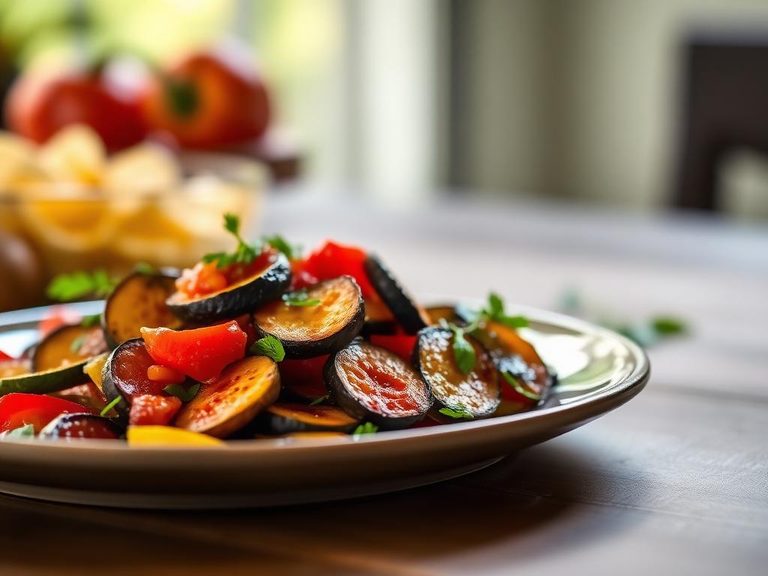

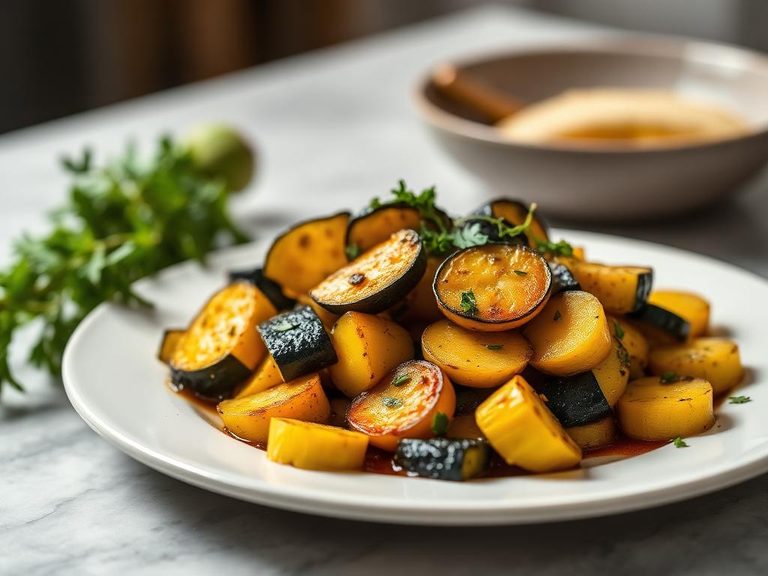
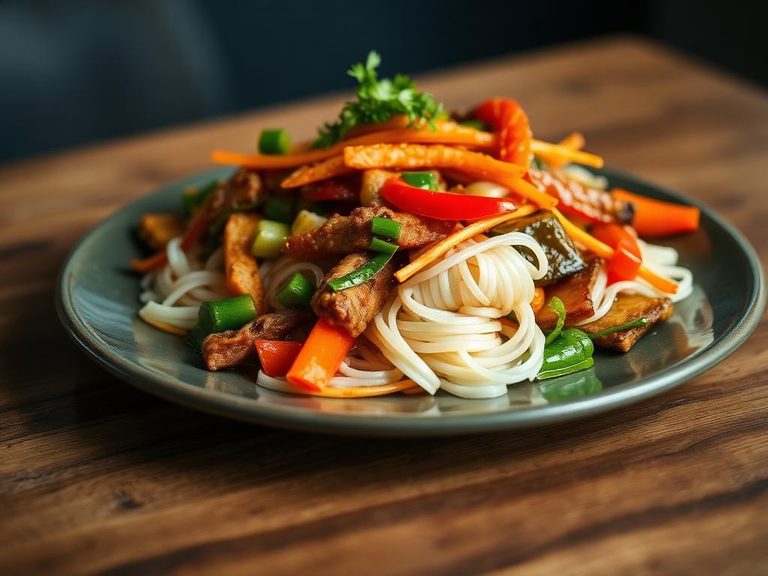
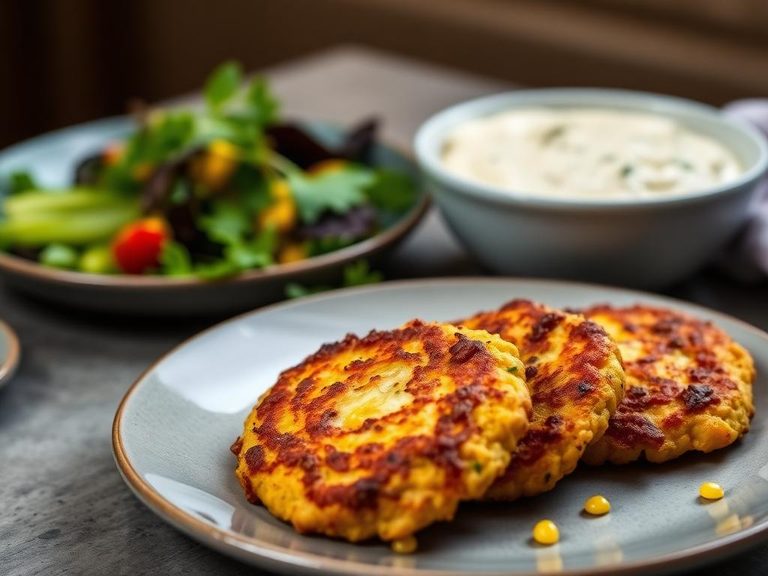
🌍 Where it's eaten
💡 Did you know?
Summer squash is technically a fruit, as it develops from the flower of the plant and contains seeds, but it is universally treated as a vegetable in culinary contexts.
Full nutrition (USDA data · scales with serving)
| Water | 90.5 g |
| Energy | 46.0 kcal |
| Protein | 1.2 g |
| Total lipid (fat) | 3.1 g |
| Carbohydrate, by difference | 4.4 g |
| Fiber, total dietary | 1.3 g |
| Total Sugars | 1.9 g |
| Calcium, Ca | 18.0 mg |
| Iron, Fe | 0.49 mg |
| Magnesium, Mg | 19.0 mg |
| Phosphorus, P | 32.0 mg |
| Potassium, K | 216 mg |
| Sodium, Na | 116 mg |
| Zinc, Zn | 0.26 mg |
| Copper, Cu | 0.06 mg |
| Selenium, Se | 0.20 ug |
| Vitamin C, total ascorbic acid | 5.1 mg |
| Thiamin | 0.04 mg |
| Riboflavin | 0.04 mg |
| Niacin | 0.40 mg |
| Vitamin B-6 | 0.07 mg |
| Folate, total | 10.0 ug |
| Folic acid | 0.00 ug |
| Folate, food | 10.0 ug |
| Folate, DFE | 10.0 ug |
| Choline, total | 9.3 mg |
| Vitamin B-12 | 0.00 ug |
| Vitamin B-12, added | 0.00 ug |
| Vitamin A, RAE | 9.0 ug |
| Retinol | 0.00 ug |
| Carotene, beta | 109 ug |
| Carotene, alpha | 0.00 ug |
| Cryptoxanthin, beta | 0.00 ug |
| Lycopene | 0.00 ug |
| Lutein + zeaxanthin | 1096 ug |
| Vitamin E (alpha-tocopherol) | 0.68 mg |
| Vitamin E, added | 0.00 mg |
| Vitamin D (D2 + D3) | 0.00 ug |
| Vitamin K (phylloquinone) | 7.6 ug |
| Alcohol, ethyl | 0.00 g |
| Caffeine | 0.00 mg |
| Theobromine | 0.00 mg |
Fat & fatty acid profile (per 100g)
| Fatty acids, total saturated | 0.42 g |
| SFA 4:0 | 0.00 g |
| SFA 6:0 | 0.00 g |
| SFA 8:0 | 0.00 g |
| SFA 10:0 | 0.00 g |
| SFA 12:0 | 0.00 g |
| SFA 14:0 | 0.00 g |
| SFA 16:0 | 0.31 g |
| SFA 18:0 | 0.09 g |
| Fatty acids, total monounsaturated | 1.2 g |
| MUFA 16:1 | 0.01 g |
| MUFA 18:1 | 1.2 g |
| MUFA 20:1 | 0.02 g |
| MUFA 22:1 | 0.00 g |
| Fatty acids, total polyunsaturated | 1.2 g |
| PUFA 18:2 | 1.0 g |
| PUFA 18:3 | 0.17 g |
| PUFA 18:4 | 0.00 g |
| PUFA 20:4 | 0.00 g |
| PUFA 20:5 n-3 (EPA) | 0.00 g |
| PUFA 22:5 n-3 (DPA) | 0.00 g |
| PUFA 22:6 n-3 (DHA) | 0.00 g |
| Cholesterol | 0.00 mg |
Amino acid profile (per 100g)
Estimated from Squash, summer, crookneck and straightneck, cooked, boiled, drained, without salt — USDA does not publish this profile for Summer squash.
| Tryptophan | 0.01 g |
| Threonine | 0.02 g |
| Isoleucine | 0.03 g |
| Leucine | 0.05 g |
| Lysine | 0.05 g |
| Methionine | 0.01 g |
| Cystine | 0.01 g |
| Phenylalanine | 0.03 g |
| Tyrosine | 0.02 g |
| Valine | 0.04 g |
| Arginine | 0.04 g |
| Histidine | 0.02 g |
| Alanine | 0.05 g |
| Aspartic acid | 0.11 g |
| Glutamic acid | 0.10 g |
| Glycine | 0.03 g |
| Proline | 0.03 g |
| Serine | 0.04 g |
FAQ
Is frozen summer squash as nutritious as fresh?
Yes, frozen summer squash is often just as nutritious as fresh. The freezing process locks in nutrients shortly after harvest, sometimes preserving them better than fresh squash that has been stored for days.
Can I use this in raw salads?
No, this product is pre-cooked and frozen, so it has a soft, tender texture. It's best used in cooked dishes like sautés, soups, or casseroles rather than raw salads.
How should I store leftovers?
Store any cooked leftovers in an airtight container in the refrigerator for up to 3-4 days. Reheat gently in a pan or microwave, adding a splash of water if needed to prevent drying out.
Nutrient density (calculated · NRF9.3)
Nutrient Rich Foods index: beneficial nutrients (protein, fiber, vitamins, minerals) minus saturated fat, added sugar & sodium, per 100 kcal.
NRF9.3 index — Fulgoni, Keast & Drewnowski, 2009. Computed from USDA nutrients.
Weight-loss friendliness (composite index)
Energy density 0.46 kcal/g · 10% calories from protein · 1.3 g fiber · 1.9 g sugar per 100 g.
Composite of energy density (Rolls et al., 1999), protein & fiber satiety, minus sugar. A calculated heuristic — ranks satiety-per-calorie, not a clinical measure.
Dietary load (calculated from USDA values)
Potential renal acid load. Positive = acid-forming, negative = alkaline-forming.
Sodium-to-potassium ratio: 0.54 (lower is better — aim for ≤ 1)
Sodium:potassium per WHO potassium guidance. Computed from USDA nutrients.