

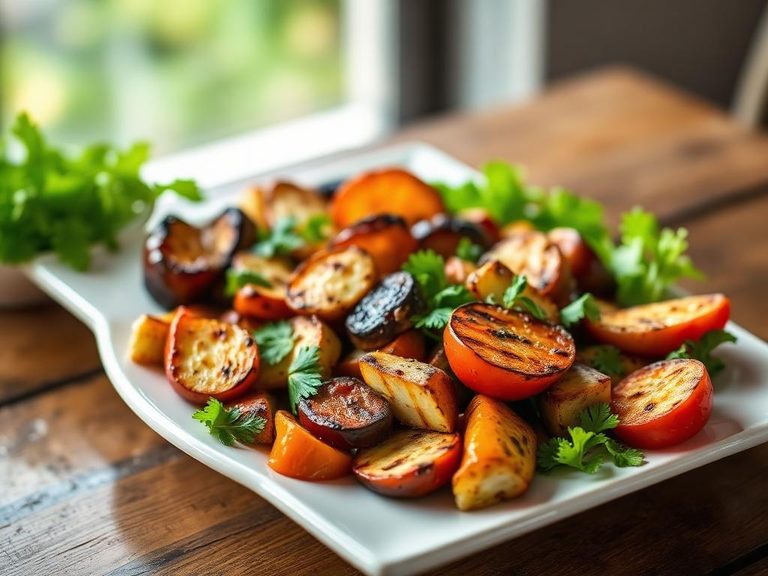
Summer squash, yellow or green, fresh, cooked with oil
Common food

Photo: Wikipedia
Summer squash, whether yellow or green, is a tender, mild-flavored vegetable that becomes silky and slightly sweet when sautéed in oil. Its high water content and delicate skin make it cook quickly, softening to a buttery texture while absorbing the flavors of garlic, herbs, or spices. Nutritionally, it's a low-calorie, hydrating choice that provides a modest boost of fiber and natural sugars.
Calorie split: 9% protein · 29% carbs · 62% fat
↓ Full nutrition💚 Why it's loved
People love it for its incredible versatility—it acts as a flavor sponge in stir-fries, pastas, and curries, and its quick cooking time makes it a weeknight staple. Its mild, slightly sweet taste and soft texture are crowd-pleasers, often serving as a gentle introduction to vegetables for picky eaters.
⚠️ Watch-outs & how to enjoy it better
When overcooked, it can become mushy and watery, diluting the flavors of a dish. Its mild flavor can be perceived as bland by some, and the high water content might not be ideal for those following strict low-carb or keto diets where every gram of carbohydrate is counted. To counteract sogginess, cook it quickly over high heat (sauté or grill) or add it near the end of a recipe. To boost flavor, pair it with strong seasonings like garlic, lemon, feta, or chili flakes.
Key benefits
- Very low in calories (51 kcal per 100g cooked)
- Good source of hydration due to high water content
- Provides dietary fiber (1.1g per 100g) for digestive health
- Contains natural sugars for quick energy without excess calories
- Versatile base for adding healthy fats (like olive oil) and other nutrients
🍽️ Popular dishes
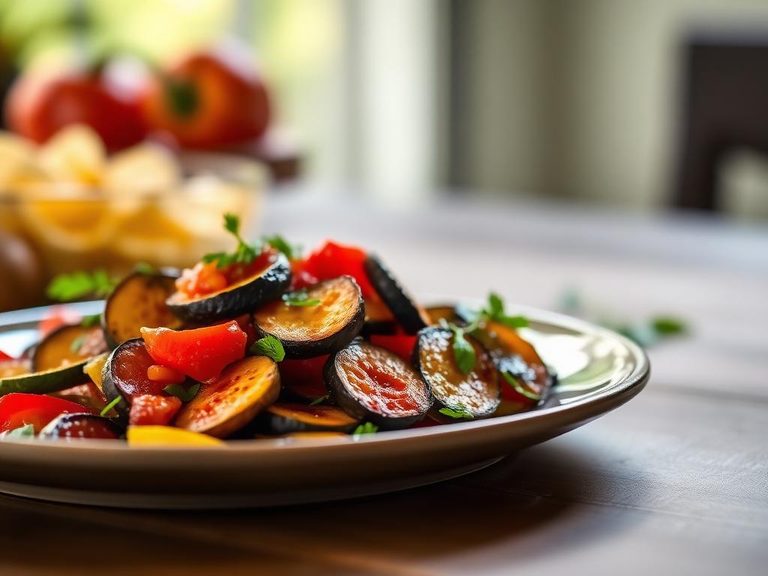

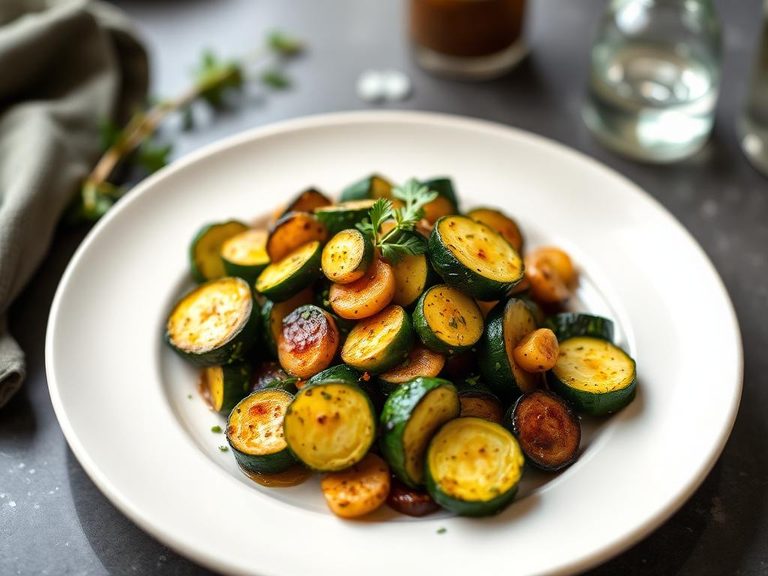
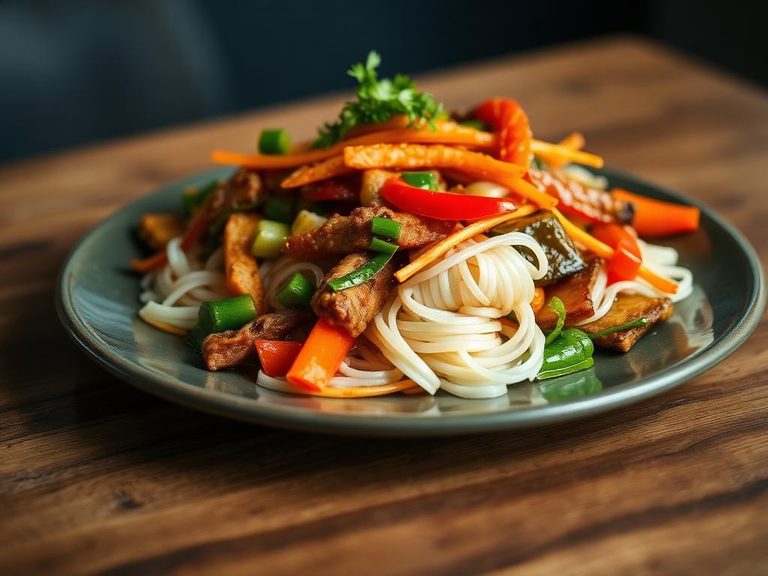
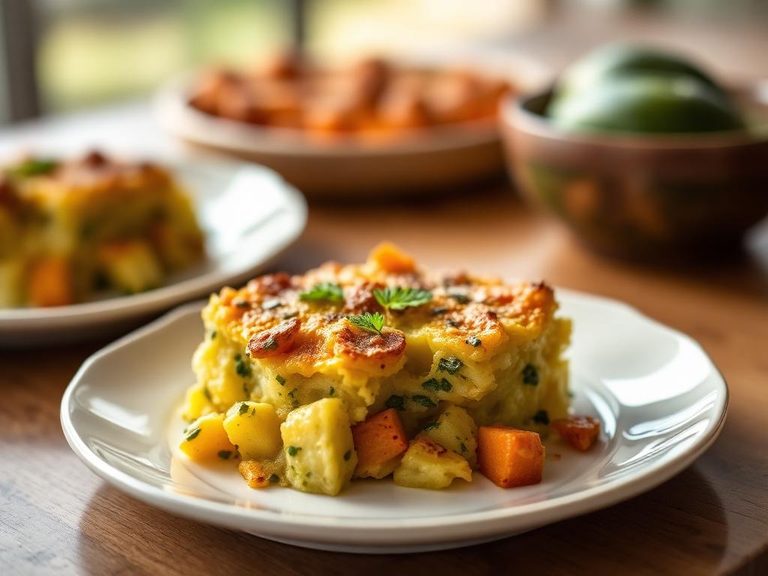
🌍 Where it's eaten
💡 Did you know?
The term 'summer squash' refers to varieties harvested while their rind is still tender and edible, unlike winter squash, which is stored for months after harvest.
Full nutrition (USDA data · scales with serving)
| Water | 90.0 g |
| Energy | 51.0 kcal |
| Protein | 1.3 g |
| Total lipid (fat) | 3.8 g |
| Carbohydrate, by difference | 4.0 g |
| Fiber, total dietary | 1.1 g |
| Total Sugars | 3.1 g |
| Calcium, Ca | 21.0 mg |
| Iron, Fe | 0.47 mg |
| Magnesium, Mg | 22.0 mg |
| Phosphorus, P | 40.0 mg |
| Potassium, K | 275 mg |
| Sodium, Na | 138 mg |
| Zinc, Zn | 0.35 mg |
| Copper, Cu | 0.08 mg |
| Selenium, Se | 0.20 ug |
| Vitamin C, total ascorbic acid | 18.0 mg |
| Thiamin | 0.05 mg |
| Riboflavin | 0.07 mg |
| Niacin | 0.49 mg |
| Vitamin B-6 | 0.14 mg |
| Folate, total | 21.0 ug |
| Folic acid | 0.00 ug |
| Folate, food | 21.0 ug |
| Folate, DFE | 21.0 ug |
| Choline, total | 9.5 mg |
| Vitamin B-12 | 0.00 ug |
| Vitamin B-12, added | 0.00 ug |
| Vitamin A, RAE | 10.0 ug |
| Retinol | 0.00 ug |
| Carotene, beta | 114 ug |
| Carotene, alpha | 0.00 ug |
| Cryptoxanthin, beta | 0.00 ug |
| Lycopene | 0.00 ug |
| Lutein + zeaxanthin | 1306 ug |
| Vitamin E (alpha-tocopherol) | 0.79 mg |
| Vitamin E, added | 0.00 mg |
| Vitamin D (D2 + D3) | 0.00 ug |
| Vitamin K (phylloquinone) | 7.7 ug |
| Alcohol, ethyl | 0.00 g |
| Caffeine | 0.00 mg |
| Theobromine | 0.00 mg |
Fat & fatty acid profile (per 100g)
| Fatty acids, total saturated | 0.56 g |
| SFA 4:0 | 0.00 g |
| SFA 6:0 | 0.00 g |
| SFA 8:0 | 0.00 g |
| SFA 10:0 | 0.01 g |
| SFA 12:0 | 0.00 g |
| SFA 14:0 | 0.00 g |
| SFA 16:0 | 0.39 g |
| SFA 18:0 | 0.11 g |
| Fatty acids, total monounsaturated | 1.5 g |
| MUFA 16:1 | 0.01 g |
| MUFA 18:1 | 1.4 g |
| MUFA 20:1 | 0.02 g |
| MUFA 22:1 | 0.00 g |
| Fatty acids, total polyunsaturated | 1.4 g |
| PUFA 18:2 | 1.2 g |
| PUFA 18:3 | 0.21 g |
| PUFA 18:4 | 0.00 g |
| PUFA 20:4 | 0.00 g |
| PUFA 20:5 n-3 (EPA) | 0.00 g |
| PUFA 22:5 n-3 (DPA) | 0.00 g |
| PUFA 22:6 n-3 (DHA) | 0.00 g |
| Cholesterol | 0.00 mg |
Amino acid profile (per 100g)
Estimated from Squash, summer, crookneck and straightneck, cooked, boiled, drained, without salt — USDA does not publish this profile for Summer squash.
| Tryptophan | 0.01 g |
| Threonine | 0.02 g |
| Isoleucine | 0.03 g |
| Leucine | 0.05 g |
| Lysine | 0.05 g |
| Methionine | 0.01 g |
| Cystine | 0.01 g |
| Phenylalanine | 0.03 g |
| Tyrosine | 0.02 g |
| Valine | 0.04 g |
| Arginine | 0.04 g |
| Histidine | 0.02 g |
| Alanine | 0.05 g |
| Aspartic acid | 0.11 g |
| Glutamic acid | 0.10 g |
| Glycine | 0.03 g |
| Proline | 0.03 g |
| Serine | 0.04 g |
FAQ
What's the difference between yellow summer squash and green zucchini?
They are very similar in taste, texture, and nutrition. Yellow squash often has a slightly sweeter, milder flavor and a more tapered shape, while zucchini has a more neutral taste and cylindrical form. Nutritionally, they are nearly interchangeable.
Does cooking it with oil add a lot of calories?
Yes, the oil significantly increases the calorie count. While 100g of plain cooked squash is 51 kcal, a tablespoon of olive oil adds about 120 kcal. The oil provides healthy fats and helps absorb fat-soluble vitamins, but portion control is key if you're monitoring calorie intake.
Is the skin edible?
Absolutely! The skin of summer squash is thin, tender, and edible. It contains fiber and nutrients. Simply wash it well before cooking. You only need to peel it if the skin is very thick, waxed, or if you prefer a softer texture.
Nutrient density (calculated · NRF9.3)
Nutrient Rich Foods index: beneficial nutrients (protein, fiber, vitamins, minerals) minus saturated fat, added sugar & sodium, per 100 kcal.
NRF9.3 index — Fulgoni, Keast & Drewnowski, 2009. Computed from USDA nutrients.
Weight-loss friendliness (composite index)
Energy density 0.51 kcal/g · 10% calories from protein · 1.1 g fiber · 3.1 g sugar per 100 g.
Composite of energy density (Rolls et al., 1999), protein & fiber satiety, minus sugar. A calculated heuristic — ranks satiety-per-calorie, not a clinical measure.
Dietary load (calculated from USDA values)
Potential renal acid load. Positive = acid-forming, negative = alkaline-forming.
Sodium-to-potassium ratio: 0.50 (lower is better — aim for ≤ 1)
Sodium:potassium per WHO potassium guidance. Computed from USDA nutrients.